

Learn what shoulder exercises are, their benefits, the best workouts for muscle growth, women, and frozen shoulder exercise therapy for strength, mobility, and pain relief.
Introduction
Shoulder exercises are physical activities that aim to strengthen, stabilize, and improve the shoulder joint and the muscles around it, enhancing flexibility. The shoulder is a highly mobile joint in the human body, with a wide range of movements required for day-to-day, sporting, and strength-training activities. Consistency in shoulder exercises prevents injuries and pain, and improves overall upper-body performance.

Understanding the Shoulder Joint
The shoulder joint is a complex structure composed of bones, muscles, tendons, and ligaments. It involves the rotator cuff, the deltoids, the trapezius, and other supporting muscles. The shoulder is also likely to strain and become stiff due to its flexibility. The correct shoulder-focused exercise will help ensure the joints are healthy and functional.
Benefits of Regular Shoulder Exercises
Long-term benefits may be obtained through consistent practice of shoulder exercises, which will include:
- Stability and better shoulder strength.
- Lower chance or threat of chronic pains and injuries.
- Higher levels of athletic performance and coordination.
- Improved body posture and a lightened neck.
- Quick healing of the shoulder stiffness or injury.
Combining strengthening exercises with frozen shoulder therapy can greatly improve the quality of life for people with shoulder issues.
10 Best Shoulder Exercises for Building Muscle
Push-Press
The push-press is a combination of a leg press and an overhead press used to press heavier weights and increase strength, power, and shoulder mass, while involving the traps, triceps, and the core to support the entire body.
Military Press
The military press is a tight overhead barbell exercise that trains all three heads of the deltoids, strengthens the upper body, improves posture, and makes the shoulder more stable during pressing.
Rear Delt Row
Rear delt rows focus on the back delts and upper back, making the shoulders imbalanced, leading to posture and stability issues, and increasing the risk of injury from excessive front delts and poor back shoulders.
Seated Dumbbell Press
The seated dumbbell press requires more movement than barbells and targets individual shoulders to correct imbalances, build muscle mass, and enhance overall shoulder strength and control.
Seated Barbell Press
Barbell presses done while sitting are more secure, permit higher weights, and are advised for the stimulation of shoulder growth, especially the anterior and lateral deltoids. Lower-body muscles are also not stressed as much during the strict press.
Upright Row
Upright rows can work the lateral delts and trapezius muscles to help add shoulder width and upper-back thickness; appropriate grip width and controlled movement are needed to prevent joint strain.
Arnold Press
The Arnold press increases the time under tension, engages the entire head of the deltoid, promotes greater muscle development, and enhances shoulder mobility and coordination during the movement.
Rear Delt Fly
Rear delt flyes target the posterior deltoids, which help balance shoulder development, enhance posture, and strengthen the stabilizing muscles necessary for pressing movements and, in the long term, for overall strength.
Lateral Raise
Lateral raises are an exercise that focuses on the side deltoids, and these deltoids are the ones that give the shoulders their definition and width. The practice of using a controlled form along with light weights is good for muscle tone without adding too much bulk, thus helping in the shaping of the shoulders.
Front Raise
Front raises target the anterior deltoids, making the shoulders stronger and more defined, which is particularly useful for athletes who do a lot of pressing and pushing exercises as part of their training or sports activity.
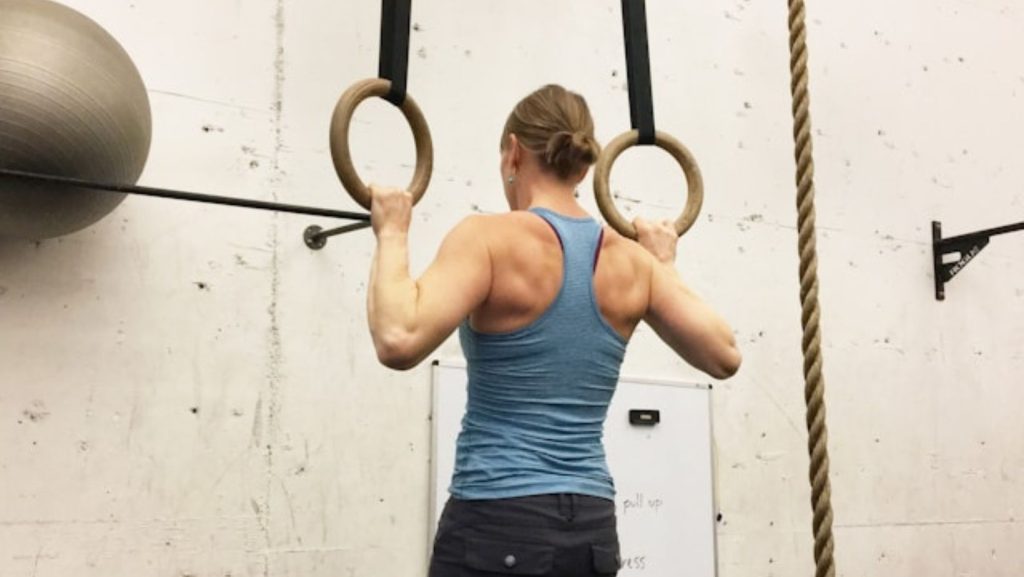
4 Shoulder Exercises For Women
Push Ups
Push-ups train the shoulders, chest, and arms and enhance core stability. They help tone the upper body, improve functional strength, and can be easily adapted to beginners or advanced fitness levels.
Dumbbell Shoulder Press
The dumbbell shoulder press exercise builds a strong, well-toned shoulder by working all the deltoid muscles. It enhances posture, increases upper-body strength, and enables independent arm movement to rectify muscle imbalance.
Lateral Raises
Lateral raises target the side deltoids, which help give the shoulders definition and breadth. A controlled form with light weights is beneficial for muscle tone without too much bulk, which helps sculpt the shoulders.
Front Raises
Front deltoids are targeted with front raises, which enhance shoulder shape and strength. This exercise aids everyday pushing and the development of lean, defined shoulders when performed properly.
Why Shoulder Exercises Are Important
Shoulder exercises are very important for overall fitness and the healing process. They help:
- Make muscles stronger and more enduring.
- Enhance muscular movements and flexibility.
- Reduce stiffness and shoulder pain.
- Enhance good posture and back positioning.
- Reduce the risk of injuries and muscle imbalance.
Shoulder exercises are useful for people at every level of fitness, whether you are an athlete, an office worker, or someone recovering from an injury.
Exercise With the Shoulder for Daily Fitness
Incorporating shoulder exercises into your workout plan improves upper-body performance. Shoulders are involved in practically all upper-body movements, including pushing doors and lifting groceries.
Well-balanced shoulder training also reinforces chest and back workouts, helping prevent muscle imbalances and overuse injuries.
Beginners can use bodyweight exercises or light dumbbells, whereas the more advanced can use resistance bands or barbells. The key factors in shoulder exercises are consistency and correct form, not the amount of weight lifted.
Frozen Shoulder Exercise Therapy
Frozen shoulder, also known as adhesive capsulitis, is a condition characterized by severe pain, stiffness, and restricted shoulder motion. Exercise therapy for frozen shoulder is an essential component of treatment and recovery. It focuses on slow, controlled movements that ultimately lead to greater flexibility and pain relief.
Some of the most frequently used frozen shoulder therapy exercises are pendulum swings, wall climbs, towel stretches, and mild external rotations. It is necessary to carry out these exercises consistently and within a pain-free range to prevent further discomfort. Eventually, frozen shoulder exercise therapy will restore normal movement and enhance daily activities.
Who Should Do Shoulder Exercises?
- Fitness amateurs and athletes.
- Persons who are shoulder-stiff or weak.
- Badly postured office workers.
- Individuals who have regained their shoulders.
- Elderly patients who want to improve the mobility of their joints.
Consult a medical practitioner before initiating frozen shoulder exercise therapy or if persistent pain persists.

Safety Tips for Shoulder Exercises
To receive as much benefit as possible and not to be injured, adhere to the following safety rules:
- Before beginning shoulder exercises, warm up.
- Use correct form and control.
- Begin with a resistance light and increase slowly.
- Does not overextend or jerk.
- Stop upon the development of sharp pain.
Conclusion
The strength, mobility, and injury prevention of the shoulder rely on exercises. Posture, performance, and daily functional levels are enhanced through frequent training. Regular, secure shoulder routines promote long-term joint health and upper-body balance, whether for muscle building or frozen shoulder exercise therapy.