Discover SH exercises for stronger, flexible, and injury-free shoulders. Improve mobility, posture, and performance with effective shoulder workouts.
Introduciton
SH exercises (also called Shoulder (SH) exercises) are specialized exercises aimed at training the muscles surrounding the shoulder joint. The shoulder is a very mobile joint of the human Body and is both strong and easily injured.
SH exercises aim to strengthen, increase flexibility, and improve shoulder stability. They are a necessity for athletes, gym lovers, and anyone who wants to keep their shoulders healthy in their day-to-day lives.
Understanding SH Exercises
SH exercises target the deltoids, trapezius, and rotator cuff, among other supporting shoulder muscles. Such exercises may include resistance, body-weight, and functional exercises that resemble everyday activities. SH exercises done correctly will improve posture, prevent injuries, and increase the shoulder joint range of motion.
Benefits of SH Exercises
Exercises SH enhance overall shoulder performance, muscle tone, posture, and day-to-day activity performance, and support long-term joint care and stability.
Building Strength and Endurance
Frequent SH activities will strengthen the shoulders, enhance muscular endurance, assist with lifting and pushing movements, and help prevent instability during recurrent or sustained activities.
Enhancing Flexibility and Range of Motion
SH exercises enhance joint flexibility, improve shoulder motion, enhance fluidity, reduce rigidity, and provide greater freedom for sports, daily activities, and functional movements.
Injury Prevention
Regular SH training helps stabilize muscles, improve joint position, alleviate pain, prevent overuse injuries, and safeguard the shoulders during physical exercise, sports, or heavy lifting.
How sh exercises work in the Body
Sh exercises are effective in that they involve the mind and the Body. They are stimulating, help to coordinate muscles better, and focus cognitive abilities when practiced regularly. Such exercises are usually based on repetition, controlled breathing, awareness of posture, and gradual progress.
Biologically, shi exercises can help regulate stress hormones, improve circulation, and strengthen mind-body connections. In the long run, it results in better balance, tension, and overall functioning.
The Most Effective Shoulder Exercises
Overhead Press
The overhead press builds deltoids and triceps, strengthens the upper chest, makes the shoulders more stable, and makes the upper Body stronger for lifting and pushing.
Lateral Raise
Lateral raises target the side delts; they give the shoulders a wider look, enhance shoulder definition, improve lifting performance, and encourage proper posture and even muscle growth.
Front Raise
Front raises strengthen the anterior deltoid, enhance forward-lift actions, improve shoulder stability, and facilitate normal functions such as pushing, carrying, or lifting objects over the head.
Reverse Fly
Reverse fly exercises, targeting the posterior delts and upper back muscles, enhance posture, balance shoulder muscles, and help prevent rounded shoulders or muscle imbalance.
Face Pull
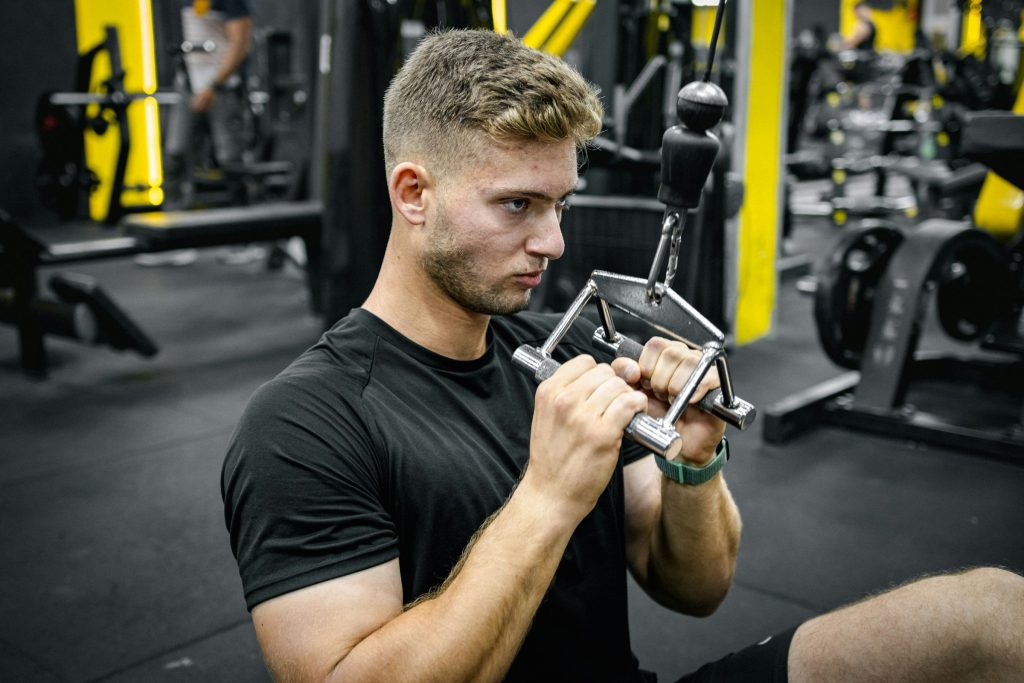
Face pulls work the rear delts and upper back, improve shoulder range of motion, improve posture, build supportive muscles, and minimize the risk of shoulder injury during exercise.
10 Best Shoulder Exercises
1. Push-Press
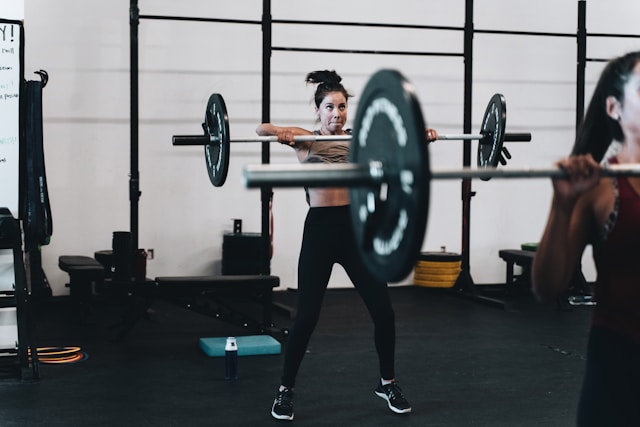
The push-press utilizes leg power to lift the barbell up over the head, thus engaging the shoulder, tricep, and core muscles. It is a perfect training for shoulder strength, explosive power, and stability as it enhances them all.
2. Military Press
The military press is an overhead standing barbell exercise aimed at the deltoids and triceps. It strengthens the shoulders, improves posture, and engages the core, which is stable, and the upper Body is strong in performing the functionality.
3. Rear Delt Row
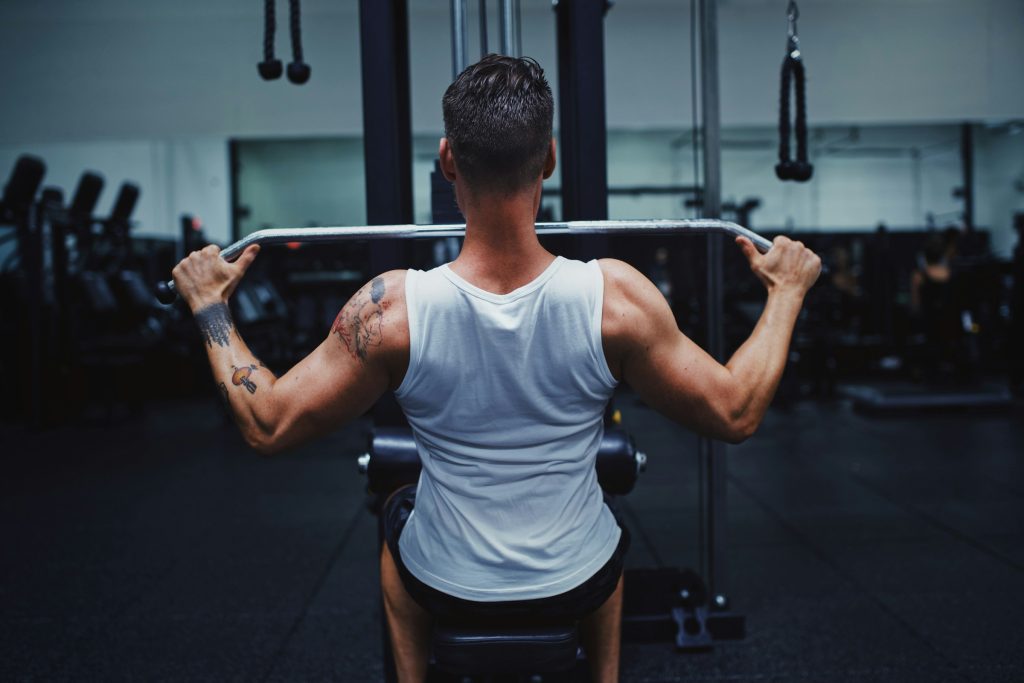
Rear delt rows work the back delts and upper back. Shoulders- Pulling weight out with the elbows strengthens the back shoulders, corrects the posture, provides balance between the front and back shoulders, and increases stability in the shoulders.
4. Seated Dumbbell Press
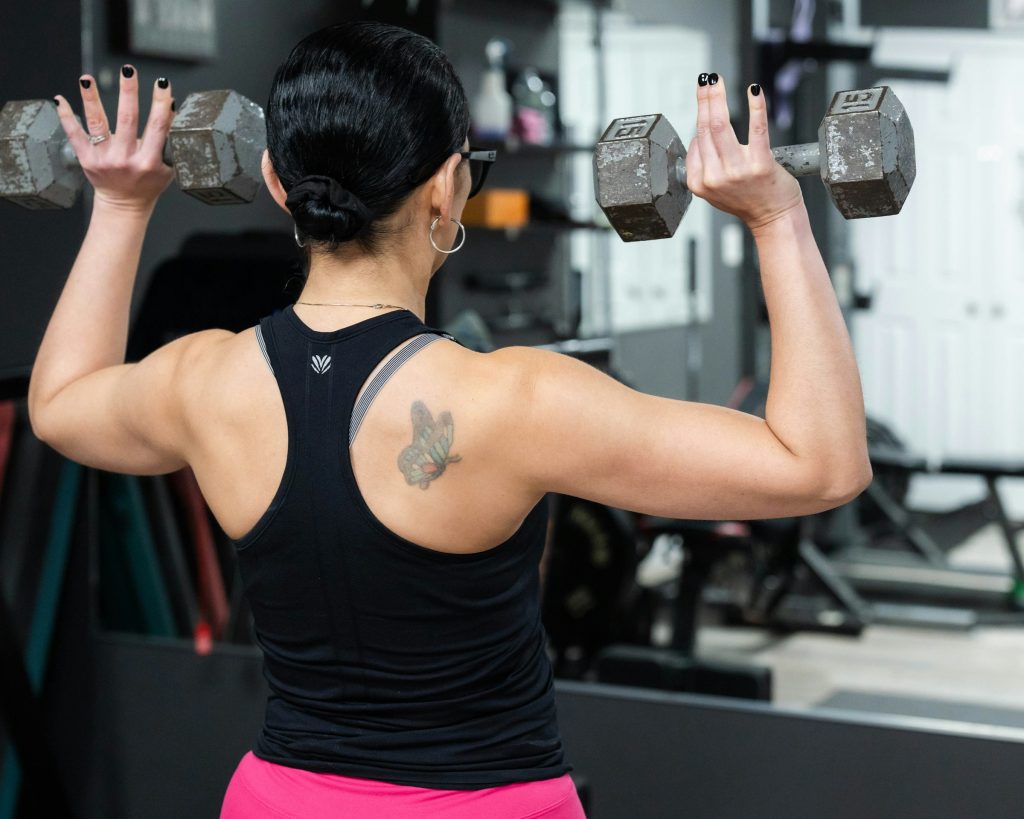
Sitting dumbbell presses are performed, targeting each head of the deltoid and minimizing lower-body engagement. This enables free movement to be controlled, shoulder isolation, and safer lifting by novices and advanced lifters, while still requiring total shoulder development.
5. Seated Barbell Press
Sitting barbell presses work the deltoids and triceps, but sitting gives more stability. This allows the lifter to lift heavier weights, and it is perfect for pressing overhead, as the core does not have to be involved much at all. It is a purely shoulder development-focused exercise.
6. Upright Row
Upright rows are lifts in which the barbell or dumbbells are raised to the chin, targeting the deltoids and traps. It strengthens the upper shoulder and traps, but must be done cautiously to avoid shoulder impingement.
7. Arnold Press
The Arnold press is a rotation of a dumbbell and an overhead press, which works all three deltoid heads. It not only enhances the aesthetic but also the functional aspect by increasing shoulder mobility, power, and balance during shoulder development.
8. Rear Delt Fly
Rear delts flyes are dumbbell or cable isolation exercises meant for the posterior deltoids. They are important for rear shoulder development, better posture, reducing the risk of muscle imbalances, and making it easier to do shoulder-supporting exercises by doing shoulder presses along with other exercises.
9. Lateral Raise
Lateral raises target the side delts, broadening and shaping the shoulders. Guided exercises with dumbbells or cables will help develop the stabilizing muscles, prevent injuries, and improve the shape and appearance of the shoulder.
10. Front Raise
Front raises are exercises that target the anterior deltoids and involve raising the arms forward. This practice enhances front shoulders and pressing, and helps with balanced shoulder development and overhead performance.
Easy Shoulder Exercise at Home
Diving Dolphin
Start with downward dog, hold the chest to the floor, push back, and strengthen the shoulders and enhance flexibility.
Plank Raise Tap Crunch
Begin in a plank, tap with the opposite shoulder with one arm, and crunch with core and shoulder action.
Military Press
Household weights or press dumbbells overhead at the level of the shoulders with the core tight to develop shoulder strength and stability.
Clean Squat Press
A squat, clean, and overhead press is a whole-body exercise that engages the shoulders, legs, and core.
How to Practice SH Exercises Effectively
SH exercises are to be performed in an organized and conscious manner to achieve maximum benefits. Here are some best practices:
1. Set Clear Goals
Whatever you do, first define your goals. Do you want to be physically strong, mentally acute, or feel good? Exercises can be customized by using clear goals.
2. Start Slowly
Simple exercises should be used first, then increased in intensity, especially for someone new to it. This minimizes the risk of injury and ensures sustainable development.
3. Maintain Consistency
SH exercises can be best done regularly. Also, 10-20 minutes per day can lead to observable changes in the long run.
4. Combine Different Types
A combination of physical, cognitive, and emotional activities will guarantee a comprehensive approach. Indicatively, strength training combined with mindfulness meditation can be advantageous to the Body and mind.
5. Listen to Your Body
Note the reaction of the Body. Take breaks when necessary and adjust activities if discomfort or pain occurs.
6. Seek Professional Guidance
To make exercises safe or effective, a physiotherapist, trainer, or mental health professional can be consulted to ensure that rehabilitation or specialized SH exercises are safe and effective.

Essential Considerations of Shoulder (SH) Exercises
Before embarking on your SH workouts, be mindful of your shoulders’ health, range of motion, and overall condition to avoid injuries and make the most of your exercises.
Choose the Right Weight
Pick a weight that challenges the muscles but still allows you to maintain proper form, and gradually add weight to the workout to safely increase strength and stamina over time.
Maintaining Proper Form
During each exercise, make sure you perform it correctly, with proper body position and movement. This will not only protect your joints but also help prevent injuries and improve shoulder performance.
Warm Up and Cool Down
It’s a must to warm up the Body before starting physical activities and, after that, also cool down to enhance blood circulation and flexibility and, at the same time, lower the risk of injury.
Common Mistakes to Avoid
- Lifting heavy weights too early.
- Not activating the stabilizing muscles.
- Using momentum rather than controlled movement.
- Skipping warm-ups and cool downs.
- Exercise through pain or discomfort.
Conclusion
Exercises for the SH are a great way to strengthen, stabilize, and increase shoulder mobility while protecting it from injury. Regular practice leads to better posture, functional performance, and joint health. By using good technique, changing exercises, and progressing slowly and carefully, you can get the most benefit in both your daily life and your sports performance.