

Learn effective exercises for carpal syndrome to relieve pain, improve wrist flexibility, strengthen hands, and support the median nerve for better daily function.
Introduction
A carpal syndrome, also known as carpal tunnel syndrome (CTS), is a disease that affects the hand and the wrist, which is usually accompanied by pain, numbness, tingling, and weakness. It occurs when the median nerve, which passes through the forearm into the hand, is pinched at the wrist.
Carpal tunnel syndrome is common among people who perform repetitive hand or wrist movements, such as typing, using a mouse, playing musical instruments, or doing manual labor.

Causes of Carpal Syndrome
Carpal tunnel syndrome is mainly due to pressure on the median nerve at the wrist. The causes of this pressure include:
- Monotony of hand movements (typing, texting, mouse)
- Poor wrist posture
- Wrist injuries or fractures
- Rheumatoid arthritis is an inflammatory disease.
- Retention of fluids during pregnancy.
- Some medical diseases, such as diabetes or hypothyroidism.
Symptoms of Carpal Syndrome
The symptoms can begin slowly and include the following:
- Numbness or tingling of the thumb, index, middle, and half of the ring fingers.
- Weakness of hands, and therefore, it is hard to hold things.
- Pain that can radiate along the arm.
- Rising in the middle of the night because of pain in the wrists.
- Loss of hand coordination.
These symptoms can be greatly reduced through early intervention, including proper exercises that enhance hand function.
Benefits of Exercise for Carpal Syndrome
Carpal tunnel syndrome exercises are useful for relieving nerve compression, improving wrist and finger flexibility, strengthening the muscles of the forearm and hand, improving blood flow, alleviating pain and numbness, and preventing future recurrence of symptoms. Frequent exercise will promote hand strength, the median nerve, and the general quality of life of the person with carpal tunnel syndrome.
Role of Exercises in Carpal Syndrome
Carpal tunnel syndrome exercises are non-invasive and effective methods for minimizing symptoms and improving hand and wrist function. Although they cannot always cure the condition, particularly in severe cases, exercises help with recovery, prevent worsening symptoms, and improve overall wrist and hand function.
The main aims of the carpal syndrome exercises consist of:
- Extending the muscles of the wrist and forearm to make them less tight.
- Enhancing the stability of the wrist with the help of supporting muscles.
- Enhance nerve mobility to reduce median nerve compression.
- Ergonomic prevention through muscle balance.
Best Exercises for Carpal Syndrome
1. Wrist Extensions
Wrist extensions are performed by bending the wrist backward and maintaining a straight arm. This helps stretch tight forearm muscles, relieve strain on the median nerve, and enhance wrist and hand flexibility.
2. Ball Squeeze
With a soft stress ball, squeeze slowly for five seconds, then release. Repeat multiple times. This strengthens the hand and forearm muscles, enhancing grip strength and providing the wrist with stability, which can help relieve CTS.
3. Weighted Wrist Stretch
Hold some weight in your palm, hand facing down, and start turning your wrist up and down, little by little. This process simultaneously strengthens, relaxes, and stretches the wrist extensors in the forearms, which are usually affected by CTS.
4. Wrist Flexion
Your arm is stretched out; Use the other hand to bend the wrist downwards to stretch. Wrist flexion increases mobility, relieves nerve compression, and helps restore normal motion in wrists affected by CTS.
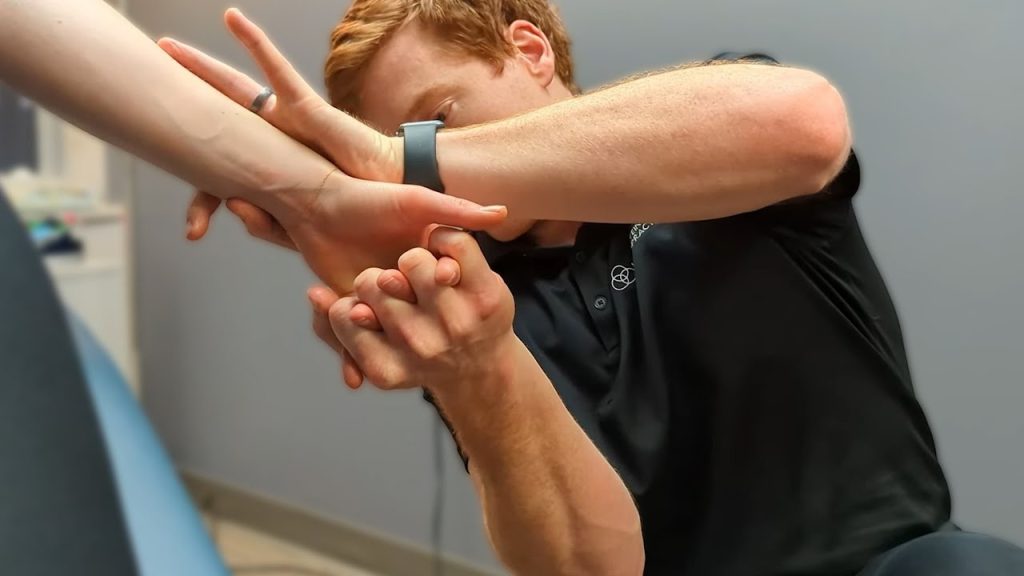
5. Tendon Glides
Alternate fingers through straight, hook fist, full fist, and tabletop. The tendon gliding exercises will be your finger’s best allies, enhancing your hand’s range of motion, reducing stiffness, and making carpal tunnel movements feel freer.
6. Wrist Lift
Position yourself flat on your back and rest your palm on the floor. Then, using only your wrist, slowly lift your hand. This exercise will strengthen the muscles around your wrist, stabilize the wrist joint, and help the median nerve in the carpal tunnel.
7. Median Nerve Glide
Put up your arm, stick out your fingers, and lean your head slightly over the outstretched arm. In this movement, the median nerve is free to move without pressure, increasing flexibility and alleviating CTS symptoms.
How Exercises Help the Median Nerve
Carpal tunnel syndrome exercises aim to slowly rotate the wrist and fingers in their natural motions, helping the nerve. This reduces nerve stiffness and swelling. Exercises that involve nerve-gliding, specifically, are known to make the median nerve more liberated within the carpal tunnel. Rather than remaining stuck and annoying, the nerve starts sliding smoothly, which lessens long-term pain.
How to Perform Exercises Safely
To achieve the most out of carpal syndrome exercises, one should be safe and consistent:
- Warm-Up: Whenever you are initiating, remember to warm up for 2-3 minutes first, like shaking your hands or having your wrists circle.
- Avoid Pain: This is normal, whereas sharp pains and numbing sensations are signs of overexertion.
- Consistency: It is best to do exercises 2-3 times a day.
- Ergonomics: The condition should not be aggravated by improper wrist posture during work.
- Rest: Rest; excesses of exercise may exacerbate inflammation.
When to See a Doctor
Although exercises may have a considerable positive effect on carpal syndrome symptoms, medical examination is needed when:
- The numbness or tingling persists after exercise.
- Hand weakness disrupts normal routines.
- Sufferings increase or extend up the arm.
- You observe that there is a great loss of grip or dexterity.
A medical practitioner can prescribe splints, anti-inflammatory drugs, or surgery in difficult situations.
Pros and Cons of Carpal Syndrome Exercises
Pros:
- The non-invasive and economical ones.
- Enhances elasticity and power.
- It can prevent the development of the condition.
- Can be done at home or work
Cons:
- Findings are not immediate and demand repetition.
- Failure to eradicate symptoms in severe cases.
- A poor method may worsen the symptoms.
Exercises to Avoid with Carpal Syndrome
Some movements can make symptoms worse, such as:
- Bent wrist heavy weight lifting.
- Push-ups on hard surfaces
- Monotonous gripping without pauses.
- High-impact wrist movements
If a given exercise produces sharp pain or numbness, stop.
Conclusion
Carpal tunnel syndrome exercises are a fundamental part of pain relief, improved wrist flexibility, and support for the median nerve. By combining safe practice and regularity, it is possible to greatly increase hand strength, reduce symptoms, prevent the problem from returning, and achieve considerable improvements in daily function and quality of life.