

Discover ankle strengthening exercises to improve balance, prevent injuries, and boost stability. Simple, effective routines support mobility, joint health, and overall leg strength.
Introduction
Exercises to strengthen the ankle aim to improve ankle joint stability and function. The ankle is very important for balance, weight distribution, and walking, running, jumping, and pivoting.
Poor ankles may be associated with frequent sprains, loss of mobility, and poor performance in sports. Strengthening exercises target the muscles, tendons, and ligaments around the ankle to enhance joint function and prevent injury.

Benefits of ankle strengthening exercises
Preventing Injuries
Exercises that strengthen the ankles make the joints more stable, muscles surrounding the ankle stronger, and the ligaments resilient, so that the chances of incidence of sprains, strains, or other ankle-related injuries are on the low side in terms of daily activities or in sports.
Improving Bone Density
Ankle weight-bearing exercises promote bone growth, mineral density, and strength of the lower leg bones, preventing osteoporosis and bone fractures and maintaining overall skeletal health and stability.
Improving Balance
The ankle becomes stronger, and proprioception and coordination improve, making the body more stable, minimizing the risk of falls, and enabling easier, more controlled movements during walking, running, or sports.
6 Ankle Strengthening Exercises
1. Calf Raises
Get on your heels, with feet in the air, and then take them down. Provides more stability and confidence for walking, running, and daily activities, plus strengthens the calves and ankles, and improves overall balance.
2. Ankle Alphabet
Take a seated or reclining position and depict the letters in the air with your toes. In this way, the ankle joint gets a good stretch, thus becoming more flexible and coordinated, which also basically reduces its chances of becoming stiff and injured.
3. Resistance Band Exercises
Attach a resistance band to the foot and apply force in different directions, either by pushing or pulling. This activity strengthens the ankle, increases its stability, and provides the muscles with the support needed for proper movement.
4. Heel-to-Toe Walk
A straight line walk, with the heel facing straight forward towards the opposite toes. Improves balance, ankle muscle tone, and walking and sports coordination.
5. Toe Taps
Dab your toes into the ground with your heels lifted, either sitting or standing. The lower leg gets its workout, which in turn leads to better stability, enhanced blood flow, and the firing of the ankle muscles.
6. Single Leg Squats
Activities: Stand on one leg, bend the knee, squat, then stand up. Develops ankle tone, balance, and works muscles around the leg to enable functional mobility.
Importance of Ankle Strengthening Exercises
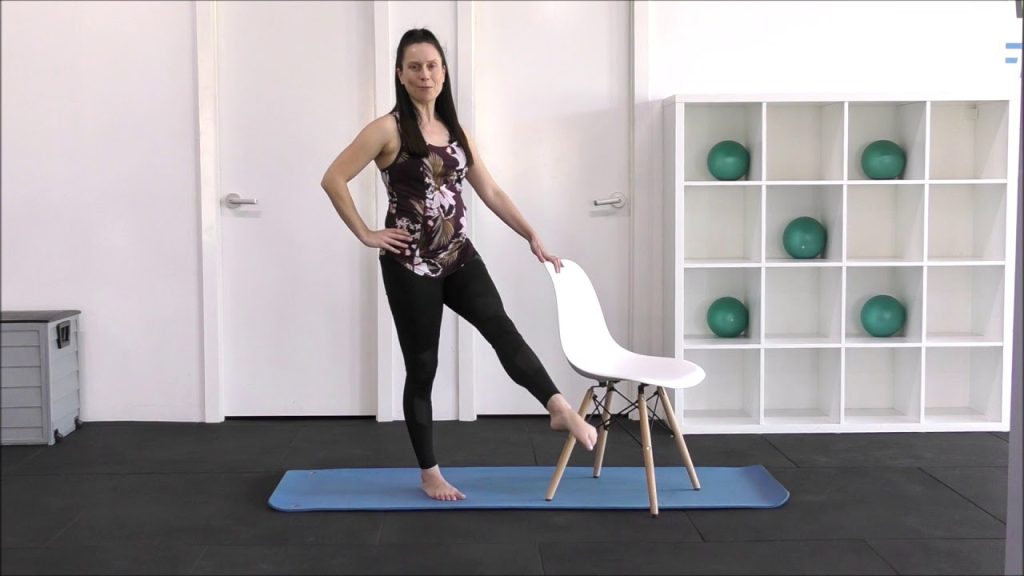
The ankle joint is essential for performing everyday activities such as walking, running, jumping, and standing. Good and stable ankles are the basis for balance and agility, while weak ankles can cause many problems, including:
- Frequent ankle sprains or injuries
- Poor balance and coordination
- Chronic ankle instability
- Reduced athletic performance
The muscles surrounding the ankle, including the calf muscles, tibialis anterior, and peroneal muscles, when strengthened, will not only support the joint but also lower the risk of injury. Strong ankles also help with shock absorption and provide better control during movement.
7 Ankle Strengthening Exercises, Recommended by Physical Therapists
1. Calf Raises
Keep the feet hip-width apart, and slowly lift the heels off the floor, stand on the toes, then lower. Makes calves stronger, improves ankle stability, and enhances equilibrium during everyday movements and sports activities.
2. Single Leg Calf Raises
Standing on one leg, raise your heel in the air and then go down. Strengthens the ankle on one side, enhances stability, and isolates the calf muscles to improve balance and prevent injury.
3. Soleus Raise
Bend with little rise and lift heels with bending of knees. Trains the soleus muscle beneath the calf and improves the stability of the lower leg, as well as decreasing the chances of ankle injury or Achilles tendinopathy.
4. Tib Raises
Being on your feet, raise your feet up and towards your shins, with your knees against the floor. Enhances the tibialis anterior, improves dorsiflexion, balance, walking, and prevents shin splints.
5. Standing Arch Raises
When standing, raise the arch of your foot and do not curl your toes or let your heel touch the ground. Next, it uses the foot’s intrinsic muscles to enhance overall ankle stability.
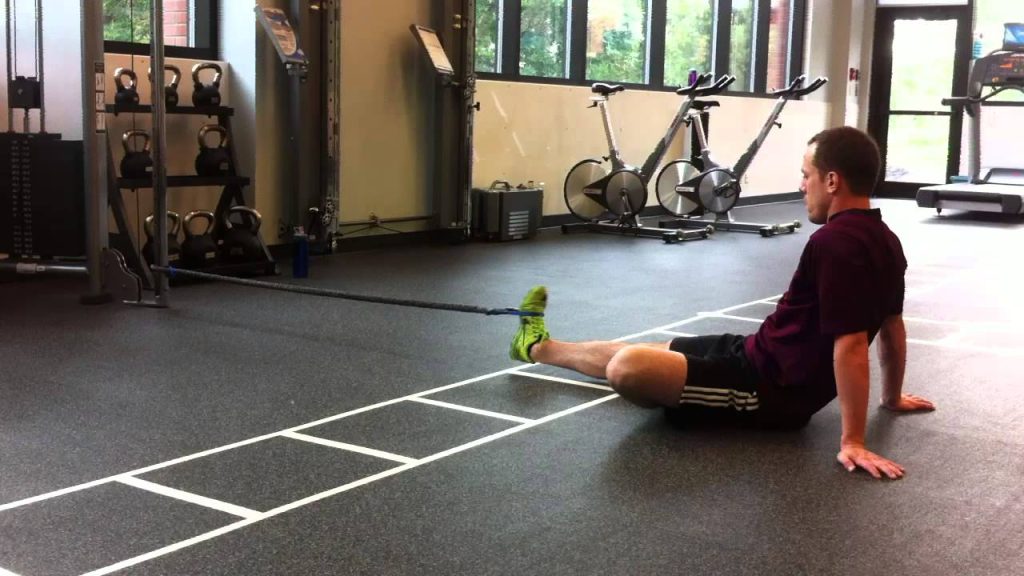
6. Banded Ankle Inversion
Fix one end of a resistance band to your foot, wrap it around your foot, and then move your foot inwards against resistance. Improves the ankle invertor muscles, prevents sprains, and provides lateral stability during dynamic movements.
7. Banded Ankle Eversion
Tie a resistance band around your foot and push your foot outward. Stimulates the ankle evertor muscles, enhances lateral stability, prevents injuries, and improves balance during walking, running, and other sports.
Who Needs Ankle Strengthening Exercises?
Athletes and Active Individuals
Runners, dancers, basketball players, and soccer players put a great strain on their ankles. Exercising helps them improve and prevent injuries.
Older Adults
In old age, there is a loss of muscle strength and balance. Ankle-strengthening training is effective for keeping elderly adults in motion and minimising the risk of falls.
People Recovering from Injury
Exercise Strengthening exercises are essential to safe, effective recovery following an ankle sprain or fracture. Never self-treat without consulting a medical practitioner.
4 General Tips for Strengthening Ankles
- Yoga: A regular yoga session will enhance ankle flexibility, build the muscles around the ankle, and strengthen the joints, improving overall balance and mobility.
- Stretching: Flexibility: Regular ankle stretching will enhance flexibility, reduce tightness, lessen the risk of injury, and restore proper ankle alignment during walking, running, and other sports.
- Myofascial Release: Myofascial release methods, such as foam rolling, help loosen tight muscles, enhance circulation, and decrease tension around the ankle joint.
- Balance Exercises: Balance exercises on an uneven surface or on one foot improve ankle stability on that foot, proprioception, and decrease the risk of falls or sprains.
How Often Should You Perform These Exercises
Ankle-strengthening exercises should also be performed 2-4 times per week to achieve the best results. Novices must start slowly and build momentum. It is more a matter of consistency than intensity.
Safety Tips and Common Mistakes
- Warm up before exercise.
- Do not make sharp or sudden movements.
- Halt in case of pain or if there is a slight distress.
- Pay attention to the correct structure, not the speed.
FAQs
Can ankle strengthening exercises help with ankle pain?
Yes, ankle-strengthening exercises, when performed properly, can support muscles, reduce joint stress, and may greatly assist in relieving ankle pain.
Are ankle strengthening exercises suitable for beginners?
Absolutely. Most exercises are ankle-friendly, not complex, and do not require any equipment, which makes them safe and easy to get used to at home.
Can I do ankle strengthening exercises at home?
Yes, the majority of exercises to strengthen the ankle can be done at home and require little space, no complex machinery, and frequent repetition.
Conclusion
To enhance joint stability, balance, and flexibility, ankle strengthening exercises are necessary. Consistent training will help prevent injuries, aid recovery, and improve body mobility. These exercises are appropriate for athletes, older people, and beginners and will help them have strong, resilient ankles that allow them to perform daily activities more safely and confidently.