Discover what bicep fitness is, its benefits, best exercises, and tips to build strong, toned arms for improved strength, performance, and appearance.
The biceps are one of the most recognizable and noticeable muscles of the human body. They are usually coupled with power and physical fitness, which is why they are essential to the functionality and beauty of the upper body. Bicep fitness is a specific training, exercises, and plans of strengthening, toning, and building the biceps muscles, to achieve good performance and appearance.
Why Bicep Fitness Matters
Powerful biceps assist in the pulling, lifting, carrying, and stabilizing of objects. Bicep fitness helps in most of the daily activities, such as carrying groceries and carrying out sports movements, among others. Also, the bicep fitness helps to maintain an improved posture, the health of joint and the balance of the upper body.
Why Bicep Fitness Is Important
1. Functional Strength in Daily Life
Powerful biceps allow one to easily and safely lift groceries, carry children, or move furniture. They promote the elbow and shoulder joints, minimizing the possibility of strain or injury.
2. Athletic and Sports Performance
To athletes, bicep strength will improve the performance of the sport that involves pulling, throwing, or lifting, including rock climbing, basketball, or rowing. Power, endurance, and control in these activities are enhanced through strong biceps.
Benefits of Bicep Fitness
Improved Arm Strength
The consistent bicep workout would greatly increase the overall arm strength, enabling you to achieve better results in terms of pushing, pulling, and lifting exercises in both exercise and in day-to-day activities.
Better Muscle Definition
Firm, well-built biceps develop visually attractive and well-built arm structure, so the appearance is better, the confidence is enhanced, and the success of regular resistance training is shown.
Injury Prevention
The biceps strengthening, as well as supporting muscles, including triceps and shoulders, joints, equal distribution of forces, and the possibility of avoiding injuries during exercises and everyday activities, make people more stable.
What Is Bicep Fitness in Strength Training?
Bicep fitness in strength training has two areas of concern:
Muscle Hypertrophy
This entails the growth of the bicep muscles by resistance training, progressive overload, and proper recovery.
Muscular Endurance
Muscular endurance refers to the capacity of your biceps to contract repeatedly and never to be fatigued. It is significant in sports, workouts of high repetition, and repetitive daily activities.
Best Exercises for Bicep Fitness
Dumbbell Bicep Curls
The bicep curls with dumbbells are the best to isolate each arm in particular. They permit full movement, enhance the symmetry of muscles, and enable good strengthening of the biceps between beginners and advanced lifters.
Barbell Curls
Barbell curls are the most appropriate to use in picking heavier weights and to promote the general growth of the biceps. They work both ends of the biceps, build up bulk and boost arm strength, and as such should be a regular part of the routine.
Hammer Curls
Hammer curls target the brachialis and the brachioradialis muscles that are underneath as well as parallel to the biceps. This workout gives the upper arm width, thickness, and definition, besides enhancing grip strength.
Chin-Ups
Chin-ups work the back muscles, forearms,s and biceps at the same time. They develop effective upper body strength, enhance pulling power, and lead to the development of general muscle endurance. They are very effective in full-body fitness.
Anatomy of the Biceps Muscle
Biceps Brachii Explained
The muscle is the biceps brachii, a two-headed muscle that is present on the anterior of the upper arm. It is important in flexion of the elbow, forearm supination, and shoulder stabilization.
Long Head of the Biceps
The long head is running along the outer part of the upper arm. It assists in flexing and rotating the forearm and forms part of the apex of the biceps.
Short Head of the Biceps
The short head is situated on the inner side of the upper arm. It gives volume to the biceps and supports general arm strength and stability during lifting.
How Biceps Work in Daily Movements
The biceps are engaged in daily activities such as picking up grocery bags, opening doors, and participating in sporting activities like rowing or throwing. Well-developed biceps enhance efficiency in such movements and make the movements less tiring.
How Often Should You Train Biceps?
To ensure proper growth and rest, train biceps 2-3 times a week, separated by a minimum of a day. It should not be overtrained in order to cause fatigue and injury.
Nutrition and Its Role in Bicep Fitness
1. Protein Intake
Protein plays an essential role in building and forming bicep muscles during exercise. Ingest lean proteins, fish, eggs, dairy, legumes, or protein supplements regularly to aid development, power, and optimum muscle restoration.
2. Hydration and Recovery
Adequate hydration improves muscle performance, nutrient transport, and recovery. In conjunction with enough sleep, rest days, and after-workout recovery measures, it will guarantee that the biceps become stronger and that fatigue and injuries are avoided.
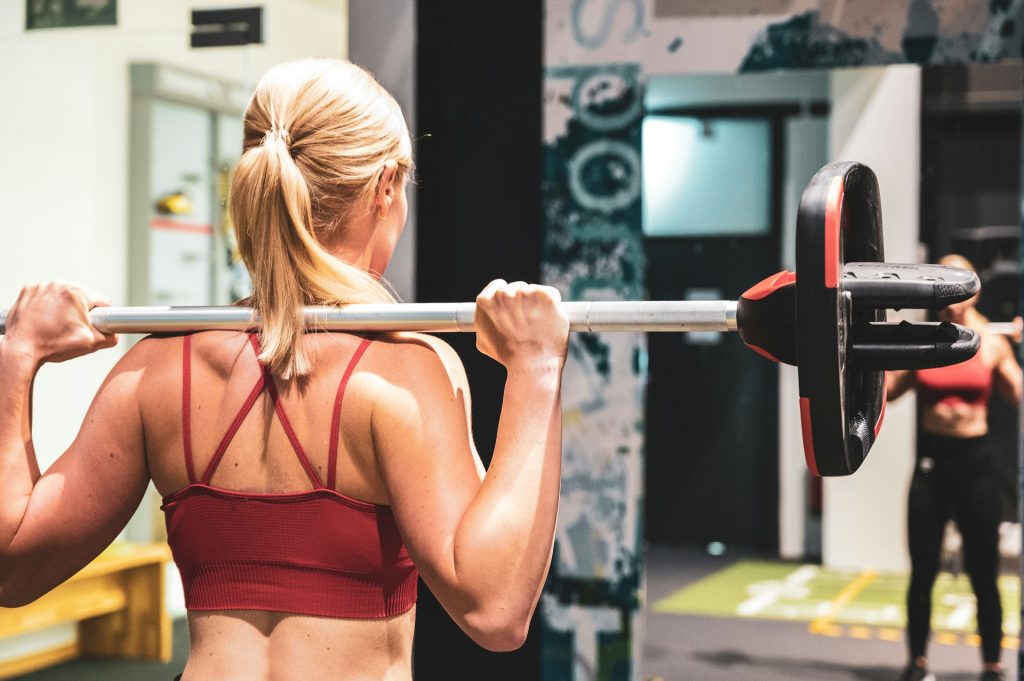
Bicep Fitness for Beginners vs Advanced Lifters
Beginner Bicep Training Tips
- Pay attention to form and controlled movements.
- Include 2-3 sets in each exercise.
Advanced Bicep Fitness Strategies
- Apply graded overload measures.
- Attempt more challenging exercises such as incline curls or drop sets.
- Use biceps with compound lifts to grow arms in a total way.
Common Mistakes That Affect Bicep Fitness
- Overtraining the Biceps: Excessive training without sufficient rest might cause muscle strain and poor performance. Balance is key.
- Ignoring Other Muscle Groups: The act of paying attention to just the biceps leads to muscle imbalances. The back, shoulder, and triceps should be trained so as to stabilize the arms in general.
Conclusion
Bicep fitness makes the arms stronger, increases the functionality of the day to day life, and improves the aesthetics. With appropriate training, nutrition, and recovery, amateur and professional lifters can strengthen and shape their biceps, prevent injuries, and aid in the performance and overall physical fitness of the upper body in the long run.