
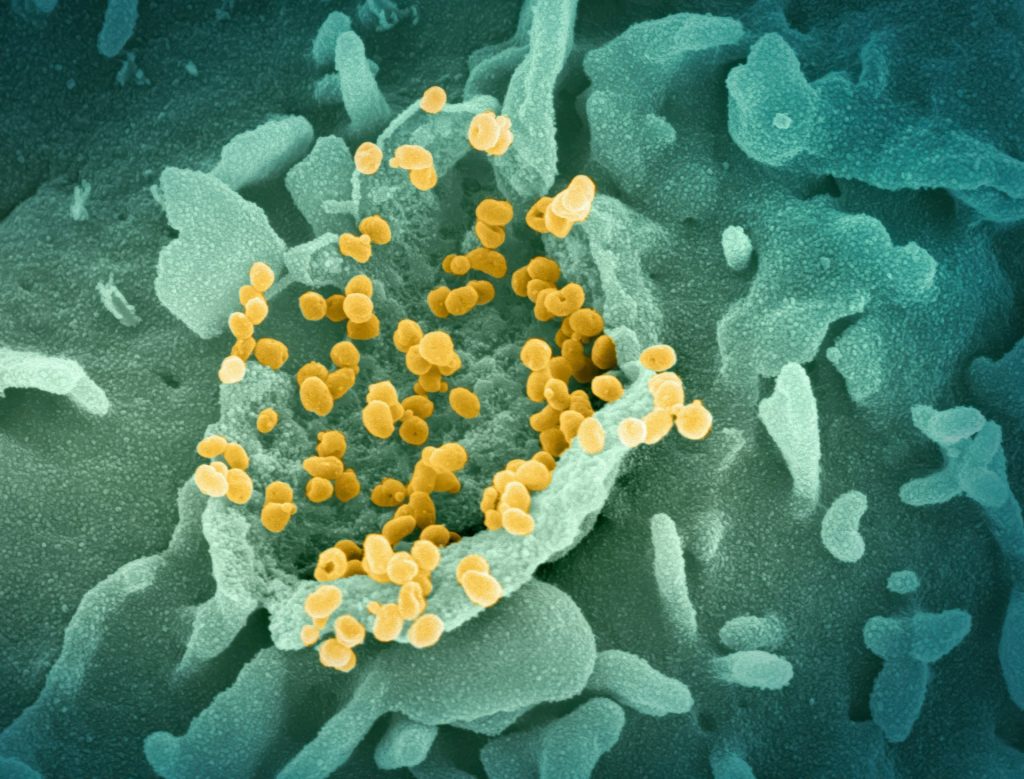
Learn about the Nipah virus, its symptoms, transmission, treatment, and prevention measures. Early detection and hygiene are vital to control this deadly infection.
Introduction
Nipah virus (NiV) is an uncommon but lethal virus belonging to the family Paramyxoviridae and the genus Henipavirus. This was first detected in 1998 in Malaysia, during an outbreak among pig farmers and individuals in close contact with pigs. This is a zoonotic virus, or in other words, an animal-to-human virus, as well as a human-to-human virus.
Nipah virus is also a worldwide issue because of its high mortality, infectiousness, and absence of a recommended vaccine. The cause, symptoms, spread, and management of its treatment are necessary for the prevention and management.
What is Nipah Virus?
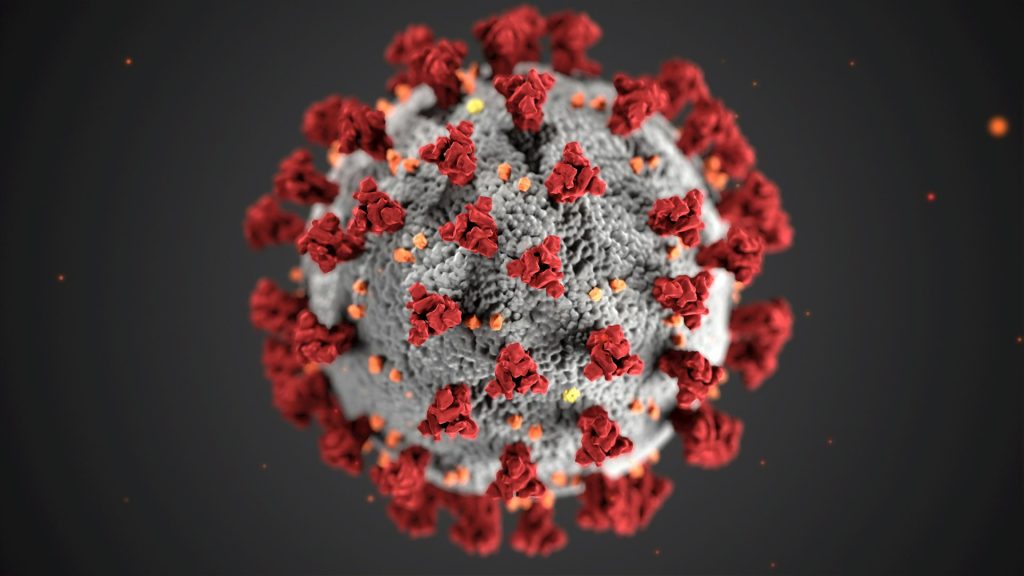
Transmission of the Nipah virus (NiV) is a (rarely) contagious animal-to-human (zoonotic) virus. It may lead to acute respiratory disease, encephalitis, and neurocomplications. Having a high fatality rate, early detection, supportive care, and preventive measures are important to the control of outbreaks.
Origin and Transmission of Nipah Virus
The fruit bats of genus Pteropus are the natural hosts of the Nipah virus. Those bats are able to be infected with the virus and have no symptoms, infecting fruits, date palm sap, or any other food sources. Human beings will be exposed to the virus by being in direct contact with a sick bat, pig, or other sick people.
Symptoms of Nipah Virus Infection
It takes 4 to 14 days following exposure before the symptoms of the Nipah virus infection are manifested. Symptoms are similar to flue at the beginning, and it is difficult to diagnose in the early stages. Common signs include:
- Fever
- Headache
- Muscle pain
- Vomiting
- Sore throat
With the disease progression, neurologic symptoms could be observed, which is a sign of severe infection:
- Dizziness and confusion
- Seizures
- The disease of the brain (inflammation of the brain)
Secretion of the respiratory tract, which may be either cough or dyspnea, or even pneumonia, may also occur, particularly in severe cases. The fatality rate is high, and therefore quick medical response is necessary.
How is the Nipah Virus Transmitted
Animal-to-Human Transmission
Fruit bats are the natural vectors of the Nipah virus. Man can be infected by direct contact with infected animals, like pigs, or by bat urine, saliva, or contaminated surfaces.
Human-to-Human Transmission
The virus is capable of person-to-person transmission by way of close contact. Nipah virus can be transmitted by respiratory droplets, coughing, or handling of body fluids of the infected people, particularly in the home or the health care facility.
Eating Contaminated Food
Infection may occur after taking raw date palm sap or fruits that are contaminated with bat saliva or urine. Poorly washed or cooked food which contacts infected animals is also a threat.
Treatment and Prevention
The following are some general precautions when it comes to keeping hygienic to prevent the Nipah virus:
Handwashing
Washing hands with soap and water regularly, particularly after touching animals or touching items or surfaces in the public area, will help to minimize the risk of being infected and will stop the spread of the virus.
Avoiding Close Contact
Human-to-human transmission of the Nipah virus can be avoided by not being close to individuals who are exhibiting signs of ill health, e.g., fever or cough, to ensure that the disease is not passed on to humans.
Avoiding Consumption of Raw Palm Sap
Never drink the raw date palm sap or swallow urine or bat saliva-contaminated fruits, because this is a major cause of Nipah virus infection.
Properly Cooking Food
Always cook or wash all meat, fruits, and vegetables well to ensure that they kill the possible pathogens, such as the virus-like Nipah that may linger in raw or undercooked food.
Use of Personal Protective Equipment
To avoid the Nipah virus and minimize the chances of being infected, healthcare workers and caregivers are advised to use gloves, masks, and protective clothing when attending to patients or animals.
Prevention and Safety Measures
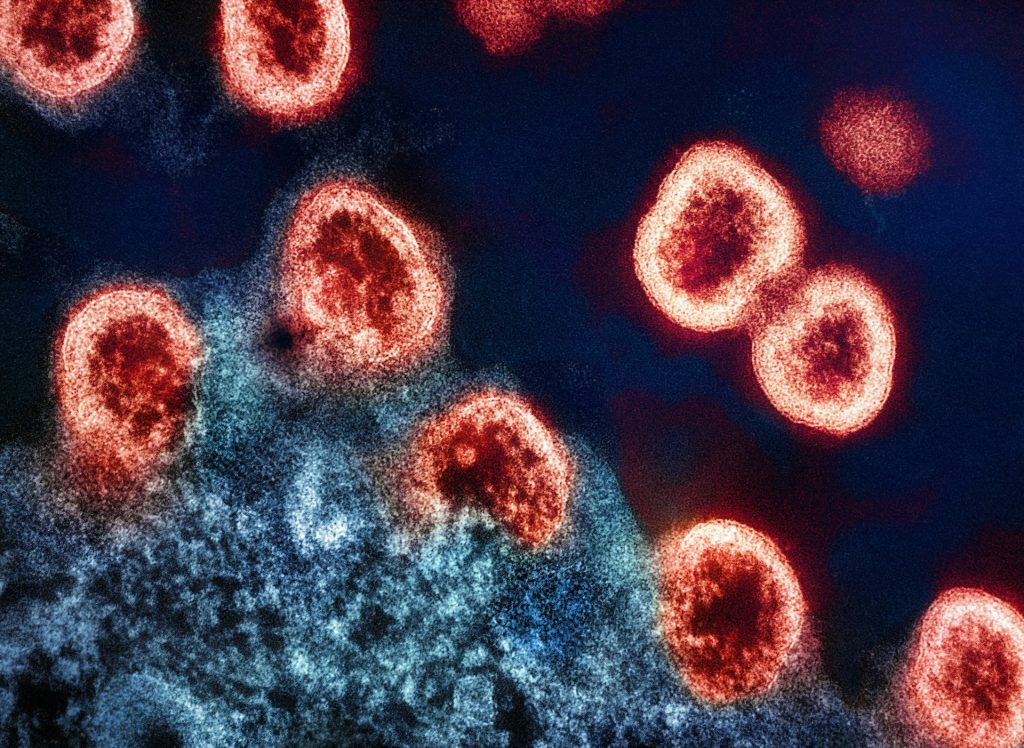
Nipah virus outbreaks should be best controlled through prevention. Measures that are recommended are:
- The prevention of the intake of raw palm sap or bat-contaminated fruits of the date palm.
- Wearing protective measures when it comes to handling pigs or people who are infected.
- Segregation of infected patients to avoid human-to-human transmission.
- Good hygiene, such as washing hands and using sanitizers regularly
Nipah virus outbreak management requires adequate attention to public health awareness and quick response efforts.
What is the incubation period of the Nipah virus?
The Nipah virus has an average incubation period of 7 to 21 days, or a duration between exposure and expression of symptoms. At this stage, people who are infected can be inflicted but they can be without symptoms.
Conclusion
Nipah virus is a very fatal zoonotic disease that spreads quickly and has serious complications. The first step should be early detection, hygiene, no intake of contaminated food, and protective measures. The methods of reducing the risk of infection and mortality include raising awareness among the population, managing outbreaks, and providing supportive care.