What to eat after workout to lose weight? Discover healthy post-workout foods, nutrition tips, and meals that support fat loss, recovery, and energy.
Weight loss workout is a systematic physical activity program that aims at burning calories and body fat, and enhancing body fitness. It typically involves cardio, strength, and flexibility elements. Together with healthy and proper meals, it contributes to a calorie deficit for achieving healthy and sustainable weight loss.
Why Post-Workout Nutrition Matters?
Your body requires nutrients after the exercise because it:
- Repair muscle tissues
- Replenish energy stores
- Reduce muscle soreness
- Support metabolism
- Avoid tiredness and hunger.
When you avoid eating or do not eat healthy foods, the recovery process will be slower, and the weight loss process will fail.
What to Eat After Workout to Lose Weight?
1. Water
Having a glass of water after exercise replenishes the body, aids in the metabolism process, and prevents hunger. Through proper hydration, you get better recovery, fatigue is avoided, and you also burn a lot of fat as a result of your body operating well.
2. Dairy Protein
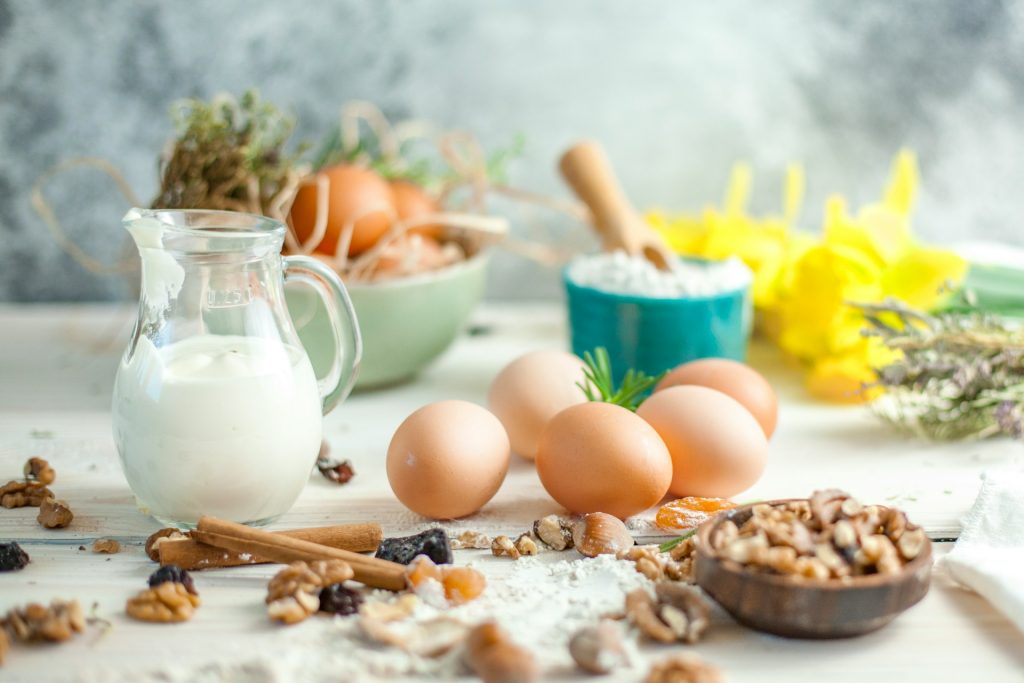
Dairy protein, such as milk, yogurt, or cottage cheese, assists in muscle repair and makes one feel full. It offers rich nutrition in the form of protein that promotes recovery and helps retain lean muscle when one is undergoing weight reduction.
3. Protein, Carbohydrates, and Fats
The protein, healthy carbohydrates, and fats make up a healthy diet that aids in muscle restoration and energy replenishment. This combination helps to stabilize the blood sugar levels, decrease the cravings, and achieve a sustainable effect of weight loss.
4. Greek Yogurt with Berries
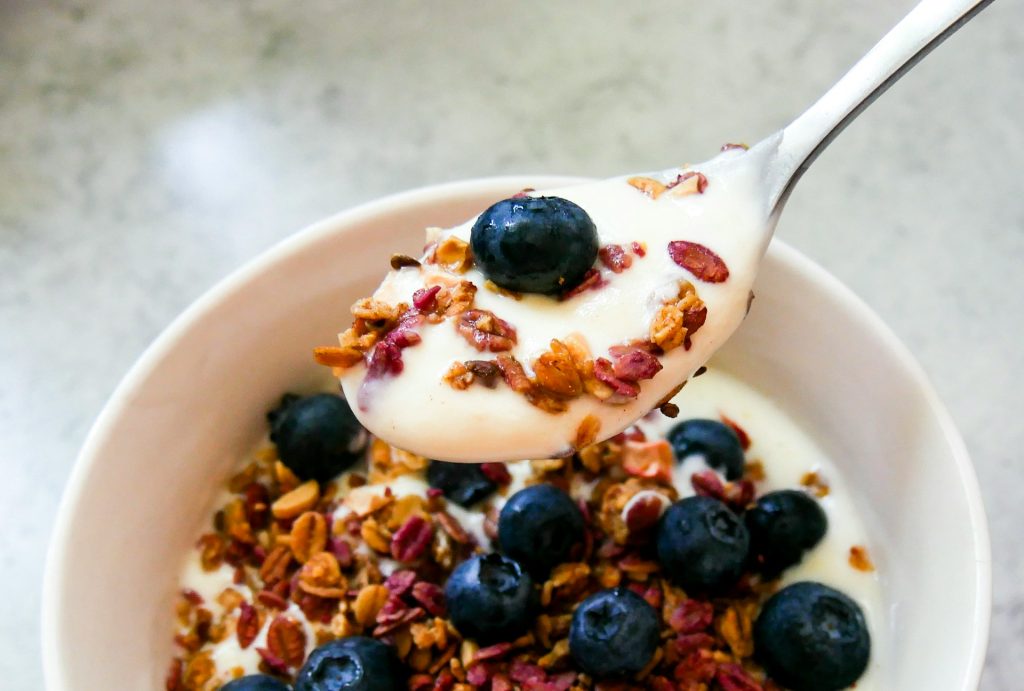
Greek yogurt is a protein source that aids in repairing the muscles, and the berries are a source of antioxidants and fiber. This mixture aids in recovery, enhances digestion, and makes you fuller longer, thus managing the level of calorie intake efficiently.
5. Grilled Chicken with Sweet Potato
Grilled chicken is a source of lean protein; sweet potatoes are a good source of energy recovery as a healthy carbohydrate. The meal contributes to muscle building, energy restoration of glycogen, and maintenance of calories at an optimal level of healthy weight loss.
6. Salmon and Quinoa Bowl
Salmon provides protein and omega-3, which curbs inflammation, whereas quinoa contributes fiber and complex carbohydrates. The combination assists in recovery, heart health, and aids in stable energy levels.
7. Egg and Avocado Toast
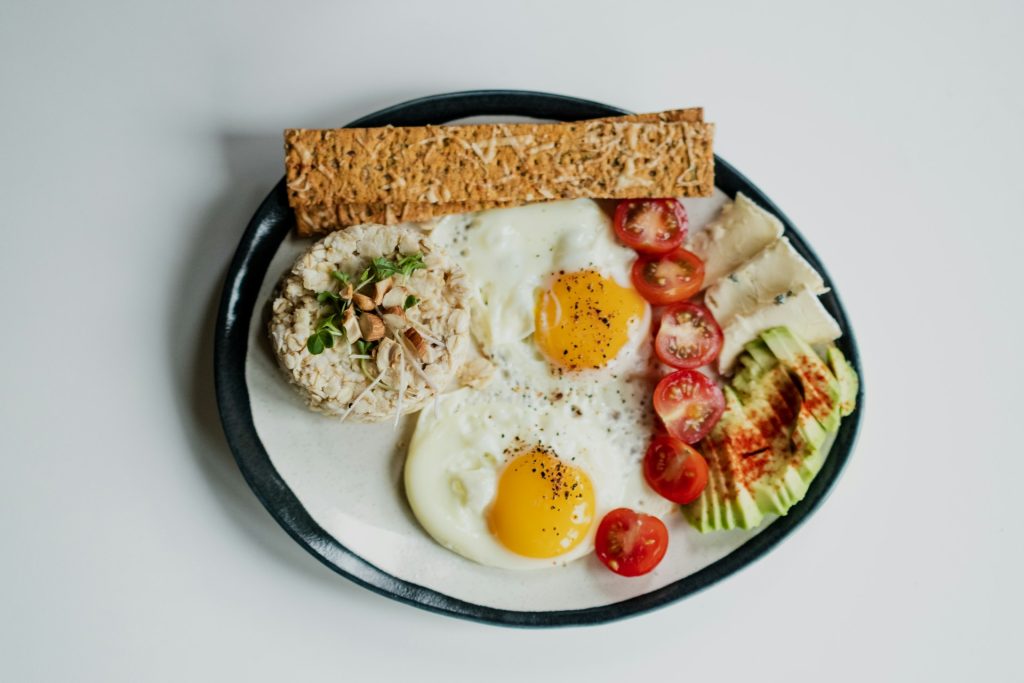
Eggs contain good protein to repair muscles, and avocado contains healthy fats to keep one full. Whole-grain toast provides the meal with fiber, which makes this meal balanced, filling, and weight management-friendly.
8. Tuna Salad on Whole-Grain Crackers
Tuna is also very high in lean protein, which helps to build muscle and to lose weight. Whole-grain crackers are also a source of fiber and stable energy that forms a light, nutritious meal after workouts.
9. Cottage Cheese with Pineapple
Cottage cheese has slow-digesting protein that helps in the repair of muscles. The combination of pineapple and enzymes that are easy to digest, natural sweetness, and refreshing makes this mix fulfilling, refreshing, and useful in losing weight.
10. Chocolate Milk
The chocolate milk offers an equal proportion of protein and carbohydrates, which aid in the recovery of muscles and replacement of energy. It is an easy-to-carry after-exercise beverage that reinvigorates nutrients and decreases the degree of soreness in the muscles.
What not to eat after a workout to lose weight?
1. Energy Drinks or Soda
Soda and energy drinks have a lot of empty calories and sugar. They spike the blood sugar rapidly, fat storage is enhanced, and they contain little nutritive value. These beverages can slow weight loss.
2. Deep-Fried Foods
Unhealthy fats and calories are high in deep-fried foods. They may lead to inflammation, slow down digestion, and decrease the quality of recuperation. The consumption of them post-workouts can offset weight-loss and calorie burning.
3. Refined Carbs
White bread, pastries, and other sweet snacks are refined carbohydrates that are easily digested and cause a rise in blood sugar levels. They do not contain fiber or nutrients, which is why they become hungry soon after eating and may overeat.
4. Very High-Fat Meals
Foods with very high fat require a long period to be digested and slow down the absorption of nutrients. High fat content after exercise can lead to the production of many calories and the minimization of your weight-loss program.
Why nutrition timing matters
1. Carbohydrates
Carbohydrates replenish energy following exercise, replenish glycogen reserves, and aid the functioning of future workouts and recovery.
2. Protein
Protein timing assists in mending muscle tissues, alleviating soreness, and lean muscle growth, as well as fat loss and metabolism.
3. Hydration
Correct hydration keeps the energy levels up, enhances the recovery process, balances body temperatures, and promotes physical activity during and after exercise.
4. Timing
Dining at the appropriate time improves nutrient uptake, maximizes recuperation, regulates appetite, and improves prolonged fitness and weight loss outcomes.
Nutrition tips for every workout
1. Avoid Fads
Do not use extreme diets and popular nutrition plans. Concentrate on moderate, healthy diets, which can contribute to long-term health, stable energy, achievable weight loss, and weight gain.
2. Consider Your Comfort
Make a choice of what your body feels good about. Eat meals that do not make one feel uncomfortable, bloated, or sleepy during workouts to sustain good performance and concentration.
3. Don’t Go Hungry
Working out on an empty stomach may decrease the level of energy and performance. A light meal or snack should be taken to energize your exercise most safely.
4. Hydrate
Adequately hydrate pre, peri, and post exercise. Hydration boosts endurance, aids in recovery, dehydration, and boosts overall performance of the workout.
5. Plan Protein
Protein is necessary to aid muscle repair and recovery, so be sure to include it in your meals. Adequate protein consumption keeps the body lean and promotes healthy fat loss.
Eating and exercise: 5 tips to maximize your workouts
1. Eat a Healthy Breakfast
You should start your day by eating a balanced breakfast that is rich in protein, healthy carbohydrates, and fiber. It enhances the energy level, helps to focus effectively, and helps to improve the levels of performance during the day, in the case of a workout.
2. Watch the Portion Size
Limit intake of portions to prevent over-calories. Consuming the appropriate quantity aids energy requirements, averts excess dining, and aids in preserving a healthy body weight, coupled with making the best out of fitness outcomes.
3. Snack Well
Select healthy snacks such as fruits, nuts, yogurt, or whole grains. Smart snacking does not add unnecessary calories, supplies a constant amount of energy, lessens hunger, and enhances stamina during exercise.
4. Eat After You Exercise
Consume protein and carbohydrates after exercise to help in muscle regeneration and replenish energy. This is because proper post-workout nutrition improves outcomes and muscle soreness.
5. Drink Up
Be hydrated during, before, and after exercise. Water to drink enhances performance, aids in metabolism, avoids dehydration, and allows your body to recuperate effectively after workouts.
Conclusion
Foods post-workout assist in the recovery process, enhance metabolism, and help create a calorie deficit to gain weight loss. Specialize in water, low protein, healthy carbohydrates, and balanced meals. One of the most effective ways of getting sustainable and healthy outcomes is avoiding sugary, fried, and processed foods.