
Discover what a fitness boot camp is, its benefits, workouts, and tips for beginners. High-intensity, group-based training to improve strength, endurance, and mental wellness.
Definition of Fitness Boot Camp
A fitness boot camp is a form of team-based exercise that includes cardiovascular fitness activities, muscular training, agility training, and practical motions. As a copy of military-style training, boot camps aim to push their participants to their limits. They are more about overall fitness, endurance, strength, and flexibility within a short and intensive time frame.
Evolution of Boot Camp Workouts
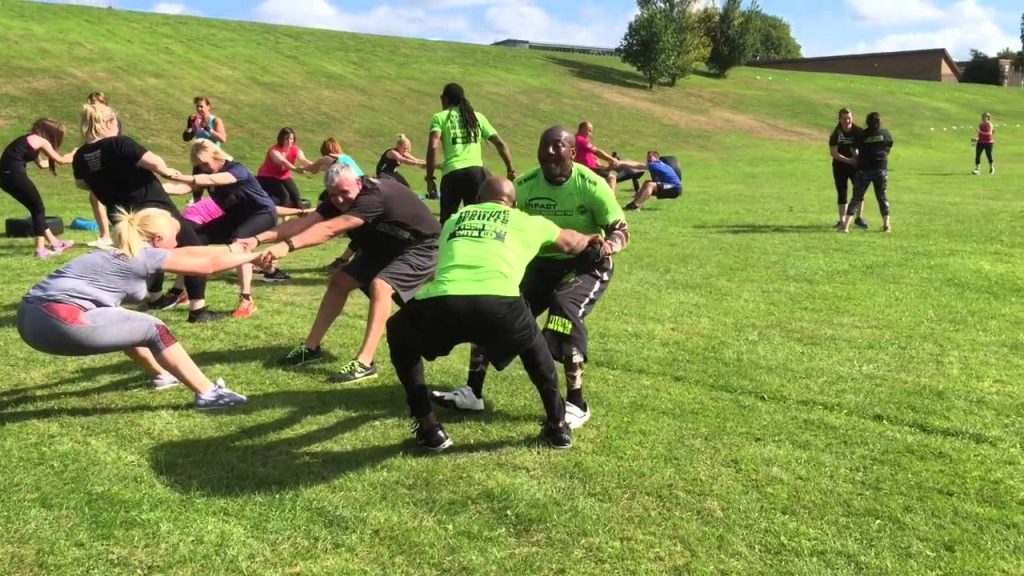
Boot camp exercises, which were initially introduced as military recruits’ workouts, are now civilian workouts. They are currently found everywhere in gyms, parks, and studios, and can be adapted to any level of fitness, from beginner to military intensity. The contemporary boot camps are not only more versatile, safer, and more fun but also physically more demanding.
How Fitness Boot Camps Work
Structure of a Typical Session
The duration of a boot camp session is typically 45-60 minutes and begins with a minute to warm up, after which circuits or cardio and strength work ensue. The sessions are closed by a cool-down and stretching. Participants are led by trainers, and depending on their fitness levels, the intensity and form are changed.
Types of Exercises Included
Cardio Workouts
High-intensity running, jumping jacks, burpees, and sprints are common. Exercises that involve the cardiovascular system (cardio) increase heart rate, burn fat, and increase cardiovascular health.
Strength Training
Bodyweight workout exercises such as push-ups, squats, lunges, and resistance band exercises develop muscle strength and endurance.
Functional Movements
Kettlebell swings, medicine ball throws, and agility exercises can help improve core stability, flexibility, and efficiency with real-life movement.
Types of Fitness Boot Camps
Outdoor Boot Camps
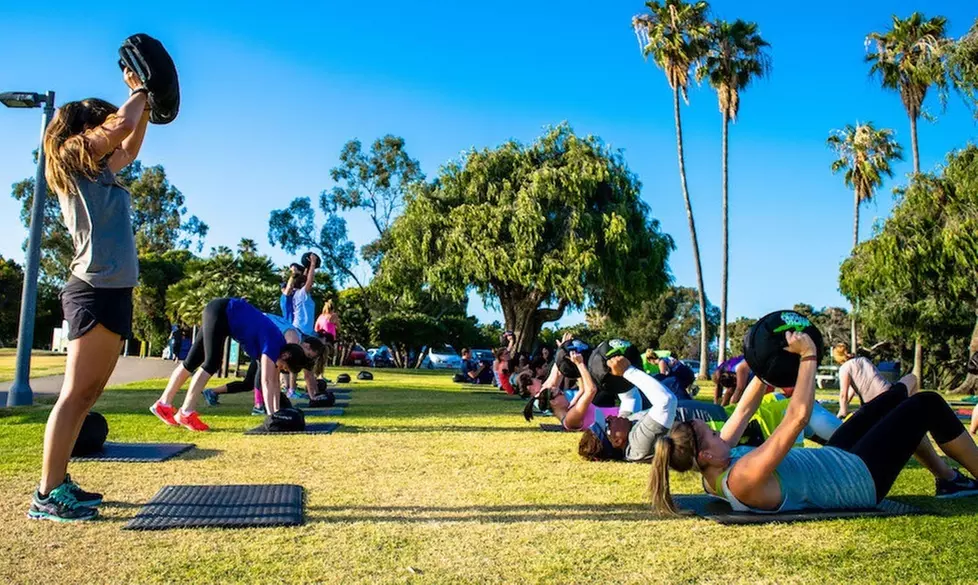
Natural environments such as parks, beaches, and trails are used by outdoor boot camps. Such programs usually include bodyweight exercises, running, and functional training. Natural barriers, diverse landscapes, and fresh air increase physical challenge and stimulation of the mind.
Indoor Boot Camps
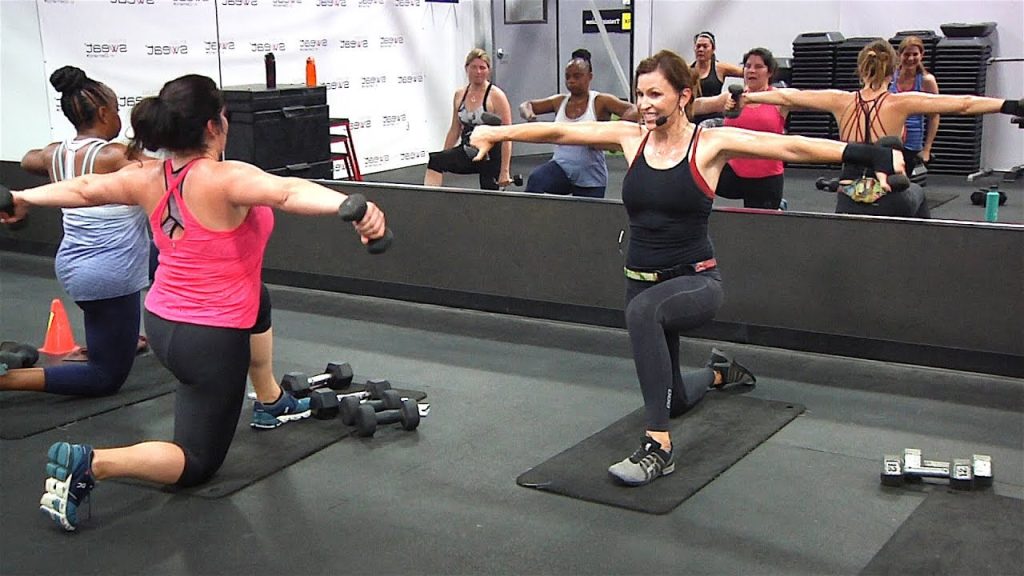
Gyms or studios are used to host indoor boot camps. Resistance bands, kettlebells, medicine balls, and dumbbells are some of the equipment that they tend to use. These are programs that would suit planned workouts that are not influenced by the weather.
Key Features of Fitness Boot Camps
High-Intensity Training
Boot camps focus on high-intensity interval training (HIIT), which is an alternation between stages of active exercise and brief relaxation. The technique effectively increases cardiovascular health, sheds calories, and enhances muscular endurance.
Group-Based Workouts
The teamwork environment creates inspiration, responsibility, and unity. The individuals are compelled to go the extra mile because of the group momentum and instruction of a trainer.
Structured Programs
Boot camps have regulated programs usually consisting of warm-ups, core exercises, circuit exercises, and a cool-down. This is a systematic process that makes growth balanced, and it lowers the chances of overtraining.
Benefits of Fitness Boot Camp
Physical Health Benefits
Frequent attendance at boot camp delivers a healthy heart, greater strength, flexible movement, as well as supporting weight control. Posture and coordination are also enhanced by functional training.
Mental Health Advantages
The intense aspects of boot camp exercise release endorphins, decreasing stress and anxiety as well as depression. The physical obstacles are overcome, enhancing confidence and mental strength.
Social and Motivational Benefits
Team exercises generate a community with support, which helps them to remain consistent. Motivation and long-lasting compliance with the fitness objective are achieved through social interaction and pleasant competition.
Typical Fitness Boot Camp Workout Structure
Warm-Up Session
Warm-up is a good exercise that prepares the body to work hard. It usually involves active stretches, light jogging, or movement exercises to raise heart rate and make injuries less likely.
Core Workout Routine
Circuit and interval training are common in primary exercise. The exercises can be push-ups, squats, lunges, burpees, sprints, kettlebell swings, and resistance exercises. The intensity can be adjusted by the trainers according to the levels of participants.
Cool Down and Recovery
The recovery involves passive stretching, deep breathing, and even foam rolling. This helps in recovery, alleviates muscle pain, and enhances flexibility.
Who Can Join a Fitness Boot Camp?
Fitness boot camp is appropriate for beginners, intermediate, and advanced fitness enthusiasts. The majority of the camps provide alterations to exercises, so the attendees can work at their own rate and still enjoy the gains. Nevertheless, persons with medical conditions or injuries are advised to consult a doctor before adopting a high-intensity program.
What to Expect in Your First Boot Camp
Preparation Tips
Wear comfortable sportswear and footwear, carry water, and come with an open mindset. Mental preparedness helps you make the best of it.
Common Challenges
Novices can be tired, achy, or psychologically scared. Initial challenges are overcome with the help of consistency and appropriate timing.
Essential Equipment for Boot Camp Training
Depending on the program, the equipment can be dumbbells, kettlebells, resistance bands, medicine balls, mats, and cones. The outdoor sessions can be based on very little equipment.
Safety Tips and Injury Prevention
- Warm-up and cool-down exercises.
- The correct form is to be used to prevent strains.
- Keep ahead and pay attention to your body.
- Inform trainers of any medical conditions.
How to Choose the Right Fitness Boot Camp
Take into account the qualifications of the trainers, the intensity of the program, its location, the size of the group, the schedule, and the cost. A trial session and reading reviews can assist in the determination of the best fit.
Common Mistakes to Avoid
- Omission of warm-up or cool-downs.
- Exercising beyond your capabilities.
- Disregard of nutrition or hydration.
- Failure to take rest and recover.
Fitness Boot Camp vs Gym Workouts
Boot camps are characterized by social motivation, high-intensity, and group sessions that are structured at a high level, whereas gym workouts give flexibility, personalized routines, access to machines, and equipment. Integrating the two will produce the best results.
FAQs
Are boot camps suitable for beginners?
Absolutely. Fitness boot camps are targeted at every level, including novices. Trainers act as guides, increase exercises according to abilities, and make sure that participants move in the right direction and without fear.
Can boot camps help with weight loss?
Yes, boot camps might be effective in burning calories, increasing metabolism, and achieving long-term weight loss in combination with proper nutrition habits, as a combination of cardiovascular, strength, and functional training.
Can I do a boot camp if I have injuries?
Yes, however, you have to seek medical advice first. Limitations can be adjusted to fit exercises, and the trainers can make sure that people participate safely without worsening their previous injuries.
Conclusion
Fitness boot camps provide organized, high-intensity exercises that strengthen, build endurance, increase flexibility, and mind resiliency. They can also be used at any level, and they are a combination of cardio, functional moves, and strength training in supportive groups that provide effective results and promote motivation, accountability, and general well-being.
Pingback: Exercise Equipment in Singapore | Gym Equipment Store - Mtech content