Discover fitness bikes: versatile indoor cycling for cardio, weight loss, and muscle strength. Choose upright, recumbent, spin, or air bikes for tailored workouts.
Introduction to Fitness Bikes
A fitness bike is a bicycle that is mainly used for exercise and to stay healthy. Contrary to the mountain bikes that are designed to run on rough trails, road bikes that are designed to run fast and race, fitness bikes are designed to be comfortable, efficient, and versatile on paved parts. Riders usually prefer them as they are reliable and low-impact exercises that can be incorporated into their daily lives.

Evolution of Fitness Bikes
The fitness bikes have developed into advanced machines with digital tracking features, adjustable resistance, and ergonomics as opposed to simple mechanical machines. Primitive models had a simple pedaling style, whereas the contemporary ones are equipped with intelligent connectivity, virtual workout programs, and interactive displays.
Types of Fitness Bikes
Upright Fitness Bikes
The bikes that are upright are similar to conventional bikes and are positioned to provide a natural cycling experience. They are small, convenient in the home setting, and offer a good workout to the heart and to the lower part of the body, such as the quads, hamstrings, and glutes.
Recumbent Fitness Bikes
The recumbent bikes are reclining and have a support on the back. They do not strain the lower back or the joints, which is why they are ideal for users with mobility problems or those who want to exercise with low impact. Although they are milder, they still offer great cardio and leg-strengthening advantages.
Spin Bikes
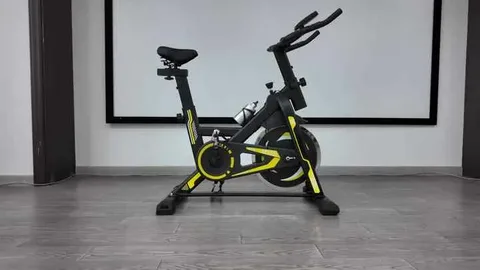
Spin bikes are made to be used in indoor cycling activities that are of high intensity. Characteristics of them include a weighted flywheel, adjustable resistance, and a posture that simulates outdoor road bicycling. Spin bikes are best used in HIIT, endurance training, and calorie-burning.
Air Bikes
Air bikes have a fan as resistance, and with more forceful peddling, the stronger it gets. They involve both the movements of arms and legs, which is a complete body workout. Air bikes can be used in high-intensity interval training (HIIT) and functional conditioning.
Key features of fitness bikes
Lightweight Frame
Lightweight frame fitness bikes are more easily moved, transported, and stored, offering durability, stability, and performance at work to make the process of exercise more comfortable, reacting and responding better, and requiring less physical effort in the process.
Flat Handlebars
The flat handlebars provide a comfortable, upright posture to the riders and ease on the back and wrists, ease the control, and enable a natural grip to have stable, safe, and effective indoor cycling.
Narrow Tires
Narrow tires will have low rolling resistance, which will enable peddlers to have an easy time on them, a quicker speed, and more efficiency. They also enhance balance and maneuvering, which makes them better during a specific fitness or cardio routine.
Multiple Gears
Several gears allow riders to customize their peddling to achieve fitness objectives, recreate the experience of climbing a hill or sprinting, and offer a variety of intensity to achieve a personalized, effective, and challenging cycling session.
Responsive Brakes
Adjustable brakes provide accurate braking force and safety in high-speed or intense exercises, quick adjustments, and control, which provide riders with confidence when riding the fitness bike in the house.
Comfort Enhancements
Strain reduction through the use of padded seats, adjustable handlebars, and ergonomic pedals leads to injury reduction as well as the ability to have a longer and more enjoyable ride, thus making fitness more sustainable and efficient.
Benefits of Using a Fitness Bike
Cardiovascular Health
Fitness bicycling makes the heart stronger, increases the ability of the lungs, and is better circulatory. Frequent meetings will help reduce blood pressure and decrease the chances of cardiovascular diseases.
Weight Loss
Fitness bikes are useful for burning calories. Regular cycling, supported by a healthy diet, can be used to reduce abdominal fat in the body.
Muscle Strengthening
Riding a fitness bike conditions and makes muscles in the legs, glutes, and core tight. Air bikes also involve using the arms and shoulders, which also provide a complete body workout for strengthening.
Low Impact Exercise
Fitness bikes offer the benefits of cardiovascular and strength training without the high impact of an exercise like running or jumping. They are the best to use by individuals with joint complications or those who are recuperating.
How to Choose the Right Fitness Bike
Budget Considerations
There are fitness bikes that are cheap domestic products and expensive commercial-quality machines. Identify your budget, keeping in consideration features like type of resistance, display features, and durability.
Space Requirements
The upright bikes are small, whereas the recumbent and spin bikes take up more space. Measuring the available space is to make sure that you have plenty of room to move freely around the bike.
Fitness Goals
Depending on your objective, which can be weight loss, HIIT, endurance, or low-impact exercise, you should choose it. Spin and air bikes are used for strenuous exercise, whereas upright and recumbent bikes are used for general fitness and rehabilitation.
Cons of Fitness Bikes
- Not ideal for rough off-road terrain – Fitness bikes are designed to be used in flat areas, and thus riding on rocky tracks or areas with rough surfaces can prove to be uncomfortable, unsafe, and also could affect the components of the bike in the long run.
- Less aerodynamic than road bikes – Slower and less aerodynamic than road bikes because of their sitting posture and larger tires, fitness bikes provide more wind resistance and hence less speed and efficiency than road bikes that are streamlined.
- Can be more expensive than basic hybrids – Advanced, lightweight frame, and quality parts can be more costly, and it can also make fitness bikes more expensive than simple hybrid or commuter bicycles, without adding features.
Best Workouts on a Fitness Bike
HIIT Cycling
Alternate exercise periods of intense peddling and recovery periods. HIIT enhances the fitness of the heart and fat burning.
Endurance Training
Run steadily during extended periods of time to enhance stamina, heart condition, and muscle endurance.
Interval Sprints
Do short, fast changes of gears, then proceed with slower pedaling so as to achieve power, speed, and calorie expenditure.
Resistance Climbing
Simulate hills by pushing harder when riding, making the legs, glutes, and general performance and stamina on a bicycle stronger.
Maintenance Tips for Fitness Bikes
- Always wipe down after every use to avoid corrosion from sweat.
- Check and loosen screws and bolts.
- Apply lubrication on chains or flywheels, as needed.
- Check digital displays and resistance mechanisms after some time.
Safety Tips While Using Fitness Bikes
- Checks on seat and handlebar height.
- You should warm up before you engage in rigorous exercises.
- Wear special cycling shoes or supportive shoes.
- Keep yourself hydrated and do not overdo it.
Fitness Bike vs Traditional Bicycle
Key Differences
- Fitness bikes are fixed; traditional bikes are portable.
- Adaptable resistance against land-based effort.
- Comfort of the indoors vs. the outside.
Which One Should You Choose?
Select an indoor, controlled workout with the use of a fitness bike and a traditional bicycle with dynamic outdoor cycling. A few of these fans combine the two to train in variety.
Conclusion
Fitness bikes provide llow-impact versatile workouts that enhance cardiovascular health, calorie burning, and muscle strength. The indoor cycling provides a variety of bikes, including upright, recumbent, spin, and air bikes, allowing users to customize the sessions to their fitness needs, making it effective, convenient,nt and accessible to all.