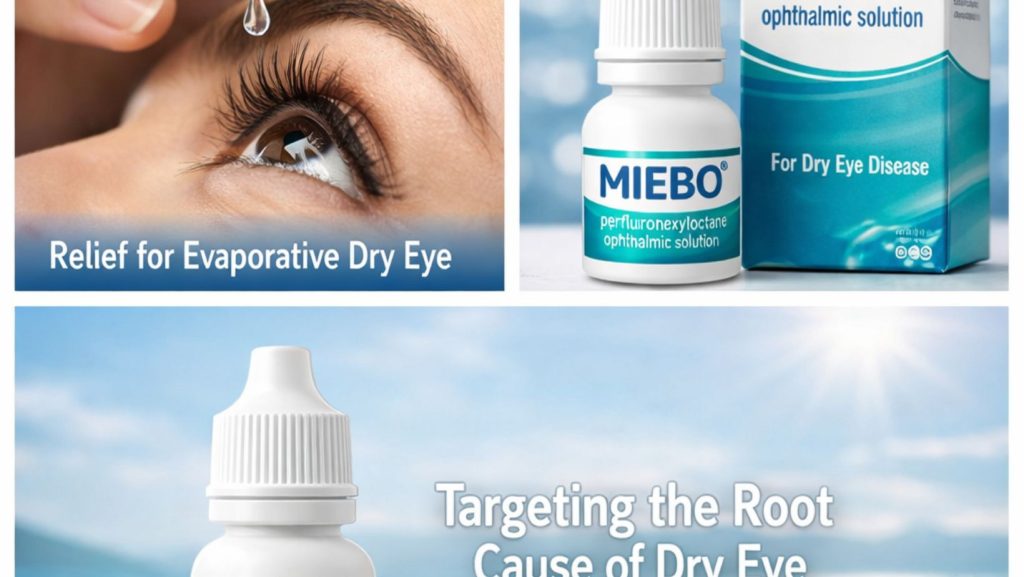
Discover Miebo eye drops for evaporative dry eye. Long-lasting relief, tear film stabilization, and reduced irritation for healthier, more comfortable eyes.
Introduction to Miebo Eye Drops
Millions of individuals worldwide are affected by dry eyes, which makes them uncomfortable, irritated, and even blind in some cases. Conventional therapies like artificial tears are used to treat the symptoms but not the cause of some forms of dry eye. Miebo eye drops are also becoming a potential solution, particularly for evaporative dry eye syndrome, which will provide more lasting relief and support eye health.
Understanding Dry Eye Syndrome
Dry eye syndrome is the result of the lack of sufficient production of tears by the eyes or the rapid evaporation of them. The symptoms are burning, stinging, redness, and the presence of grit or sand in the eyes. These symptoms may be worsened by environmental factors, aging, screen use, and some medical conditions.
What Is Miebo and How Does It Work?
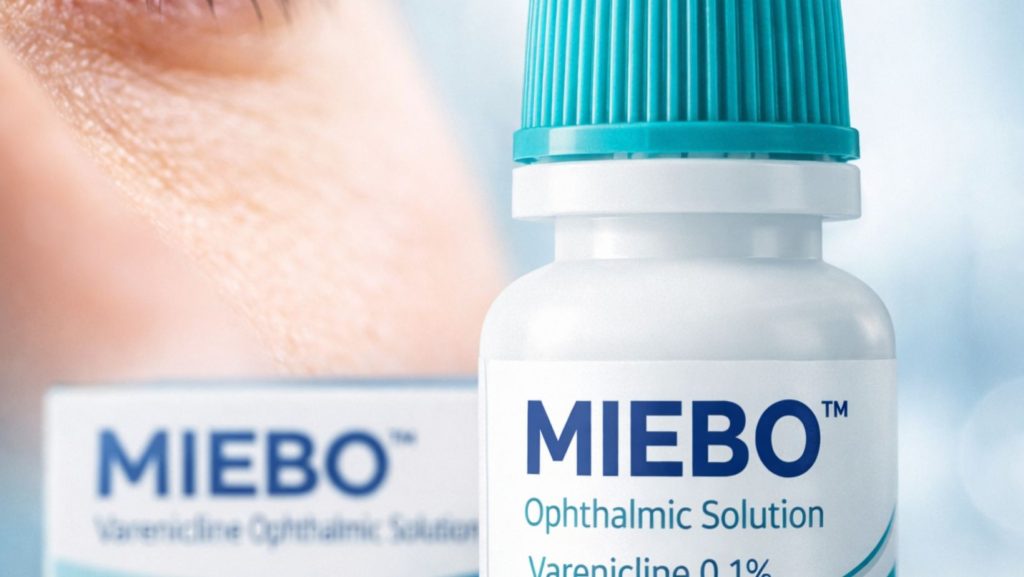
Miebo is a special eye drop that is used to treat evaporative dry eye as a result of meibomian gland dysfunction (MGD). These glands secrete lipids that do not allow the tears to evaporate too fast. Tears dry out when they are defective, causing irritation and drying.
Benefits of Using Miebo
Long-Lasting Relief
Miebo offers a long-lasting relief to the irritated and dry eyes and makes the user feel comfortable, and in most cases, longer than traditional eye drops.
Improved Tear Stability
Miebo helps to stabilize the tear film, which keeps the eye surface moist and ensures the stability of comfort and moisture during the whole day.
Reduced Eye Irritation
Miebo prevents the evaporation of tears and consequently, helps to eliminate redness, burning, scratchy sensations, keeping eyes relaxed, cool, and comfortable even when using the screen or in dry conditions during long hours.
Side Effects of Miebo (Perfluorohexyloctane)
Common Side Effects
- Blurred Vision (1–3%) – There might be temporary blurred vision in some users immediately after using Miebo drops. This normally clears up fast and does not show long-term damage to the eyes.
- Eye Redness (1–3%) – A few percent of patients complain of mild eye redness. This irritation is usually short-lived and usually disappears as your eyes get used to the treatment with repeated applications.
Less Common Side Effects
- Eye Pain – Uncommonly, patients experience some slight pain or a stinging sensation in the eye when taking Miebo. It tends to resolve rapidly and seldom needs to be stopped.
- Eye Discharge – Sometimes, users can experience some discharge in the form of watery or slightly sticky discharge following the use of Miebo. This is not common and is not normally severe; chronic discharge is to be considered by an eye care professional.
Pros and Cons of Miebo (Perfluorohexyloctane)
Pros
- Preservative-Free – Miebo does not have any preservatives, making it less likely to irritate, and it is safer to use in the long term, particularly in patients with sensitive eyes or long-term dry eye problems.
- Minimal Side Effects – Miebo is well-tolerated by most users with only mild or short-term effects occurring. It is not a very risky therapy because it rarely causes serious side effects, and in managing dry eye disease, it is a safe therapy.
- Room Temperature Storage – Miebo could be kept at room temperature, which is very convenient for transporting or using every day without concerns about the need to refrigerate it.
Cons
- Frequent Application Required – The drops must be used four times a day to be the most effective. This can be inconveniencing to users who are busy or have on-the-go lives.
- Limited Safety Data for Children – Safety and efficacy of Miebo in children have not been determined, so its use is not recommended without professional advice.
- Potential for Blurred Vision and Redness – Certain users might experience blurred vision or mild eye reddening following application. These are typically not long-lasting side effects, but can lead to temporary discomfort.
Who Should Use Miebo?
Ideal Candidates
Miebo can especially be recommended to people with:
- Evaporative dry eye due to MGD
- Excessive screen time or computer use.
- Continued dryness with frequent eye drops.
Who Should Avoid It
Individuals allergic to perfluorohexyloctane or with eye issues are advised to seek medical advice from an eye doctor before taking Miebo.
Miebo vs Other Dry Eye Treatments
Artificial Tears Comparison
Miebo is also able to restore the lipid layer of the tear film, unlike artificial tears, which merely increase tear moisture, providing evaporative dry eye relief that is more long-term.
Prescription Alternatives
Prescription medications as cyclosporine or lifitegrast, help to manage inflammation, but they might not help with a deficiency of the lipid layer. Miebo is used to complement these therapies by stabilizing the tear film.
How to Use Miebo Properly
Dosage and Application Instructions
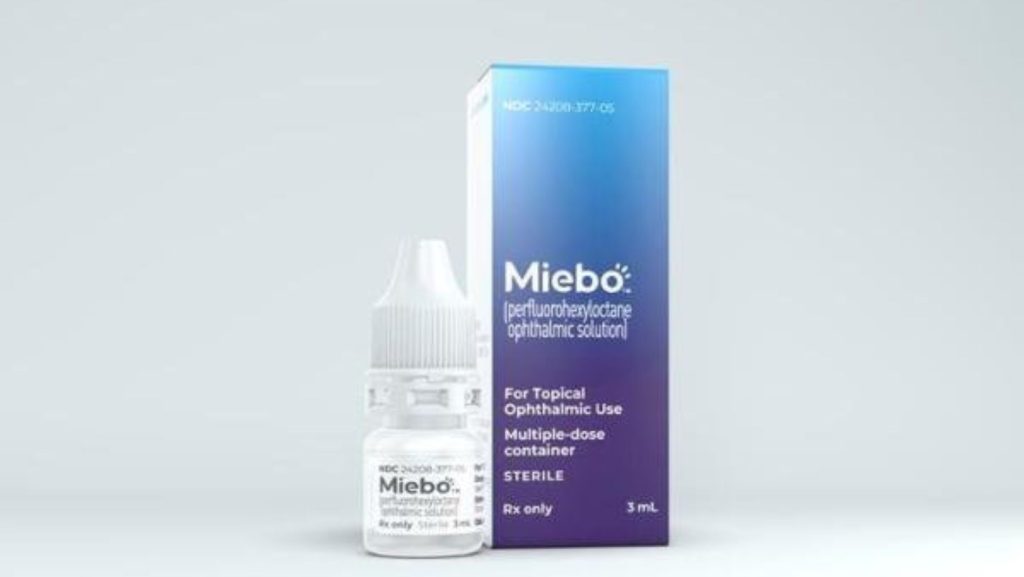
Miebo is usually used through direct application of a small drop of a unit-dose vial on the surface of the eye. The main points of usage are:
- Wash your hands and apply.
- Draw your head back and draw down the lower eyelid.
- Put in one drop per eye.
- Temporarily close your eyes to give the liquid time to spread out.
Take as frequently as recommended by your doctor, but it can vary depending on the severity of symptoms.
When Doctors Recommend Miebo
Miebo is usually prescribed by ophthalmologists and optometrists when:
- Conventional lubrication is not sufficient to offer comfort.
- One of the major contributors is the evaporation of the tear film.
- Patients seek longer‑lasting relief with fewer applications
To ensure that Miebo is right, a qualified eye care professional should examine him/her.
Tips for Maximum Effectiveness
For best results:
- Take Miebo on a regular schedule every day.
- Touching the tip of the vial must be avoided in order to avoid contamination.
- Store according to the instructions, usually at room temperature and not in direct sunlight.
Role of Miebo in Modern Ophthalmology
Miebo has proven to be a significant alternative to patients with evaporative dry eye, particularly those patients whose symptoms remain despite conventional treatment. Its exclusive mechanism offers clinicians a new instrument to enhance the quality of life of millions of people who suffer from chronic dryness.
FAQs
Is Miebo the same as regular eye drops?
No, Miebo operates differently, creating a protective layer and minimizing tear evaporation, rather than merely providing temporary moisture.
Is it safe for children?
The safety of Miebo in children below 18 years has not been determined, and therefore, adults should only use it under the supervision of a doctor.
How soon will Miebo help?
Patients may experience improvement within approximately two weeks, though to achieve maximum relief, they have to use it daily.
Conclusion
Miebo is a radical treatment of evaporative dry eye that stabilizes the tear film and offers a long-term remedy. It is safe, preservative-free, and effective, which complements traditional therapies. Miebo is ideal for patients with persistent dryness; it helps them improve the comfort of their eyes, decrease the level of irritation, and improve their quality of life daily.