
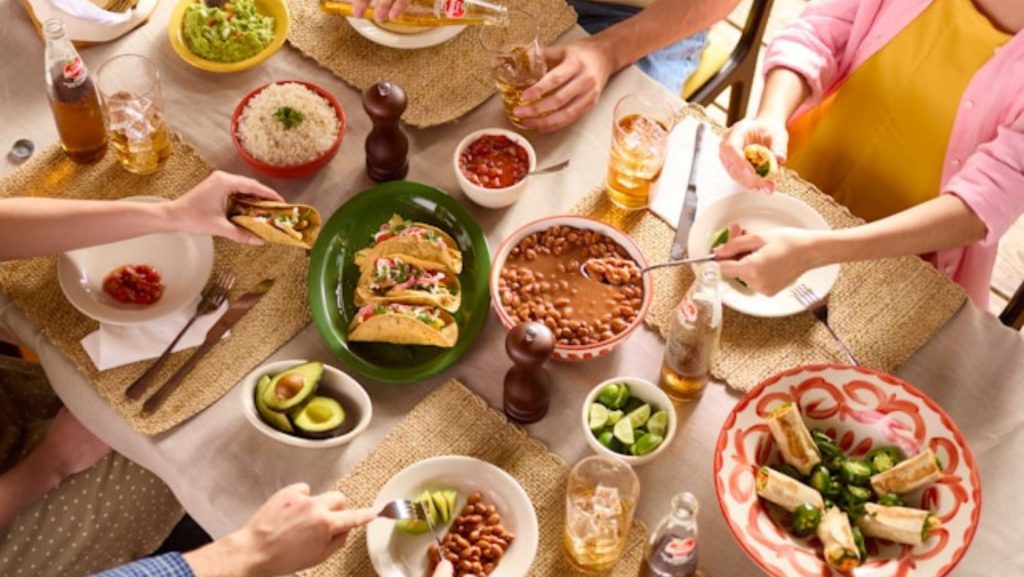
Explore what Mexican foods are: traditional dishes, key ingredients, regional flavors, health benefits, and the rich culture behind Mexico’s globally loved cuisine.
What are Mexican Foods?
Mexican cuisines are a colorful and multi-faceted expression of the rich Mexican cuisine. Mexican dishes are distinctive with their audacious tastes, colorful presentation, and a blend of both fresh and cooked dishes that are celebrated across the globe in terms of taste and culture. Mexican cuisine is an appetizing embodiment of tradition, history, and creativity, out of tacos and tamales, spicy salsas and fragrant herbs.
The Origins of Mexican Foods
Mexican foods go back thousands of years to the ancient civilizations of Mesoamerica, the Aztecs, and the Mayans. Their diet was based on staples like corn, beans, and chili peppers. In the 16 th century, when the Spanish conquistadors came, they introduced European foods such as cheese, rice, and pork, which mixed with the native foods to form what we call Mexican food today.
Ingredients Used In Mexican Food
Avocado
Avocados contribute to the texture and healthy fats of guacamole and toppings, adding a creamy, wholesome flavor to most Mexican cuisine, such as tacos and salads.
Salsa Verde
Salsa verde is made of tomatillos and green chilies to create a tangy, spicy sauce that is used to accompany meats, tacos, and enchiladas in Mexican food.
Rice
Rice is commonly prepared with spices, vegetables, or tomato sauce and is a common side dish served in Mexican cuisines, adding texture, flavor, and balance to the main meals.
Beans
Protein foodstuffs include beans, e.g., black or pinto. They are eaten in soups, refried beans, or burritos, and are an essential part of Mexicans.
Corn
Corn is a basic ingredient; it is used in tortillas, tamales, and soups. It contributes to the natural sweetness, texture, and cultural authenticity of traditional Mexican foods.
Tortilla Wraps
Corn or flour tortillas are soft and can be used in tacos, burritos, and enchiladas, where they can contain the fillings and add a touch of flavor at the same time.
Chilies
Mexican food is characterized by the use of chilies that provide it with its spiciness and richness. They may be fresh, dry, or powdered and are consumed in sauces, salsas, or marinades.
Tomatoes
Salsas, sauces, and stews are made with tomatoes. They not only provide natural sweetness, acidity, and color, but also add flavor and color to dishes.
Cheese
Cheese adds creamy texture and richness. Such types as queso fresco or Oaxaca are wonderful melting cheeses that are used in enchiladas, tacos, and other typical Mexican dishes.
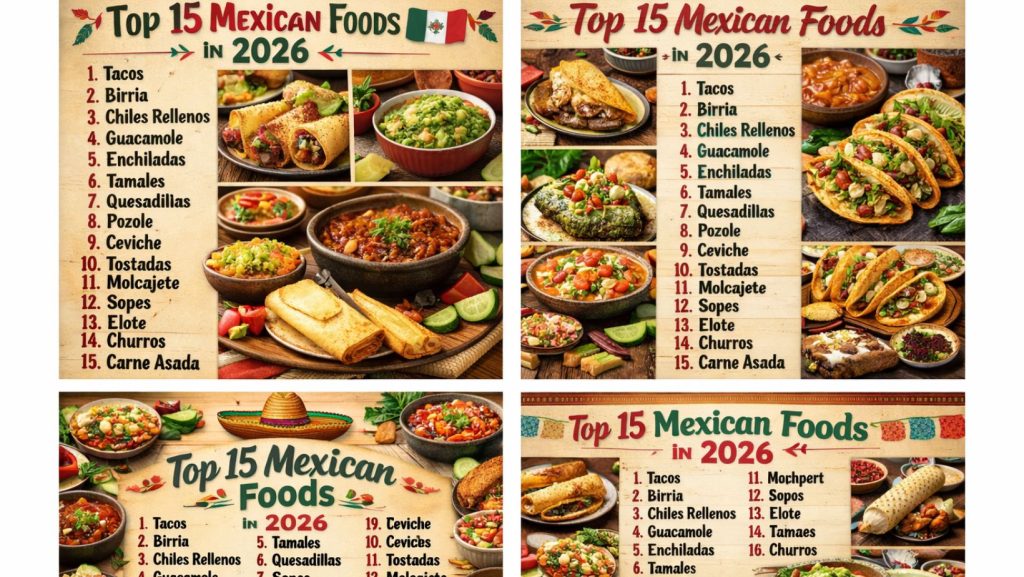
Top 15 Mexican foods in 2026 April
Here are the following Top 15 Mexican foods in 2026 April
Burrito
A huge flour tortilla is filled with rice, beans, meat, cheese, and vegetables. Burritos are hearty, carryable, and provide a blend of savory, spicy, and fresh flavors, which is ideal for a hearty meal.
Enchilada
Filled with meat, beans, or cheese, rolled and baked in chili sauce. Enchiladas are full of flavor, hearty, and offer a comforting, traditional Mexican meal with just the right amount of spice and texture.
Burrito Suizo
Burrito with melted cheese or creamy sauce, making it Swiss-style. It is a mixture of traditional burrito fillings and a decadent, delicious taste, and is ideal for lovers of cheesy food.
Molé
A Mexican classic sauce consisting of chili peppers, chocolate, and spices, commonly used on meats. Molé is rich in flavor, complex, and at the same time sweet, savory, smoky, and a touch spicy.
Chalupa
Half-baked, stuffed tortilla shell with beans, meat, cheese, and fresh toppings. Chalupas are crunchy on the outside, tender on the inside, and are a tasty, handheld Mexican snack or light meal.
Chimichanga
A meat, cheese, or bean-filled deep-fried burrito. Chimichangas are crispy on the outside and soft on the inside, and are usually served with sour cream, salsa, or guacamole to add more flavor.
Chipotle
A dried jalape pepper that has been smoked and is used in sauces, marinades, and seasonings. Chipotle is a spicy, smoky, and slightly sweet addition to all sorts of Mexican cuisines to add flavor and aroma.
Churro
A pastry made of fried dough sprinkled with sugar and cinnamon. Churros are crispy on the outside and soft on the inside, and are usually served with a dip into chocolate or caramel, which makes them a very popular sweet dish throughout Mexico.
Taco
A folded or rolled tortilla with meat, beans, cheese, salsa, and vegetables. Tacos are multi-purpose, delicious, and one of the most famous dishes of Mexican cuisine that has countless variations to meet any taste.
Gordita
A fat, mushy tortilla filled with beans, meat, cheese, or veggies. Gorditas are hearty, filling, and typically fried or grilled, an experience of satisfying, filling, and traditional Mexican meal.
Taquito
A tiny, round tortilla stuffed with meat, chicken, or cheese and fried. Taquitos are crispy, spicy, and are usually used to make appetizers, snacks, or even treats at party time in Mexican cuisine.
Huarache
An oblong, thick masa base topped with beans, meat, cheese, salsa, and vegetables. Huaraches are called so because of their shape, similar to a sandal, and this is a tasty, hearty, and customary Mexican dish.
Quesadilla
Folded or grilled tortilla stuffed mostly with melted cheese, occasionally with meat or vegetables. Quesadillas are easy to make but are satisfying, cheesy, and common as snacks or light meals in Mexico.
Tamale
Masa dough stuffed with meat, cheese, or vegetables and wrapped in corn husks and steamed. Tamales are classic, delicious, and commonly prepared during holidays, festivals, and special family occasions.
Cemita
A Puebla sandwich consisting of a sesame-seed bun, meat, avocado, cheese, and chipotle. Cemitas are healthy, savory, and full of flavors, and provide a fulfilling experience of Mexican street-food.
Regional Varieties of Mexican Foods
Mexican foods are characterized by regional diversity, and every region has its own flavors and delicacies.
Northern Mexico Cuisine
Northern Mexico focuses on grilled foods, cheeses, and foods made of wheat, including flour tortillas and beef-based foods.
Southern Mexico Cuisine
Corn, tropical fruits, and moles are the priorities of Southern cuisine. Foods tend to be more plentiful, more spicy, and with complicated sauces such as mole poblano.
Why Mexican Food is Loved Worldwide
Mexican food is popular because of its spicy taste, colorful food materials, and comforting dishes. Every dish has its story, starting with tangy salsas to spicy meats and fresh vegetables. Mexican food has become a worldwide hit, influencing a multitude of restaurants and hybrid cuisines.
Health Benefits of Mexican Foods
Mexican food does not have to be unhealthy, as some stereotypes suggest, since it can be prepared using fresh food. Corn and beans are sources of fiber and protein, chili peppers help increase metabolism, and fresh vegetables are sources of vitamins and antioxidants. Nutrients are also preserved through traditional cooking techniques such as steaming the tamales or grilling the meat.
Mexican Foods and Cultural Significance
The culinary traditions of Mexico establish strong connections to its cultural heritage, its festive celebrations, and its customary practices.
Family recipes that have been handed down through the generations are used to prepare special dishes that people make for holidays such as Dia de los Muertos (Day of the Dead) and Independence Day. In Mexican culture, food represents community bonds together with ancestral heritage and festive occasions.
How Mexican Foods Have Influenced Global Cuisine
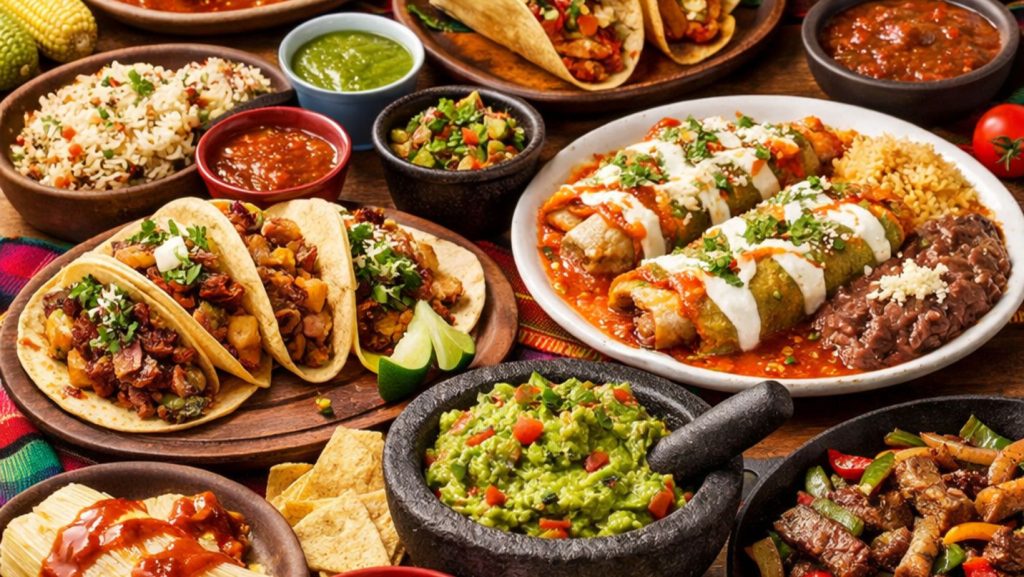
Chefs and home cooks across the world have developed new cooking styles that stem from Mexican culinary traditions.
Tex-Mex and burrito bowls and taco salads demonstrate how chefs create new dishes through their combination of traditional Mexican food elements. Mexican restaurants now operate as common dining establishments throughout major metropolitan areas in every country worldwide.
FAQs
Are Mexican foods spicy?
Some Mexican foods use chili peppers. However, they do not make dishes particularly spicy, depending on their variety and region. Some types of chili peppers may contain seeds, adding extra spiciness.
Are Mexican foods healthy?
Yes, many Mexican foods are healthy. Traditional Mexican dishes usually involve beans that are rich in fiber, vegetables, meats, and healthy fats like avocados.
Can Mexican foods be vegetarian?
Yes, many Mexican dishes are appropriate for vegetarians. Some of those dishes might include beans and other vegetables or cheeses only.
How can I enjoy authentic Mexican foods at home?
Make sure you use new products such as fresh tortillas, fresh chilies, beans, and spices. Adhere to traditional methods of preparation and refrain from processed alternatives.
Conclusion
Mexican foods present a lively combination of different flavors and visual elements, and cultural traditions. The Mexican culinary tradition showcases its historical, geographical, and cultural diversity through its dishes, which include tacos and tamales, mole, and churros. The experience of these dishes leads to a tasty exploration of authentic, healthy, and internationally popular dishes.