

Discover popular local foods around the world, their benefits, and why fresh regional eating supports health, farmers, and the environment. Explore and enjoy!!!
Introduction to Local Foods
Today, local foods are gaining a lot of popularity as people desire fresh, healthy, and natural food. A lot of individuals have shifted towards foods that are locally produced instead of imported goods that have to be transported over long distances. Local foods do not simply involve eating; they also bring people together, empower the farmers, and ensure the environment is safe.
Meaning of Local Foods
Foods produced, sold, and grown near your residence are known as local foods. These foods are normally sourced locally from local farms, villages, or small local producers. They do not travel far or go through numerous storage systems.
These are some of the local foods:
- Local farms and fresh fruits and vegetables.
- Local dairy milk and dairy products.
- Local meat, eggs, and poultry.
- Small-scale or homemade food products.
Simple Definition for Beginners
Local foods, in simple terms, are those foods produced in and around your locality and sold straight out in your local markets or shops. They are new, seasonal, and tend to be more natural than packaged imported foods.
7 Fantastic Benefits of Eating Local
1. Local food is very fresh
Local food is very fresh as it is grown locally and is delivered to consumers within a short time. It does not require any long transportation or storage; hence, it retains the natural taste, texture, and nutrients.
2. Local food is often more nutritious
Local food is usually healthier since it is harvested at optimal maturity and consumed in minimal time, which does not require long storage or the use of preservatives, helping preserve these vitamins and minerals and natural goodness.
3. Eating local is an opportunity to try new foods
Dining local is a chance to experience new foods since each region has local foods, seasonal fruits and vegetables, regional dishes, and flavors that are not readily found elsewhere.
4. Purchasing local food benefits the environment
Buying local food is more advantageous as the transportation distance is minimized, and this will reduce fuel consumption, carbon emissions, and packaging waste, which will conserve nature and promote sustainable living systems in the whole system.
5. Eating local supports your regional economy
Eating local helps your local economy, as the money you keep in the community assists farmers in obtaining a good income, provides employment, and builds up local businesses and local markets to enable them to grow in the long term.
6. Eating local teaches you how your food is grown
Dining local will teach you how your food is produced since you will be associated with farms and farmers’ markets that will guide you through the planting and harvesting seasonal cycles and sustainable farming techniques on a more personal level.
7. Eating local is remarkably easy
Local food is exceptionally accessible since local markets are close at hand, seasonal foods are easy to locate, and you can purchase fresh foods every day without all the logistics planning or effort involved.
Is Local Food Healthy?
Yes, local food is better frequently, as:
1. Freshness
Local foods are harvested fresh and sold soon to retain many of the nutrients and to remain healthy for your body.
2. Fewer chemicals
Local small farms utilize fewer chemicals and preservatives that make food safer, cleaner, and healthy to all ages.
3. Better Taste
Fresh food is more delicious as it is not stored for a long time, and this keeps the natural flavor and richness of food.
4. Seasonal Eating
Local food is in step with the natural season; hence, consume fresh foods at the appropriate time and experience the benefits of a balanced diet and health.
Popular Local Foods Around the World
Each nation possesses unique local foods that are culturally, climatically, and traditionally determined. These are foods that demonstrate the identity of a place and are popular among both locals and tourists. The following are some of the most famous local foods of various regions in the world.
🇲🇽 Mexico – Rich and Spicy Local Food
The local food in Mexico is characterized by bold and spicy flavors, with a rich taste, colorful dishes, and traditional recipes that often feature corn, chili, beans, and other cultural ingredients.
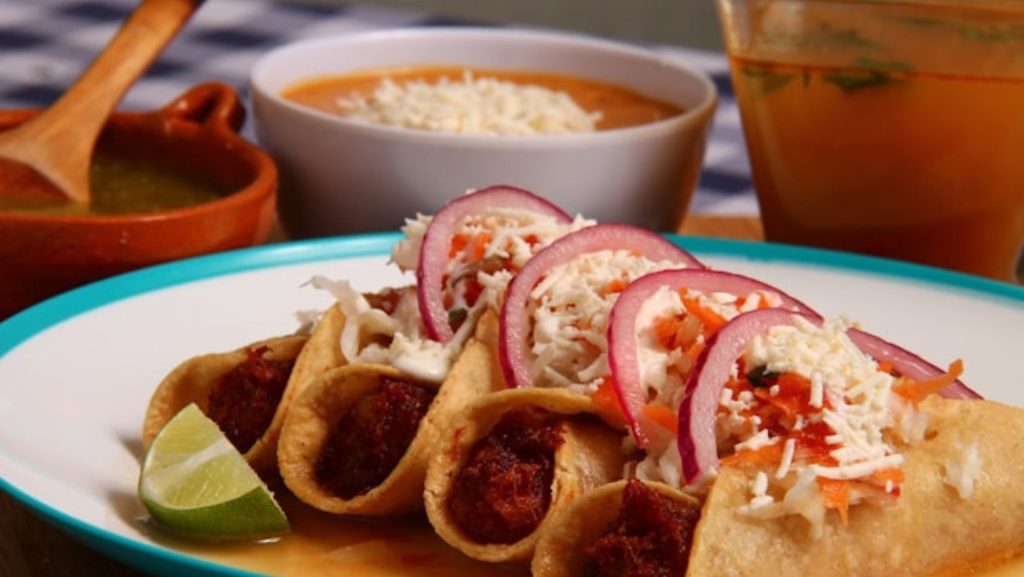
1. Tacos
Tacos are tortillas stuffed with meat, beans, or vegetables, which are a fast, delicious, and popular traditional Mexican street food.
2. Tamales
Tamales are corn dough stuffed with meat or cheese, wrapped in leaves, and then cooked by steaming, which makes them soft-tasting and delicious traditional Mexican food.
3. Enchiladas
Enchiladas are tortillas stuffed with fillings and topped with hot chili sauce to provide a rich flavor and intense traditional Mexican taste.
4. Mole
Mole is a rich sauce made of chili, spices, and chocolate, which is served to add complex flavour to Mexican foods.
🇮🇹 Italy – Simple but Flavorful Cuisine
Italy boasts simple, fresh, and delicious foods that are enjoyed globally due to its traditional cooking and abundance of cultural food traditions.
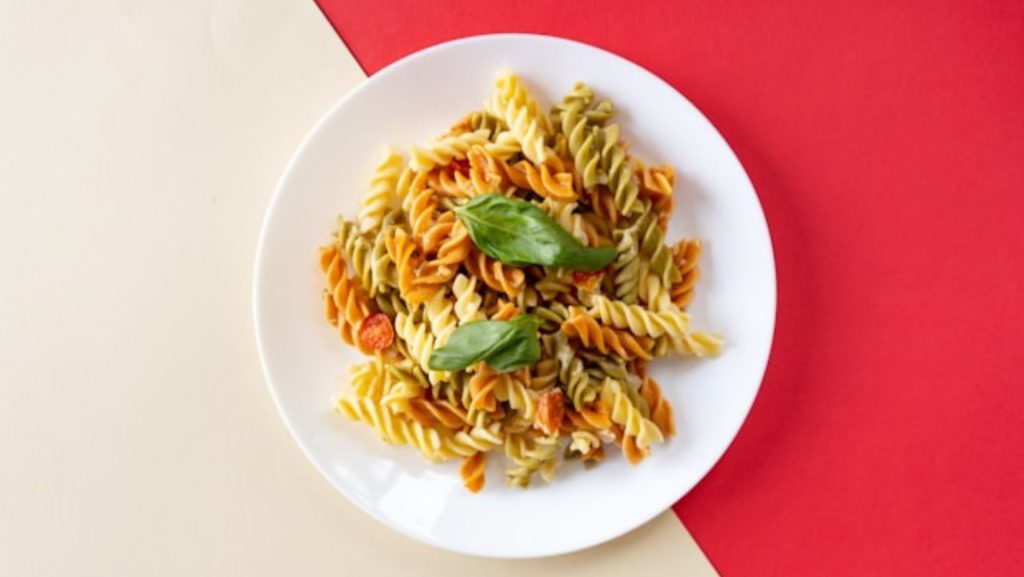
1. Pasta
Pasta is a well-known dish in Italy, which has numerous forms and is served either with tomato sauce or cream sauce, and is popular as a traditional staple food all over the world.
2. Pizza
Pizza is a flatbread with cheese, vegetables, or meat, and it originated in Italy and is consumed the world over as a fast food meal.
3. Gelato
Gelato is Italian milk-based ice cream sweetened with sugar and flavors that is smoother than other ice cream desserts.
4. Risotto
Risotto is slow-cooked creamy rice cooked in broth, butter, and cheese, which provide a rich texture and a comforting meal of traditional Italian cuisine.
🇯🇵 Japan – Healthy and Artistic Food Culture
Japan is known to have clean, well-balanced, and beautifully served foods that emphasize freshness, health, and natural flavors.
1. Sushi
Sushi refers to rice mixed with raw fish or seafood, which is commonly served in the company of seaweed, soy sauce, and wasabi as a traditional cuisine.
2. Ramen
Ramen is a noodle soup with tasty broth, meat, eggs, and vegetables, which is eaten as a warm and comforting meal in Japan and as street food.
3. Bento
Bento is a take-out box, packed with rice, meat, fish, and vegetables, to be eaten in one day and to be balanced.
4. Tempura
Tempura are light-frying foods that are made out of seafood or vegetables covered in thin batter, providing a crispy bite but keeping food light and fresh.

🇵🇰 Pakistan – Spicy and Traditional Cuisine
Pakistan is known to have rich, spicy, and traditional cuisines, which are characterized by strong culture and daring tastes.
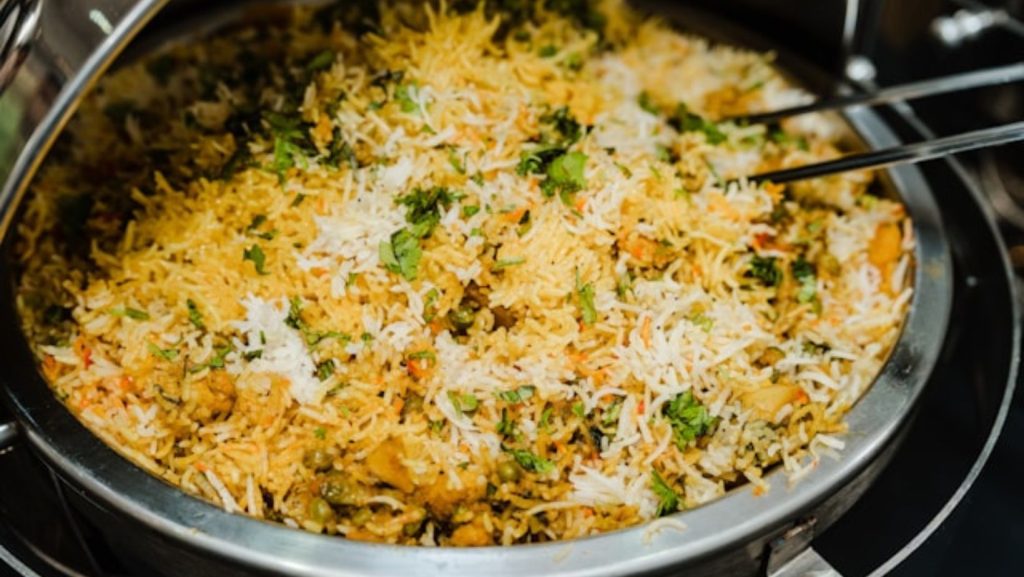
1. Biryani
Biryani is spicy meat and rice, cooked with spices and herbs, and layered to provide richness and served as a favorite festive meal.
2. Seekh Kebab
Seekh kebab, a mixture of minced meat, spices, and grilled on a skew,, er provides a smoky, juicy, and tasty traditional flavor.
3. Nihari
Nihari is a slow-cooked meat curry that is cooked overnight and forms a rich and thick gravy, usually served with naan or bread before breakfast.
4. Naan
Naan is a light and airy bread cooked in a clay oven, usually accompanied by curries and eaten every day in Pakistani cuisine.
🇫🇷 France – Elegant and Classic Food
France is characterized by sophisticated and elegant food, which is aimed at luxurious taste, quality of ingredients, and traditional cooking techniques.
1. Croissant
Croissant is a pastry that is made of butter and flakes, baked to a golden color, and is taken as breakfast with coffee or jam in France.
2. Cheese varieties
The country has numerous regional cheeses that are of varying textures and flavors, produced using cow, goat, or sheep milk.
3. Coq au Vin
Coq au Vin is a traditional French dish that is a slow-cooked chicken in a wine sauce, cooked with herbs, mushrooms, and onions.
4. Baguette
A baguette is a long, crispy bread whose interior is soft and is usually consumed daily in France during meals or with cheese.

🇹🇭 Thailand – Sweet, Sour, and Spicy Balance
Thailand is known for having bold and aromatic food, which is well-balanced in sweet, sour, salty, and spicy flavors in each dish.
1. Pad Thai
Pad Thai is a stir-fried noodle dish cooked with eggs, tofu, shrimp, peanuts, and a sauce; it is a common Thai street food.
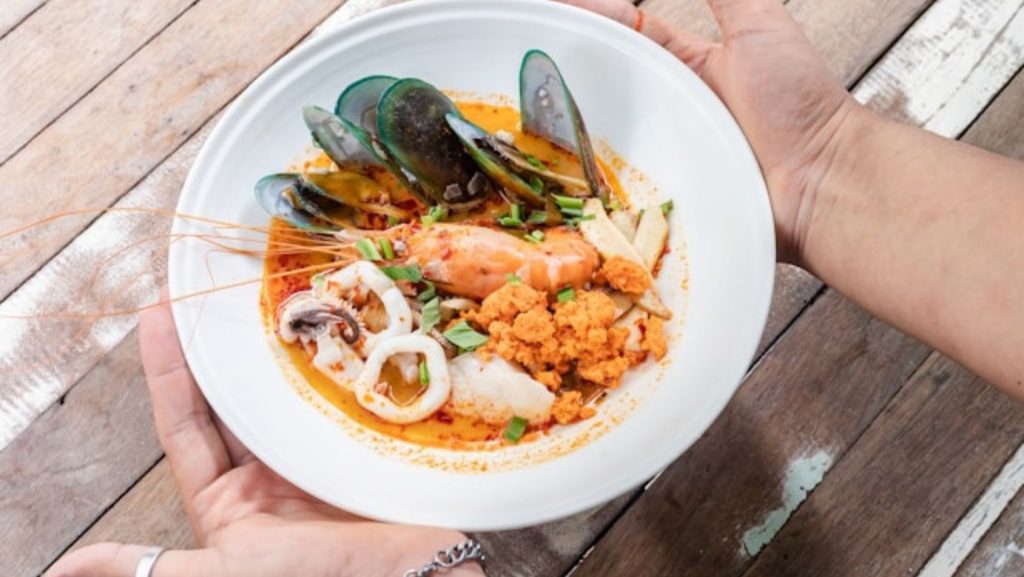
2. Tom Yum
Tom Yum is a hot and sour soup that is prepared using herbs, chili, shrimp, and lime, which have a strong and refreshing flavor.
3. Green Curry
Green curry is prepared using coconut milk, green chilies, and spices, which make it a creamy, spicy, and tasty traditional Thai dish.
4. Mango Sticky Rice
Mango sticky rice is a sweet dessert prepared using ripe mango, sticky rice, and coconut milk, which are popular in Thailand.
🇮🇳 India – Diverse Regional Cuisine
India is characterized by its varied and tasty food culture, which varies across different parts, with the use of rich spices, herbs, grains, and cooking methods.
1. Curry
Curry is a spiced gravy dish prepared using vegetables or meat, which is full of flavors, and is commonly served with rice or bread.
2. Roti/Chapati
Roti or chapati is a soft flatbread made from wheat flour, cooked in a hot pan, and consumed daily with curries.
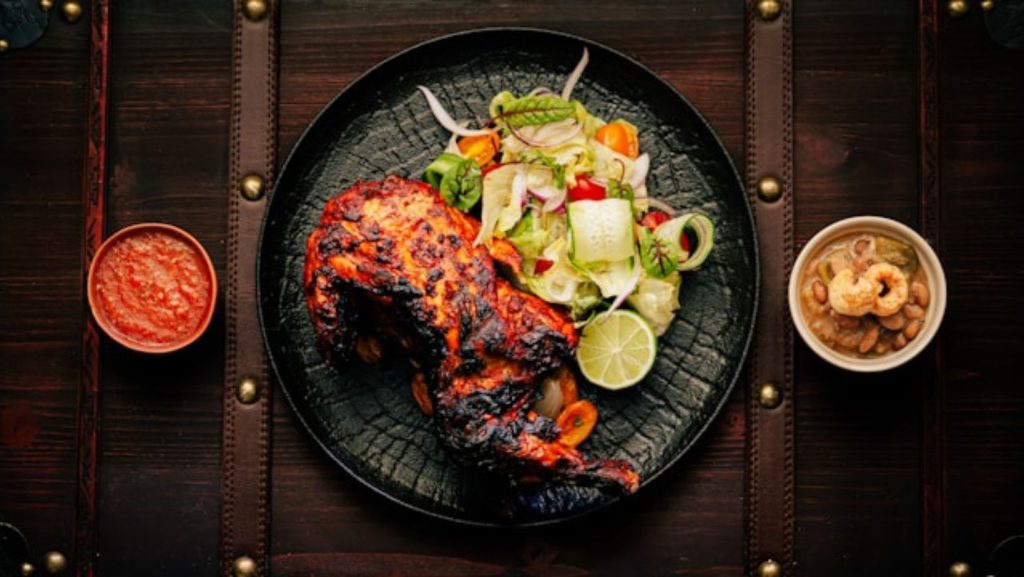
3. Tandoori Chicken
Tandoori chicken is marinated in spices and yogurt, and roasted in a clay oven, with a smoky and spicy flavor.
4. Biryani
Biryani is aromatic rice that is cooked with spices, meat, or vegetables, and is layered to add deep flavor and is served on special occasions.
🇹🇷 Turkey – Fusion of East and West
Turkey has diverse and hearty foods based on Asian and European food cultures, and prepares balanced and flavorful meals.
1. Kebab
Kebab is roasted or grilled meat, which is used with bread or rice; it is characterized by a smoky taste and a classic way of cooking.
2. Baklava
Baklava is a sweet pastry consisting of layers of pastry, nuts, and syrup that is famously known to be sticky and rich in sweetness.
3. Turkish tea and coffee
Turkish tea and coffee are powerful traditional beverages that are served every day, as a sign of hospitality and social culture in Turkey.

4. Lentil soup
Lentil soup is a warm, nutritious meal made of lentils, spices, and vegetables, usually consumed as a starter meal.
🇪🇸 Spain – Colorful and Social Food Culture
The culture of social eating is well known in Spain, and it is associated with meals that are taken collectively with relatives and friends.
1. Paella
Paella is a rice dish that is cooked with seafood, chicken, or vegetables and is known to be very tasty and colorful.
2. Tapas
Tapas are small meals that are served in order to be shared, such as olives, meats, and snacks, making social food.
3. Gazpacho
Gazpacho is a cold tomato soup that is prepared using vegetable ingredients and is ideal to drink during hot weather; it has a refreshing flavor.
4. Churros
Churros are dough sticks that are fried and dipped in sugar, commonly served with chocolate sauce as a sweet dessert snack.

Where to find local foods
Foods produced locally can be found in most locales where fresh and natural foods are sold or cultivated by locals.
Farmers markets
Farmers’ markets are markets where farmers sell fresh foods to consumers. You will get fruits, vegetables, dairy, and homemade products there.
Local shops
Food in local villages and towns is sold in local shops by local farms. These stores offer fresh products such as vegetables, milk, eggs, and conventional homemade products.
Home gardens
Home gardens enable individuals to produce food on their own. They can grow fresh vegetables, herbs, and fruits to have healthy meals every day.
Why local foods are important today
The relevance of local foods today is that they promote healthy diets, reduce environmental pollution, and support the local economy. They also assist farmers in making a decent income and supply natural and fresh food to the communities. The consumption of local foods forms better relationships among individuals, nature, and sustainable living in everyday life.
Conclusion
Local foods provide fresh and healthy products that reflect the cultural heritage of the local community. The products support farmers while they work to protect environmental resources and enhance the public’s daily dietary needs.
The practice of selecting local foods creates stronger economic systems and promotes better health for people while fostering sustainable development and greater food knowledge among future generations throughout the world.