Balance exercises improve stability, strength, and coordination. Learn easy moves for all ages to boost posture, prevent falls, and enhance daily movement control.
Introduction to Balance Exercises
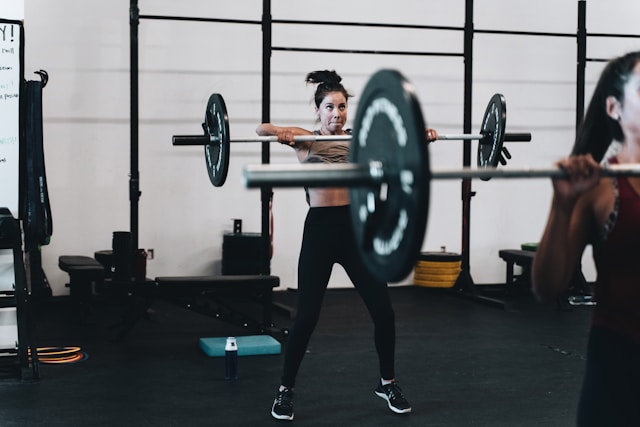
Balance training is a kind of physical activity that helps develop skills necessary for maintaining proper body posture and position during exercise. Balance training involves strengthening of leg muscles, back muscles, and abdominal muscles.
The benefits of such type of training can be useful not only for athletes who need good coordination, but also for:
- Seniors who wish to avoid falls
- Sportsmen who have to improve their coordination
- Injured individuals
- Those who would like to have a good posture
What Are Balance Exercises?
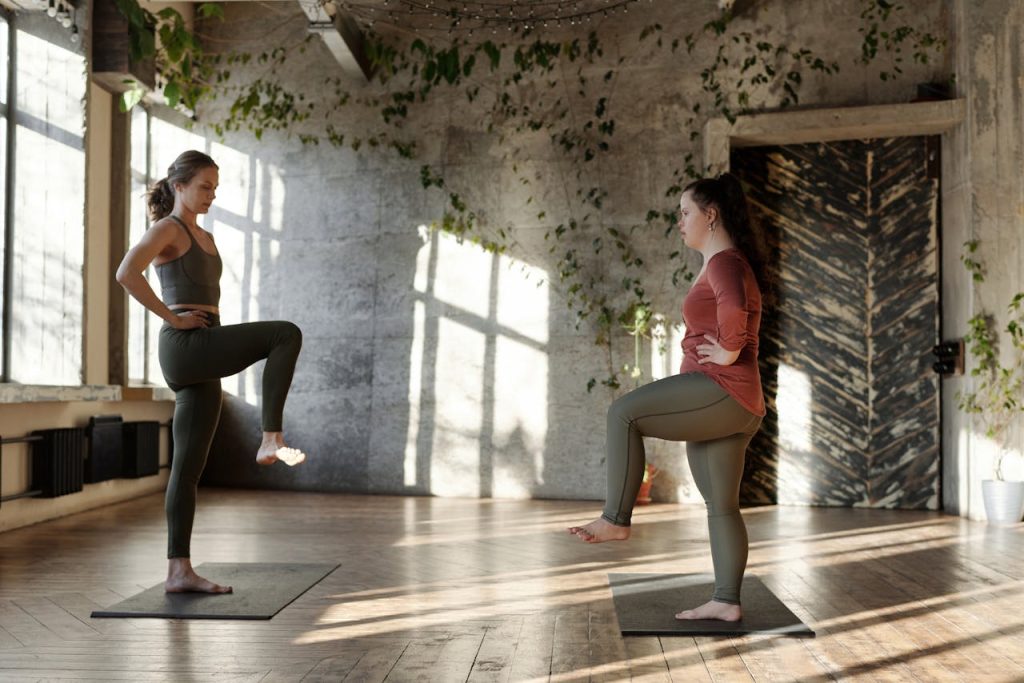
Balance exercises refer to physical exercises designed to enhance one’s ability to maintain body control, either while moving or in a static position. They are vital in enhancing muscular endurance, particularly in the core muscles, thighs, and lower back.
The brain and nervous system are also taught to react rapidly to shifts in posture. The interplay of muscle groups and the brain is responsible for your ability to maintain your balance when you walk across rocky terrain or after tripping.
Examples of Balance Exercises
1. Yoga
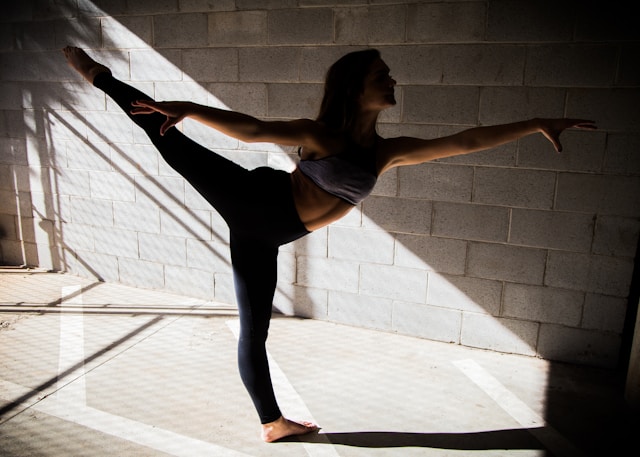
Yoga helps improve balance through the engagement of core muscles, increased flexibility, and body awareness through deliberate poses and breathing techniques.
2. Tai Chi
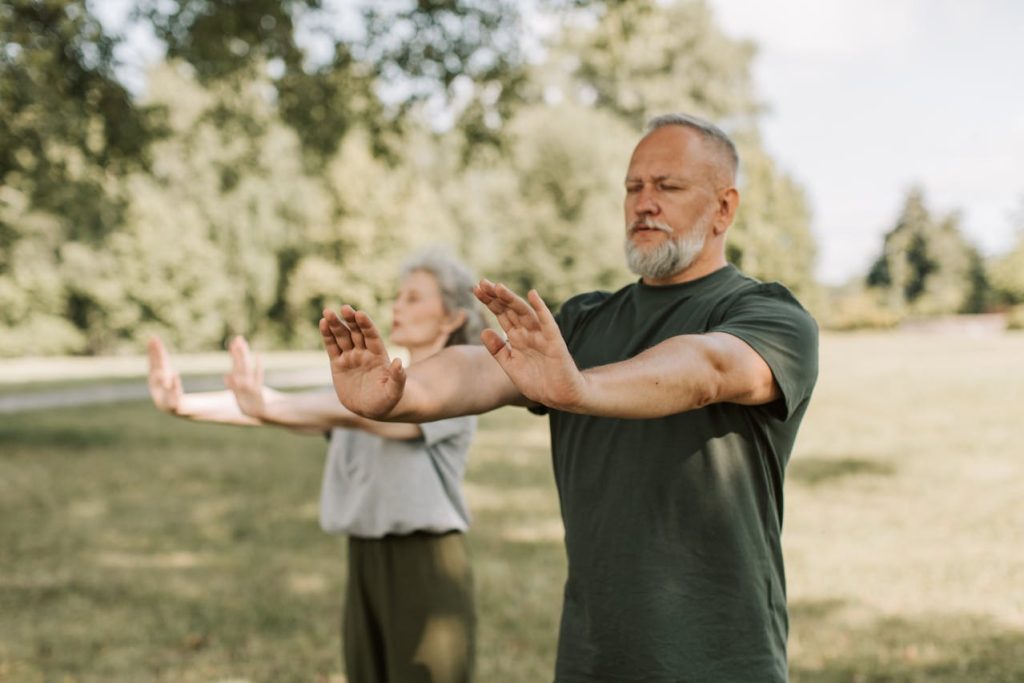
Tai Chi aids balance improvement through fluid motions that enhance coordination, balance, mental concentration, and whole-body relaxation exercises.
Why Balance Matters in Daily Life
Balance allows you to maintain your center of gravity and keep yourself from falling over. This not only prevents injury but also increases coordination as well. Most people do not understand that their balance is supposed to decline as they age and fail to move around enough.
When you achieve a good balance, your body moves more efficiently. This means that you expend less energy and feel more grounded when performing physical activities.
8 Balance Exercises That Boost Strength and Prevent Falls
1. Roll Feet
Exercise of rolling feet contributes towards achieving good balance through the activation of foot muscles, improvement of stability, and body awareness. This type of exercise strengthens the arches and posture, and ensures better control while standing, walking, and performing any other physical activity.
2. Chair Pose With Heel Raise and Spine Stabilization
Involving both the lower and upper body muscles, this kind of exercise helps in building up muscle strength in addition to spine stabilization. In other words, it enhances balance, posture, and coordination during movement.
3. Figure 4 to Straight Leg Pulse
This stretch increases mobility in your hips, strengthens your core, and develops your sense of balance. It works on your stability muscles, improves your coordination, and enables you to transition smoothly.
4. Hip Mobility to Extension
Improving hip mobility through extension enhances joint flexibility and stability. The exercise will improve joint stabilization and strengthen hip muscles to help maintain proper body posture and improve balance.
5. Side Kick
Side kick exercise is effective for strengthening hip abductors, improving coordination, and improving lateral stability. The side kick exercise is important for enhancing balance, improving muscle strength, and promoting controlled movement.
6. Adduction Glider With Heel Raise
The exercise will help in developing inner thigh strength, improving ankle stability, and overall balance control. This exercise can help develop coordination and strengthen supportive muscles.
7. Reverse Glider Lunge With Heel Raise
The exercise strengthens your legs, promotes balance, and helps improve coordination. It engages the glutes, hamstrings, and calf muscles while promoting stability during reverse motion and improved body control in real-world situations.
8. Roll Down to Side Plank to Pike
The following exercise helps in increasing strength in the entire body, especially the core muscles and balance control. It increases flexibility and coordination of the body while making the core muscles stronger.
| No. | Exercise Name | Description |
| 1 | Roll Feet | Activates foot muscles, improves stability, posture, and balance awareness during standing and walking movements. |
| 2 | Chair Pose With Heel Raise and Spine Stabilization | Strengthens legs and core, improves posture, and enhances spinal alignment and balance control. |
| 3 | Single-Leg Standing Clamshells and Kickback | Improves hip stability, strengthens glutes, and reduces fall risk through single-leg balance training. |
| 4 | Figure 4: Straight Leg Pulse | Enhances hip flexibility, core strength, and coordination for smoother movement transitions. |
| 5 | Hip Mobility to Extension | Improves joint flexibility, strengthens hips, and supports better posture and walking balance. |
| 6 | Side Kick | Strengthens hip muscles, improves lateral stability, and enhances coordination and control. |
| 7 | Adduction Glider With Heel Raise | Builds inner thigh strength, ankle stability, and improves side-to-side balance control. |
| 8 | Reverse Glider Lunge With Heel Raise | Strengthens legs, improves coordination, and enhances stability during backward movement. |
| 9 | Roll Down to Side Plank to Pike | Builds core strength, flexibility, and full-body balance with advanced movement control. |
What are the benefits of balance exercises?
The advantages of balancing activities include increasing body stability, coordination, and control. Balance training will help build muscles, prevent falls, and maintain proper posture.
Balance training also promotes mobility, flexibility, and core strength. With regular balance training, one can achieve improved athletic skills and increased efficiency in everyday movements, resulting in a stronger and healthier body.
Who Should Practice Balance Exercises
Athletes and Fitness Enthusiasts
Balance training is useful to athletes involved in games such as football, cricket, basketball, and running since it enables them to move swiftly, alter their movements, and prevent any injury.
Older Adults
With age, individuals tend to experience a natural decline in their balancing abilities. Regular balance exercise ensures that seniors remain independent and safe from falling.
Beginners
Newcomers would gain from balance exercises because it provides the necessary foundations for any other form of fitness routine. The training aids in posture and serves as preparation for further exercises.
Balance Exercises for Older Adults
Tightrope Walk
The tightrope walk activity contributes towards better balance, coordination, and posture as it teaches individuals to walk with heel-to-toe motion. This exercise makes legs stronger and prevents falls while walking.
Flamingo Stand
This type of exercise contributes to one-legged balance and hip and ankle strengthening. It enables elderly people to be more balanced and not slip and fall.
Rock the Boat
Rock the Boat Exercise helps in improving core strength and stability through gradual shifting of the body weight sideways. The exercise will promote better balance control and increase safety during movement.
Exercises for kids
Bean Bag Exercise
Bean Bag Exercise promotes improved balance, coordination, and concentration in kids through the activity of balancing and carrying a bean bag while moving either on the head or hands.
Heel-toe Walking
The heel-to-toe walking exercise will help improve coordination and balance in the child. The exercise requires taking controlled steps where the heel touches in front of the toe.
Musical Statues
Musical Statues will help promote physical stability and improved body coordination in kids. The children move along with the music, and whenever the music stops, they stop too.
Best Balance Exercises for Seniors
1. Single-Leg Stance
The single-leg stance exercise is beneficial for seniors because it develops strength in the ankles, knees, and hips, which increases stability when standing or walking.
2. Tree Pose
The tree pose exercise is a mild yoga exercise that focuses on improving balance, posture, and concentration. It helps to develop strength in the legs and core muscles, which helps to build body awareness in seniors.
3. Heel-to-toe Raises
The heel-to-toe raises are beneficial exercises for seniors since they develop strength in the calf muscles and increase ankle stability. It helps seniors to develop better balance, improve their blood flow, and maintain stable foot placement when standing, walking, or carrying out other household tasks.
4. Heel-to-toe Walking
The heel-to-toe walking exercise is a beneficial task for seniors since it improves coordination, posture, and balance control. Seniors can be trained to walk in a straight line and increase focus during their daily walking exercises.
5. Sideways Walking
The sideways walking exercise is a good exercise for seniors since it develops strength in the hips, increases lateral stability, and improves coordination.
6. Sit-to-stand
A sit-to-stand workout is an effective technique to build up leg muscles and balance function. This exercise helps senior citizens move between a seated position and a standing one, improves the condition of the legs, and increases their independence while performing daily activities.
7. Side Leg Raises
Side leg lifts are exercises that build muscle mass around the hip joint and provide good balance, performance, and stabilization. Such exercises help maintain proper posture and avoid dangerous falls for senior citizens.
Conclusion
Balance training provides stability, coordination, and strength benefits for all age groups. Balance training is very effective when it comes to ensuring good posture and preventing falls. Balance training ensures that an individual is always able to move efficiently and effectively without struggling to do simple tasks.