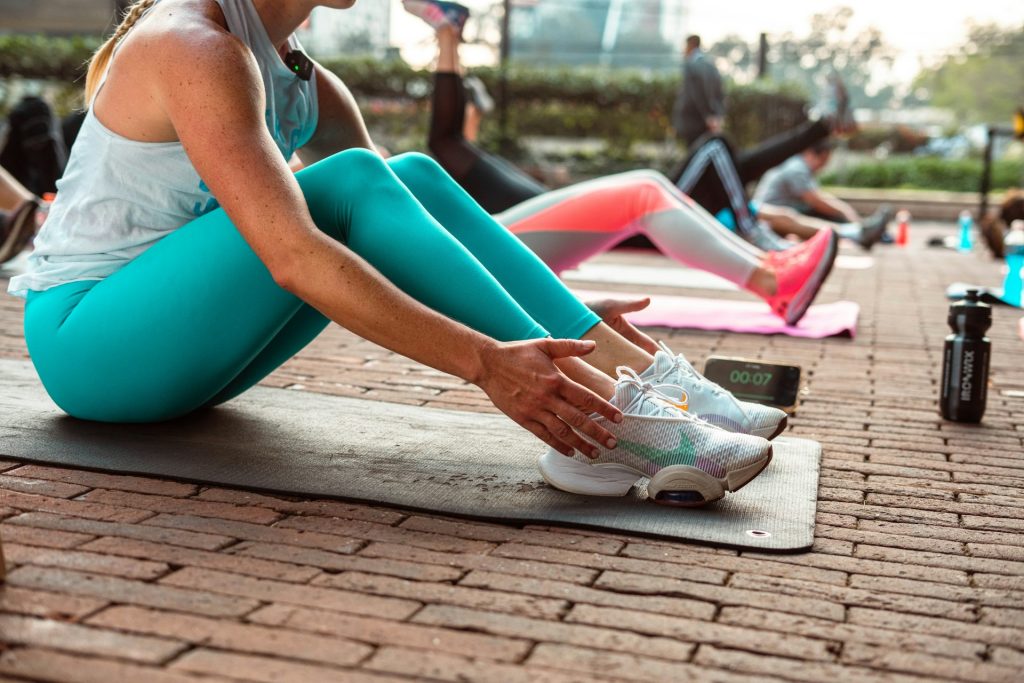
Discover the best and Worst Exercise for Your Gut Health and how exercise improves gut health, boosts digestion, reduces stress, and supports healthy bacteria. Learn the best workouts for a balanced digestive system.
Introduction to Gut Health and Exercise
The gut microbiome of a healthy gut contains trillions of microorganisms. The bacteria in the human body perform four functions, which include food digestion, nutrient absorption, vitamin production, and inflammation control. The body works at its best when your gut maintains its proper balance. Digestive disorders, together with bloating, fatigue, and weak immunity, all result from poor gut health.
Understanding the Connection Between Exercise and Gut Health
Your digestive tract houses trillions of microorganisms, collectively called the gut microbiome. They aid in breaking down food, modulating inflammation, and synthesizing vital vitamins.
Physical activity has diverse effects on gut health:
- It boosts gut motility (the process of movement within the gut)
- Increases microbial richness (a sign of good gut health)
- Reduces inflammation within the body
- Boosts the flow of blood to digestive organs
- Decreases levels of stress hormones affecting your digestion
Nevertheless, not all forms of physical activity have the same effects on your gut. While some kinds may benefit from it, others may strain it if done excessively.
Why Gut Health Matters for Overall Wellness
A healthy gut contains trillions of microorganisms known as the gut microbiome. These bacteria help digest food, absorb nutrients, produce vitamins, and regulate inflammation. When your gut is balanced, your entire body functions more efficiently. Poor gut health, on the other hand, can lead to bloating, fatigue, weak immunity, and digestive disorders.
What is the Best and Worst Exercise for Your Gut Health?
The following list shows the Best and Worst Exercises for Your Gut Health:
Marathon or triathlon training
The gut health of marathon runners and triathletes suffers from extreme endurance training. The body will suffer from cramps and bloating when people do not manage their recovery, hydration, and nutrition properly.
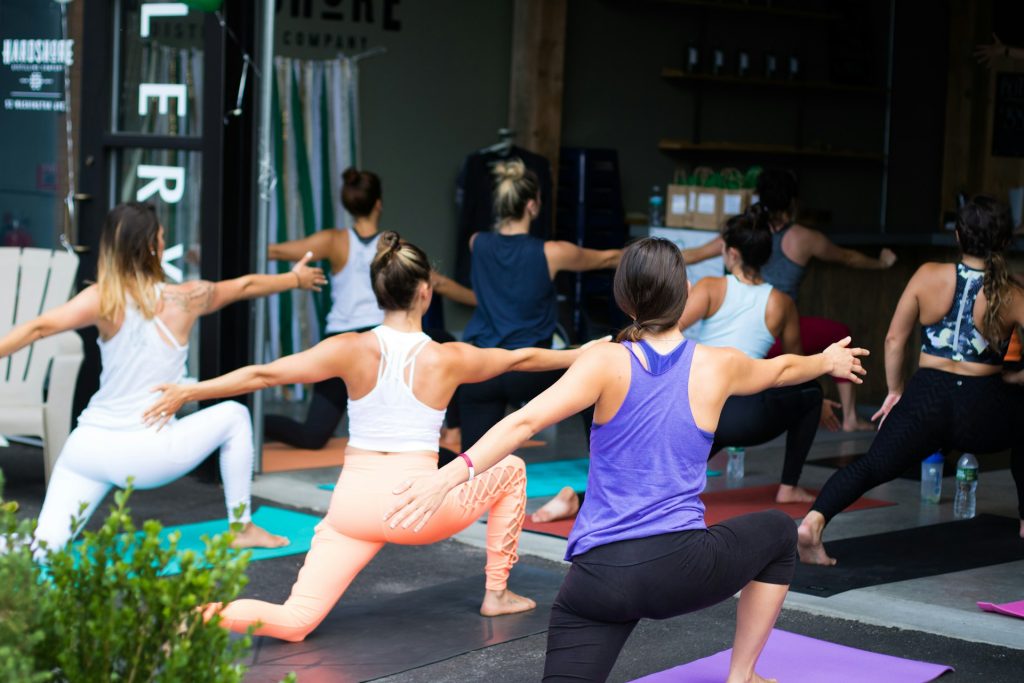
Yoga
Yoga provides multiple advantages to gut health because it decreases stress and helps with digestion while promoting abdominal organ function. The gentle twisting poses, together with deep breathing exercises, help people align their gut and brain functions, which treats bloating, constipation, and digestive discomfort.
HIIT (High-intensity interval training)
The gut benefits from HIIT training, which enhances fitness but requires moderation to prevent gut problems. People who train at high intensity experience increased cortisol levels, which reduces blood flow to their digestive system and leads to nausea or cramps. People need to practice moderation because it protects their gut balance and digestive health from negative consequences.
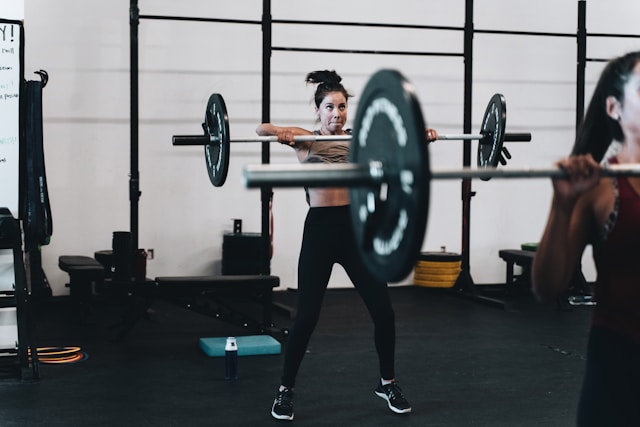
Strength training
The process of strength training helps maintain gut health by increasing metabolic rates and decreasing body fat and body inflammation. The human body experiences digestive stress when people perform heavy lifting without taking time to recover, which leads to temporary gut discomfort and fatigue.
Swimming, cycling, or walking
The best exercises for maintaining gut health include swimming, cycling, and walking. The body benefits from moderate exercises, which improve digestion and increase gut bacteria diversity, decrease stress, and enable regular bowel movements while maintaining body balance without causing digestive issues.
Signs Your Exercise Routine Is Hurting Your Gut
Signs your exercise routine may be hurting your gut include frequent bloating, constipation or diarrhea, and stomach cramps during workouts. You might also feel unusual fatigue after exercise and experience poor appetite regulation. These symptoms often indicate that your body is under excessive physical or metabolic stress and needs balance.
How Exercise Affects Gut Health
Before comparing exercises, it’s important to understand how physical activity influences the digestive system. Exercise impacts your gut in several key ways:
1. Improves Gut Motility
Physical exercise improves gut motility by ensuring that food moves well within your intestines without causing any problems such as constipation, bloating, and other uncomfortable sensations related to your digestive health.
2. Supports Healthy Gut Bacteria
Physical activity promotes the development of a beneficial gut microbiome because it increases its diversity, aids in the process of proper digestion, strengthens your immunity, ensures better nutrient absorption, and maintains gut balance.
3. Reduces Inflammation
Exercise decreases the level of inflammation in the body and gut and, hence, reduces symptoms of Irritable Bowel Syndrome, making the digestive system healthier and functioning properly.
4. Enhances Blood Flow to the Digestive Tract
Physical activity increases blood circulation to the digestive system, which helps the body absorb nutrients, supports enzyme functioning, and accelerates metabolic activity, resulting in better overall digestive processes and intestinal performance.
5. Reduces Stress (Gut-Brain Connection)
Exercise helps reduce stress by reducing cortisol production, enhancing gut-brain interaction, balancing emotions, aiding in digestion, and creating a healthier and more relaxed gut environment.
Why does exercise boost our gut health?
Exercise improves gut health through four mechanisms, which include increased intestinal movement, improved blood flow to digestive organs, decreased stress hormone levels, and enhanced beneficial gut bacteria diversity. The body benefits from regular physical activity because it improves digestion, reduces body inflammation, and helps maintain a healthy and functional gut microbiome.
The Ideal Exercise Balance for Gut Health
30–60 minutes of moderate activity daily
The practice of exercising moderately for 30-60 minutes every day will go a long way in improving the digestion process, encouraging gut movement, reducing any form of inflammation, and maintaining a healthy microbiome while not exerting too much strain on the body.
2–3 days of strength training per week
Working out twice to thrice a week will help in building muscles, metabolism, and proper regulation of hormones. This practice is beneficial in improving your digestive capacity without compromising your gut health since sufficient recovery time is provided in between.
Light movement, like walking or yoga, on rest days
Performing light exercises such as yoga and walking on the days when you do not engage in strength training can help to ensure efficient gut functions through the maintenance of healthy digestion, bloating reduction, lowering of stress levels, and keeping the gut microbiome active.
Proper hydration and recovery
Staying hydrated and undergoing proper recovery are two important ways of maintaining a healthy gut. Water intake is needed for proper digestion and absorption of nutrients, in addition to helping with bowel movements.
Common Myths About Exercise and Gut Health
The common misconceptions associated with exercise and digestive system health are that increased intensity during exercise helps in improving digestion and that exercise can burn abdominal fat specifically. The truth is that over-exercising can adversely affect the balance of bacteria in your gut, whereas regular exercise has proven to be more beneficial.
FAQs
Can exercise improve digestion?
Yes, regular exercise improves gut motility, which enables food to flow through the digestive tract without obstruction, thus decreasing bloating and enhancing overall gut health.
Does yoga really help the gut?
Yes, yoga decreases stress while it enhances blood circulation to abdominal organs, and it creates natural balance in digestive system functions.
Should I exercise on a full stomach?
No, intense workouts after large meals create discomfort, which leads to cramps and indigestion; therefore, people should wait before they start exercising.
Conclusion
Physical activities are of paramount importance when it comes to enhancing gut health through proper digestion, decreasing inflammation, nourishing healthy bacteria, and managing stress. Balanced physical exercises, such as yoga, walking, and training, should be selected in order to achieve gut balance and maintain general well-being.