Discover the best foods to protect against liver disease. Learn liver-friendly diets, repair tips, and foods to avoid for optimal liver health.
Introduction
Poor diet, obesity, diabetes, alcohol use, and sedentary living are some of the contributing factors to the growth of liver disease in the world today. Now, more than ever before, it is essential to keep the liver healthy in 2026. The liver is the main organ in the process of detoxification, metabolism, digestion, and storage of nutrients. Luckily, an improved diet containing certain nutrients has the potential to minimize the threat of liver diseases and assist liver healing.
Best Foods to Protect Against Liver Disease
Sweet Red Peppers
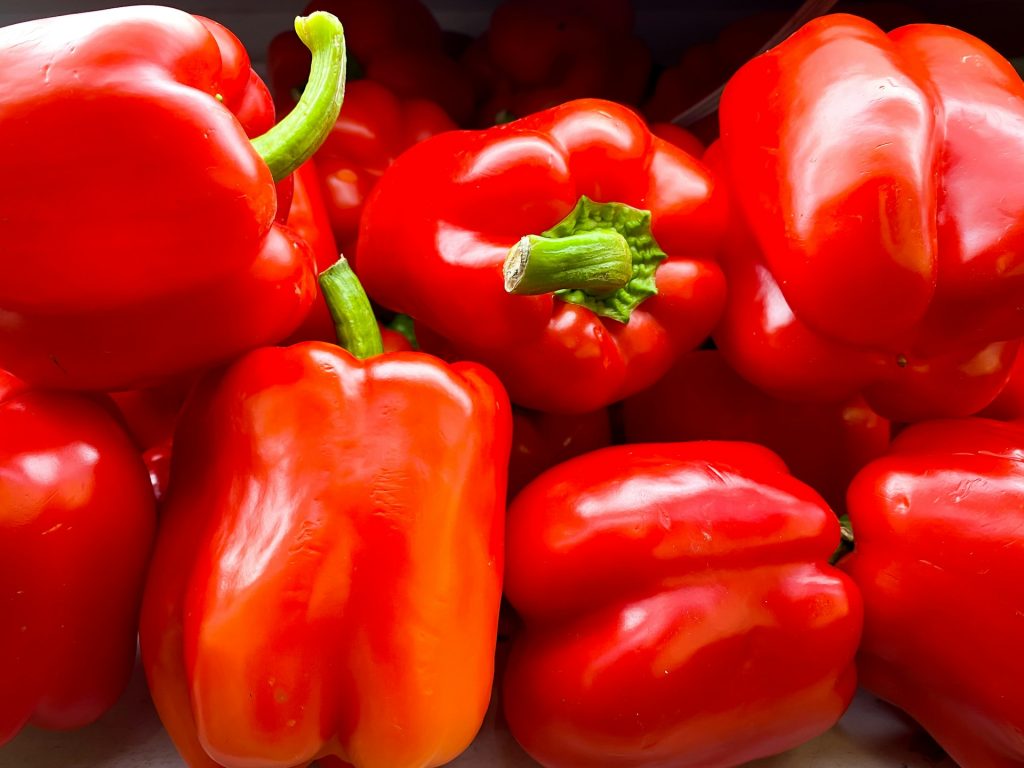
Vitamin C and antioxidants present in sweet red peppers decrease liver inflammation. They assist in avoiding damage to liver cells and aid in general liver activity and immune status.
Pumpkin
Pumpkin is rich in beta-carotene and fiber, which helps in cleansing the liver and decreasing fats. It also has antioxidants, which combat oxidative stress and make liver cells healthier and work better to enhance digestion and protect the liver in the long term.
Winter Squash
Winter squash is a source of vitamin A and vitamin C that help the liver to heal and the immune system. Its fiber also contributes to the regulation of digestion, decreases the level of cholesterol, and prevents excessive fat storage in the liver.
Persimmons
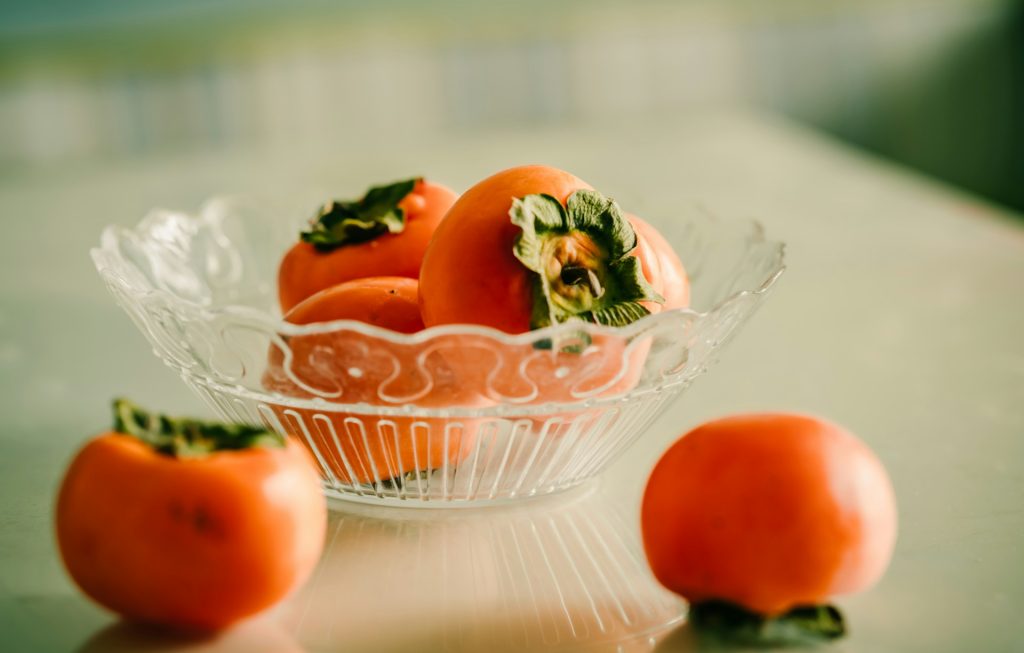
Persimmons contain a lot of antioxidants and fiber that help in the detoxification of the liver. They aid in the inhibition of inflammation, enhance digestion, and guard liver cells against oxidative stress and other damaging environmental toxins.
Tangerines
Tangerines have vitamin C and flavonoids, which reinforce liver functioning. They aid in minimizing oxidative damage, enhance immunity, aid the natural process of detoxification in the body, and aid healthy digestion.
Papayas
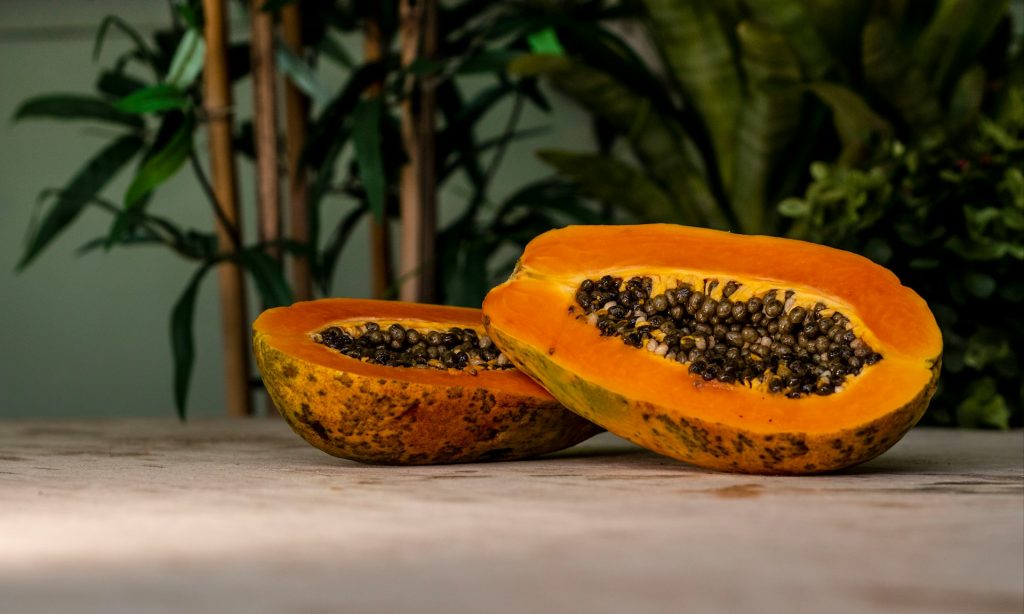
Papayas have an enzyme, such as papain, that enhances digestion and lessens liver activity. Their antioxidants aid in the protection of liver cells, lower inflammation, and general metabolic and digestive health.
Salmon
Salmon contains several fatty acids of omega-3 that decrease fat and inflammation in the liver. It ensures the well-being of the heart, enhances cholesterol, prevents fatty liver disease, and contributes to the regeneration of cells.
Trout
Trout is a good source of omega-3 fats, which are healthy and prevent liver inflammation. When taken in a balanced diet, it aids in the reduction of triglyceride levels, aids in taking out toxins, and enhances the overall performance of the liver.
Lobster
Lobster is a low-calorie source of protein that helps in the repair of liver tissues. It is rich in such vital nutrients as zinc and selenium that can benefit liver cells and boost the immune system.
Shrimp
Shrimp is a source of good-quality protein and antioxidants such as selenium. These nutrients aid in lowering liver swelling, aiding the detoxification enzymes, as well as healthy metabolism under moderation.
Red Grapefruit
Red grapefruit is a source of vitamin C and antioxidants that promote enzymes in liver cleansing. It aids fat metabolism, decreases oxidative stress, and assists in enhancing the overall wellness of the liver.
Watermelon
Watermelon is rich in lycopene and water that help in hydration and liver cleansing. Its antioxidants contribute to inhibiting the inflammation process and neutralizing the free radicals harming the cells of the liver.
Apricots
The apricots contain fiber and beta-carotene, which help to detox the liver. They aid in the decrease of inflammation, enhance digestion, healthy regeneration of liver cells, and provide immune support.
Clams
Clams contain a lot of iron, vitamin B12, and protein, which help in liver functions and red blood cell formation. They assist in keeping the energy level up and in the overall metabolism.
Beef
Lean beef is a good source of indispensable protein and iron, which are needed to repair liver tissues. In moderation, it is useful as it keeps the muscles growing and it assists in the natural process of healing and metabolism of the body.
Tuna
Tuna is a source of omega-3 fats and good protein. It is effective in decreasing the accumulation of liver fat, decreasing inflammation, and helps to keep the heart and liver healthy as a balanced diet.
Milk
Milk is a good source of calcium, protein, and vitamin D that helps in general body functionality. In moderation, the low-fat milk substitutes can be used to sustain healthy metabolism and liver wellness.
Eggs
Eggs are protein-rich as well as choline-rich, which aids in the metabolism of liver fats. Choline is what helps in avoiding fat accumulation in the liver and enhances proper functioning and repair of cells.
Chicory Root
Inulin is a prebiotic fiber, which helps to maintain gut health found in chicory root. A healthy gut is known to reduce the stress on the liver, enhance the toxification and enhance the immune response to protect the liver better.
Jerusalem Artichoke
Jerusalem artichoke contains a lot of inulin fiber that helps in good digestion and the balance of the intestines. This is because a healthier gut lowers inflammation and helps the liver with its natural detoxification and metabolic processes.
Onions (Raw or Cooked)
Onions have sulfur compounds and antioxidants that lead to the activation of liver detox enzymes. They will assist in decreasing inflammation, enhancing circulation, and ensuring that the liver is capable of processing and getting rid of toxins.
What Foods Are Good for Liver Repair? A Deeper Dive
Foods Rich in Antioxidants
The foods high in antioxidants help in the defence of the liver against oxidative stress and cell damage. Vitamin E, selenium, and vitamin C aid in the decrease of inflammation, aid in immune system functioning, and facilitate the process of hepatic cell repair and general detoxification.
Foods High in Fiber
Foods rich in fiber assist in the well-being of the liver by enhancing the digestive process and excretion of toxins. Fiber slows fat absorption, normalizes blood sugar level and prevents the development of fatty liver disease, in addition to maintaining healthy metabolism.
Anti-Inflammatory foods.
Anti-inflammatory foods are useful in the reduction of swelling and damage to the liver. Omega-3 fatty acids, turmeric, olive oil, and leafy greens will ease inflammation, enhance liver functionality, and promote natural healing and prolonged liver protection.
Conclusion
By 2026, liver protection begins with the intake of foods rich in nutrients that decrease inflammation, aid detoxification, and prevent fat deposition. The consumption of antioxidants, fiber, lean proteins, and healthy fats, and avoidance of harmful foods may be very helpful in supporting liver functioning, repairing it, and preventing diseases in the long-term.