

Discover what eye drops are, their types, uses, benefits, and proper application to maintain eye health, relieve dryness, allergies, infections, and support clear vision.
Introduction to Eye Drops
Eyes are delicate organs that can easily be irritated by environmental factors, infections, and underlying health conditions. Eye drops are specifically made to deal with these problems fast and effectively. Eye drops are usually the first line of treatment recommended by healthcare professionals, whether you are experiencing dryness, redness, allergies, or infections.
Importance of eye care solutions
Eyes are fragile organs that are exposed to dust, pollution, computer screens, and other environmental stress factors daily. Eye drops can be used to keep the eyes moist, avoid infections, treat allergies, and ensure an overall healthy eye. They are a handy and efficient means of curing various eye issues.

What can OTC eye drops do?
Reduce eye discharge:
The drops are available over-the-counter and help treat minor infections or allergies due to their ability to cleanse the surface of the eye, scrub debris, and calm irritation.
Lubricate your eyes:
OTC lubricating eye drops, which is also called artificial tears, provide moisture to dry eyes, eliminating some discomfort, burning sensations, and irritation brought about by the use of screens or other environmental factors.
Soften tissues around your eyes:
Certain eye drops are used to calm and moisturize the delicate tissues surrounding the eyes, lessen dryness and irritation, as well as enhance comfort and benefit the overall eye surface life and performance.
Treat red eye and inflammation:
Some OTC eye drops are aimed at relieving mild inflammation and redness, shrinking blood vessels, or decreasing irritation to make the eyes look better and feel more comfortable.
Balance fluid levels:
Eye drops have been shown to assist in keeping the eye moisture balance by maintaining stability of the tear film, avoiding excessive drying and watering of the eyes, and keeping the eyes hydrated and healthy.
Irrigate and flush:
Rinse and flush out the eyes with OTC eye drops to remove dust, allergens, or foreign particles in the eyes, which are quick to relieve and help prevent irritation or possible infection.
What can prescription eye drops do?
Numb your eyes
Prescription eye drops may also temporarily anesthetize the eyes so they are handy during medical procedures or examinations to temporarily numb the eyes and make them less sensitive and painful.
Get rid of bacteria
Antibiotic eye drops are used to treat bacterial infections because they kill harmful bacteria and thus can eliminate the symptoms such as redness, swelling, and discharge.
Reduce allergic response
Some prescription eye drops prevent severe allergic reactions by preventing the release of histamines or other triggers, such as itchiness, redness, swelling, and excessive tearing of the eyes.
Reduce inflammation
Anti-inflammatory eye drops, which may be steroids or NSAIDs, are used to reduce swelling and redness as well as pain due to infections, injuries, or post-surgery recovery conditions.
Dilate your pupils
Certain prescription eye drops are the ones that dilate (expand) pupils, by which the doctors can view the inner eye structures more effectively during eye check-ups.
Limit immune activity
The eye drops are used to control excessive immune response in the eyes, and are commonly applied to curb the disease in chronic cases to avoid irritation and tissue damage.
Lower eye pressure
Glaucoma eye drops lower intraocular pressure by enhancing the fluid drainage of the eye or lowering fluid production, which prevents optic nerve damage and loss of vision.
Help your eyes repair themselves.
Some of the prescription drops are healing agents that enhance the healing of the tissue and the quality of tears, as well as shielding the surface of the eye, particularly following injury, surgery, or long-term dryness.
What are the advantages of eye drops?
They can be highly effective.
Eye drops inject medication into the eye, which immediately relieves eye dryness, irritation, infections, and inflammation, and the eye is treated on the specific area of the problem to achieve better results.
They’re generally safe.
A majority of eye drops are safe with the right use, and there are minimal side effects. They are well-crafted and tested, and can undergo normal use under proper instruction.
They’re easy to use
Eye drops can be easily used and can be taken daily. They can be easily used by anyone at home without medical care or aid, without any special machinery, and with the right technique.
What are the potential disadvantages of eye drops?
They may mask underlying conditions.
Eye drops are able to alleviate the symptoms temporarily, such as redness or irritation, and cause the underlying eye conditions to be obscured, causing postponement in diagnosis and treatment when symptoms are ignored.
The wrong eye drops can make issues worse.
Administering the wrong eye drops to your condition may lead to aggravation of symptoms, irritation, or even new issues, particularly when they contain an inappropriate ingredient or are applied without appropriate advice.
They bypass your eye’s main defenses.
With eye drops, the product goes directly into the eye and circumvents the body to provide protection; this can elevate the chance of irritation, infection, or sensitivity in case the product is contaminated or abused.
Manufacturer noncompliance
In case manufacturers do not adhere to safety and quality standards, eye drops can be contaminated or not effective, which can be extremely harmful to health, as well as trigger infections or allergic reactions in consumers.
7 Different Types of Eye Drops You Should Know
Artificial tears
Artificial tears are lubricating eye drops that alleviate the symptoms of dry eyes, such as eye irritation and dryness, by adding moisture to the eye, stabilizing the tear film, and offering relief to individuals who experience the symptoms of dry eye in everyday life.
Antihistamine eye drops
Antihistamine eye drops decrease the effects of allergies by blocking histamines, which are useful in relieving itching, redness, and watering that are brought about by exposure to allergens like pollen, dust, or pet dander.
Antibiotic eye drops
Antibiotic eye drops are used to treat bacterial infections to kill the harmful bacteria, decrease redness, swelling, and discharge, and prevent the infection from spreading to other areas of the eye.
Glaucoma eye drops
The eye drops that are used to treat glaucoma also reduce the pressure caused by the presence of fluid in the eye or enhance the drainage in the eye that helps protect the optic nerve and avoid permanent eye damage or loss of vision.
Steroid eye drops
Steroid eye drops are used to treat inflammation, swelling, and redness of the eyes, and may be used to treat severe inflammation or for use after surgery. However, they need to be used with care under the supervision of a health professional.
Antiviral eye drops
Antiviral eye drops are used to treat viral eye infections by suppressing virus growth, decreasing such symptoms as redness, irritation, and assisting in the quick healing and recovery of the eye.
Anti-redness eye drops
Anti-redness eye drops are effective on redness in the eyes by constricting blood vessels and reducing redness, improving the appearance, and giving temporary relief. Still, excessive use may result in rebound redness.
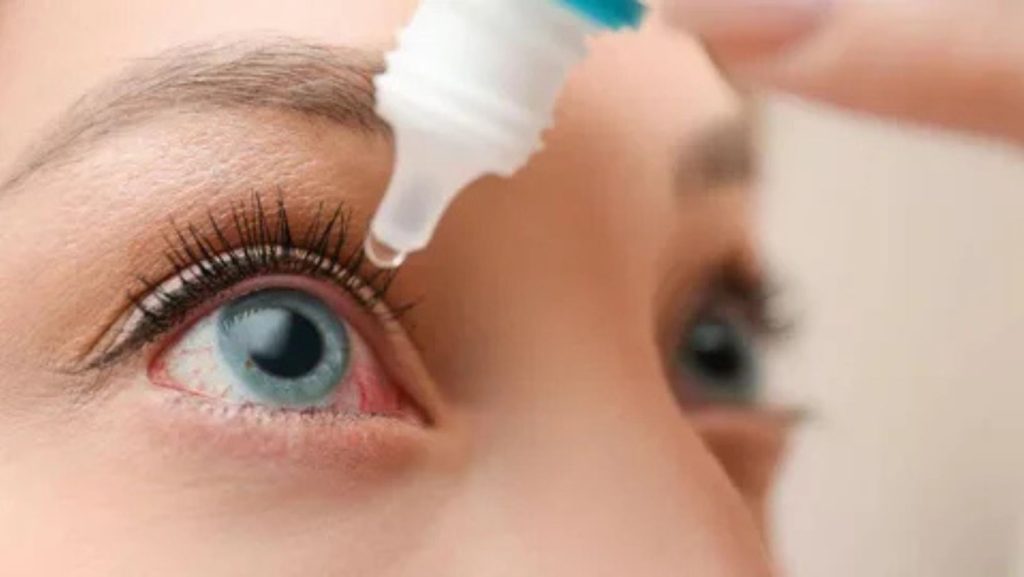
Proper Way to Use Eye Drops
Step-by-step application
- Wash your hands thoroughly.
- Tuck back your head; draw down the lower eyelid.
- Take the dropper and squeeze one drop into the pocket.
- Squeeze the inner corner 1-2 minutes with your eyes closed.
- Do not blink a lot or rub your eyes.
Common mistakes to avoid
- Poking the tip of the dropper into the eye.
- Using an increased number of drops than advised.
- Exchanging eye drops with people.
Who Should Use Eye Drops?
Adults
Lubricating eye drops or medicated eye drops are safe to use by adults with eye dryness, irritation, or allergies or those with certain eye conditions, to keep the eye comfortable, hydrated, and healthy overall.
Children
Children can use some eye drops that have been specially made for their age group; however, the use of such eye drops should be done carefully, as per the advice of a pediatrician, to avoid any harmful effects.
Contact lens users
There are some eye drops that are made for contact lens wearers, whereas there are some that require one to remove their contact lenses before using them.
Conclusion
Eye drops provide necessary support for eye health maintenance, together with infection treatment, allergy relief, and dry eye symptom relief. The product delivers immediate relief when users apply it correctly, while it helps with vision problems and increases user comfort. The correct method of selecting and applying products requires the guidance of a professional for people of all age groups to achieve safe and effective results.