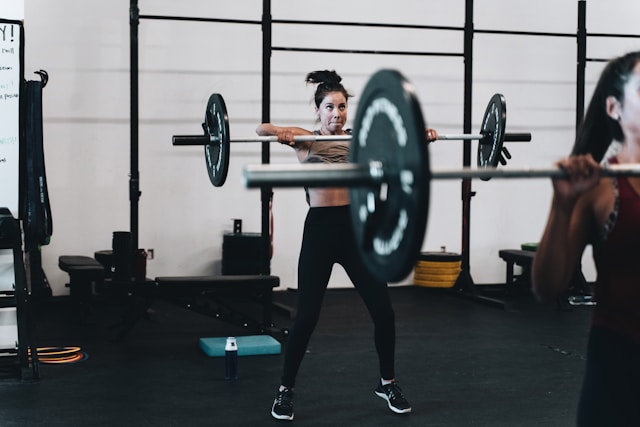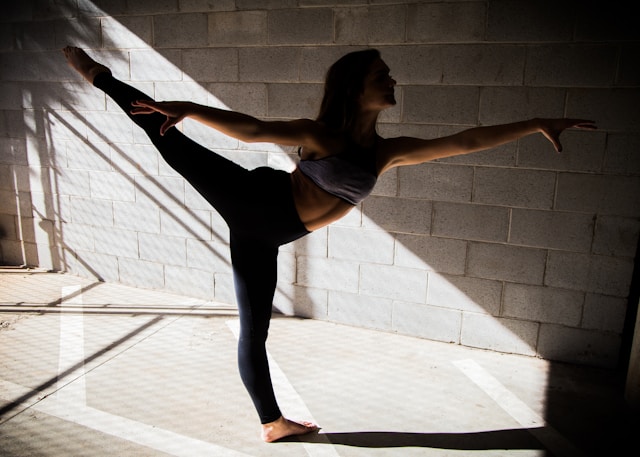
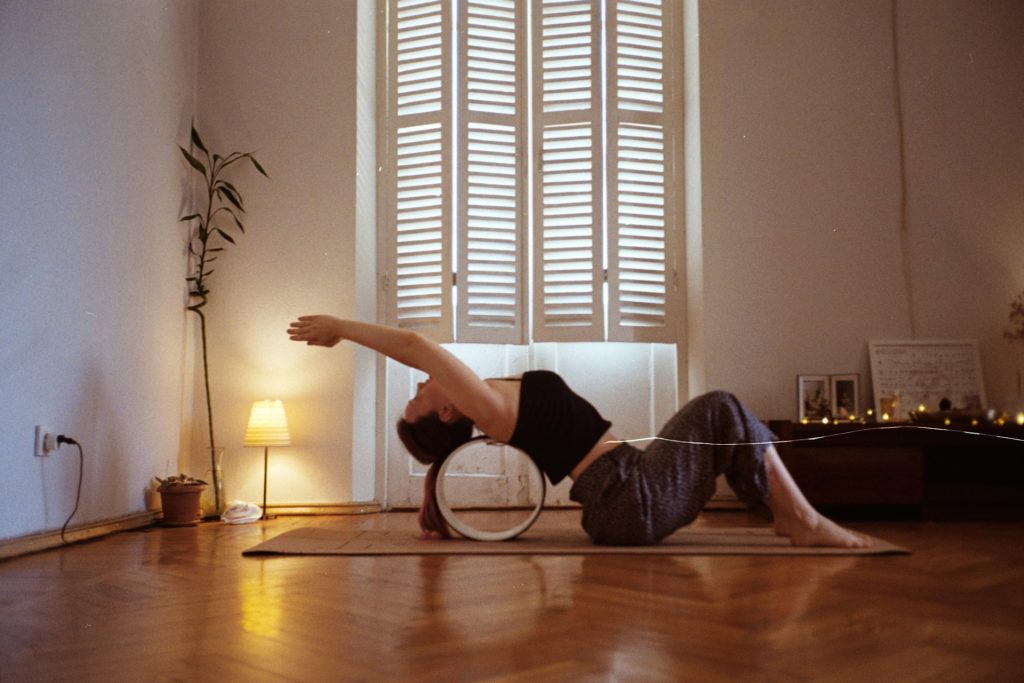
Learn what hip exercises are, their benefits, key movements, and who should do them to improve flexibility, reduce pain, and support strong, healthy hips.
Introduction
Hip exercises are directed movements aimed at strengthening hip muscles, enhancing flexibility and range of motion, increasing joint stability, decreasing stiffness and pain, and maintaining correct posture. These are body-weight exercises, resistance training, and light stretches, tailored to the fitness level.
Understanding the Hip Joint
The hip is a ball-and-socket joint, linking the thigh bone (femur) to the pelvis. It helps support the body’s weight and allows extensive movement, and is a key component of daily activities such as walking, sitting, standing, running, and bending.
The primary muscles that are engaged are:
- Hip flexors (front of the hip)
- Gluteal muscles (glutes)
- Hip abductors (outer hips)
- Hip adductors (inner thighs)
- Hip extensors and rotators
Exercises for the hips aim to tighten and lengthen these muscles to ensure the joint remains stable and functional.
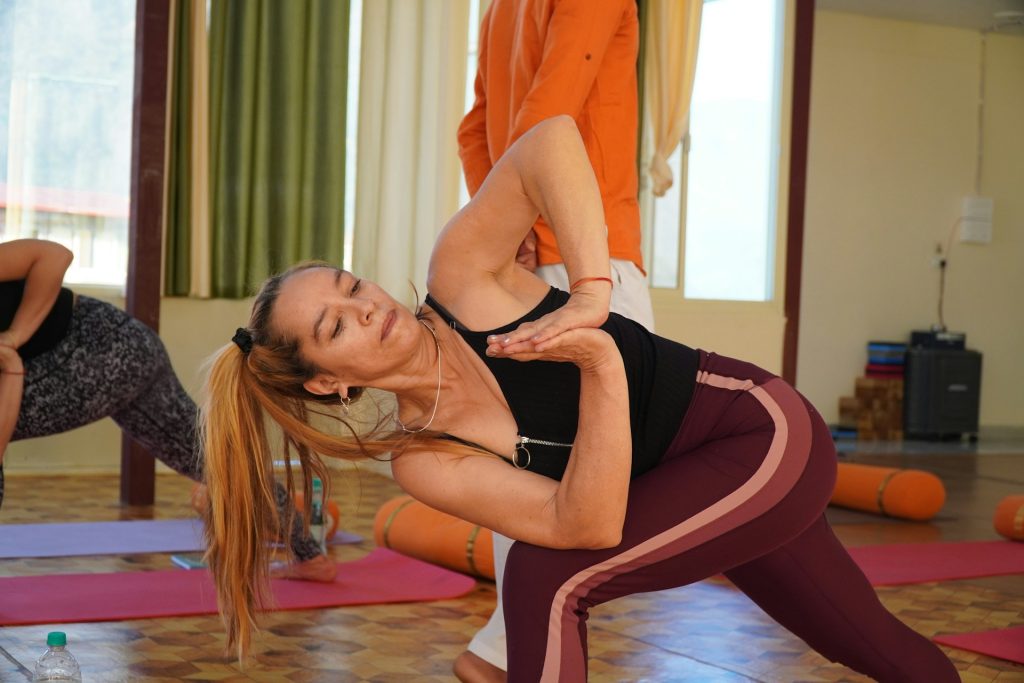
Health Benefits of Hip Exercises
Improved Flexibility and Range of Motion
Hip exercises relax tight muscles, increase joint mobility, and make movements easier, improving posture and making the person less rigid in day-to-day and physical activities.
Reduced Hip and Lower Back Pain
Hip-strengthening enhances lower back support and reduces muscle imbalance, helping reduce lower back and hip pain caused by weakness.
Enhanced Athletic Performance
Powerful hips enhance speed, power, balance, and agility, enabling athletes to perform well in running, jumping, lifting, and changing direction.
6 Hip Mobility Exercises That Can Boost Strength and Flexibility
1. Seated Figure 4 Stretch
This one-opener stretch opens the hips, enhances external rotation, decreases tightness, reduces lower back tension, and increases flexibility by gently stretching the glutes and hip muscles.
2. Clamshells
Clamshells use the hip abductors, enhance glute muscles, enhance pelvic stability, promote good patterns of movement, and minimize injury because they strengthen weak or inactive hip stabilizers.
3. Bridges
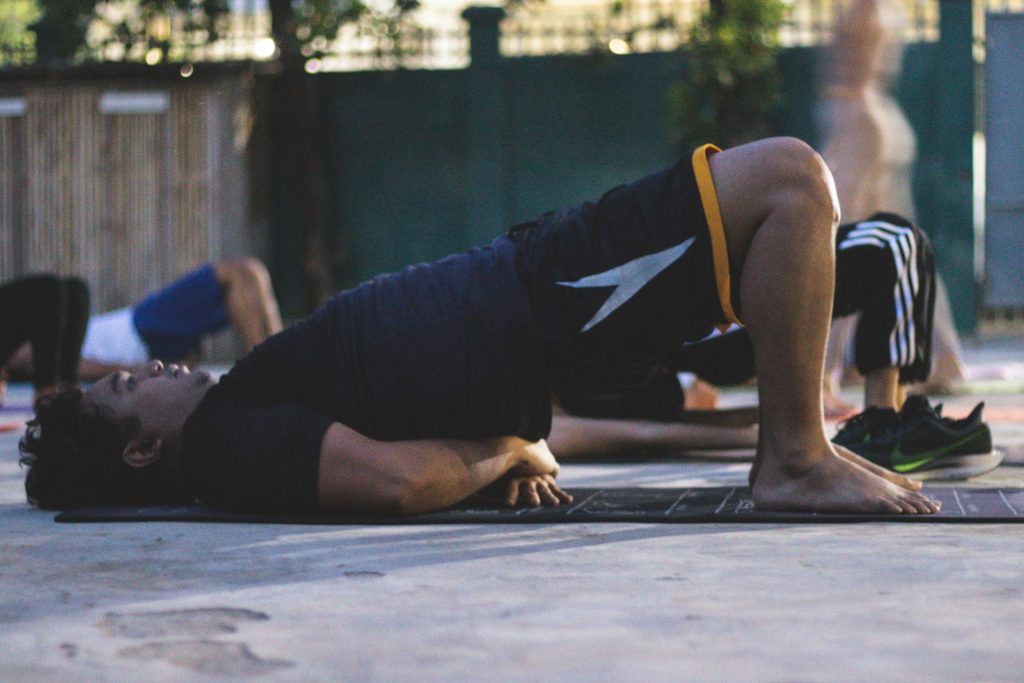
The bridges tighten the glutes and hip extensors, enhance hip stability, reinforce spinal support, boost core engagement, and overall enhance lower-body strength and functional movement.
4. Donkey Kicks
Donkey kicks, also known as hind leg raise, strengthen the gluteal muscles and the hip extensors simultaneously, thus improving the hip’s condition, developing its control and mobility, and improving the movement mechanics of performing daily activities.
5. Monster Walks
Monster walks are hip-strengthening resistance exercises, glute and stabilizer activators, enhancers of lateral movements, balance, and coordination on functional and athletic moves.
6. Lunges
Lunges work the hips, butts, and legs and enhance balance, flexibility, coordination, and joint stability, making them a good method for functional movement and overall lower-body conditioning.
Why Hip Exercises Are Important
Generally, a sedentary lifestyle involves prolonged sitting, which may weaken the hip muscles and tighten the hip flexors. The resulting muscle imbalance can lead to stiffness, reduced mobility, and long-lasting pain.
However, regular hip workouts relieve these symptoms by waking up underused muscles and, at the same time, ensuring the joints remain healthy.
They are especially important for:
- People with sedentary jobs
- Older adults
- Runners and athletes
- Patients who are post-injured or post-operative.
4 Reasons You Should Strengthen Your Hip Flexors
1. Strong hip flexors help maintain good posture and core stability
Postural: Hip flexors promote good pelvic alignment, reduce lower back strain, enhance core stability, and help maintain an upright posture during standing, walking, and daily movement.
2. Reverse the effects of sitting
Hip flexor strengthening will reverse the effects of sitting in a fixed position by repairing muscle length, circulation, stiffness, nd range of movement.
3. Improve the symptoms of weak hip flexors
Specialized exercises for the hip flexor muscle help reduce pain associated with weakness, enhance mobility, and reduce pain in the hips, lower back, and other areas.
4. Strengthen hip flexors to improve athletic performance
Powerful hip flexors increase speed, agility, and power, improving running, jumping, kicking, and swift changes of direction, which are needed in most sporting and fitness events.
Who Should Do Hip Exercises
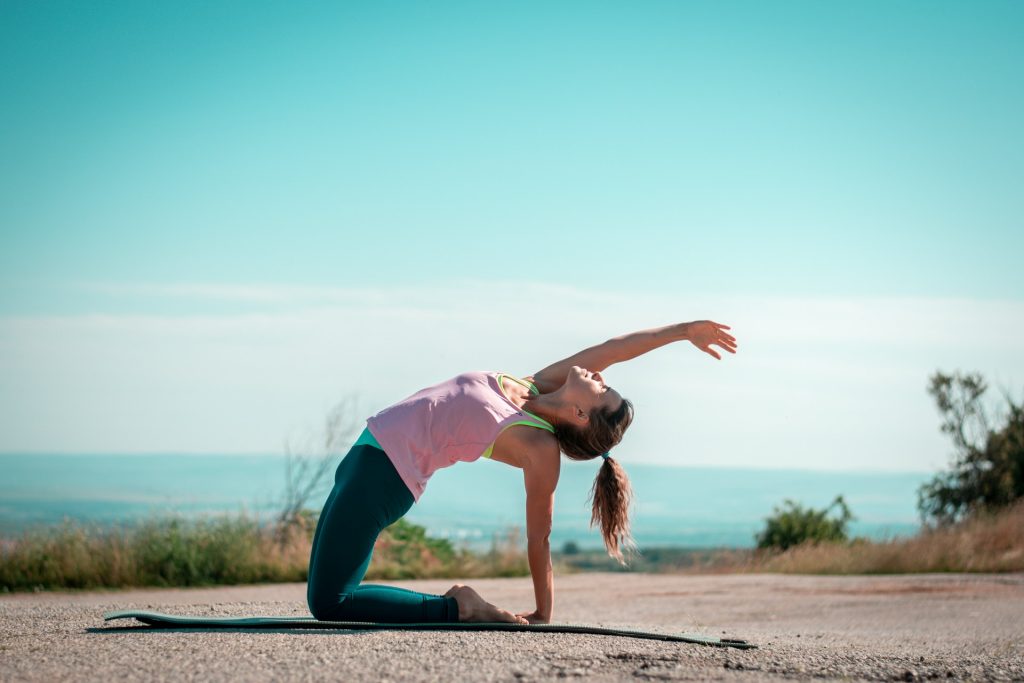
Working out with the hips is almost fit. Businesspeople feel less stiff, sportspeople become stronger and quicker, older adults become more balanced, and patients with injuries become more active. Even children can do hip exercises to support healthy physical development.
The knowledge that hip exercises can teach individuals is that these movements are not just recommended for people with a strong desire to train, but for all those who want to move well and live painlessly.
Hip Exercises vs Other Lower Body Exercises
Most lower-body exercises focus on the hip, but those that target the hip joint and its muscles do so. An example of a squat-and-deadlift is hip work, though it also uses the knees and back. Specific Hip exercises focus on hip strength, mobility, and stability.
Hip Exercises for Different Age Groups
Hip Exercises for Seniors
Light hip exercises will help seniors maintain balance, reduce stiffness, and remain independent. Meanwhile, it is perfect when done on a chair and with slow stretches.
Hip Exercises for Athletes
Dynamic hip exercises help athletes build power and reduce injury risk, especially in sports like soccer, running, and basketball.
Common Mistakes to Avoid During Hip Exercises
- Skipping warm-ups
- Using poor posture
- Being overstretched so much.
- Ignoring pain signals
These errors can be avoided to be safe and achieve improved outcomes.
Pros and Cons of Hip Exercises
Pros
- Enhance general movement quality
- Diminish discomfort and rigidity
- Avoid injuries
- Maintain joint health for the long run
Cons
- Bad posture can result in tension
- Too much training can cause pain
- Certain workouts can be inappropriate for the present injuries
Hip Exercises for Beginners
If you are a beginner, commence with:
- Glute bridges
- Seated hip stretches
- Standing leg raises
- Gentle lunges
FAQs
Can hip exercises help lower back pain?
Yes, tightening the hip muscles will decrease lower back strain, improve pelvic alignment, enhance posture, and help relieve chronic back pain.
Are hip exercises good for seniors?
Yes, hip exercises can make seniors more productive, improve balance, strength, flexibility, joint stability, independence, and mobility, and help prevent falls.
Do I need equipment for hip exercises?
No one can perform hip exercises using their own body weight, but resistance bands or weights add to the challenge and muscle development.
Conclusion
Hip exercises develop strength, mobility, and stability, which are vital for pain-free movement. They are practiced regularly in the right form and aid posture, injury prevention, sports activity, and the maintenance of healthy, functional hips to support day-to-day life and overall longevity in people of all ages.