Learn how vertigo exercises reduce dizziness, improve balance, and prevent falls. Effective maneuvers help retrain the brain and inner ear for long-term relief.
Introduciton
Vertigo is a state characterized by a feeling of spinning, dizziness, or a sense of imbalance. Inner ear problems, vestibular disorders, migraine, or other neurological problems can cause it. Although drugs may be helpful in certain instances, vertigo exercises have now emerged as an important, non-invasive method of minimizing symptoms, enhancing balance, and preventing future attacks.
What Are Vertigo Exercises?
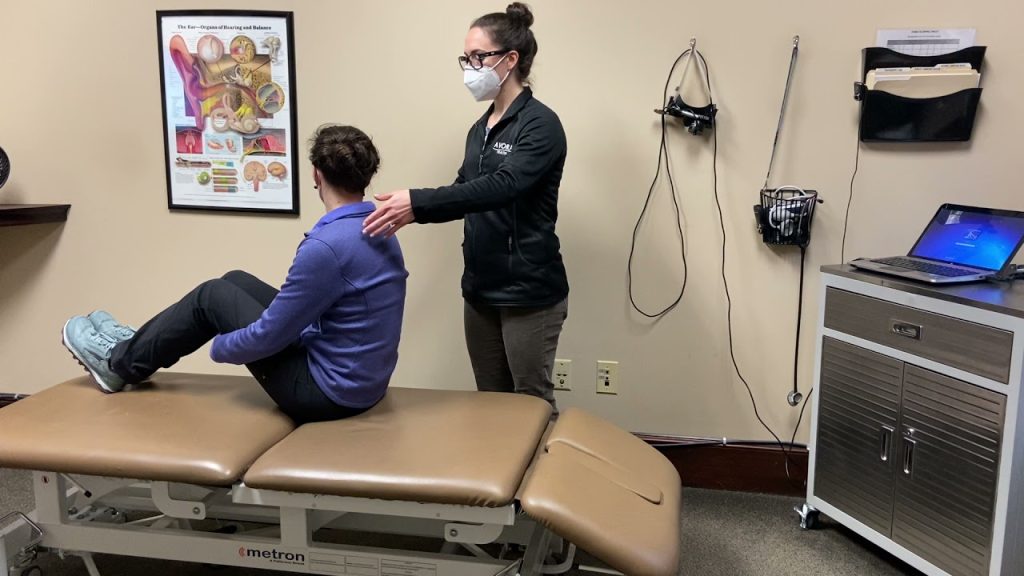
Vertigo exercises are movements or maneuvers aimed at resetting the brain and inner ear to accommodate unusual signals that cause dizziness. They focus on:
- Enhancing coordination and balance.
- Lessening the number and intensity of attacks of vertigo.
- Improvement of the vestibular function.
- Falls prevention and injury prevention.
These exercises are typically prescribed by physiotherapists or other specialists of vestibular rehabilitation.
Types of Vertigo Exercises
Canalith Repositioning Exercises
The exercises aim to address BPPV by shifting small calcium crystals (otoconia) that have been displaced in the inner ear. When adequately done, they can be used to re-establish normal balance and minimize the occurrence of vertigo.
Epley Maneuver
The Epley maneuver is a sequence of body and head movements that precisely direct the moved inner ear crystals to the right place. It becomes very effective in BPPV-related vertigo.
Semont Maneuver
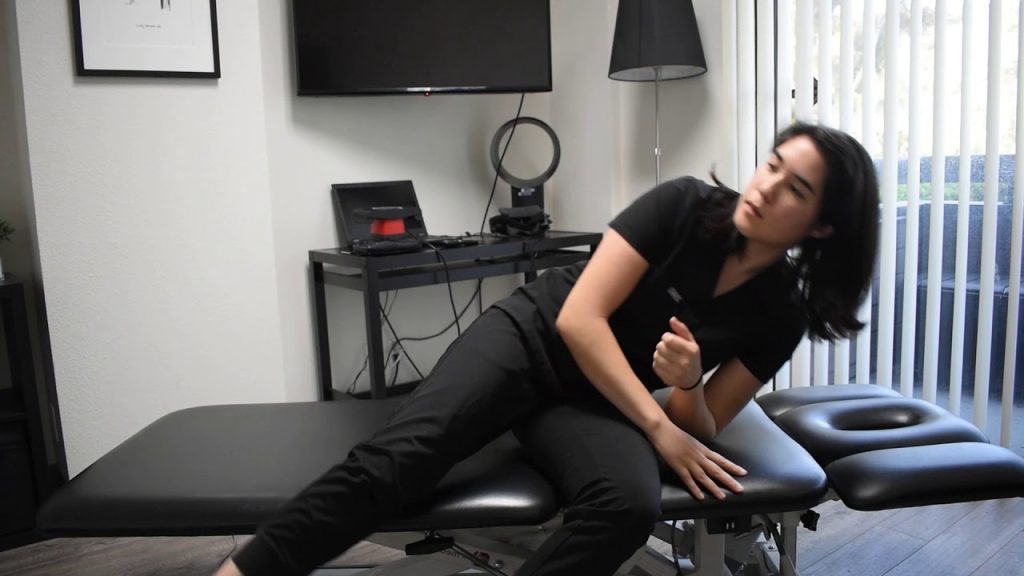
The Semont maneuver is a quick, side-to-side motion used to reorient inner ear particles. It is frequently employed in cases where the Epley maneuver is inappropriate or inefficient for reducing vertigo symptoms and providing a safe intervention.
Gaze Stabilization Exercises.
These are exercises that train the eyes to remain focused on a constant target as the head is moved. They enhance control of the eye, reduce dizziness, and minimize eye disturbances, which can lead to inner ear imbalance.
Balance Training Exercises
Balance training helps develop lower-body and core muscles and enhances coordination. They could involve standing on one leg, heel-to-toe walking, or using balance boards to avoid falls and the instability caused by vertigo.
Habituation Exercises
Habituation exercises involve the head being subjected to strong, controlled movements that provoke vertigo. In the long run, this will aid brain adaptation, making it less sensitive to triggers and less likely to feel dizzy in day-to-day life.
Benefits of Vertigo Exercises
- Minimizes the feeling of lightheadedness and spinning.
- Enhances coordination and balance.
- Improves walking and self-confidence in day-to-day life.
- Reduces the risk of injuries and falls.
- Use in the long-term treatment of chronic vertigo conditions.
How Vertigo Exercises Retrain the Brain
The vertigo exercises are effective because they cause the brain to alter the signals that confuse the inner ear. Through repetition, the brain can be trained to use other senses to maintain balance, such as sight and muscle awareness. As time goes by, symptoms lessen or disappear.
Step-by-Step Vertigo Exercises You Can Do at Home
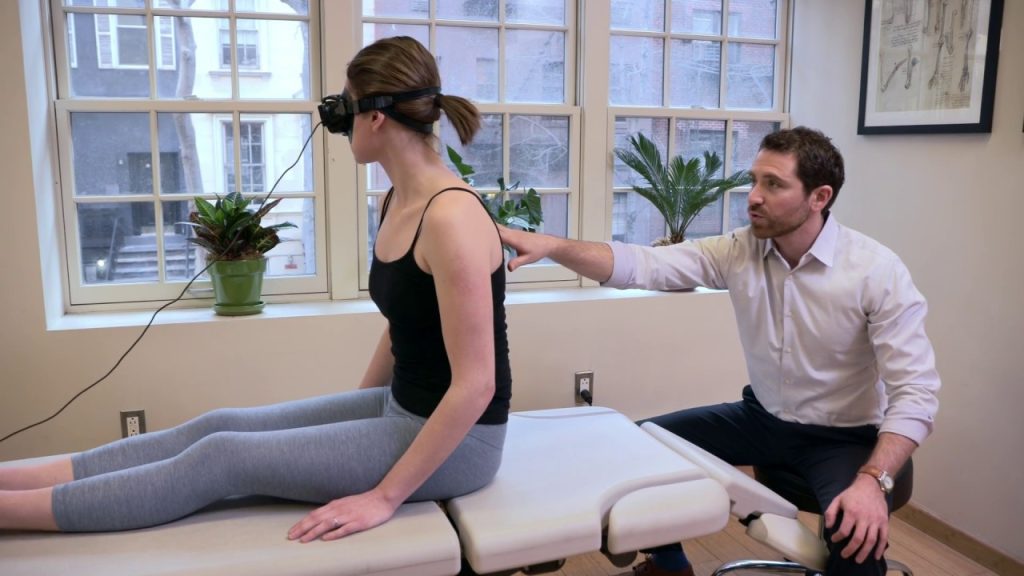
Brandt-Daroff Exercises
These are easy but efficient exercises for vertigo to be done at home:
- Sit upright on the bed.
- Lie down in a hurry on one side with your head cocked up.
- Hold for 30 seconds.
- Go back to sitting and do the same on the other hand.
Doing this exercise may help alleviate vertigo greatly daily.
Head Movement Exercises
Side-to-side head rotation, whether sitting or standing, helps increase motion tolerance and balance awareness.
Who Should Perform Vertigo Exercises
The exercises aimed at vertigo are appropriate for:
- People diagnosed with BPPV
- People who have an ear infection as they heal.
- Older people with balance problems.
- Physical therapists or doctors recommend patients.
However, not everyone should attempt these exercises without guidance.
Precautions Before Starting Vertigo Exercises
Consult a Specialist
It is essential to diagnose vertigo correctly and treat it safely and effectively under the supervision of an ENT or a vestibular physical therapist, who should be the only one to start the exercises.
Start Slowly
Start with slow, steady exercises to avoid nausea, dizziness, or accidental falls, though the intensity should be gradually increased over time.
Use Support
Do exercises close to a steady surface, such as a wall, chair, or bed, to ensure balance and avoid injuries.
Avoid Driving
It is not advisable to drive or use heavy machinery soon after exercise, as this can make one feel dizzy until the condition passes.
Stop if Severe Symptoms Occur
Stop exercising and visit the doctor urgently in case of severe vertigo, vomiting, blurred vision, and sudden loss of balance.
Vertigo Exercise Routine: Sample Daily Plan
A basic day-to-day regimen of BPPV or chronic vertigo could involve:
Morning:
- Epley maneuver (when necessary)
- Fixation of gaze within 5 minutes.
Afternoon:
- Balance on a soft surface.
- Light Tai Chi or yoga in 10-15 minutes.
Evening:
- Brandt-Daroff exercises (5 times on each side)
- Light exercises or walking.
The most important thing is consistency; improvement can be observed in a few days or even weeks, depending on the severity.
When to Seek Immediate Medical Help
Immediate attention is required in case of vertigo with:
- Severe headache
- Vision or speech problems
- Weakness or numbness
- Chest pain or palpitations
- Loss of consciousness
These may represent other, more severe illnesses such as stroke or heart problems.
FAQs
1. Are vertigo exercises safe for older adults?
Yes, exercises involving vertigo can be safe for older adults, provided they are performed with careful supervision and support and are low-impact to reduce the risk of falls.
2. Can vertigo exercises cure BPPV?
BPV can be successfully treated with vertigo exercises, such as the Epley maneuver, which repositions inner ear crystals and reduces the incidence of dizziness.
3. Are vertigo exercises safe at home?
Yes, vertigo exercises can be safely administered at home provided they are gradual, performed in a safe place, and under the advice of a doctor or physiotherapist.
Conclusion
Exercises such as vertigo are non-invasive methods for minimizing dizziness, improving balance, and preventing falls. They also improve coordination, mobility, and confidence by retraining the brain and inner ear, providing relief from BPPV, vestibular ailments, and other balance-related issues.