Learn mindfulness exercises, benefits, and simple daily practices to reduce stress, improve focus, and achieve mental peace and emotional balance.
Introduction to mindfulness practice
Mindfulness practice refers to being in full focus of the moment. It is used by people to relax the mind, decrease stress, and enhance concentration. In contemporary life full of activities, a lot of individuals are distracted, fatigued, or concerned. Mindfulness exercises will assist in returning the mind to the present moment and establishing mental balance.
These activities do not require any special equipment. You can do them at home, work, or even when walking or eating. Mindfulness is a habit that can be developed with practice.
Why Mindfulness Exercises Are Important
The significance of mindfulness exercises is that they enhance mental and physical health. They assist individuals in coping with everyday life.
Key reasons:
- Lessen stress and anxiety.
- Increase concentration and memory.
- Support emotional control
- Improve sleep quality
- Increase self-awareness
- Develop positive thinking processes.
By training your mind, you get used to being calm even when in pressure situations.
Types of Mindfulness Exercises
1. Breathing Exercises
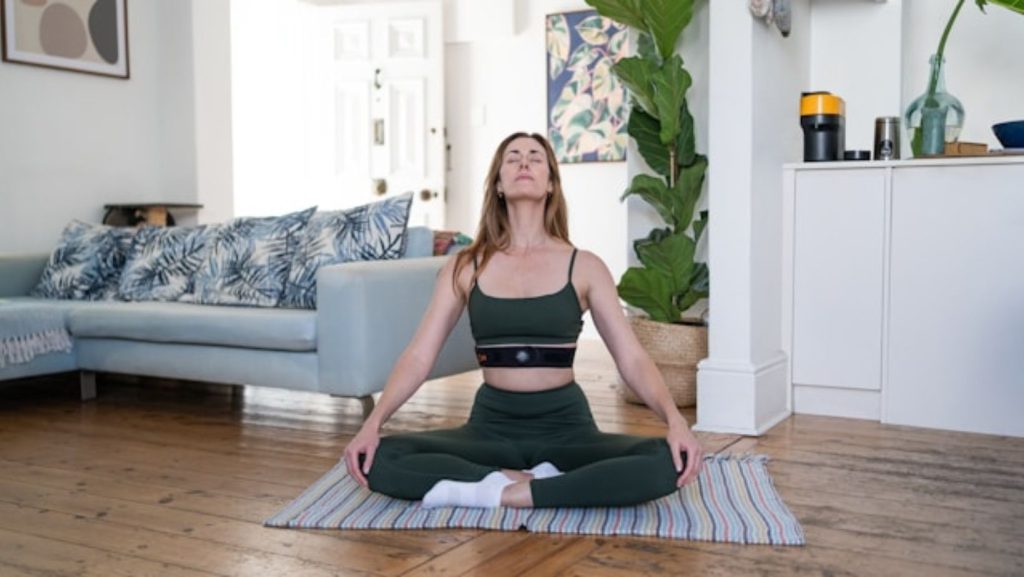
Breathing exercises include sitting down, keeping the eyes closed, and concentrating on slow breathing in and out. The practice relaxes the mind, relieves stress in a short time, and enhances concentration and mental sharpness every day.
2. Body Scan Exercise
Body scan exercise means lying or sitting comfortably and slowly focusing on each body part. It assists in the observation of stress, enhances consciousness, calms down muscles, and minimizes physical and mental stress.
3. Five Senses Exercise
Five senses exercise entails seeing, touching, hearing, smelling, and tasting. It makes people live in the present moment, alleviates anxiety, and enhances awareness of the environment in a straightforward, organized manner.
4. Walking Mindfulness
Walking mindfulness is mindful walking and is characterized by taking note of every step. You touch your feet, observe the environment, and remain concentrated on movement. It helps to relieve stress and enhances body awareness automatically.
5. Mindful Observation
Mindful observation is based on the selection of one object and observing it. You see color, shape, texture, and details. This will enhance focus, decrease overthinking, and enhance attention abilities through frequent rehearsal of this practice.
6. Listening Exercise
Listening exercise implies sitting down and paying attention to the sounds around without judgment. It enhances concentration, provides patience, lessens stress, and makes you more conscious of your surroundings and the present moment.
6 Mindfulness Exercises You Can Try Today
Mindful breathing
Being mindful of breathing involves having your full attention on your breath. Inhalation and exhaled air are observed as you inhale and exhale slowly. This exercise relaxes your brain, relieves stress, and enhances concentration during the day.
Mindful observation
Mindful observation is the ability to observe what is around. You do not judge objects, colors, and shapes. It is a practice that enhances concentration, mindfulness, and makes you aware of the present moment.
Mindful awareness
Mindful awareness refers to being conscious of what you are thinking, how you feel, and what you are feeling in your body. You just see them and take no action. Such practice develops emotional mastery, lessens anxiousness, and enhances clarity of mind daily.
Mindful listening
Mindful listening is the ability to pay full attention to sounds or talks. You are not distracted, and you listen to what is being said without interruption. The practice enhances communication, comprehension, and makes relationships with others robust.
Mindful immersion
Mindful immersion is to be fully present in a single activity. You are fully attentive to what you are doing. This enhances productivity, decreases stress, and makes you enjoy tasks on a deeper level.
Mindful appreciation
Mindful appreciation is paying attention to and being thankful for small things. You dwell on good things, people, and experiences. This practice makes people happier, less negative, and develops a positive attitude each day.
Individual Activities for Teaching Mindfulness to Children
1. Heartbeat Exercise
Children put their hands on their chest and feel their heartbeat. They pay attention to rhythm, slow breathing, and observing peaceful body sensations to enhance awareness and relaxation abilities.
2. Pinwheel Breathing
Children use pinwheels and blow slowly. They observe it rotate and practice breath control, deep breathing, attention, and relaxation skills, playing around with mindfulness.
3. Muscle Relaxation
Children contract and release various muscles, such as hands, shoulders, and legs. This will assist them in observing body tension and come to know how to relieve stress effectively.
4. Five Senses Exercise
Children pay attention to five senses (what they can see, hear, smell, touch, and taste). This enhances the concentration abilities and awareness of the present moment.
5. The Present Moment Worksheet
Children draw or write what they feel at the moment. It makes them perceive thoughts, emotions, and environment, and they exercise clarity in their present moment awareness.
6. Making Mindful Observations
Children watch things such as leaves or clouds gradually. They define information without evaluating it, enhancing attention, patience, curiosity, and better concentration to minor environmental variations.
7. Teaching STOP Mindfulness
STOP Stop, Take breath, Observe, Proceed. Each day, children learn to take a moment before responding, learn to feel, and react calmly in a stressful or emotional situation.
8. Mindful Eating
Children take their time in eating, paying attention to taste, smell, texture, and chewing. The habit will enhance awareness, decrease overeating, and build food and healthy habit appreciation.
9. Nature Walk
Children move outdoors and see trees, birds, noises, and wind. They remain silent, look around, and get in touch with nature to find tranquility and harmony.
Group Activities for Teaching Mindfulness to Children
1. Rainbow Walk
Children go outside and make searches in nature to find the colors of the rainbow. They observe things, remain calm, and enhance focus, awareness, and observation.
2. Mindful Quote Jar
Each day, children choose positive quotes from a jar. They read gradually, ponder on meaning, and express emotions to develop positivity, calmness, and contemplation.
3. Mindfulness Bingo
Children fill bingo cards through attentive activities such as breathing, listening, or watching. It turns mindfulness entertaining, participatory, and assists in awareness development by participating in activities as a group.
4. Red Light, Green Light
When the green light is called, children move, and when the red light is called, children stop. It imparts self-control, attention, listening, and body movement awareness in an accurate way.
5. Root to Rise Activity
The children think of feet that have roots and lead to the ground. They become steady, balanced, and powerful and gradually stretch upwards, developing concentration, confidence, and body awareness.
6. Freeze Dance Mindfulness
When there is music, children move around dancing, and when it is over, they freeze. They observe the body motions, breathing, and the environment, and enhance concentration, listening, and control.
The Biggest Benefits of Mindfulness Exercises
Subdue Stress
Meditations are useful in relaxing the mind and body. They decrease overthinking and tension. The routine will reduce stress, enhance emotional stability, and enable you to act with a cool mind in response to everyday issues.
Decrease Depression Symptoms
Mindfulness can be used to decrease the negative thinking patterns associated with depression. It enhances the level of thought and feeling awareness, emotional regulation, and promotes a healthier and more balanced mental state in the long run.
Improved Overall Health
Mindfulness is beneficial to mental and physical health. It enhances concentration, reduces blood pressure, and boosts immunity. Exercise assists the body in performing optimally and encourages overall well-being in the long run in a natural manner.
Improve Quality of Sleep and Reduce Insomnia
Mindfulness is a relaxation before sleep. It decreases anxiety and racing thoughts. This assists you in falling asleep more quickly, sleeping longer, and waking up less fatigued and relaxed.

How to Practice Mindfulness Exercises Daily
Mindfulness exercises can be easily incorporated into your daily routine.
Morning Routine:
- 5 minutes of deep breathing
- 5 minutes of quiet sitting
Afternoon Routine:
- Post lunch mindful walking.
- Breathing: 2 -3 minutes.
Night Routine:
- Body scan before sleep.
- Relaxation, by breathing slowly.
Mindfulness Exercises for Students
Mindfulness can be of great help to students.
Benefits for students:
- Improved concentration in research.
- Less exam stress
- Improved memory
- Pro-social conduct in school.
Simple student exercises:
- 3-minute breathing before the study
- Mindful reading
- Short walking breaks
Conclusion
Mindfulness is a daily routine that is very easy, and it enhances concentration, minimizes stress, and promotes emotional stability. Regularly, they aid in calming down the mind, increasing awareness, and strengthening a healthier lifestyle. Any person can begin without any difficulties and benefit long-term in their mental and physical well-being every day.