
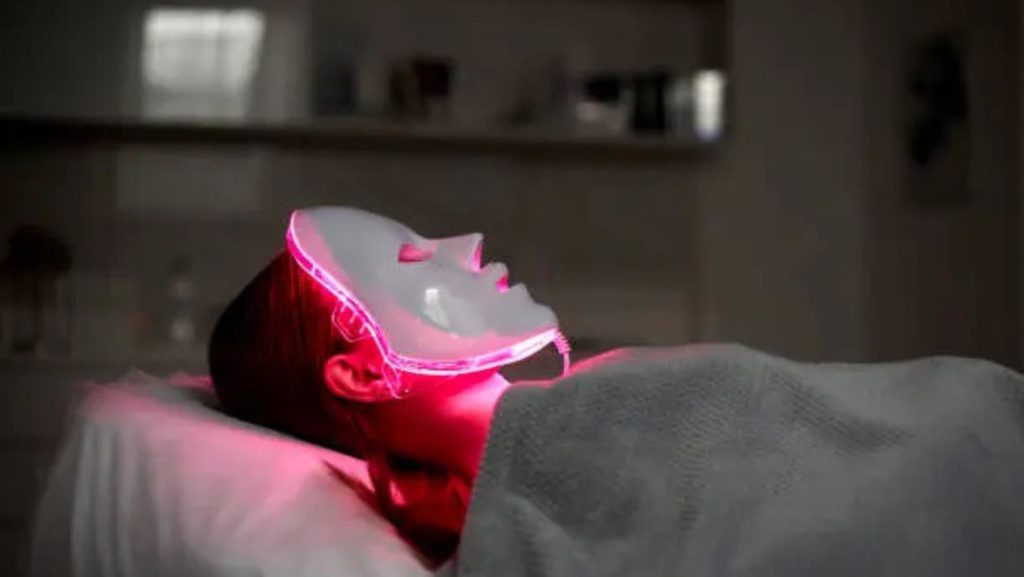
Discover light therapy benefits for mood, sleep, skin, and pain. Red, blue, and infrared light treatments offer safe, non-invasive wellness solutions.
What Is Light Therapy?
Phototherapy, also referred to as light therapy, is a treatment that employs particular wavelengths of light to cure a number of ailments. Light therapy devices are constructed to produce controlled quantities of bright and artificial light in a narrow spectrum, typically in the visible or near-visual range, as compared to natural sunlight, which includes all the colors of the spectrum.
Light therapy is popular in medical, mental health, and skincare facilities. It is oriented mainly to affect some biological functions, such as circadian rhythms, hormone secretion, and skin repair.

What Are the Benefits of Light Therapy?
Light therapy has become an increasingly popular natural and non-invasive method of improving physical and mental health in the past few years. Light therapy utilizes the light of certain wavelengths, like red light, blue light, or infrared, in treating various regions of the body and has many health benefits. The benefits of it are discussed below.
1. Increased Energy
The most famous light therapy advantages include increasing the level of energy. Light, particularly in the morning, can activate serotonin production and regulate circadian rhythms to make you feel awake and more alert during the day.
2. Better Regulated Sleep
Light therapy is beneficial in aligning your body clock to achieve a healthier sleep schedule. Exposure to morning light will enhance the quality of sleep, minimize insomnia, and lead to easier waking up in a better mood.
3. Increased Productivity and Focus
Light therapy can improve concentration and productivity by controlling mood and energy levels. Individuals using light therapy report that it has made them more focused on their tasks, has increased motivation, and has reduced mental fatigue.
4. Improved Memory
Some kinds of light therapy, like red and infrared light, have been associated with better mental activity. Research indicates that when brain cells are stimulated by light, they are able to retain information and facilitate improvement in the overall brain performance.
5. Reduced Anxiety
Light therapy has a relaxing effect on the nervous system. Certain wavelengths of light can be used to treat anxiety and stress symptoms, so it is a great instrument to use to improve mental health without the use of drugs.
6. Increased Sexual Function
There is emerging research evidence that light therapy, especially red and infrared light, can enhance sexual performance. It can help improve sexual health in men and women by increasing energy, improving blood flow, and regulating hormones.
7. Increased Ability to Learn More
Light therapy can also assist students, professionals, and lifelong learners in learning by increasing their capacity to process and store information because it is more focused, enhances mood, and improves cognitive performance.
8. Lowered Blood Pressure
Some color light wavelengths, such as red and infrared, may enhance cardiovascular and circulatory health. This may result in reduced blood pressure and better functioning of the heart with time.
9. Safe & Drug-Free
The safety of light therapy is one of its major benefits. Light therapy is also non-invasive and does not have any side effects, unlike medication, and can be used long-term in the future as long as it is done appropriately.
Side Effects of Light Therapy
1. Eye Strain
Excessiv,e use of bright light in the treatment process may lead to eye discomfort, eye strains or temporary visual fatigue when the eye is not properly covered.
2. Nausea
Some people experience mild nausea during or after light therapy, which is usually caused by brightness or abrupt changes in circadian rhythm.
3. Irritability
Light therapy may sometimes have mood swings or irritability, particularly when the sessions are excessively long or at the wrong time.
4. Headaches
Being exposed to bright light sometimes can cause those who are sensitive to develop a headache, especially when the sessions go longer or are more colorful than they should be.

How Does Light Therapy Work?
The operation of light therapy will involve illuminating the skin or the body with the help of exposure to the light of certain wavelengths. In mood conditions, it has effects on the neurotransmitters such as serotonin and melatonin. In case of skin therapy, it activates the production of collagen, decreases inflammation, and kills bacteria causing acne.
What Are the Benefits of Light Therapy Masks?
Light therapy masks are mainly applied to skin health. They offer:
- Better texture and color of the skin.
- Weaknesses of acne and blemishes.
- Oncolytic collagen production.
- Lessening of lines and wrinkles of the skin.
- Improved global skin rejuvenation.
What Are the Benefits of Light Therapy for the Face?
Facial light therapy can treat various skin issues:
- Red light enhances elasticity, decreases wrinkles, and promotes healing.
- Blue light fights pathogens that cause acne and lessens inflammation.
- The light of IR has the ability to reach deeper layers to enhance the circulation and tissue healing.
Benefits of red light therapy for healthier skin
1. Anti-aging
Red light therapy is known to cause collagen and elastin growth, reducing fine lines, wrinkles, and sagging. Such frequent use increases natural, youthful, firm, and smoother skin without any invasive procedures.
2. Acne treatment
The red light therapy decreases swelling, calms aggravated skin, and eliminates acne-causing bacteria. It prevents breakouts, reduces redness, and ensures a quicker recovery of the skin, resulting in clearer, healthier skin.
3. Improved skin tone and texture
Red light improves the circulation and cellular recovery, which results in even reproduction of the skin colour, refining of the pores, and deepening of the skin texture, making the skin smoother, radiant, and glowing as time goes by.
4. Accelerated wound healing
Red light also penetrates deep layers of the skin, stimulating tissue repair, collagen formation, and blood flow, which are useful in the healing of cuts, scars, and other minor skin damage.
Potential Red Light Therapy Side Effects
1. Skin sensitivity
A small percentage of users might develop a slight redness or irritation following red light therapy, particularly when using sensitive skin or excessive sessions.
2. Eye discomfort
Exposure to bright red lights may cause strain on the eyes or may be uncomfortable; this is why protective goggles should be used during therapy.
3. Dry skin
The red light therapy can slightly dry the skin, advancing the circulation and cellular activity, and this necessitates moisturisation after the process.
4. Headaches
Headaches may be occasioned by exposure to light or over-stimulation of nerves, especially when subjecting the patient to longer sessions of the therapy.
5. Acne breakouts
In other situations, red light therapy can cause temporary acne outbreaks because of skin detoxification or adapting to high circulation.
What Are the Benefits of Blue Light Therapy?
Primarily, blue light therapy is used in treating skin and mental problems:
- Destroying bacteria that cause acne.
- Reducing inflammation
- Treatment of Seasonal Affective Disorder (SAD).
- Enhancing the sleep patterns indirectly.
What Are the Benefits of Infrared Light Therapy?
Primarily, blue light therapy is used in treating skin and mental problems:
- Muscular and joint pain reliever.
- Enhanced blood circulation
- Reduced inflammation
- Rapid recovery and healing.
- Promotion of cardiovascular and metabolic health.

Who Can Benefit from Light Therapy?
- Seasonally depressed persons or those with winter blues.
- Individuals with sleeping disorders or jet lag.
- Patients with chronic skin diseases.
- Patients seeking non-invasive pain treatment.
- Any person who would like to have a sense of mood and energy.
Safety Considerations
Although the light therapy tends to be safe for everyone, it is necessary to observe the rules:
- Employ equipment that has been recommended by the health professionals.
- Do not have direct eye contact with bright or UV light.
- See a doctor in case you have eye disorders, bipolar disorder, or skin sensitivities.
- Begin with recommended time periods that help people prevent headaches and eye strain.
Is light therapy good for you?
Yes, it can be effective in many ways. It may help regulate our circadian rhythms, enhance our moods, relieve seasonal depression, cure some skin diseases, etc. However, we need to use it in the right manner so we don’t experience strain in our eyes or headaches.
Do Light Therapy Lamps Really Work?
Yes, the lamps are scientifically proven to help boost moods, sleep, and energy levels, especially for SAD conditions. To ensure their optimal performance, the lamps should be used on a daily basis for 20-30 minutes per session.
Conclusion
Light therapy functions as a secure treatment method that uses non-invasive procedures to boost mood and sleep, energy levels, and skin health. The system provides three light options, which include red and blue, and infrared light, to deliver specific mental health and acne, anti-aging, and pain relief benefits, which users can combine into their complete wellness approach.
