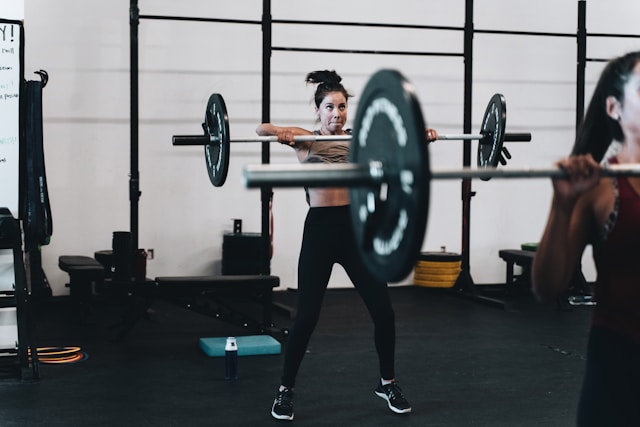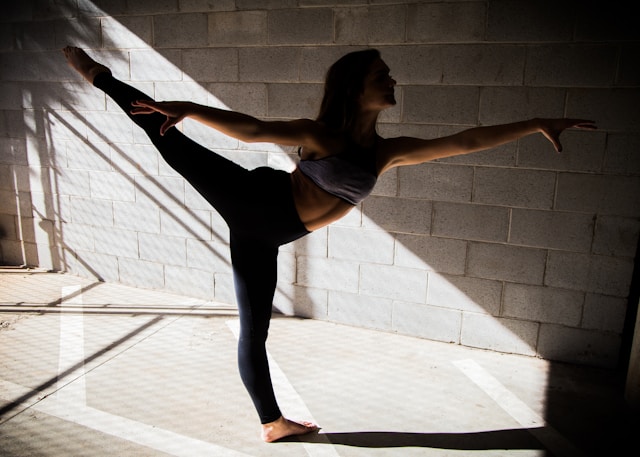
Discover barre workouts: low-impact, ballet-inspired exercises that tone muscles, improve posture, flexibility, and balance, suitable for all fitness levels and abilities.
Barre workouts have become a huge trend in the fitness industry in recent years. Barre workouts are a complete body exercise program, incorporating some aspects of ballet, Pilates, yoga, and strength training aimed at toning, flexibility, and good posture.
What is a Barre Workout?
A barre exercise is a low-impact workout that is a combination of ballet-inspired moves, Pilates, and yoga. It is concerned with tiny, regulated movement to tighten muscles, increase flexibility, better posture, and mold the body. Barre exercises are appropriate and suitable for all fitness levels, focusing on core stability, balance, and elegant and accurate movements of the whole body.
Origins and History
Barre exercises were developed out of ballet dancer workout programs. Developed originally to develop strength, balance, and endurance in dancers, the exercises have been modified for fitness classes of any age or ability. Barre has become a trendy low-impact, full-body exercise since it is available to both novices and exercise enthusiasts.
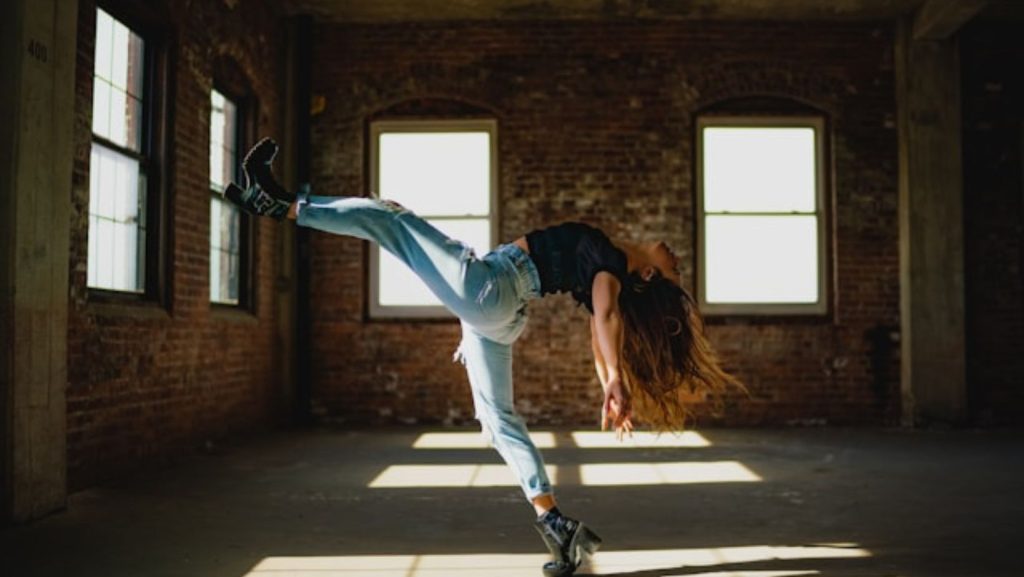
Core Principles of Barre Workout
Focus on Posture and Alignment
In barre, one must have proper posture. Classes focus on the position of the spine, shoulders, and pelvis to enhance balance and decrease the risks of injury.
Small Isolated Movements
Micro-movements, such as glutes, thighs, arms, and core, are common in Barre exercises.
Repetitions for Strength
Low-weight, high-repetition fitness routines are a good way of creating lean muscle, enhancing endurance, and achieving a lean body minus the bulk, which makes barre a perfect choice in creating a graceful physique.
Benefits of Barre Workouts
Improves Posture
Barre exercises focus on alignment, straightening, and corework, which fix slouch and rounded shoulders, eventually improving posture and making one more confident and erect in day-to-day life.
Strengthens Core and Pelvic Floor
Barre exercises are focused on deep abdominal muscles, pelvic floor, with the help of controlled movements and isometric holds, and enhance core stability, internal organ support, and increase balance during daily and sport activities.
Decreases Risk of Injury
With concentration on controlled movements, correct positioning, and the use of small and specific muscle processes, barre decreases the load on the joints and muscles, minimizing the chances of injuries during the exercises or in everyday life.
Improves Bone Density
Such exercises include weight-bearing ones such as plies, lunges, and small pulses that firm bones and allow them to maintain or even increase bone density and prevent osteoporosis and long-term skeletal health.
Improves Balance
The focus of core strength, small controlled movements, and stability exercises that are promoted by Barre increases body awareness and coordination to make the person more balanced and less prone to falls or accidents.
Easy on Joints
Barre is a very low-impact and controlled workout that causes minimal load to the knees, hips, and back, thus making it an ideal exercise for people of all ages or those who have sustained injuries.
Mind-Body Connection
Barre works toward concentration on posture, alignment, breath control, mindfulness, better clarity of mind, and the establishment of a stronger relationship between the body and the mind with every movement.
Total Body Strength Workout
Barre works the arms, legs, glutes, and core all at the same time, giving an individual a complete workout of strength training that tightens the muscles, increases stamina, and creates long, lean muscle without any fatty weight-bearing training.
Equipment Used in Barre Workout
Barre or chair
The ballet barre will offer stability when standing on exercises, so as to maintain balance and enhance proper form. The same can be done with home alternatives, such as a durable chair.
Resistance bands and light weights
Light equipment is used to supplement strength training, firm the muscles, and add resistance without affecting the low-impact quality of barre.
Yoga mats and stability balls
These tools are mainly used during floor exercises, and they provide additional comfort, support, and balance challenges to core and glute exercises.
Who Can Do Barre Workouts?
Barre exercises are very versatile. Novices may begin with simpler exercises with the barre to support them, whereas experienced users may incorporate other weights or resistance bands. Pregnant women, the elderly, and those who are recovering from muscle power tend to enjoy the low-impact of the barre.
Limitations of Barre Workouts:
You may not gain functional strength
The muscles that are developed under the influence of the small movement are mostly the muscles of the barre, yet they might not build up the functionality needed in our daily routine and in doing heavy work.
The heart may not be challenged enough.
Barre is not intense and is based on muscle endurance, which means that cardiovascular fitness will not increase significantly as compared to running or bicycle exercises.
You may plateau
Monotony of barre exercises with little change will cause a fitness plateau and lower the gains achieved in strength, flexibility, or overall performance.
Getting Started With Barre
Find the right class.
Find a barre workout that fits your fitness level, goals, and schedule, either beginner, intermediate, or advanced.
Wear the proper clothes.
Wear tight, stretchy workout clothes that provide the ability to move and allow the instructors to see alignment and posture at a glance.
Equip yourself
The necessary tools to use include a barre or chair, resistance bands, light weights, and a yoga mat to perform effective exercises.
It’s all about form
Be careful with alignment and posture in all the movements to avoid getting injured and ensure you get the best out of each exercise.
Pace yourself
Begin small, when new to barre, start slowly, and then progressively get more intense and frequent with improving strength and endurance.
Stay hydrated
To ensure you do not get dehydrated, drink water before, during, and after your barre session to ensure that energy levels do not fall below normal.
Keep going
Regularity is crucial; practice, in turn, makes you stronger, more flexible, and enduring, and allows you to observe the positive results in the long run.
Why is the barre popular today?
The popularity of barre workouts has been tremendous since it has a very convenient and adaptable nature. Social networks depict attractive regimes, gyms provide organized training sessions, and the Internet allows working at home.
The idea of the promise of developing long, lean muscles, better posture, and better mind-body connection, as taught by Barre, is an attractive offer to both beginners and those who like fitness.
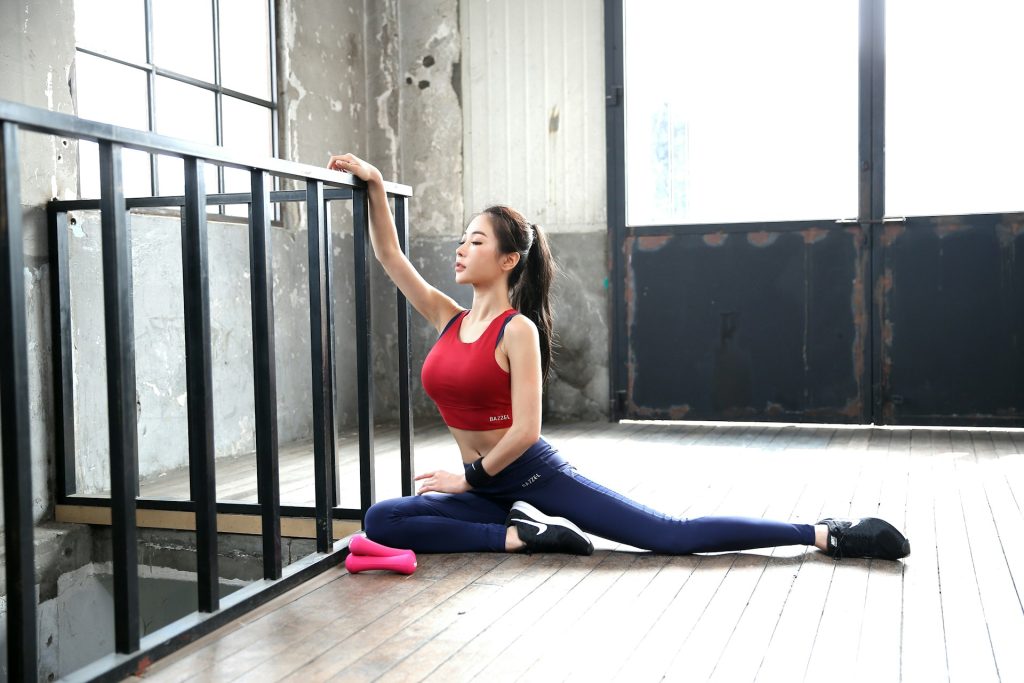
Barre vs Other Workouts
Barre vs Yoga
Yoga focuses on poses, meditation, and breathing. Barre pays attention to micro-movement, muscle contraction, and posture.
Barre vs Pilates
Both are focused on the core and enhance posture, but barre has more exercises with ballet elements of leg and arm work, whereas Pilates has exercises that are usually centered on the core of the body on the floor.
Barre vs Strength Training
Strength training is centered on heavy resistance and maximum increase in muscle mass. Barre employs the lighter resistance and small movements repeated to stretch and tighten the muscles.
Conclusion
Barre fitness offers a low-impact, full-body fitness program, which improves posture and is better-toned, more flexible, and stronger in the core. A mixture of ballet-like exercises with Pilates and yoga, barre is available to any fitness level and helps to maintain fitness, as well as to establish the connection between the body and the mind.