
Learn safe diastasis recti exercises and modified HIIT workouts to strengthen your core, improve posture, and effectively recover from abdominal separation.
Introduction
HIIT is a time-efficient method for increasing cardiovascular fitness and caloric expenditure. Nevertheless, patients with diastasis recti should be cautious of HIIT. Safe diastasis recti exercises, coupled with adaptations to HIIT workouts, will enhance deep core strength, protect the abdominal wall, and improve overall fitness without worsening abdominal separation.
What is Diastasis Recti?
Diastasis recti, or abdominal separation the abdominal separation (diastasis recti) is the separation of the rectus abdominis muscles that run down the abdominal front (linea alba). This division leaves a wide, deep gap. Whereas mild cases may be purely cosmetic, severe cases may involve the stability of the core, posture, and general physical functioning.
Key points about diastasis recti:
- The most prevalent are pregnant and postpartum women.
- It can be developed in men because of obesity, wrong weight lifting, or pressure in the abdomen.
- The severity may be mild (less than 2 cm) or severe (more than 5 cm).
Diastasis Recti Exercise
Diastasis recti exercises are specialized exercises that strengthen the deep core muscles, help abdominal closure, and improve posture. These exercises are performed with controlled movements, unlike traditional ab exercises such as crunches or sit-ups, which can worsen diastasis recti.
Importance of Diastasis Recti Exercises
Diastasis recti exercises aim to strengthen the deep core muscles during recovery, leading to stronger abdominal, back, and pelvic muscles again. By practicing these exercises, one can expect better posture, balance, and core stability, along with reduced pain and hernia risk, a slimmer waistline, and easier daily activities for long-term core health.
7 Best Diastasis Recti Exercises
1. Pelvic Tilts
Pelvic tilts are slowly progressive, using the lower abdominal muscles to flatten the lower back against the floor. They strengthen the core, improve posture, and safely partially close the abdominal separation.
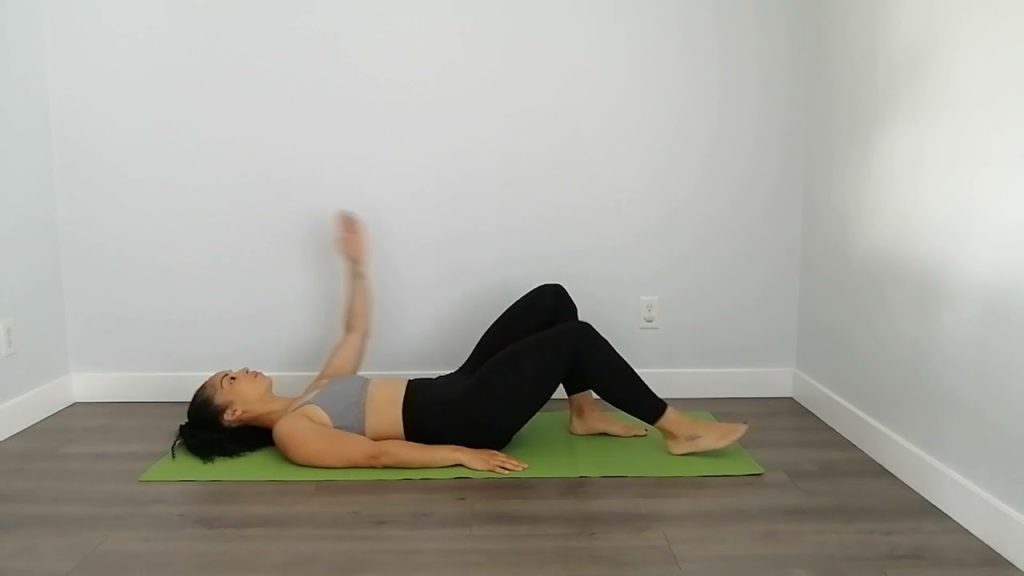
2. Heel Slides
Heel slides are performed slowly; one foot is drawn back while the spine remains neutral, thus the deep core is activated. This is done through very deliberate movements that isolate the transverse abdominis and do not increase abdominal pressure.
3. Leg Raises
The lower abdominal muscles are activated by raising the legs, yet the midline remains unaffected. Core engagement is maintained by the slow and controlled lifts, thus making it possible to strengthen the deep core and help with diastasis recti treatment.
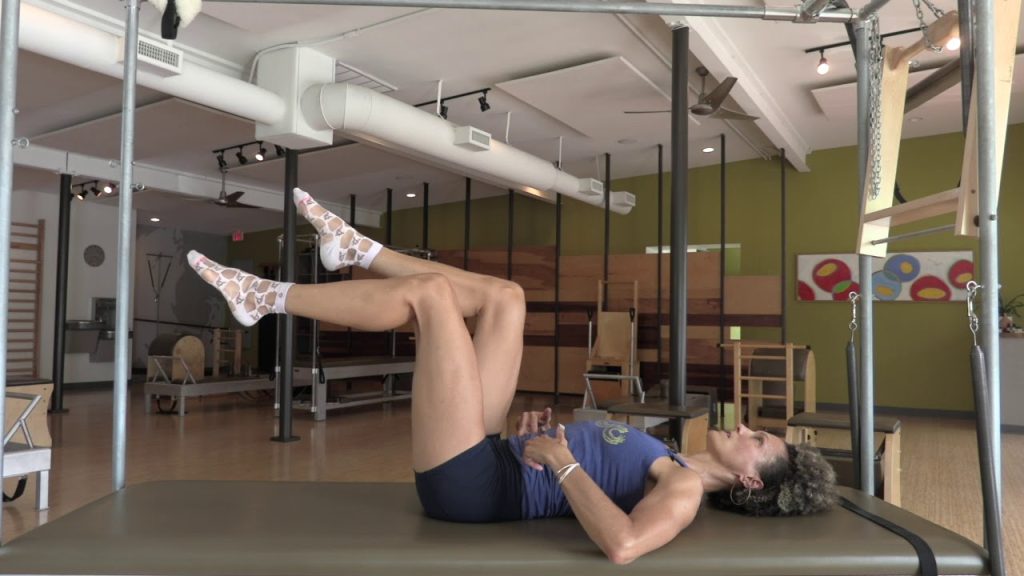
4. Lying Marches
Lying marches: the knee lifts are alternated while lying on your back, using the transverse abdominis. Another factor to note is that only those who alter their habitual movement will see profound transformations.
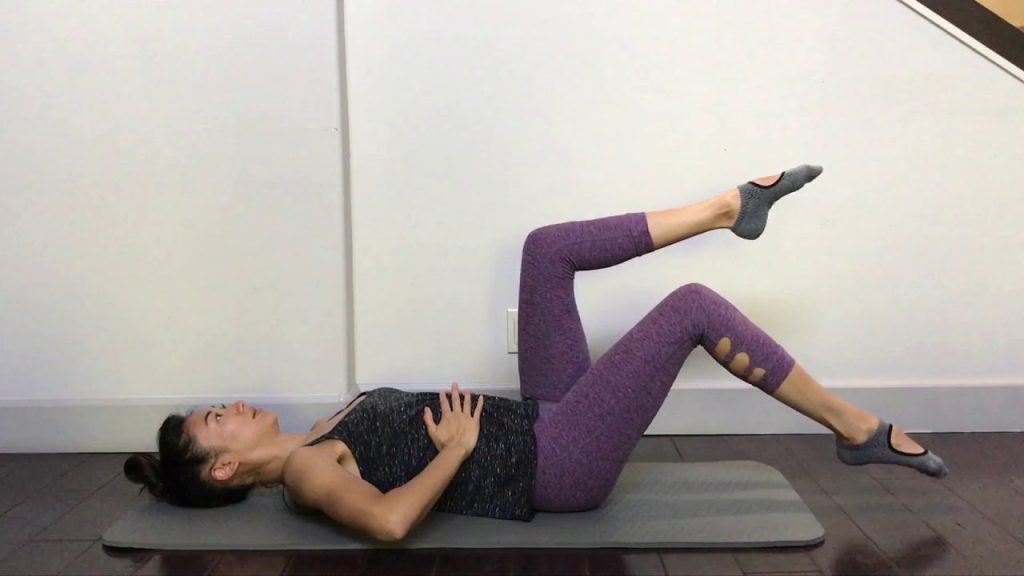
5. Toe Taps
Toe taps, which involve raising and lowering one foot at a time, fortify the lower abdomen. The dynamic action keeps the core engaged and prevents unnecessary stress on the midline.
6. Belly Breathing
The emphasis of belly breathing is on engaging the deep diaphragm, with the belly button pulled towards the spine. It relieves tension, helps activate the core, and enhances oxygen delivery to aid in better muscle recovery.
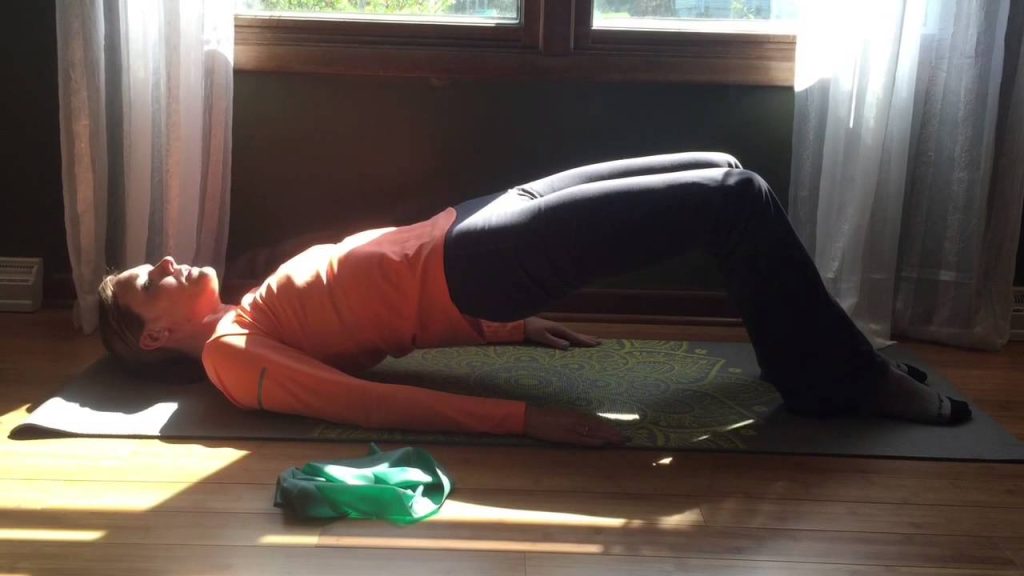
7. Bridging with Belly Scooping
Bridging helps lift the hips and involves engaging the core and pulling the belly in. It enhances the glutes, lower back, and transverse abdominis, and helps achieve overall core stability and recover from diastasis recti.
Benefits of Diastasis Recti Exercises
Regular diastasis recti exercises are beneficial in a variety of ways:
- A weakened abdominal separation.
- Better core stability and strength.
- Reduced lower back pain.
- Increased posture and movement mechanics.
- Hernia and other complications prevention.
- Improved self-esteem and physical attractiveness.
The Role of HIIT Exercise in Diastasis Recti Recovery
HIIT (High-Intensity Interval Training) is a form of exercise that alternates between short, high-intensity activities and rest intervals. HIIT is also associated with greater fat burning, cardiovascular fitness, and muscle tone. But most HIIT exercises are dangerous for people with diastasis recti.
Benefits of Combining Diastasis Recti Exercises with HIIT:
- Loses fat without straining the belly muscles.
- Enhances general fitness and stamina.
- Enhances stabilizing muscles like the glutes, back, and hips.
- Increases metabolism and rate of recovery.
How to Get the Most From Your HIIT Workouts
Peak results using intensity, consistency, and appropriate recovery. Limit the intensity that you push to without straining your form during the sessions.
1. Vary Your Workouts
Alternate exercises, intensity, and training time now and then to avoid a plateau, work different muscles, and make your HIIT training sessions interesting.
2. Focus on Proper Form
Maintaining proper form not only reduces the risk of injury but also ensures that the muscles are fully engaged, allowing you to perform high-intensity movements efficiently and safely.
3. Use a Timer
Set a set time limit for work and rest to remain disciplined, monitor progress, and ensure one puts in the best effort in a particular HIIT session.
Exercises to Avoid With Diastasis Recti
Certain traditional ab exercises can increase the separation between the abs. Avoid:
- Crunches and sit-ups.
- Full planks if not modified.
- Russian twists.
- Any movement that leads to doming, or pelvic bulging along the midline.
Lifestyle Tips to Support Recovery
1. Practice Good Posture
Proper upright positioning helps reduce stress on abdominal muscles, supports the body’s natural healing, and helps prevent deterioration of diastasis recti. Pay attention to alignment in day-to-day operations to keep the core safe and healthy.
2. Use Proper Lifting Techniques
Use the knees and core in lifting things. Do not overstrain the abdominal wall; proper lifting will reduce additional pressure and aid safe recovery from diastasis recti.
3. Wear a Supportive Belt
Postpartum support belts or binders can be used to give pregnant women with weak abdominal muscles some temporary support. These devices also give light pressure to the muscles, help in the recovery of the muscles, and improve core function during daily life and workouts.
4. Avoid Straining During Bowel Movements
Follow a high-fiber diet and stay well hydrated to help prevent constipation. Straining reduces abdominal pressure, heals the muscles, and helps to achieve safe diastasis recti recovery.
5. Breathing Techniques
Breathe on the diaphragm or engage in deep core activities every day. With controlled breathing, the transverse abdominis is strengthened, the core is more stable, the healing process is supported, and the stress on the separated abdominal muscles is reduced.
Conclusion
Diastasis recti exercises, along with modified HIIT routines, are a safe and effective recovery workout. Strengthening the deep core improves posture and abdominal range of motion, supports overall fitness, and allows people to regain strength, self-esteem, and movement without risking further injury.