
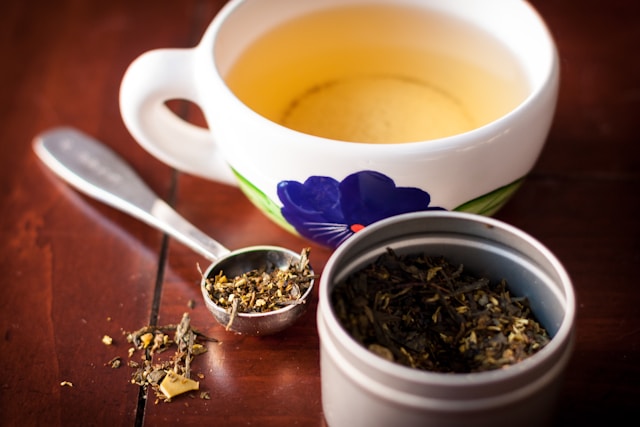
Learn about herbal tea, a caffeine-free drink available in soothing flavors that offers health benefits for digestion, immunity, stress relief, and a healthy sense of well-being.
What Is Herbal Tea?
Herbal tea is a beverage made with healthy, natural ingredients that are steeped in hot Water. The taste is mild and pleasurable, and the consumer benefits from improved digestion, relaxation, and reduced stress, leading to better health and well-being. Consumption of herbal tea by millions of people worldwide daily is primarily due to its health benefits and its bland, relaxing flavour.

A Brief History of Herbal Tea
They used herbs and flowers in their daily lives as drinks and as medicinal sources, as ancient civilizations such as the Egyptians, Chinese, and Greeks had a history of using such products as medicine. The use of herbal infusions was also widespread in Traditional Chinese Medicine and Ayurveda for treating ailments.
However, over the years, herbal tea has evolved from a medicinal drink to a common beverage enjoyed worldwide for its relaxing flavor and medicinal value.
Herbal Tea Types
1. Chamomile Herbal Teas
A very good illustration of a calming tea is chamomile tea; it not only calms but also aids sleep, relaxes the digestive tract, and relieves stress. It has a flowery aroma and is the most suitable drink for relaxation, whole-body conditioning, and relief of minor pain without harsh drugs.
2. Peppermint Herbal Teas
Peppermint tea is a cool, minty beverage that aids digestion, reduces bloating, and relieves headaches. Cooling properties are used to increase energy, relieve stress, refresh the breath, and ease stomach aches.
3. Ginger Herbal Teas
On the other hand, one of the teas, ginger tea, is spicy and hot and is believed to reduce nausea, aid digestion, and boost immunity, among other benefits. It helps minimize Inflammation, increase blood circulation, and naturally relieve pain from colds and digestive issues.
4. Lavender Herbal Teas
The lavender tea scent calms the person and the body, lowers the anxiety level, makes sleep easier, and refreshes the brain. In addition to helping you sleep, its calming plant taste also relieves headaches, stress, and mild stomach troubles.
5. Hibiscus Herbal Teas
Hibiscus tea is a sour-tasting tea like cranberry and contains many antioxidants. It is also friendly to the heart, reduces blood pressure, boosts immunity, supports digestion, and naturally refreshes and hydrates the body.
6. Butterfly Pea Flower Herbal Tea
Butterfly pea tea is a lovely blue tea with an equally gentle, earthly flavor. It contains a high amount of antioxidants, provides brain protection, alleviates anxiety, and supports skin health; it also doubles as a refreshing and relaxing beverage.
7. Lemongrass Herbal Teas
Lemongrass is a citrusy, refreshing tea that supports digestion, reduces bloating, and aids detoxification. One way to relieve stress is herbal tea, which boosts the immune system, relaxes the body, and has moderate antibacterial properties.

7 Health Benefits of Herbal Tea
1. Fights the Cold
The entire lot of herbal teas, which make one feel warm like ginger, peppermint, and chamomile, will help ease a sore throat, clear the sinuses, and accelerate the healing process. They are also natural antioxidants that help the body to combat cold.
2. Boosts Immune System
These herbal teas are also high in antioxidants and vitamins and have antibacterial properties that enhance the immune system. It helps the body build resistance to infection, keeping the entire body healthy year-round.
3. Reduces Inflammation
The majority of herbal teas have anti-inflammatory properties and therefore help alleviate swelling, pain, or digestive system irritation. It is good to consume hibiscus, turmeric, and ginger teas to help with internal Inflammation and support overall body comfort.
4. Anti-Ageing
High-antioxidant-content herbal teas not only help prevent cellular oxidation but also support youthfulness and collagen production. Regular use makes the skin look younger and more energetic, and improves well-being in the long run.
5. Relieves Stress and Anxiety
Herbs such as chamomile and lavender have been scientifically tested to relax the mind, reduce stress hormone levels, and promote relaxation. Even the smell of the herbs themselves is a stress reliever, a focus enhancer, and an emotional stabilizer.
6. Great for Skin Health
Herbal teas are not only a source of moisture for the skin but also a means to combat free radicals and Inflammation, which are the leading causes of acne. Hibiscus and chamomile are herbs that support the skin’s natural detoxification process, helping prevent dullness and loss of brightness.
How to Make Herbal Tea? (Step-by-Step Guide)
5 Steps to Make Herbal Tea
1. Choose Your Herbs
Choose the herbs, flowers, and spices you’d like to use to prepare your tea. Among the common ingredients are chamomile, peppermint, ginger, hibiscus, or a combination of your own favorite herbs. You can use fresh or dried herbs.
2. Boil Water
Put fresh, clean Water into a pot and bring it to a boil. Most herbal teas require hot Water between 95 and 100 ° C to extract flavours and nutrients well.
3. Steep the Herbs
Combine the herbs in a teapot, a c, or an infuser. The herbs are to be placed in a teapot, a cup, or a tea infuser. Put in hot Water, steep, and the time factor varies according to the strength that you want (5-10 minutes).
4. Strain the Tea
Upon infusion, the herbs are to be filtered through a fine-mesh sieve or a tea infuser. This process gives the tea a silky texture, leaving no residue behind.
5. Serve and Enjoy
Serve the tea in the cup. The drink can be served as is or sweetened with honey, lemon, or spices. It can also be mixed with warm or cold Water to make an iced-cold herb tea.
Why People Choose Herbal Tea?
1. Flavor
The choice of flavors in herbal teas is wide, and they can be extremely different: floral or even fruity, spicy or even earthy. Each herb has its own flavor, and it is much appreciated by people who enjoy various flavors and aromatic drinks.
2. Caffeine-Free
The majority of herbal teas contain no caffeine and are thus the best drinks to consume when one does not want to feel jittery, sleep less, or become addicted. Herbs do not interfere with sleep and can be taken at any time of day, whether in the morning, evening, or just before bedtime.
3. Wellbeing
The herbal teas are reported to be healthy. They are also helpful for digestion, reducing stress, improving sleep, boosting immunity, and relaxing your body, depending on the ingredients. People select them as an instinctive way to enhance their day-to-day life.
How can you reduce The Risks of Herbal Tea?
Buy From Reputable Brands
To prevent contamination and poor-quality herbs, use only accepted, certified, high-quality brands in your herbal tea.
Check Where the Product Was Sourced
It is very important to check whether the herb comes from a clean farm that uses no pesticides, as this will lower the risk of toxins, heavy metals, and other contaminants.
Think Belladonna, Not Tomatoes
It is important to keep in mind that some herbs are toxic; do not touch unknown plants. Use safe, recognized ingredients rather than risky or poisonous types of herbs.

Herbal Tea vs. Traditional Tea
| Feature | Herbal Tea | Traditional Tea (Black/Green) |
| Source | Herbs, flowers, fruits | Camellia sinensis leaves |
| Caffeine Content | Usually caffeine-free | Contains caffeine |
| Health Benefits | Varied, depending on herbs | Antioxidants, heart health, energy boost |
| Flavor | Wide variety, aromatic | Slightly bitter or earthy |
Conclusion
Herbal tea is a delicious, caffeine-free beverage with several health benefits. Relaxation, better digestion, stronger immunity, and healthier skin are just a few of its benefits as a natural, calming way to maintain good health and add flavor to everyday life.

