
Discover which oil is healthy for cooking in India, its benefits, and tips for safe use. Learn which oils support heart, brain, and overall wellness while enhancing flavor.
Introduction to Healthy Cooking Oils
Healthy cooking oils create two main benefits because they support health maintenance and improve the taste. The right oil selection delivers essential nutrients while promoting heart health. You can improve your daily cooking choices by learning about oil types and their advantages and correct application methods.
Why Choosing the Right Oil Matters
The inappropriate selection of cooking oil may aggravate the chances of heart disease, obesity, and inflammation. Saturated fats or trans fats are known to increase cholesterol, whereas unsaturated fats in oils can help to enhance heart health, increase immunity, and improve brain function. The choice of the appropriate oil makes your meals nutritious without losing their taste.
Impact of Cooking Oils on Health
Healthy oils should be used regularly and can:
- Lower bad cholesterol (LDL) and raise good cholesterol (HDL) levels.
- Promote brain and heart activity.
- Helps in absorbing fat-soluble vitamins (A, D, E, K)
- Less inflammation, oxidative stress.
The use of the wrong oil, particularly in cooking at high temperatures, may cause the release of toxic substances and free radicals that are toxic to the body.
The Role of Fats in a Balanced Diet
Fats are vital macronutrients that give us energy, help in the uptake of vitamins, and in the production of hormones. The good cholesterol (HDL) and bad cholesterol (LDL) can be affected by healthy fats, including monounsaturated and polyunsaturated fatty acids, which help to keep the heart healthy and generally feel better.
Understanding Types of Cooking Oils
Cooking oils vary in terms of fat structure, processing, and smoke points. These differences are understandable to make informed decisions.
Saturated vs Unsaturated Fats
- Saturated Fats: Solid at room temperature; usually found in coconut and palm oils. High amounts of excess may lead to the risk of heart disease when taken in large quantities.
- Unsaturated Fats: Liquids at room temperature; include olive, sunflower, mustard oils. Healthy to the heart and reduces LDL cholesterol.
Monounsaturated vs Polyunsaturated
- Monounsaturated Fats (MUFA): Olive and mustard oil contain them—benefits: Heart health, insulin sensitivity, and inflammation.
- Polyunsaturated Fats (PUFA): These occur in the sunflower, sesame, and rice bran oils. has important omega-3 and omega-6 fatty acids necessary for the brain and heart.
Which Oil is Healthy for Cooking in India?
The following are the following Oil is Healthy in India?
Ghee
Ghee is clarified butter that is rich in healthy fats and Vitamin A, which is fat-soluble. It enhances digestion and immunity and gives a rich aroma to Indian food, which can be moderately fried and tempered.
Kachi Ghani Mustard Oil
Cold-pressed mustard oil contains high levels of omega-3 fatty acids, antioxidants, and monounsaturated fats. Perfect for frying, sautéing, and pickling, it is healthy to the heart and adds a great taste to Indian cuisine.
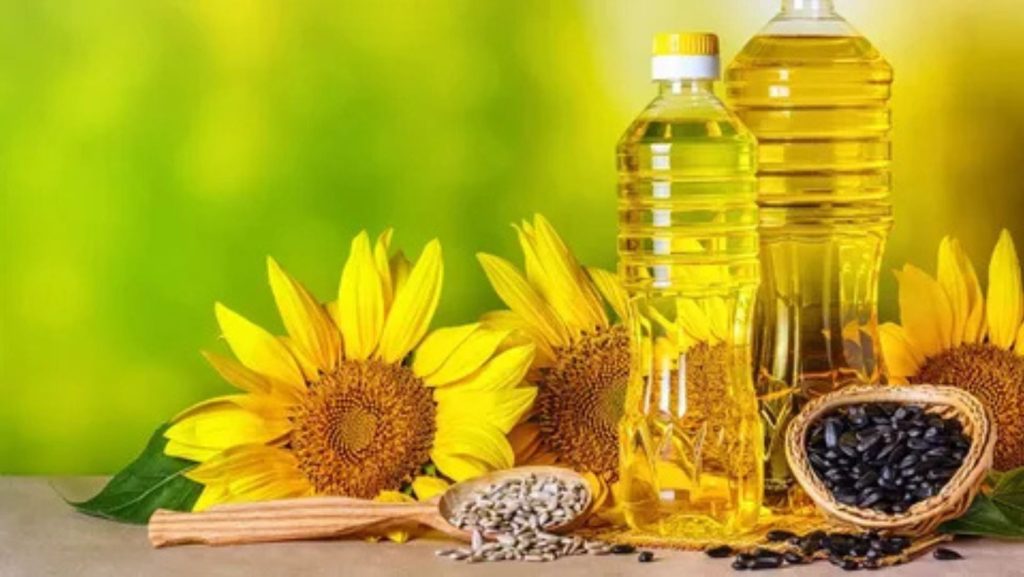
Sunflower Oil
Sunflower oil is light, and it contains vitamin E and polyunsaturated fats. It is appropriate to be sauted, shallow fried, and baked, and helps to keep the heart healthy and balanced in terms of cholesterol when eaten in moderation.
Rice Bran Oil
Rice bran oil has oryzanol, antioxidants, and balanced fatty acids. It has a high smoke point, and therefore it is ideal for deep-frying, stir-frying, and high-heat cooking, and enhances cardiovascular well-being.
Soyabean Oil
Soyabean oil contains omega-3 fatty acids and polyunsaturated fats. It helps in maintaining the health of the heart, lowers cholesterol, and can be used in frying, baking,g and making regular Indian food.
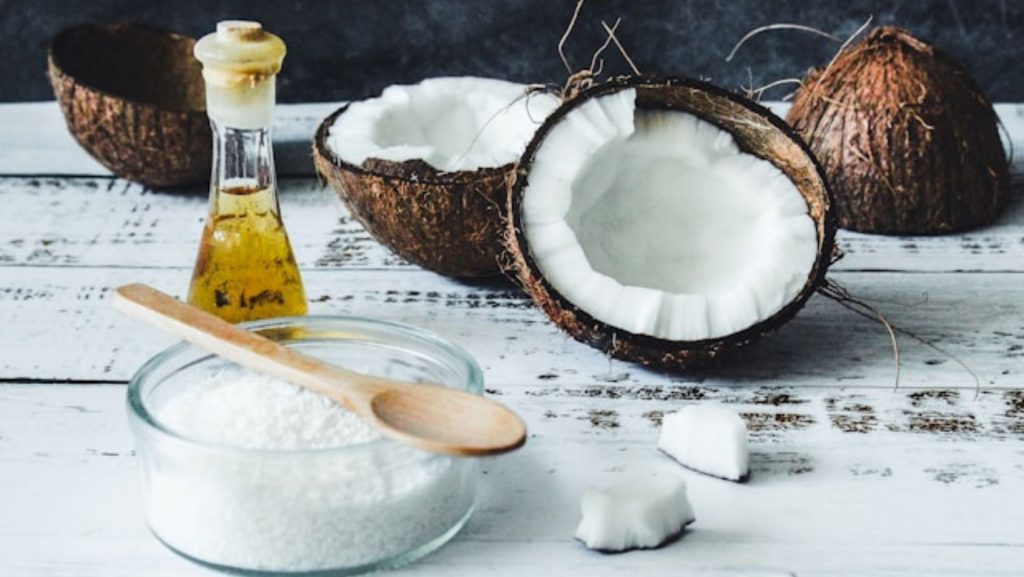
Coconut Oil
Coconut oil has medium-chain triglycerides (MCTs), which increase metabolism and energy. They are best used in light frying, sautéing, and baking, and impart a slight tropical touch to Indian and South Indian cuisine.
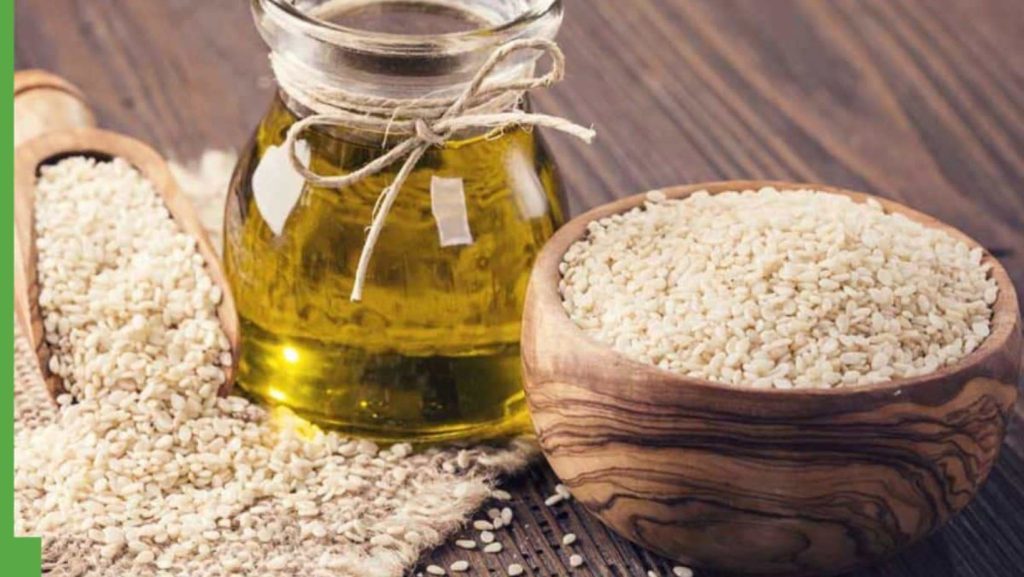
Sesame Oil (Til Ka Tel)
Sesame oil contains polyunsaturated fats, vitamin E, and is an antioxidant that is often used in tempering, sautéing, and South Indian cooking,g and supports heart, bone, and skin health.
Canola Oil
Canola oil has a low level of saturated fat and is rich in omega-3 fatty acids. It is perfect for baking, frying, and regular cooking. It has a mild flavor, which allows it to be used in various recipes.
Best Oils for Different Indian Cooking Methods
- For Tadka/Tempering – Ideal is mustard oil, sesame oil, and ghee (in moderation). They also emit aromatic flavours, are nutrient-retaining, and are ideal for tempering Indian spices in dals or curries.
- For Deep Frying (Pakoras, Puris, Samosas) – Rice bran, refined mustard, refined sunflower oils all withstand high temperatures, do not oxidize, and retain crunchiness, and are less injurious to Indian snacks deep fried.
- For Shallow Frying (Parathas, Dosas, Tikkis) – Rice bran, sunflower, and soybean oils are perfectly balanced in terms of their heat tolerance, neutral flavor, and nutritional value, and are therefore the best choice in shallow frying of Indian bread and snacks.
- For Sautéing and Stir-Frying – Mustard, sunflower, rice bran, and soybean oils maintain aroma and nutritional value, medium heat, and can be used in the preparation of Indian vegetables or as a healthy, but subtle, addition to stir-fry meals.
- For Making Dals and Curries – Mustard, Soybean and Sunflower oils are the ideal ones to simmer dals or curries, as it helps to retain the nutrients, balance the flavor, moderating the cooking temperature of the foods to make them healthy and authentic Indian food.
Common Mistakes When Using Cooking Oils
- Frying oil twice or three times.
- Heating oil over its smoke point.
- Ignoring the type of fat while choosing oils
- Excessive use of saturated fats in everyday preparation.
- Lack of oil storage in the right way, which results in rancidity.
Tips for Using Cooking Oils Safely
- Keep oils in the store in a cool, dark place to keep them fresh.
- Oils with vastly different smoke points should not be mixed.
- Use little oil to limit the number of calories.
- Use cold-pressed or least refined oils.
FAQs
Can I mix oils for cooking?
Yes, blending oils provides flavor and nutrition balance. Oils such as mustard and sunflower oils would be beneficial in supplying healthy fats, antioxidants, and appropriate smoke points for diverse Indian cooking.
Is coconut oil safe for daily use?
Yes, coconut oil can be used in moderation. Its medium-chain triglycerides increase metabolism, they are energy-giving, and also add flavor to light frying, sauteeing, or baking without damaging the heart.
Is olive oil good for deep-frying?
Sure, but light or refined olive oil. Extra virgin olive oil can easily be heated to a low temperature; refined oils can withstand high heat, hence can be used in deep-frying without the loss of nutrients.
Conclusion
The correct cooking oil is crucial to the heart, brain, and general well-being. Ghee, mustard, sunflower, rice bran, and sesame oils contain the necessary fats and antioxidants. Adequate moderation, appropriate usage, and knowledge of smoke points provide healthy and tasty cooking daily.