
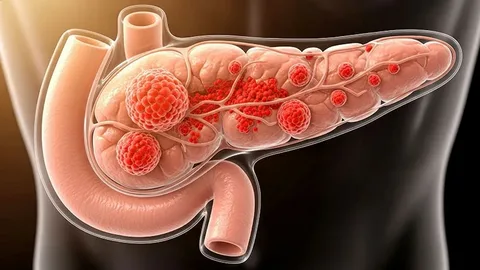
Discover why pancreatic cancer is so deadly, from late diagnosis and rapid spread to limited screening and treatment challenges, impacting survival rates worldwide.
What is Pancreatic Cancer?
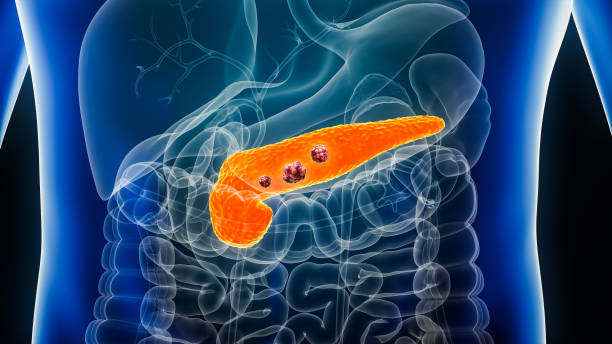
Pancreatic cancer is a form of cancer where the cancers start in tissues of the pancreas, which is an organ found behind the lower stomach. The pancreas is essential in digestion and the normalization of blood sugar through the production of enzymes and hormones such as insulin.
In the case when the abnormal cells of the pancreas grow beyond control, they may create tumors that disrupt the normal functions of the organ and may spread to other body parts. The high fatality rate of pancreatic cancer is associated with the fact that the location of the pancreas is very deep in the abdomen, thus making it hard to detect at the initial stages of the disease.
Main types of pancreatic cancer
There are different types of pancreatic cancer, which are categorized by the type of cells and the location of the tumor in the pancreas. The most popular ones are:
1. Pancreatic Adenocarcinoma
The most common type is called pancreatic adenocarcinoma, which begins in the exocrine cells. It is the most common in causing most pancreatic cancer deaths, and it is also a fast-growing cancer, which tends to spread at an early age.
2. Pancreatic Neuroendocrine Tumours (NETs)
Neuroendocrine tumors are formed out of hormone-producing cells in the pancreas. They are less common, may grow slowly, and in some cases are overgrown with excess hormones, producing symptoms.
3. Exocrine Tumours
Exocrine tumors develop through the cells of the pancreas, which produce enzymes that influence digestion. The majority of pancreatic cancers are exocrine, especially adenocarcinomas, and will be aggressive, having a poor prognosis.
Symptoms of Pancreatic Cancer
Common Symptoms of Pancreatic Cancer
1. Feeling a little tired
Persistent fatigue not improved by rest is a result of early pancreatic cancer, which is caused by energy expended on combating the disease and poor absorption of nutrients.
2. Loss of appetite
The pancreas or digestive system is usually affected by the tumor and is often an early sign of reduced appetite and loss of weight, malnutrition, and weakness.
3. A bit of indigestion
Minor indigestion, bloating, or nausea may be experienced due to the pancreatic tumors disrupting the pancreatic functions of producing and digesting enzymes, which leaves the body unable to digest food effectively.
Serious Symptoms
1. Jaundice (yellowing of the eyes)
The skin and eyes may get yellow as a result of the tumor blockage of the bile duct, which leads to bile accumulation. The symptom is usually an indicator of advanced pancreatic cancer.
2. Changes in bowel habits
Pancreatic cancer can cause diarrhea, greasy stool, or constipation through the loss of enzyme secretion, which impacts digestion and uptake of nutrients, which are possible indicators of the disease.
3. Abdominal or back pain
Abdominal pain or back pain can be common symptoms because the tumor pressing on the nerves or the organs surrounding it can usually get worse with time and, in some cases, spread to the back.
Why Is Pancreatic Cancer So Deadly? 5 Key Reasons
Pancreatic cancer is very aggressive and deadly, and has been known as a silent killer. There are still low survival rates despite medicine. These are the five major reasons why it is so deadly.
1. Late Diagnosis
The tumours grow deep within the abdomen, making pancreatic cancer difficult to diagnose at advanced stages. Initial symptoms are non-specific, such as fatigue, nausea, or stomachache, slowing down the disease diagnosis and minimizes treatment opportunities.
2. Aggressive Nature
The cancer of the pancreas develops and extends quickly, and brings about an invasion of adjacent organs like the liver and the intestines. It grows aggressively, and therefore, there is little time to treat it; thus, the traditional treatment approaches, such as chemotherapy, may not do as much good.
3. Early Metastasis
Even young pancreatic tumors often spread to other body organs such as the liver and lungs. Metastasis makes the treatment challenging, which results in the lowest possible survival rates and generates additional challenges in successful intervention.
4. Lack of Effective Screening
There is no routine and reliable screening test for pancreatic cancer. The majority of them are not found before the symptoms develop, and the disease may develop without being noticed, resulting in the loss of the opportunity for life-saving treatment.
5. Resistance to Treatment
The tumors of the pancreas are not very responsive to the majority of commonly used therapies, such as radiotherapy and chemotherapy. Thick tumor masses prevent the delivery of drugs, and high-rate mutation in cells diminishes the effect of therapy, which makes the treatment extremely difficult and the prognosis low.

5 things to know about pancreatic cancer
Pancreatic cancer is aggressive and causes nonspecific symptoms.
Pancreatic cancer develops very quickly and tends to give indistinct symptoms such as abdominal pain, tiredness, or weight loss. Thus, it is hard to detect at an early stage,e and not until it is at its advanced stages.
Diagnosing pancreatic cancer is a multi-step process.
Doctors use blood tests, imaging scans, and biopsy procedures to confirm pancreatic cancer because none of them has been confirmed to detect this disease early.
The cause of most pancreatic cancers is unclear.
Even though there are such risk factors as smoking, obesity, and family history, the majority of pancreatic cancers arise without a well-defined cause, which makes it difficult to prevent and detect at an early stage.
There’s no good way to screen for pancreatic cancer.
Pancreatic cancer, in contrast to breast or colon cancer, does not have any regular screening, which implies that it is usually detected at advanced stages when no effective mode of treatment can be offered, and the prognosis is miserable.
Treatments and outcomes are improving.
Surgery, chemotherapy,y and targeted therapies have been advancing slowly to increase the survival rate,s but pancreatic cancer is very deadly given that it is mostly diagnosed at advanced stages and the cancer itself is very aggressive.
Treatment Options for Pancreatic Cancer
The pancreatic cancer can be treated based on the type of the tumor, its stage, and the overall health of the patient. A combination of therapies is among the commonly used methods of good management and improved results by doctors.
1. Surgery
Surgery is used to remove localized tumors and adjacent tissue, such asthe Whipple procedure. Surgery is best used at early stages of cancer and is usually encompassed by chemotherapy or radiation.
2. Chemotherapy
Chemotherapy involves strong drugs that are directed at the cancer cells and destroy them. It is most commonly used in the post-surgical period or in cases of advanced pancreatic cancer in order to slow down tumor growth.
3. Radiation Therapy
Radiation therapy focuses the high-energy beams on cancer cells and destroys their DNA. It is used with chemotherapy quite often to improve effectiveness and control tumor development.

Prognosis and Survival Rates
The survival rates of pancreatic cancer patients show considerable differences depending on the stage at which their cancer is diagnosed.
The treatment success rates for early-stage pancreatic cancer exceed those of stage 4 pancreatic cancer, which shows that the disease has spread to other parts of the body.
The development of new medical research and treatment methods helps produce better patient results, but the need for early disease detection continues to be essential.
What is Pancreatic Cancer Caused By?
The growth of pancreatic cancer occurs with the occurrence of DNA mutations in the pancreatic cells, which leads to their uncontrolled proliferation. Such contributing factors may include:
- Smoking
- Chronic pancreatitis
- Diabetes
- Obesity
- Certain genetic syndromes
Although there are some influences of genes and lifestyle, the exact cause is usually multi-factorial and differs among individuals.
Prevention and Early Detection
Although pancreatic cancer cannot always be prevented, some measures can decrease its risk:
- Vitamin-free habits (no smoking, less drinking, etc.).
- The individual should maintain a normal weight and diet.
- treat chronic diseases such as diabetes.
- Genetic counseling should be done in case of a family history.
- Regular screening (imaging tests) may be useful for high-risk individuals.
Conclusion
Pancreatic cancer has been one of the most fatal cancers because it is diagnosed late, grows fast, metastasizes early, has few symptoms, and is treatment-resistant. Knowledge of symptoms, risk factors, and treatment progress can help in early disease detection, better results, and provide hope despite its aggressiveness.