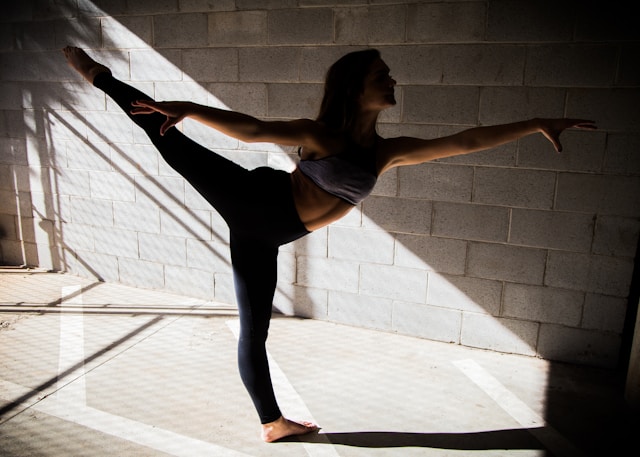
7 yoga asanas improve leg strength naturally. Build stronger thighs, calves, and balance with simple poses, boosting flexibility, endurance, and fitness yoga tips.
Introduction to Yoga for Leg Strength
Yoga functions as an effective natural method that develops strength, flexibility, and balance through its practice without requiring any gym equipment. The most practical benefit of this study is that leg strength improves as its most important result. Daily activities, body alignment, and general body stability depend on having powerful leg muscles.
Why Strong Legs Matter for Overall Health
People need strong leg muscles to walk, run, and climb stairs, and keep their balance. Strong legs provide two main advantages because they decrease injury chances and help people keep good body alignment while they protect crucial joints, including knees and hips.
People who have weak leg muscles will experience exhaustion and unsteady walking abilities, and they will develop permanent problems with movement.
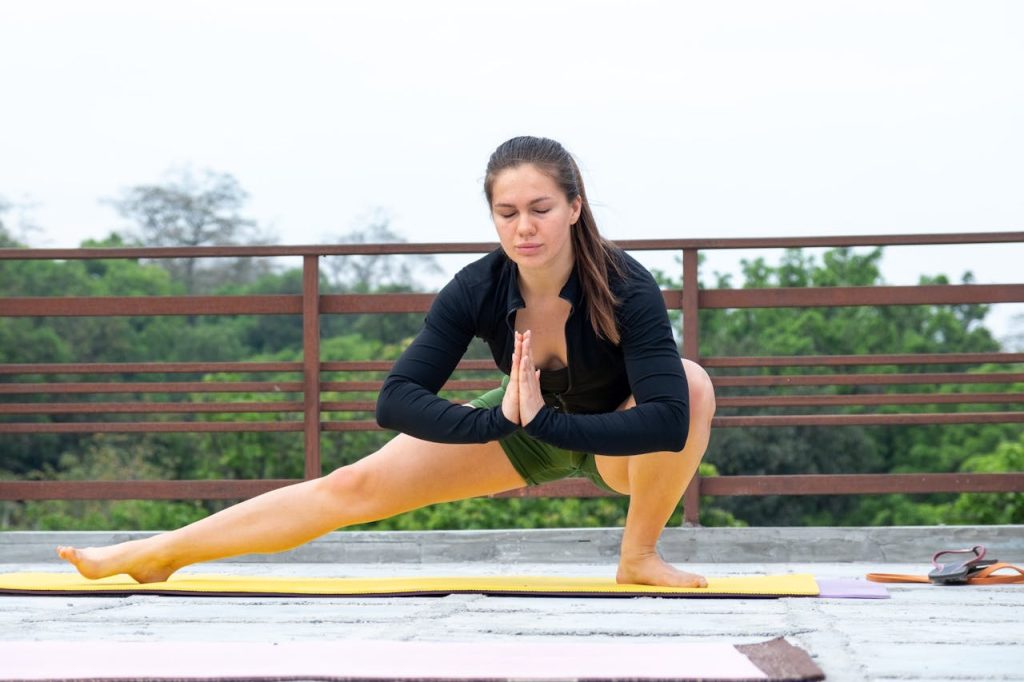
How Yoga Builds Muscle Strength Naturally
Yoga uses body weight resistance along with controlled movements and sustained poses to activate deep muscle fibers. Yoga practice develops muscles at a slow pace while increasing flexibility and stamina, which makes the practice suitable for everyone regardless of their fitness level.
Yoga asanas serve two purposes because they improve physical health while enhancing overall well-being. The exercises prepare the body for meditation while they assist in creating and maintaining a balanced state of existence.
Importance of Yoga Asanas in Daily Life
Physical Benefits of Yoga Asanas
Yoga asanas help people develop better flexibility while they build muscle strength and improve their body posture, and protect their joints. The method helps people who sit for extended periods because it decreases body stiffness and enhances breathing capacity and blood circulation.
Mental and Emotional Benefits
Yoga asanas help people decrease their stress levels and anxiety symptoms while they recover from mental exhaustion. The techniques induce relaxation by alleviating nervous system tension, which leads to improved concentration. Many people who practice consistently experience enhanced emotional balance and better sleep throughout the night.
Types of Asana Yoga
- Seated Poses: The effects of sitting postures include better meditation, relaxation, body position, and flexibility, as well as support for breathing and mental relaxation exercises.
- Standing Poses: The advantages of standing postures include the building of body strength, balance, body positioning, stability, improved posture, and concentration.
- Supine & Prone Poses: Lying down postures have the benefits of spine strengthening, opening up of the chest cavity, better digestion, and improved flexibility through backbending.
- Inverted Poses: Inverted postures have benefits that include better circulation, hormonal activity, reduced fatigue, and energy improvement.
7 Yoga Asanas That Can Help Improve Leg Strength
1. Tadasana (Mountain Pose)
Tadasana strengthens thighs, knees, and ankles while improving posture and balance. The practice activates lower body muscles in equal measure to create a solid base that supports both standing yoga poses and all daily movements.
2. Virabhadrasana I (Warrior I Pose)
Warrior I strengthens quadriceps, calves, and glutes while improving endurance. The exercise requires complete activation of leg muscles, which increases stability and develops lower-body strength through the controlled forward lunge movement.
3. Virabhadrasana II (Warrior II Pose)
Warrior II improves thigh strength, together with knee stability and overall leg endurance. The exercise develops balance together with focus, while both legs receive equal strengthening through a wide stance, which requires sustained holding.
4. Utkatasana (Chair Pose)
Chair Pose develops intense muscle strength in the thighs, together with hamstrings and calves. The exercise develops muscular endurance because it requires core and lower body muscles to maintain stability while simulating the experience of sitting on an invisible chair.
5. Trikonasana (Triangle Pose)
The triangle pose develops strength in the thighs, together with the knees and ankles, while enhancing flexibility. The exercise improves balance while leg muscles stretch, and body coordination develops, which enables the user to achieve both strength and lower-body mobility.
6. Malasana (Garland Pose)
Malasana strengthens the hips together with thighs and calves through deep squat positions. The exercise enhances ankle flexibility while improving joint mobility, and it trains users to develop functional leg strength through natural squatting movements.
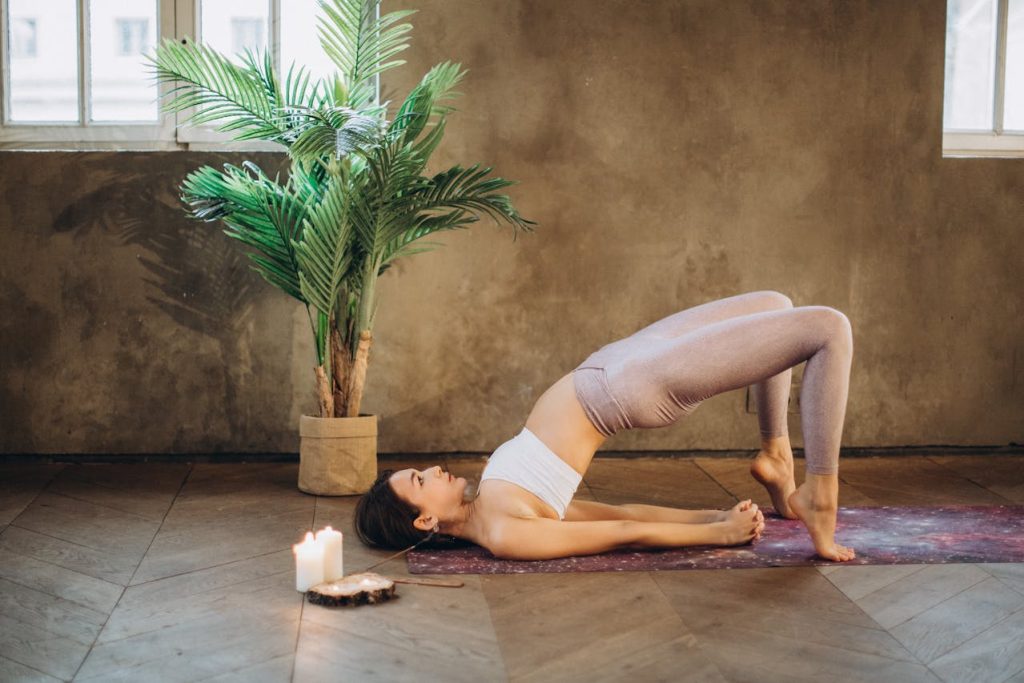
7. Setu Bandhasana (Bridge Pose)
The bridge pose develops strength in both hamstrings and glutes while protecting lower back health. The exercise improves hip stability while it activates posterior leg muscles to help the body achieve balance after extended periods of sitting.
Benefits of Practicing Asana Yoga
Improved strength and flexibility
The practice of yoga asanas increases muscle strength and enables better joint movement, and develops physical endurance and body control functions in a natural way.
Better posture and balance
The practice of yoga helps to straighten the spine and maintain proper body alignment while enhancing balance and reducing both slouching and muscle-related body issues.
Enhanced circulation and cardiovascular health
Through their practice of asanas, participants experience increased blood circulation, better cardiac performance, and enhanced heart health and oxygen delivery systems.
Stress and anxiety relief
Through its practice, yoga helps to calm the nervous system while decreasing stress hormones and promoting mental relaxation, emotional stability, and inner peace.
Better digestion and breathing
Through their practice of asanas, participants activate their digestive system while developing their ability to breathe deeply and control their breath.
Improved sleep quality
The practice of yoga helps people achieve mental and physical relaxation while solving their insomnia problems and enabling them to experience deep, restful sleep throughout the night.
Step-by-Step Guide to Practicing Yoga Asanas
Preparing for Yoga Practice
You need to select a quiet location, put on comfortable clothes, and use a yoga mat. The best time to practice yoga occurs when your stomach is empty, or you have waited 2 to 3 hours after eating.
Correct Breathing Techniques
Yoga requires practitioners to maintain breathing throughout their practice. The proper breathing technique requires deep nasal inhalation followed by a brief breath pause before performing a gradual exhalation. Controlled breathing enhances the effectiveness of each yoga pose.
Common Mistakes to Avoid
Do not force yourself into hard postures, hold your breath, and practice yoga without warming up. It is more important to be consistent and well-aligned rather than fast.
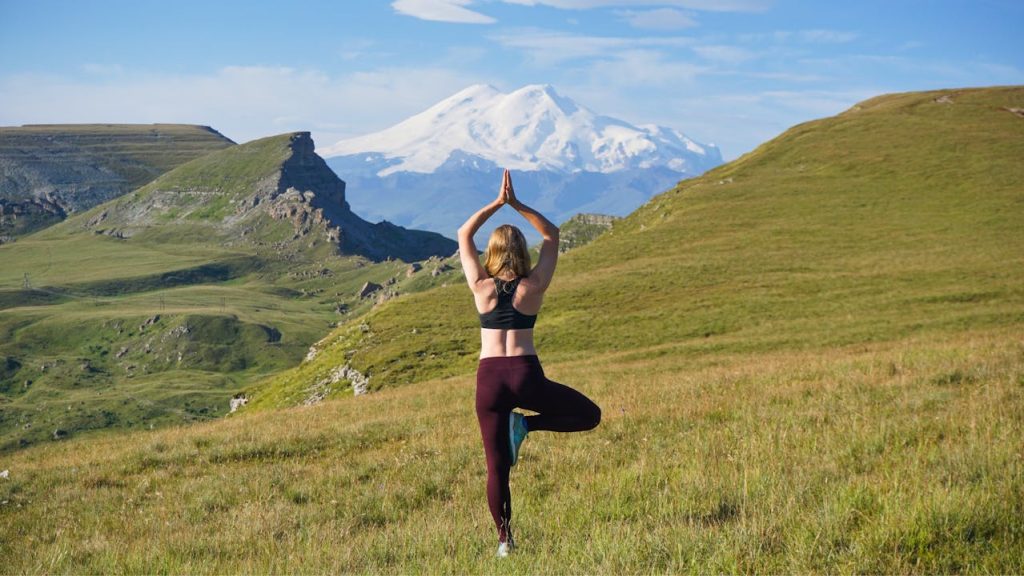
How These Yoga Asanas Improve Leg Strength
The seven yoga exercises complement each other to build:
- Strength in leg muscles
- Balance and stability
- Flexibility and joint movement
- Endurance for everyday activities
- Prevention of injuries and correction of posture
The muscles in the legs are not built with weight training but through posture, muscle engagement, and improved body control. Through this approach, muscles in the legs become strong and well-conditioned.
Who Can Practice Yoga Asanas?
Yoga asanas are appropriate for everyone because they can be practiced by beginners, children, adults, and older adults. The exercises can be modified to match different levels of fitness. People with medical conditions or injuries need to see a doctor before they can safely perform advanced yoga postures.
Role of Yoga Asanas in Modern Lifestyle
Yoga asanas play an important role in modern lifestyle by reducing stress levels while increasing flexibility and enhancing mental concentration. The exercises enable people to maintain their daily activities while achieving their fitness goals and building their emotional strength and overall health.
Conclusion
The practice of these seven yoga asanas helps to develop leg strength, stability, and flexibility. The exercises enable users to develop their endurance, improve their posture, and enhance their overall ability to move without requiring any heavy equipment.
The practice of yoga at regular intervals will help people develop stronger muscles in their lower body and improve their ability to move throughout the day, which will benefit their health in the future.