Find out plantar fasciitis exercises that can help you get rid of heel pain, make your foot more flexible, and be stronger. Adopt safe and effective routines for permanent relief.
Introduction
Specific stretching and strengthening exercises for plantar fasciitis help relieve pain, reduce inflammation, and improve the flexibility of the plantar fascia, a thick band of tissue along the bottom of the foot. These are the exercises usually prescribed to treat plantar fasciitis, one of the most common causes of heel pain.
Repetitive stress, tight calf muscles, poor footwear, prolonged standing, or overuse are usually the causes of plantar fasciitis. Regular exercise can significantly reduce symptoms and help prevent future exacerbations.
Understanding Plantar Fasciitis
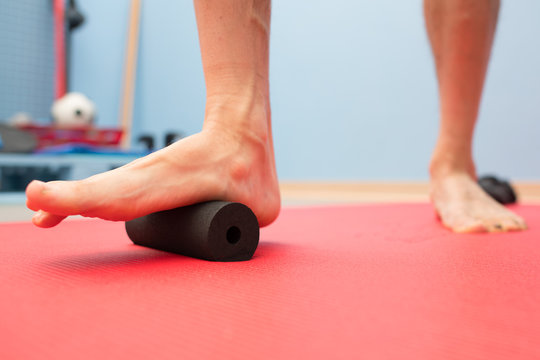
Plantar fasciitis is normally caused by repetitive strain or excessive pressure exerted on the feet. It usually occurs in runners, individuals who stand for long periods, those with flat feet or high arches, and those who use unsupportive shoes.
Common Symptoms
- Pain along the heel, particularly in the morning.
- Suffering from pain following prolonged standing and walking.
- Pain follows exercise, not during it.
- Rigidity of the sole or Achilles tendon.
Exercises can be used to solve these problems by tightening the inflamed tissues and reinforcing supporting muscles.
Benefits of Physical Therapy for Plantar Fasciitis
Reducing inflammation and tension
Physical therapy can reduce muscle inflammation and tightness through specific exercises and manual manipulations, eliminating heel pain and discomfort and helping heal the plantar fascia.
Increasing range of motion and flexibility
Stretching the foot and ankle can enhance flexibility, increase range of motion, reduce stiffness, and enable a patient to move pain-free while walking, standing, and performing daily activities.
Strengthening supporting muscles
Physical therapy builds up the muscles of the feet, ankles, and calves that support the arch, helping reduce overuse of the plantar fascia and preventing future flare-ups.
Teaching proper movement techniques
The therapists teach correct walking, standing, and exercise techniques to avoid poor movement habits that may reinjure the foot or worsen plantar fasciitis symptoms.
Improving walking and standing ability
Physical therapy improves your walk, standing, and day-to-day activities, helping you move comfortably and confidently without continued foot pain, thereby increasing your strength and flexibility.
Why Exercises Are Important for Plantar Fasciitis
The exercises for plantar fasciitis also help stretch and strengthen the muscles, ligaments, and tendons of the foot and lower leg. Exercise helps relieve stress on the plantar fascia, enhances blood flow, and prevents stiffness, particularly in the morning after a long sleep.
Plantar Fasciitis Exercises to Try at Home
1. Heel Raises
Get on your feet, raise your heels gradually, and set them down slowly. The exercise enhances the strength of the calf muscles and the stability of the feet, and decreases plantar fascia strain.
2. Calf Stretches
Place the foot at the back of the wall, take one step back, and press the heel. Stretching to loosen tight calf muscles would help reduce tension on the plantar fascia.
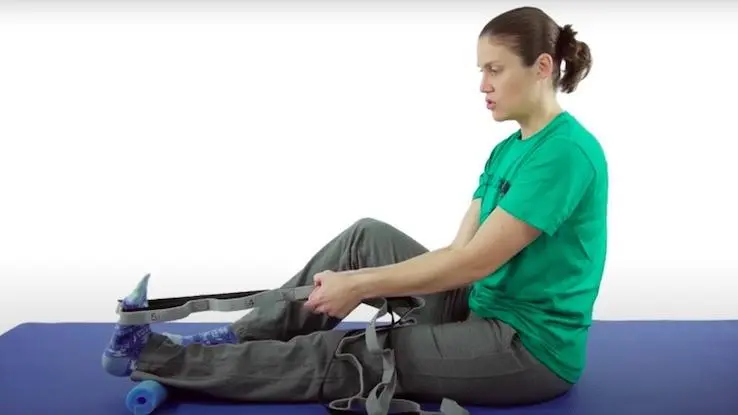
3. Towel Stretches
Find a chair and take a towel. Wrap it around the ball of one foot. Pull the towel towards you and, at the same time, stretch the arch and the heel. Especially in the morning, before walking, let the heel and arch move freely.
4. Toe Extensions
Get down on the floor and stretch your toes backward using your hand until you feel a stretch. This will help the plantar fascia become more flexible, in turn reducing stiffness and heel pain.
The 6 Best Plantar Fasciitis Exercises To Help Relieve Foot Pain
Calf Stretch
Stand with one foot turned to the wall, and one foot behind, and feet flat, and lean forward gradually. This is because this stretch helps relax tight calf muscles, increase ankle flexibility, and reduce pressure on the plantar fascia during walking.
Toe Stretches
Sit in a comfortable position with your shin, and use your hand to bring your toes to the shin. Stretch plantar fasciitis pa. Things to do: Hold briefly to stretch the foot ligaments, increase flexibility, improve circulation, and reduce morning stiffness during daily movement routines.
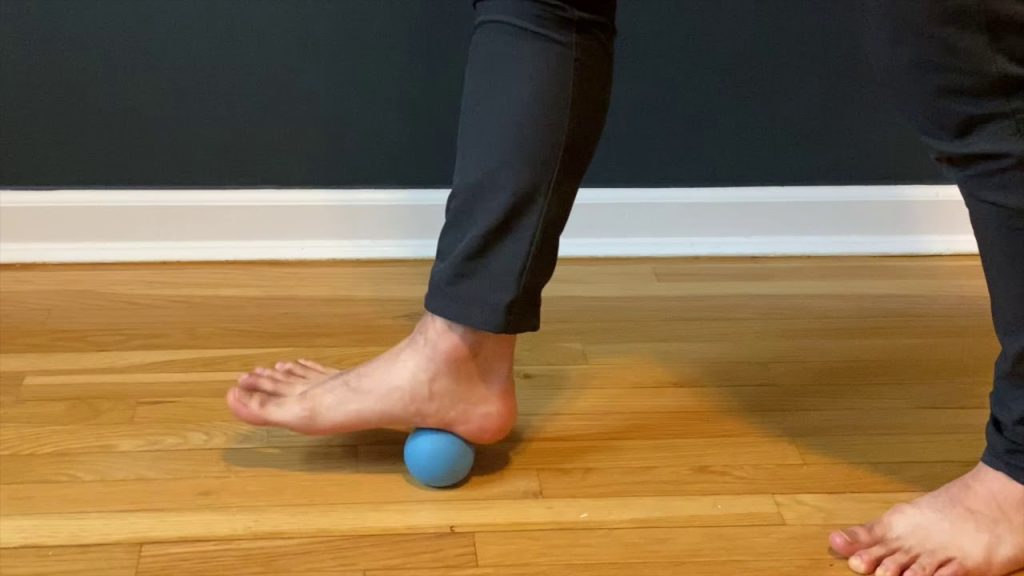
Golf Ball Roll
Take a golf ball and position it under your foot, then roll it slowly heel to toe. This massage method reduces inflammation, enhances blood circulation, relieves tension, and loosens tight plantar fascia to alleviate daily pain.
Arch Stretch
Sit and place the foot on the opposite knee, and then slowly pull the toes. The stretch works on the arch, enhances flexibility, alleviates tension, and reduces discomfort from plantar fasciitis when standing, walking, and during other everyday activities.
Towel Curl
Lay a towel square onto the floor and scrunch it with your toes. This activity enhances foot muscles, maintains arches, and increases grip and overall foot stability during balance, posture, and movement.
Heel Raises
Get on your feet, raise your heels gradually, and set them down slowly. Heel raises help strengthen the calves and arches, promote balance, and reduce strain on the plantar fascia during walking, running, and standing.
Strengthening Exercises for Plantar Fasciitis
Building the muscles of the foot and lower leg enhances stability and reduces stress on the plantar fascia.
1. Marble Pickups
Pick up small things like marbles with your toes. The exercise enhances the development of both the foot’s arch strength and coordination.
2. Heel Raises
Position your body on your feet, then slowly lift the heels off the floor and let them down again. This exercise strengthens the calf muscle and enhances overall mechanics.
3. Arch Lifts
Stand still, do not bend your toes, but lift the arch of your foot. This enhances intrinsic foot muscle control.
Plantar Fasciitis Exercises to Avoid
During the healing process, avoid activities that worsen heel pain—such as high-impact exercise, running, and jumping —since they put undue pressure on your feet. Deep squats may also place greater pressure on the plantar fascia, slowing recovery and making them more painful.
When to Perform These Exercises
- Morning: Before you take your first steps.
- With lengthy intervals of sitting.
- Following a workout or standing up.
- Daily, for best results
Consistency is more significant than intensity.
How Often Should You Do Plantar Fasciitis Exercises?
To achieve optimal outcomes, plantar fasciitis exercises must be done daily or no more than 5 times a week. It is possible to stretch several times a day, particularly in the morning and after standing for long hours. Strengthening exercises may be performed after one training session per day, and with time, the repetitions should be increased as the pain reduces.
Tips for Safe and Effective Exercise
- Stretching your feet beforehand is best before warming them up.
- Do exercises slowly and do not overdo it.
- Wear supportive shoes all day long.
- Keep with it and be patient with your routine.
- Stop exercises when the pain becomes critical.
FAQs
Are plantar fasciitis exercises safe?
Yes, if done correctly and softly. Movements that lead to sharp pain should be avoided, nd in case of worsening symptoms, the doctor should be consulted.
Can I exercise if I have heel pain?
Low-impact activities, such as yoga and stretching, are usually considered safe, while high-impact activities, such as running, should be avoided until the pain completely resolves.
Conclusion
The exercises for plantar fasciitis are significant not only for relieving heel pain but also for restoring the foot’s function to normal. These movements, through gradual stretching and strengthening,y, will reduce inflammation, increase elasticity, support the healing process, and help prevent the recurrence of plantar fasciitis flare-ups.