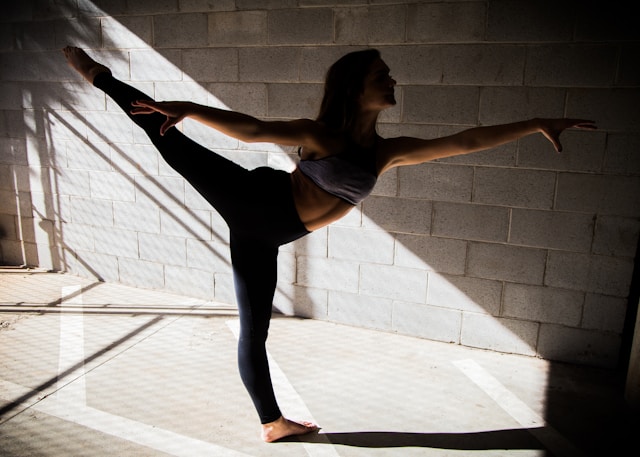

Discover the Bird Dog Exercise: a simple, equipment-free workout that strengthens core, back, and glutes while improving balance, posture, and overall stability.
Introduction to Bird Dog Exercise
Core-strengthening, balance, and stability exercises are becoming popular in the contemporary fitness industry. A similar positive exercise is the Bird Dog Exercise. It is an easy workout that requires no equipment and can be done anywhere, making it suitable for both beginner and more advanced athletes.
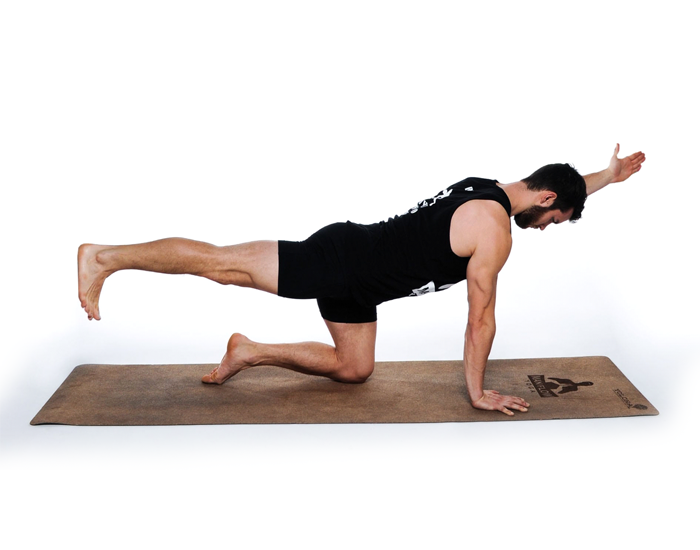
The Bird Dog Exercise is named after the position it resembles: a dog pointing forward, with one arm and one leg straight. This mainly targets core muscles, but it also involves the lower back, glutes, and shoulders, making it a practical whole-body exercise.
What is Bird Dog Exercise?
Bird Dog Exercise is a bodyweight exercise performed in the quadrupod position, that is, on hands and knees. It entails extending one arm straight forward while extending the other leg straight backward. This movement involves your core, back, glutes, and shoulders, and requires stability and balance.
The main aim of the Bird Dog Exercise is to strengthen the core and stabilize the spine. The Bird Dog exercise is a coordinated movement vital to functional fitness and injury prevention, unlike exercises that train one muscle at a time.
What are the benefits of the bird dog exercise?
Strengthens core muscles
The bird dog activity targets the abs, obliques, and lower back muscles, strengthens the core, improves stability, and generally enhances whole-body control in day-to-day activities and sports.
Supports good posture
Bird dog exercises help keep the spine straight by engaging the back muscles and stabilizing it during all-day activities.
May ease lower back pain
Bird dog exercises help stabilize the supporting muscles around the spine, reduce the load on the lower back, improve spine alignment, and even relieve chronic or sporadic lower back pain.
Helps with balance and mobility
This workout requires coordination, involves numerous muscles, and improves balance, joint mobility, and controlled movement, thereby enhancing athletic performance and reducing falls and injuries.
Increases Flexibility
The developed extensions in the bird dog enhance the flexibility of the spine, hips, and shoulders, improving range of motion, reducing stiffness, and helping prevent injury during physical activity.
Improves Posture
Bird dog exercises enhance back and core stability to keep the spine aligned, prevent imbalances, minimize slouching, and promote an upright, healthy posture for daily life and sporting activities.
Bird Dog Exercise Modifications and Variations
1. Leg-Only Bird Dog
Targets hamstrings, glutes, and lower back, lower-body strength and stability without excessively straining the core by positioning only the leg at extension with the arms in a stationary position.
2. Leg-Down Bird Dog
Working outside the normal stance, gradually lower the raised leg without contacting the surface, increasing activity in the hamstring and glute muscles, improving control, and developing lower back and hip stability.
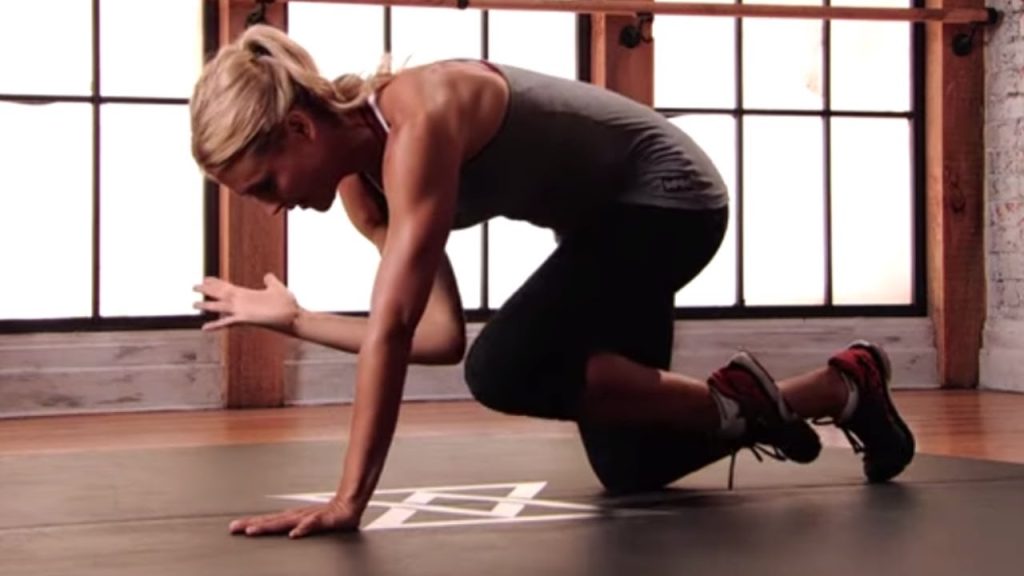
3. Elbow-to-Knee Bird Dog
Bend the opposite elbow towards the knee, maintaining stability by using core, oblique, and spinal stabilizers, enhancing coordination, strength, and functional movement patterns.
4. Weighted Bird Dog
Create resistance to the movement by adding lengths of ankle or hand weights to intensify the glutes, hamstrings, and core responses during the development of advanced strength, stability, and endurance.
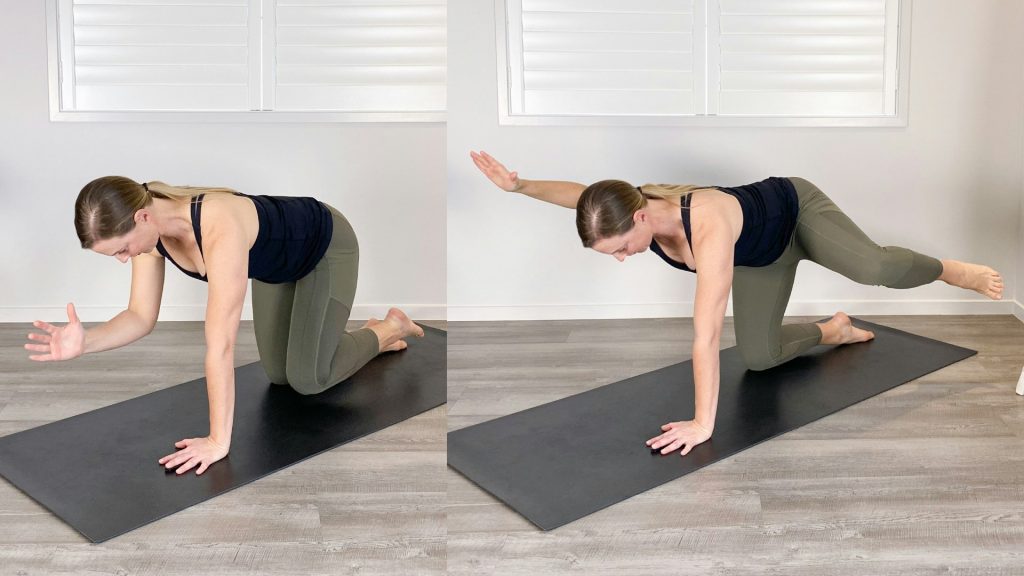
5. Plank Bird Dog
Play the bird dog in a plank position, not on hands and knees, which increases core, shoulder, and hip involvement and enhances overall body strength, balance, and stability.
How to Perform the Bird Dog Exercise Correctly?
Start Position
Start on hands and knees, wrists under shoulders, knees under hips, spine neutral, and head aligned and centred to avoid injuring the core and back muscles.
Engage Core
To keep the abdomen, pelvis, and spine stable to prevent sagging and tilting, and to prepare for safe arm and leg extensions, tighten the abdominal muscles, keep the pelvis steady and straight, and stabilize the spine.
Extend Opposite Arm and Leg
At the same time, place your right arm forward and your left leg backward to create a straight line from the tips of your fingers to your toes, and hold the pose for 35 seconds without losing balance or core engagement.
Return to Starting Position
Gradually, by gradually, the extended arm and leg are brought back to the quadrupod position under control and in alignment, and then on the other side to strengthen equally.
Repetition
Do 8-12 reps on each side with beginners; with more advanced users, 15-20 reps may be performed, or variations may be used to make it more intense, improve balance, and strengthen the core.
Bird Dog Exercise in Rehabilitation
Physical therapy programs often recommend the bird dog exercise. It is low impact and therefore suitable for:
- Lower back pain recovery
- Postural correction
- Post-traumatic strengthening.
- Rehabilitation of spinal or hip problems.
Its emphasis on spinal positioning and controlled movement aids patients in recovery by enabling safe strength regain without straining the injured parts.
Common mistakes to avoid:
- Twisting your lower back: Do not bend your back; extend your body parts. Turning causes a lack of engagement in the core, load on the lower back, and loss of stability. Concentrate on the maintenance of a square and controlled torso during movement.
- Arching your lower back: Do not let it arch too much. Keep the spine straight with the help of the core and glutes to ensure it is not straining, and the whole exercise is most effective.
- Holding your breath: Breath in intervals during the exercise. Breathing in a lot of air can spread tension, limit the supply of oxygen to the muscles, and lead to instability. Breathe out in extension, then inhale as one returns to the starting point.
Who Should Do the Bird Dog Exercise?
1. Beginners
The Bird Dog Exercise is easy, low-impact, and simple to learn; therefore, it is safe for beginners to develop core strength, balance, and total stability.
2. Athletes
The Bird Dog can help athletes improve core stability, functional strength, coordination, and posture, thereby enhancing performance in sports and dynamic movements.
3. Individuals with Back Pain
By engaging in this exercise, the lower back and core muscles become stronger without placing undue stress on the body, helping people with back pain become more stable, less painful, and less likely to further damage.
4. Elderly
The Bird Dog enhances balance, coordination, and spinal stability in older people, minimizing the risk of falls and helping retain functional strength to act safely in everyday life.
FAQs
Is Bird Dog suitable for beginners?
Yes, Bird Dog is low-impact, easy to master, and best for practicing core strength, stability, and balance with minimal risk of injury.
Do I need equipment to do Bird Dog?
No equipment is required. Body weight used by Bird Dog, it is easy to do anywhere to strengthen the core and back.
Conclusion
The Bird Dog Exercise is a low-impact, core-strengthening, back-strengthening, glute-strengthening, balance-strengthening, posture, and flexibility-strengthening, and rehabilitation-strengthening exercise. It is appropriate for any level of fitness and improves functional strength and body stability.