
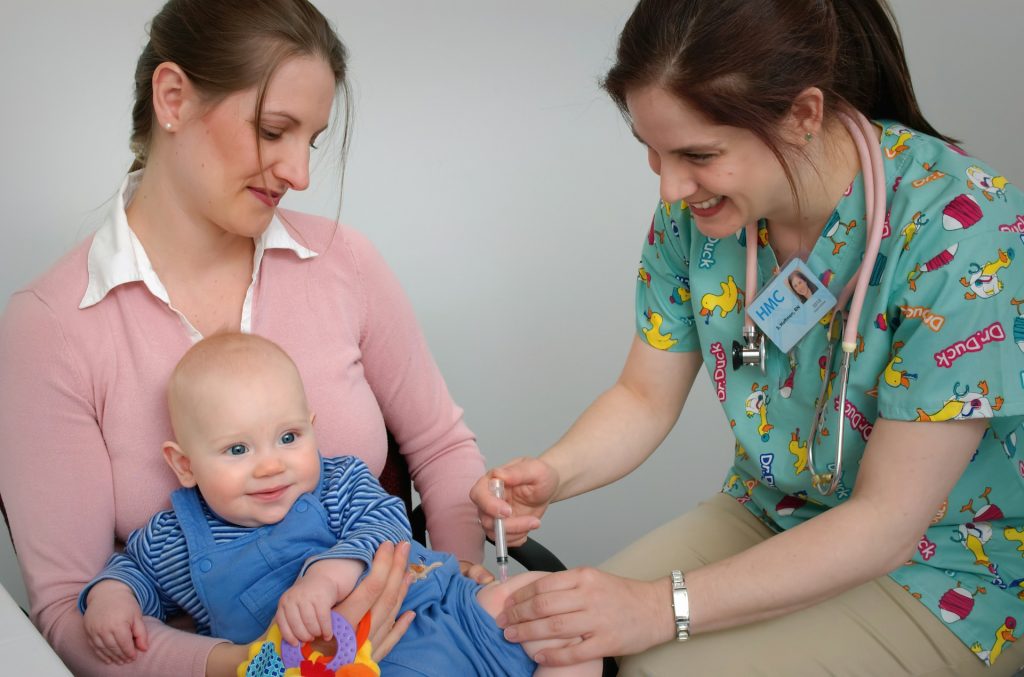
Learn what vaccines are, their types, benefits, and the recommended vaccination schedule for children. Vaccination protects children from serious diseases and supports lifelong health.
Vaccination is among the most effective methods for safeguarding children against life-threatening diseases. Vaccines have, over the last century, helped in the significant reduction of the occurrence of numerous infectious diseases, including measles, polio, and diphtheria. This is very important to parents and other caregivers so that children receive timely vaccination against preventable diseases.
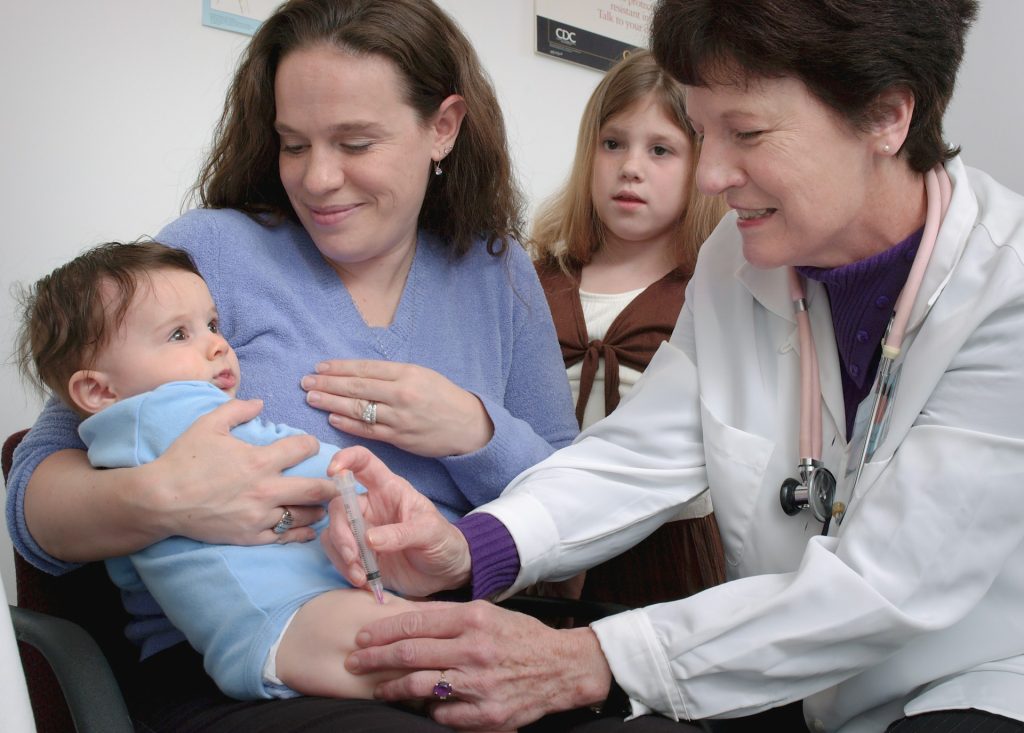
Types of Vaccines
Live Attenuated Vaccines:
Carries attenuated versions of the pathogen, e.g., MMR of measles, mumps, and rubella. They offer good immunity that is prolonged and cannot be used in children who are severely immunocompromised.
Inactivated Vaccines:
Killed pathogens, such as the attenuated polio vaccine. These vaccinations are generally safe for the majority of children, with the exception that they may require multiple doses or boosters in order to sustain long-term immunity.
Subunit, Recombinant, or Conjugate Vaccines:
Includes certain components of the pathogen, either proteins or sugars, e.g., Hepatitis B or Hib vaccines. They offer specific immune action with a limited number of side effects.
mRNA Vaccines:
Carry genetic codes that train the immune system to generate pathogen proteins, like COVID-19 vaccinations. They are safe to induce immunity without involving a live virus.
Benefits of Vaccines
There are many advantages of vaccines, at the personal level, as well as at the community level.
1. Disease Prevention
The advantage of vaccines is the most evident protection against potentially fatal diseases. Vaccines prevent diseases such as polio, measles, tetanus, and influenza, which otherwise cause serious diseases or even death.
2. Herd Immunity
Herd immunity happens when a large number of the population gets immunity to an illness; this indirectly defends those who are unable to receive vaccinations, i.e., newborns or those with dysfunctional immune systems.
3. Reducing Healthcare Costs
Vaccines decrease the financial costs of healthcare systems by eliminating the possibility of illness and hospitalizations, as well as preventing long-term complications.
4. Eradication of Diseases
Through vaccines, it is now possible to eradicate or almost eliminate diseases. Smallpox, being a universal killer, had to be eliminated in 1980 after massive vaccination exercises. Polio too is endangered with eradication.
5. Enhancing Quality of Life
Vaccines save lives and save people from diseases that cause disabilities and ultimately lead to longer and more productive lives.
What is the childhood vaccine schedule?
The childhood vaccine schedule represents a proposed program of the timely vaccination of children to defend against severe, preventable illnesses.
It specifies vaccines to be administered at certain ages, along with doses and boosters to be given to ensure that there is timely immunity. This timetable is healthy and avoids the transmission of contagious diseases in children.
Recommended Vaccination Schedule for Children
The vaccine schedule is the suggested time frame in which children are supposed to be vaccinated in order to have maximum protection. It is also important to follow the schedule, as children will be safeguarded when they are most vulnerable in life.
The following one is a generally acceptable standard timeline, and certain vaccines can be slightly different depending on national requirements or the advice of the paediatrician. The following are the instructions that the parents and caregivers should follow:
| Age | Vaccines |
| Birth | BCG + OPV + HBV |
| 1½ Months | IPV + HBV + DTaP + Hib + Rotarix 1 |
| 2 Months | PCV 13 |
| 2½ Months | IPV + HBV + DTaP + Hib + Rotarix 2 |
| 3½ Months | IPV + HBV + DTaP + Hib |
| 4 Months | PCV 13 |
| 6 Months | PCV 13 |
| 9 Months | Measles |
| 12 Months | MMR + Varicella |
| 15 Months | PCV 13 |
| 18 Months | Hepatitis A + IPV + HBV + DTaP + Hib |
| 24 Months | Hepatitis A + Typhoid 1 |
| 5 Years | DTaP + Typhoid + MMR + Varicella |
| 12 Years | DT |
| Others | Meningococcal, Flu |
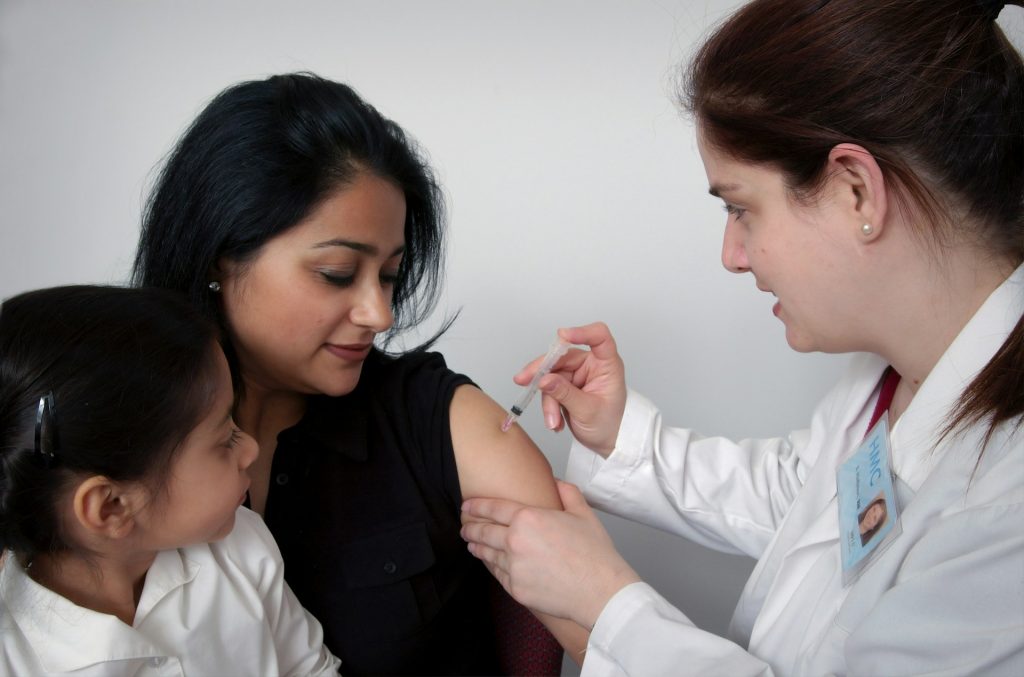
10 Reasons to Get Vaccinated
1. Vaccine-preventable diseases have not gone away
Although some illnesses may appear to be uncommon in the present world, they are found all over the world. Immunisation prevents an outbreak and keeps you and your community safe against such diseases as measles, polio, and whooping cough.
2. Vaccines help keep you healthy
Vaccines help your immune system to combat infections before it gets sick. Being in the loop on vaccination would help minimise the chances of severe illness, hospitalisation, and chronic health issues.
3. Vaccines are as important to your overall health as diet and exercise
Good health does not simply mean food and physical activities. Immunisations are also essential to avoid harmful diseases that may affect the quality of life and well-being.
4. Vaccination can mean the difference between life and death
There are diseases that are fatal, such as influenza, meningitis, or COVID-19. Vaccination is a crucial life-saving decision since it is found that vaccines can greatly decrease the chance of severe blood-borne disease and death.
5. Vaccines are safer than the diseases they prevent
There are very few serious side effects of vaccines that are serious. In comparison, long-term health issues, hospitalisation, or death are consequences of vaccine-preventable diseases, which makes the use of vaccines safer.
6. Vaccines do not cause disease
Vaccines involve weakened, killed, or non-toxic components of a pathogen. They do not provide the disease, but train your immune system to react well in case you get exposed.
7. Young and healthy people can get very sick, too
Preventable diseases can leave healthy individuals severely sick. Vaccination makes your life less complicated and healthier; you will be productive and healthy in your everyday life.
8. Vaccine-preventable diseases can be expensive
Preventable illnesses may be expensive to treat, hospitalize, and provide long-term care. Vaccination is a relatively affordable method of ensuring your security and sparing financial and health expenses.
9. When you get sick, your children, grandchildren, and parents may also be at risk
There are infectious diseases that are transmitted easily. Through vaccination, you are able to protect vulnerable family members such as babies, elderly members, or the immunocompromised who may not be able to vaccinate themselves.
10. Your family and co-workers need you
Being healthy safeguards the people who are near you. Vaccination ensures a safe environment at home, work, and school by mitigating the risk of the transmission of contagious diseases.
Importance of Vaccination
Immunity to the disease is acquired with the help of the vaccines. Childhood immunisations:
- Absorb children with severe and potentially fatal illnesses.
- Curb transmission of the infection in schools and communities.
- Protect herd immunity, where susceptible people are concerned.
- Lower the healthcare expenses through the avoidance of disease-related inpatient care.
The lack or postponement of the vaccines may make it easier to cause a pandemic and put children at risk of infection.
Vaccine Safety and Side Effects
Vaccines are some of the most subject to tests of medical products. Vaccines are subjected to several stages of clinical trials before they are approved as safe and effective.
Vaccine safety is strictly considered by regulatory organisations such as the World Health Organisation (WHO) and the Centers for Disease Control and Prevention (CDC).
Side effects are generally mild and short-lived and include:
- Pain in the area of injection.
- Low-grade fever
- Fatigue
- Mild rash
Side effects are very severe and extremely infrequent. Vaccination is far more advantageous than the dangers of possible side effects.
How Vaccines are Administered
1. Injection
The majority of vaccinations are given as injections, typically to the arm or thigh. This is because this method would see that the vaccine gains entry into the body effectively and induces a robust immune response.
2. Oral
Other vaccines are administered orally, e.g, the oral polio vaccine. It is painless and simple; it assists in promoting immunity directly in the digestive tract.
3. Nasal Spray
Some vaccines, such as the influenza nasal spray, are delivered via the nose. This method is aimed at respiratory immunity and is an alternative non-invasive method, convenient to substitute for injections.
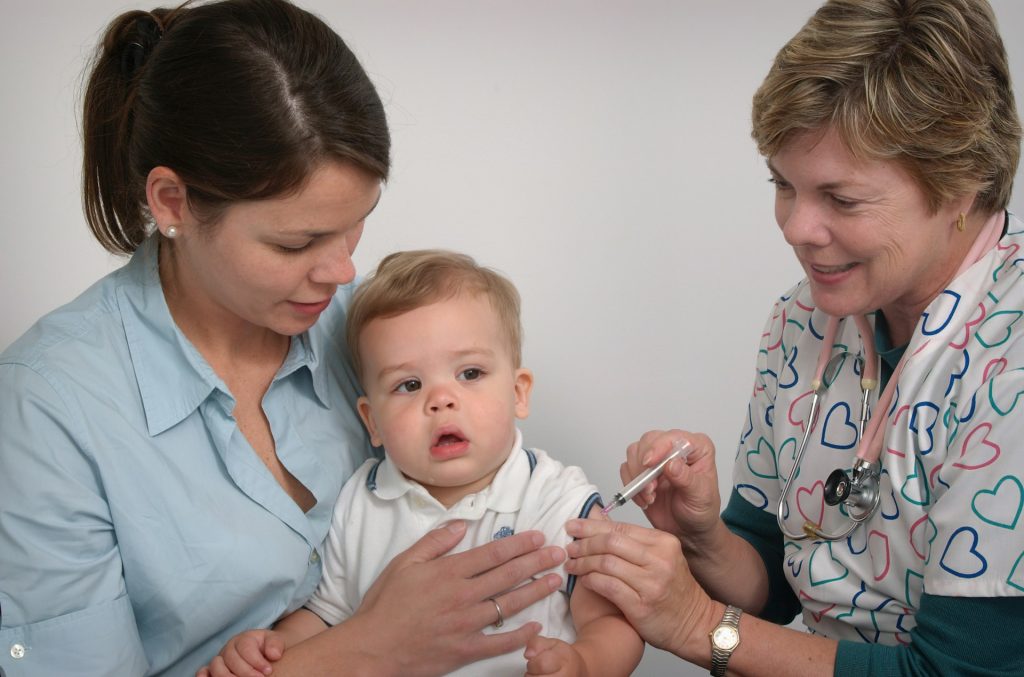
Vaccination Around the World
Infectious diseases have been controlled through vaccination programs in the world. Non-profit organisations such as the World Health Organisation (WHO) and UNICEF are very important in advocacy of vaccines, particularly in the low income countries.
Certain success stories are:
- Eradication of smallpox in 1980
- Near eradication of polio
- A major decrease in fatality caused by measles, tetanus, and hepatitis B.
Vaccination campaigns in the world are particularly important during outbreaks of new threats, including the COVID-19 pandemic, when the timely creation and dissemination of vaccines have saved the lives of countless people.
Conclusion
Vaccination helps in protecting children against severe diseases that are preventable, helps in the reduction of infections, and also protects communities. Vaccines are an essential, effective, and safe tool in the health of every child because following the recommended schedules will guarantee timely immunity, a healthy life throughout, prevention of outbreaks, and health promotion of the population.