Learn about the IPV vaccine, its benefits, safety, and role in preventing polio, protecting communities, and supporting global eradication efforts.
IPV (Inactivated Poliovirus Vaccine)
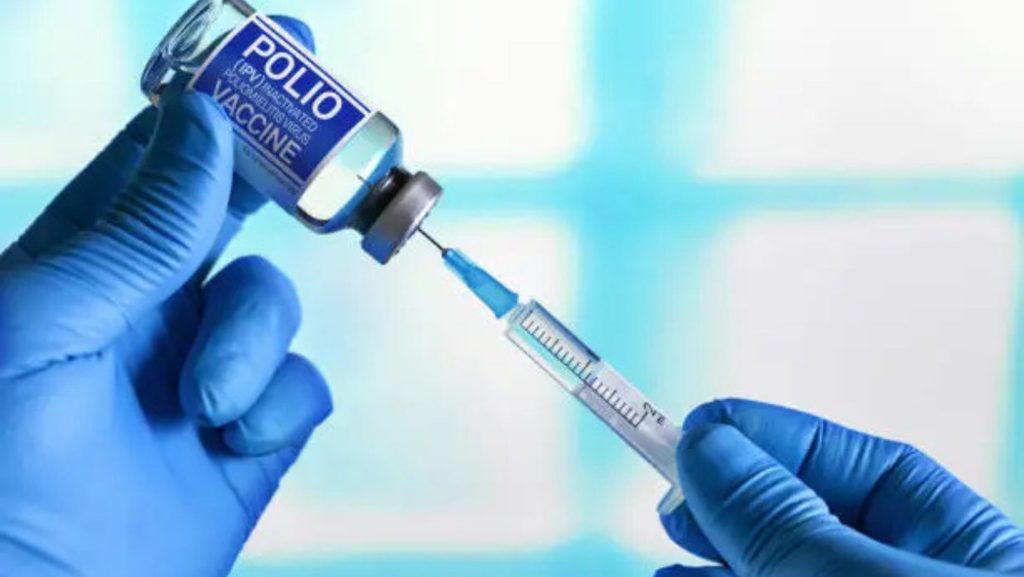
IPV is conducted through injection and activates the immune system of the body to make antibodies against poliovirus. This vaccine is not capable of causing polio, hence it is safer than OPV. Having received IPV, the immune system is ready to combat poliovirus in case of its exposure in the future, which will actually prevent the infection and its severe complications.
Types of Polio Vaccines
Polio vaccines are of two major types:
- Oral Polio Vaccine (OPV): This is a live-attenuated vaccine administered orally. It works in the production of immunity in the intestines, where the poliovirus is replicating.
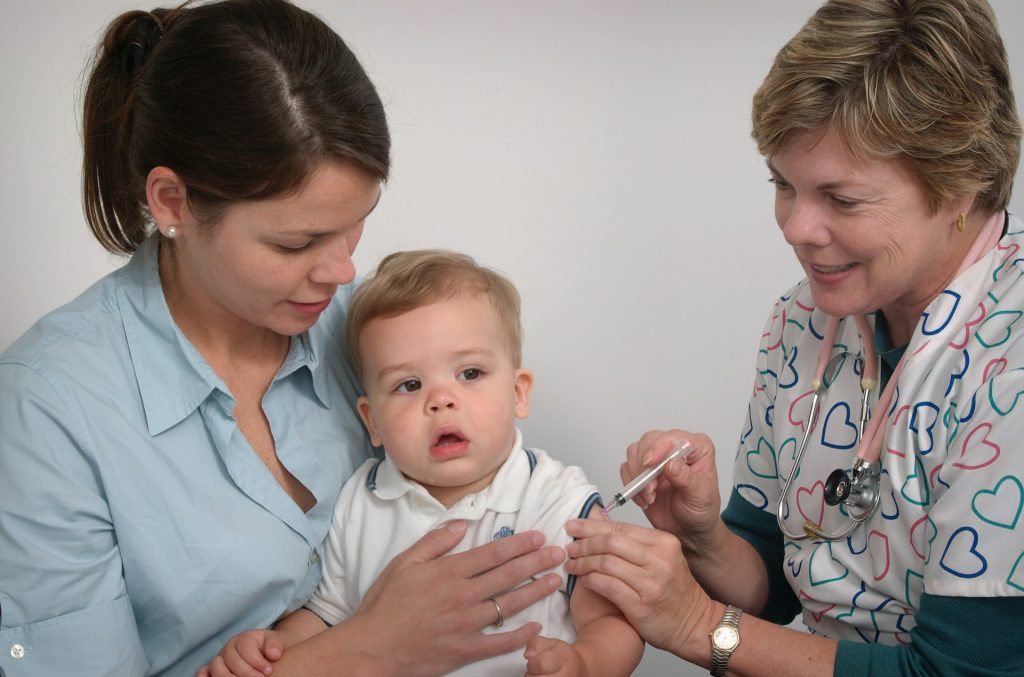
- Inactivated Polio Vaccine (IPV): IPV is administered by injection and induces immunity in the blood, which prevents the occurrence of polio paralysis.
Most countries chose IPV due to the fact that it has no unusual risk of vaccine-derived polio compared to OPV.
What is the IPV Vaccine?
The Inactivated Poliovirus Vaccine, or the IPV vaccine, is an important vaccination aimed to prevent polio, a virus infection in children and adults, which is highly contagious. In contrast to the oral polio vaccine (OPV), IPV is injected, and it includes an inactivated (killed) virus, which is unable to induce the disease. The vaccine is important in the prevention of paralysis, neurological complications, and polio-related outbreaks.
Polio mainly uses a fecal-oral route of transmission, usually via contaminated food or water. The immunity is acquired by the vaccine against IPV, thus eliminating the chance of infection, and this is what makes the use of the IPV vaccine a safe and effective way of eradicating polio all over the world.
Benefits of the IPV Vaccine
Prevents Polio Infection
IPV prevents poliovirus, as it causes immunity, and the possibility of paralysis and severe complications connected with polio infection is reduced significantly.
Safe for All Ages
The IPV is safe as the virus used is inactivated and therefore cannot cause any disease, as it is safe in infants, children, adults, and even immunocompromised people.
Promotes Herd Immunity
Mass IPV vaccination restricts the spread of poliovirus within communities, indirectly immunizing unvaccinated people, contributing to the overall elimination of the risk of the outbreak.
Long-Lasting Protection
The completion of the IPV vaccine cycle offers robust and long-lasting protection against poliovirus, providing protection against infection and long-term protection against polio.
Supports Global Polio Eradication
International polio eradication requires active participation in routine IPV vaccination so that outbreak could be prevented and there would be a step towards a polio-free world.
Vaccine and Immunization Schedule
Learning about the vaccine and immunization schedule is important in getting maximum protection against polio. The World Health Organization (WHO) and the centers of disease control and Prevention (CDC) suggest the use of IPV at different times to achieve lifelong immunity.
IPV is usually contained in combination vaccines such as DTaP-IPV-Hib, which helps in protection against several diseases in a single injection.
Vaccine Schedule for Children
The children’s immunization schedule includes the following recommendations concerning the recommended age of IPV:
- First dose: 2 months
- Second dose: 4 months
- Third dose: 6-18 months
- Booster dose: 4-6 years
This timetable will make sure that children develop good immunity before they are susceptible to being exposed to poliovirus. The schedule can be occasionally modified according to the local health regulations or individual health issues by pediatricians.
Why Sticking to the Schedule is Important
The follow-up of a vaccine schedule is beneficial:
- Promote immunity amongst children.
- Avert polio outbreaks in the communities.
- Grant herd immunity, securing the unvaccinable.
Importance of Polio Vaccination
Vaccination against polio has brought the cases of polio all over the world to only a few dozen cases nowadays, as compared to hundreds of thousands of cases every year in the past. The high vaccination coverage in IPV will protect the children and prevent the re-emergence of this disease.
Common Side Effects of IPV Vaccine
IPV is generally very safe. The majority of the side effects are mild and short-term:
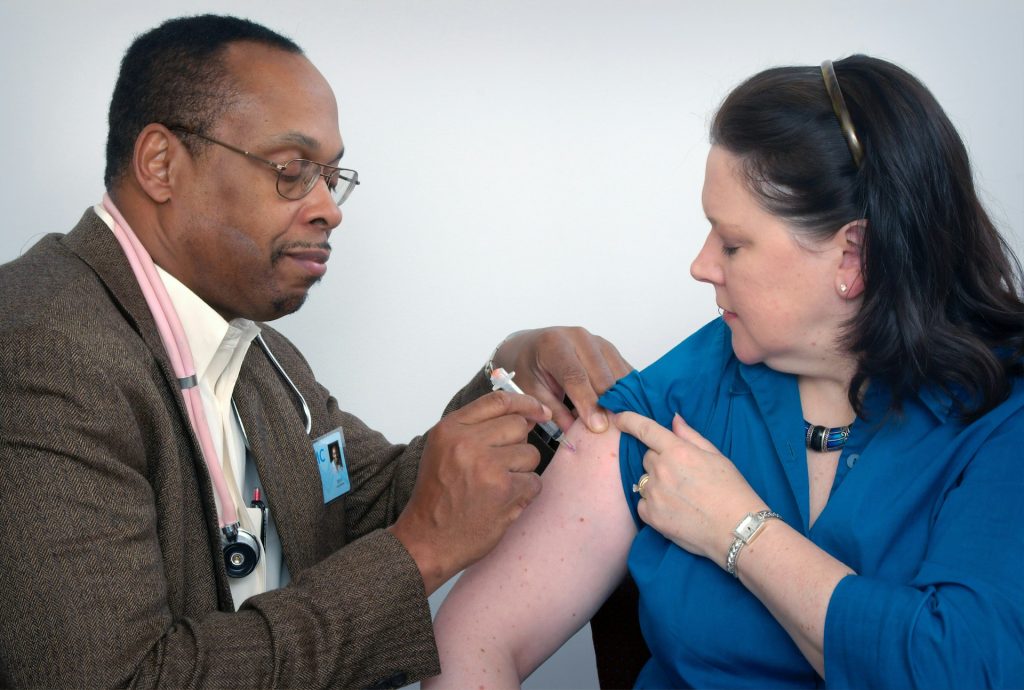
- Redness or swelling at the injection site: There is a mild reddening, tenderness, or swelling at the point of IPV injection in some cases. This response normally fades away after a few days and is a normal immune reaction.
- Mild fever: Children who have experienced IPV develop a low-grade fever after their body develops immunity. This is a temporary condition and can be handled by rest or pediatric advice.
- Fatigue or irritability: It is not unusual that children become a little fatigued, grouchy, or irritated after receiving IPV vaccination. These are the mild symptoms, which are short-term, which means that the immune system is reacting.
- Rare allergic reactions: Rare allergic reactions are very rare; however, there are children who may experience an allergic reaction to the IPV vaccine, such as hives or swelling. Emergency treatment is recommended in case it happens.
- Severe side effects: IPV has very serious side effects. This makes it one of the safest in terms of administering a polio vaccine that is highly protective yet with minimal risk.
The Global Impact of IPV
The number of polio cases in the world has greatly reduced since the introduction of IPV. According to the Global Polio Eradication Initiative (GPEI), today, polio has become endemic in just a handful of countries, and the threat of polio outbreaks is reduced in polio-free areas with IPV vaccination programs.
FAQs
Is IPV safe for all children?
Yes, IPV has an inactivated virus, hence it is safe for infants, children, and the immunocompromised.
Can IPV cause polio?
No, IPV is a killed virus, and it is not capable of causing polio, which gives safe immunity against the disease.
Can IPV and OPV be given together?
IPV and OPV may indeed be given concomitantly in certain regimes, offering full coverage against poliovirus.
Conclusion
The IPV vaccine is a crucial, secure, and efficient immunization that not only prevents polio but also safeguards every age group, aids in herd immunity, and also helps in international eradication, so that people and societies are not faced with paralysis and severe complications due to poliovirus.