
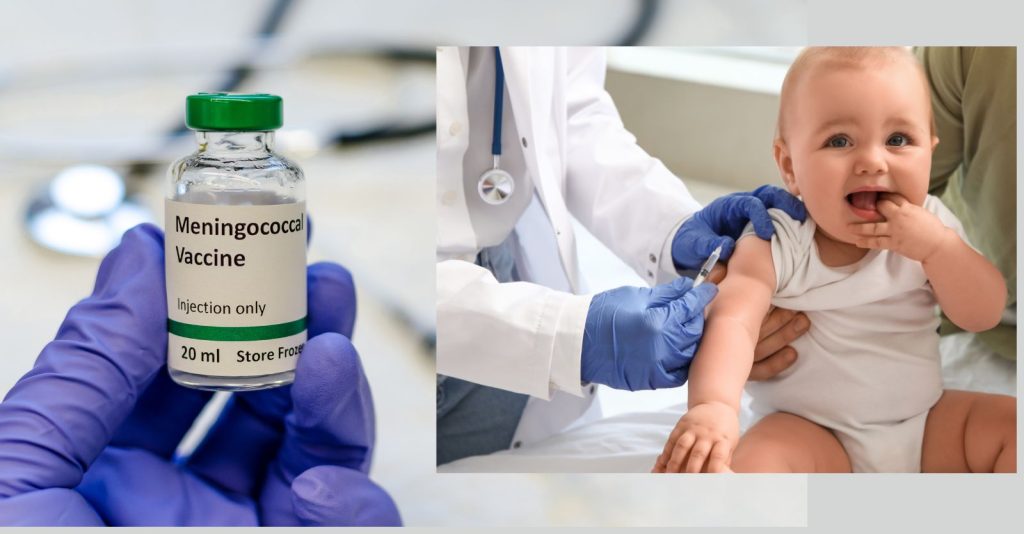
Learn how meningococcal vaccines prevent life-threatening infections, protect communities, reduce complications, and safeguard high-risk groups through safe and effective immunization.
Meningococcal disease is a dangerous type of bacterial infection that may lead to some serious life-threatening diseases, including meningitis (inflammation of the protective layers covering the brain and spinal cord) and septicemia (blood poisoning). The meningococcal vaccine is a prophylactic vaccine that aims at defending people against this threatening disease.
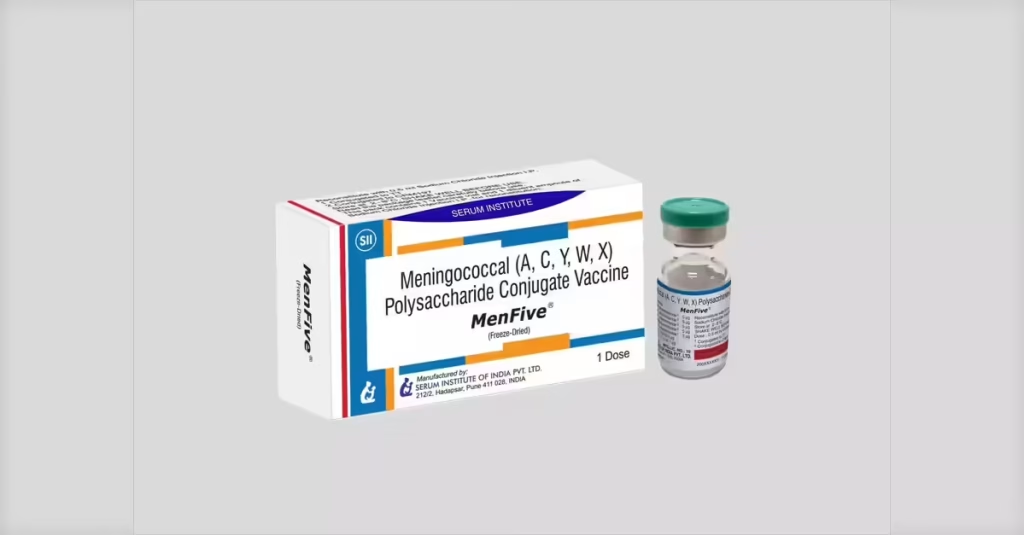
Meningococcal Disease
Neisseria meningitidis is a bacterium that causes meningococcal disease. The bacteria are spread by close contact, e.g., coughing, sneezing, kissing, or staying in cramped places. The initial symptoms are fever, headache, stiff neck, nausea, and photophobia.
Without treatment, the infection may develop at a very fast rate and lead to some serious complications such as brain damage, loss of limbs, or even death.
The disease can affect anyone, but certain groups are at higher risk:
- Infants and young children
- Similar to adolescents, young adults (particularly in college dorms)
- Individuals who experience suppressed immunity.
- Persons who visit areas where meningococcal disease prevails.
Meningococcal infections can be prevented with the help of vaccination.
What is a Meningococcal Vaccine?
A meningococcal vaccine is a preemptive vaccine protection against Neisseria meningitidis bacteria that can lead to severe meningitis and blood-based infections, which are fatal.
It activates the immune system to form antibodies, which inhibits the risk of infection. It is safe, effective, and essential to the health of the population, recommended for children, adolescents, high-risk adults, and travelers.
Types of Meningococcal Vaccines
Meningococcal Conjugate Vaccine (MenACWY)
The MenACWY vaccine is used to prevent four types of meningococcal bacteria: A, C, W, and Y. It is regularly prescribed to adolescents and high-risk adults to avoid severe infections such as meningitis and bloodstream infections.
Meningococcal B Vaccine (MenB)
The MenB vaccine only covers serogroup B meningococcal bacteria. Increased risk teenagers, young adults, and those who are at greater risk are advised to prevent serious meningitis and possibly bloodstream infections that are life-threatening.
Meningococcal ABCWY Vaccine (MenABCWY)
The MenABCWY vaccination offers a wide coverage in a set of five typical meningococcal serogroups, A, B, C, W, and Y. It is a combination of MenACWY and MenB vaccines that are combined to provide complete coverage against the disease.
How Does the Meningococcal Vaccine Work?
Vaccine harbors harmless elements of the bacteria (e.g., proteins or polysaccharides). These elements are not able to produce the disease, but assist the immune system in identifying the bacteria.
After vaccination:
- The immune system produces antibodies.
- Immune cells of the memory are generated.
- When the exposure is later, the immune system is fast and efficient.
This is a strong immune response that lowers the chances of severe infection by a great margin.
Why Is Meningococcal Vaccination Important?
Meningococcal disease is a rapidly spreading condition with the potential of being life threatening in hours. With treatment, 10-15 percent of people infected can die, and survivors may suffer lifelong complications.
Key Benefits of Vaccination:
- Prevention of meningitis and bloodstream infections.
- Decreases the chances of epidemics.
- Protects high-risk groups
- Supports herd immunity
- Saves lives
The most effective way of prevention is vaccination.
Who Needs a Meningococcal Vaccine?
Children of certain ages and individuals who are at a higher risk of getting infected should be vaccinated against meningococcal infection. The following people should receive it:
1. Children and Teenagers (11–18 Years)
Every child ought to receive an initial dose of MenACWY at the age of 11-12 years and another dose of the vaccine at the age of 16 years to sustain protection during their high-risk teenage years.
2. Infants and Young Children at High Risk
Infants and young children who have some medical issues, like problems in their immune system,m might require meningococcal vaccinations earlier than the usual schedules.
3. College Students
Students in first-year colleges and those who live in dormitories are at greater risk because of cozy living conditions and, therefore, must be vaccinated prior to their entry into the campuses.
4. Military Recruits
The military members are also prone to increased infections as the military personnel live together in a single housing. Before becoming a service member, vaccination is usually mandatory.
5. People with Weakened Immune Systems
HIV, complement deficiencies, or spleen-deficient patients are especially susceptible and should be offered advised meningococcal vaccinations.
6. Laboratory Workers
Occupational risk should be minimized by vaccinating scientists and lab employees who deal with Neisseria meningitidis bacteria.
When to call your healthcare provider?
Report to your healthcare provider as soon as possible in case of any of the following:
High Fever
In case you come with a high fever following vaccination, particularly higher than 102 0 C (39 0 C), call your health care provider immediately to exclude infection or severe response, which may need immediate medical care.
Vomiting
The continuous or excessive vomiting following the administration of the vaccine can be a sign of a reaction or illness. Get medical attention immediately to avoid feeling dehydrated and be treated should there be a need to do so.
Tiredness That Doesn’t Get Better
The long-term serious fatigue that occurs over several days following vaccination must be reported to your health care provider to exclude complications or other medical issues.
Benefits of Meningococcal Vaccination
1. Prevents Life-Threatening Infection
Vaccination against meningococcal infection helps prevent severe bacterial infection, which might develop in a few hours and be fatal.
Vaccination has a significant positive impact on mitigating the risk of meningitis, blood-based infections, and unexpected life-related complications in children and adults.
2. Reduces Complications
Although meningococcal disease is survivable, it leaves some severe complications like hearing loss, brain damage, limb amputations, kidney failure, and lifelong disabilities. Vaccination also reduces the risks of these crippling health outcomes considerably.
3. Protects Communities
Vaccination is an effective way of averting the transmission of the meningococcal bacteria in schools, colleges, places of work, and crowded places. Community immunity decreases outbreaks, defends vulnerable people, and leads to the overall safety of the population.
4. Safe and Well-Tested
Before the approval of meningococcal vaccines, they go through extensive research and clinical trials and are constantly monitored in terms of their safety. They have been proven to be safe, effective, and reliable in the prevention of serious infections with minimal side effects.
Key Takeaways
- Meningococcal disease may be untreatable and deadly within a short period of time.
- The best measure of prevention is vaccination.
- Various kinds of vaccines exist and attack certain serogroups.
- Infants, teenagers, people who are at high risk, and travelers should be vaccinated.
- The vaccine is safe, effective, and prevents outbreaks in the communities.
FAQs
Is the Meningococcal Vaccine Safe?
Yes, meningococcal vaccines are properly tested prior to their approval. Their safety and effectiveness are observed at all times. The advantages of vaccination far outweigh the possible risks.
Can adults get the meningococcal vaccine?
Yes, adults at increased risk, such as those with immune deficiencies, spleen problems, or traveling to endemic areas, should get vaccinated for protection.
Does the meningococcal vaccine prevent all meningitis?
No, it only shields against meningococcal bacteria and not other meningitis viruses or other bacteria. Additional vaccines or prevention could be required.
Conclusion
Meningococcal disease is a serious and of rapid progression and may prove deadly. Vaccination has proven to be safe and effective against several bacterial serogroups, minimizing complications, outbreak prevention, and high-risk groups. On-time vaccination is an imperative to individual and societal health, and it saves lives across the world.