
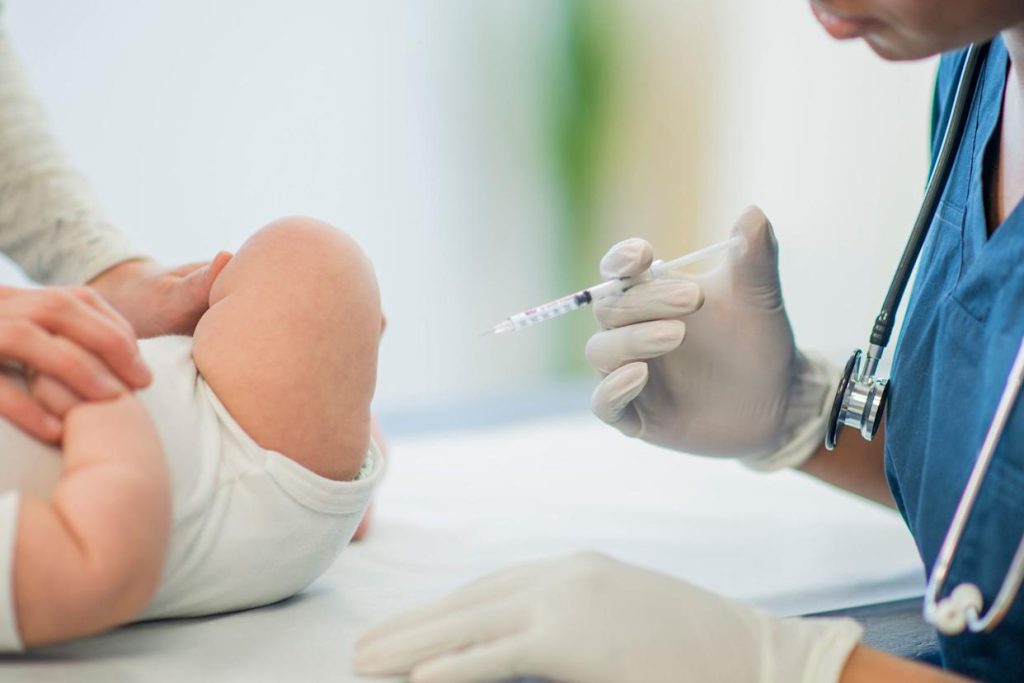
Learn why vaccines for newborns are vital, protecting infants from serious infections like HepB, TB, and polio, while ensuring safe, timely immunity for early childhood.
What Is a Vaccine for Newborns?
A newborn vaccine is a type of medical preparation that is administered to children soon after birth in order to immunize them against infectious diseases. Vaccines have weakened or inactive components of a certain germ, which causes the immune system to treat it as an enemy to attack in the future.
Through vaccinating newborn children, parents can prevent serious diseases such as hepatitis B, tuberculosis, and polio that may be life-threatening condition at early infancy.
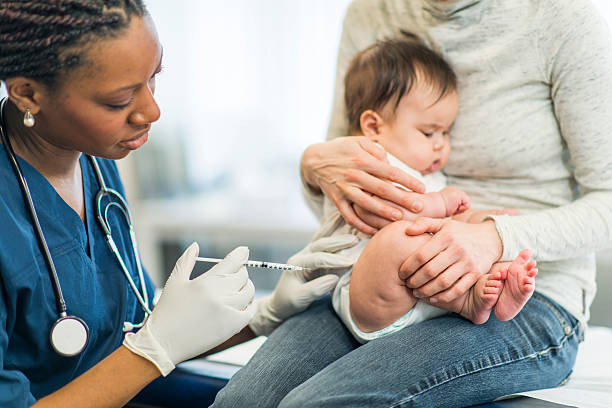
The Importance of Vaccinating Newborns
Infants are born with a weak immune system. They are getting some passive immunity due to maternal antibodies, but this is temporary and confined. Early-life vaccinations:
- Train the immune system to identify and combat pathogens.
- Avert potentially fatal diseases like tuberculosis, hepatitis B, and whooping cough.
- Lesson transmission of highly contagious diseases within the community.
- Keep vulnerable newborns safe- particularly those who have been born too early or with health complications- out of serious complications.
The time schedule of each vaccine is carefully planned to ensure that by the time a baby is exposed to the pathogen, she has developed immunity to the pathogen to counter immunity and safety.
Core Vaccines for Newborns and Their Scientific Rationale
1. Hepatitis B (HepB) Vaccine
Administered at birth, 1 to 2 months, and 6 months, the HepB vaccine inactivates viral antigens to stimulate the production of antibodies preventing infants against liver infection, chronic disease, and possible cancer, particularly when the mother is also positive.
2. BCG Vaccine (Bacille Calmette-Guérin)
Given during the first month of life, BCG is based on attenuated Mycobacterium bovis to stimulate T-cell response, which prevents individuals exposed to tuberculosis in their first year of life from getting severe forms of the disease, such as meningitis, which are fatal in infancy.
3. Polio Vaccine (OPV/IPV)
Inducing high levels of intestinal immunity, IPV increases systemic protection, which, combined with OPV, prevents paralysis due to poliomyelitis and facilitates herd protection and helps to reduce the level of poliovirus circulation in the population.
4. DTaP Vaccine (Diphtheria, Tetanus, Pertussis)
Since six weeks or later, DTaP acellular components inform the immune system to respond to bacterial toxins to prevent respiratory disease, nerve injury, and deaths without exposing babies to live pathogens.
5. Hib Vaccine (Haemophilus Influenzae Type b)
Beginning in the sixth week, the Hib conjugated vaccine attaches bacterial polysaccharides to proteins, producing a strong, durable immune response in infants, preventing meningitis, pneumonia, and epiglottitis, which are potentially fatal bacterial infections.
6. Rotavirus Vaccine
The live attenuated rotavirus vaccine is administered at six to fourteen weeks and induces gut mucosal immunity that protects infants against severe diarrhea, dehydration, and hospitalization related to rotavirus infection.
7. Pneumococcal Conjugate Vaccine (PCV)
PCV induces anti-polysaccharide antigens conjugation to protein carriers beginning at six weeks and improves immune memory in infants to prevent pneumonia, meningitis, and bloodstream infections with Streptococcus pneumoniae.
Understanding the Vaccine Schedule for Newborns
Vaccine schedule is a time plan for what kind of vaccines, how old they are administered, and when they are given in between doses. Organizations, including the World Health Organization (WHO) and centers of disease control and Prevention (CDC), offer evidence-based schedules across the world, which are updated periodically based on disease prevalence and scientific progress.
A timetable is an advantage as the body would respond optimally to immunogenicity, giving the newborn maximum protection during a period when their bodies are the most vulnerable.
A Detailed Vaccine Schedule for Newborns
Babies need vaccinations as early as possible to prevent deadly diseases and develop sustainable immunity. Newborns are immunized against HepB and the BCG vaccine. They receive the initial doses of DTaP, OPV/IPV, Hib, Rotavirus, and PCV at six weeks.
These vaccines are administered as the second and third doses at ten and fourteen weeks, respectively. The third dose of HepB is given at six months. At twelve to fifteen months, the infants are vaccinated against MMR and Varicella/PCV booster.
Lastly, eighteen months of age is the age of recommendation to administer a DTaP booster to maintain protection against diphtheria, tetanus, and pertussis. This vaccination is as immune response as possible and offers essential immunity in early childhood.
| Age | Vaccine(s) |
| At birth | HepB (1st dose), BCG |
| 6 weeks | DTaP (1st), OPV/IPV (1st), Hib (1st), Rotavirus (1st), PCV (1st) |
| 10 weeks | DTaP (2nd), OPV/IPV (2nd), Hib (2nd), Rotavirus (2nd), PCV (2nd) |
| 14 weeks | DTaP (3rd), OPV/IPV (3rd), Hib (3rd), Rotavirus (3rd), PCV (3rd) |
| 6 months | HepB (3rd dose) |
| 12–15 months | MMR (1st), Varicella (1st), PCV booster |
| 18 months | DTaP booster |
How Vaccines Work in Newborns
Vaccines condition the immune system of a baby to be able to recognize harmful germs, but not to cause the disease. In case the baby is given a vaccine, then the body makes antibodies, and these are the soldiers that are on guard against the infection in the future. This protection is important since the infants are very vulnerable to diseases at this early age.

Safety of Vaccines for Newborns
Newborn vaccination is strictly tested as safe and effective. Common side effects that may occur are:
- Low-grade fever
- Swelling or redness at the site of injection.
- Fussiness or sleepiness
Adverse side effects are not common. After vaccination, health professionals observe babies in order to ensure that any reactions are promptly managed.
Tips for Parents on Vaccinating Newborns
- Adhere to the suggested program of your local health authority or a pediatrician.
- Record a vaccination of your baby.
- Note side effects following each dose.
- Address issues with a pediatrician, particularly when your baby has some underlying health issues.
Conclusion
The use of vaccines in the first month of newborn babies is crucial in protecting the babies against life-threatening diseases. These advantages would guarantee both prompt immunity and fewer complications, community health, and long-term immunity.
Adherence to the recommended schedule guarantees prompt immunity, fewer complications, community health, and long-term immunity. Well-tested and safe vaccines enable parents to protect their babies in the most vulnerable early months.