
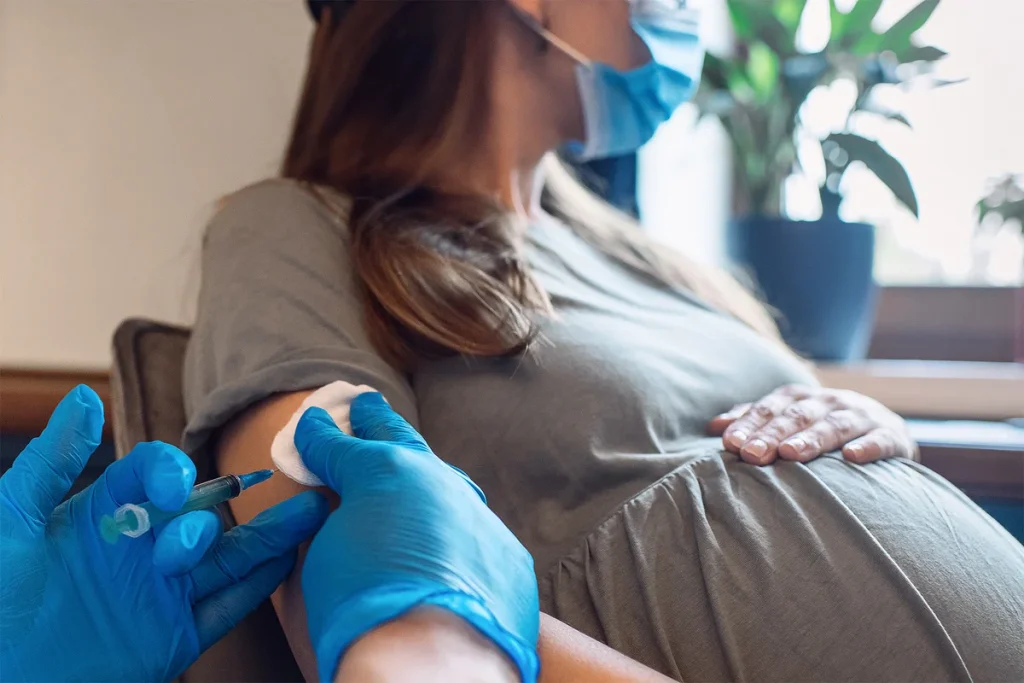
Learn how the RSV vaccines during pregnancy protect mothers and newborns, reducing severe infections and hospitalisations, and providing early immunity for infants.
Respiratory Syncytial Virus (RSV) is a widespread virus that infects the respiratory organs and the lungs. Although most individuals develop mild cold-related symptoms, RSV can be severe in infants, young children, and older adults. The pregnant women are also at risk, as RSV infection in pregnancy may affect both the pregnant woman and the developing baby.
To aid in preventing RSV, an RSV vaccine is being developed during pregnancy. This vaccine is meant to act as a defence for expectant women and a source of passive immunity in newborns.
RSV Vaccines
RSV inoculation against pregnancy is also a preventive vaccine that causes the mother to produce antibodies against the RSV virus. Such antibodies are then passed on to the baby via the placenta, whereby they offer early protection once the infants are at a time when they are most vulnerable.
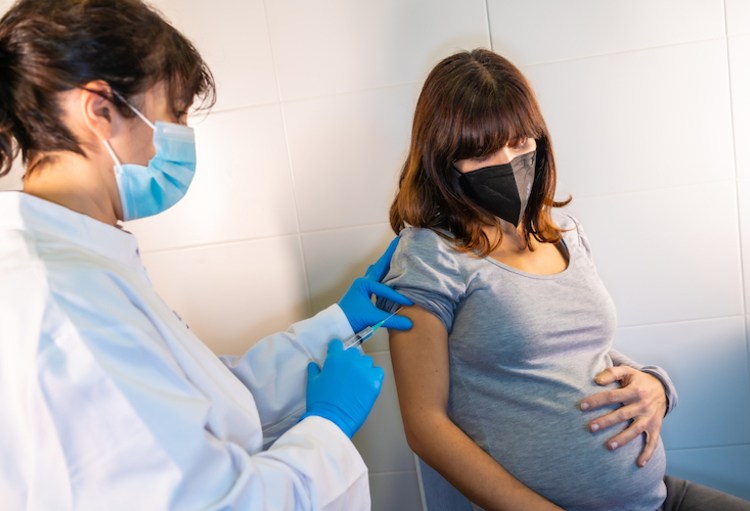
Key points about the RSV vaccine:
- Taken when a woman is in her third trimester of pregnancy.
- Gives newborns passive immunity against the RSV disease, which prevents the possibility of being hospitalised.
- Helps help to avoid serious complications caused by RSV in both mother and child.
What is the RSV Vaccine During Pregnancy?
The pregnancy vaccination against RSV is a special type of immunisation that enhances maternal antibodies against RSV. In the event that a pregnant woman is vaccinated, the immune system makes antibodies, which penetrate across the placenta and offer the fetus protection during the initial few months of life.
RSV and Its Risks in Pregnancy
The RSV is very contagious and spreads with the respiratory droplets when an infected individual sneezes or coughs. The immune system, heart, and lung functions of pregnant women are also exposed to the effects of respiratory infections.
Risks of RSV during pregnancy include:
- High risks of serious respiratory diseases in the mother.
- Very Low Multiple Birth in case of late pregnancy infection.
- Possible problems of newborns who can be infected with RSV shortly after birth.
Are there any side effects for pregnant mothers receiving the RSV vaccine?
- Pain, swelling, redness at the injection site: There is a chance of slight pain, tenderness, or even redness at the site of injection of the vaccine. These are temporary reactions that normally end after a few days.
- Low-grade fever: Pregnant women can have a mild fever following the RSV vaccine. This is usually mild and short-lived, which points to the fact that the body is developing immunity to the virus.
- Headache: Some recipients may experience a mild headache, which is a normal reaction of the body to the immunisation. Mostly it clears without any treatment and takes 24-48 hours.
Advantages of the RSV vaccine for pregnant mothers
- Prevents RSV virus infections: The RSV virus vaccine protects pregnant mothers who develop immunity to the virus, which reduces the probability of getting infected by it and the likelihood of transmitting the harmful diseases to them and their infants upon birth.
- Reduces complications from RSV virus infections: Vaccination helps to reduce the risks of severe illnesses, including bronchiolitis or pneumonia, among mothers and newborn children, allowing the baby to have a safer pregnancy and better health in the early years of child growth.
- Reduces mortality rates from RSV virus infections: The RSV vaccine helps in reducing the number of deaths caused by RSVs among newborns due to the humoral immunity, as well as passive immunity against the virus in infants, thereby protecting the vulnerable mothers against severe complications.
- Reduces hospitalisation rates: Vaccination against RSV in Maternal care results in fewer cases of hospitalisation because it prevents severe cases of infection in mothers and newborns, conserving healthcare costs and providing the baby with a healthier early life.
- Provides infants with immunity during the first 6 months: The vaccine imparts some immunity to the baby through transfer of protective antibodies of the mother to the baby, all without injections, at a critical period when the babies are unable to generate sufficient immunity on their own.
How the RSV Vaccine is Administered
The RSV vaccine will usually be administered once through a nasal injection when one is pregnant. It is not a live vaccine, thus it is safe to be used even in an expecting mother. The vaccination coverage can differ in accordance with local health guidelines and recommendations.
Top 3 Reasons Why You Need the RSV Vaccine
- RSV can be dangerous for babies and young children: Respiratory syncytial virus is one of the most frequent causes of serious respiratory disease in children, which often leads to hospitalisation. The protection is necessary in the early stage in order to minimise the severe health risks.
- Protects your newborn after birth: When you receive the RSV vaccine when you are pregnant, the antibodies of the new mother are passed on to the child, and the baby is immune in the first six months of life, when they cannot resist RSV on their own.
- Safe for both mother and fetus: Clinically, the RSV vaccine is well-tolerated in pregnancy with minimal side effects, which means that the health and safety of both the pregnant mother and the developing fetus are ensured.
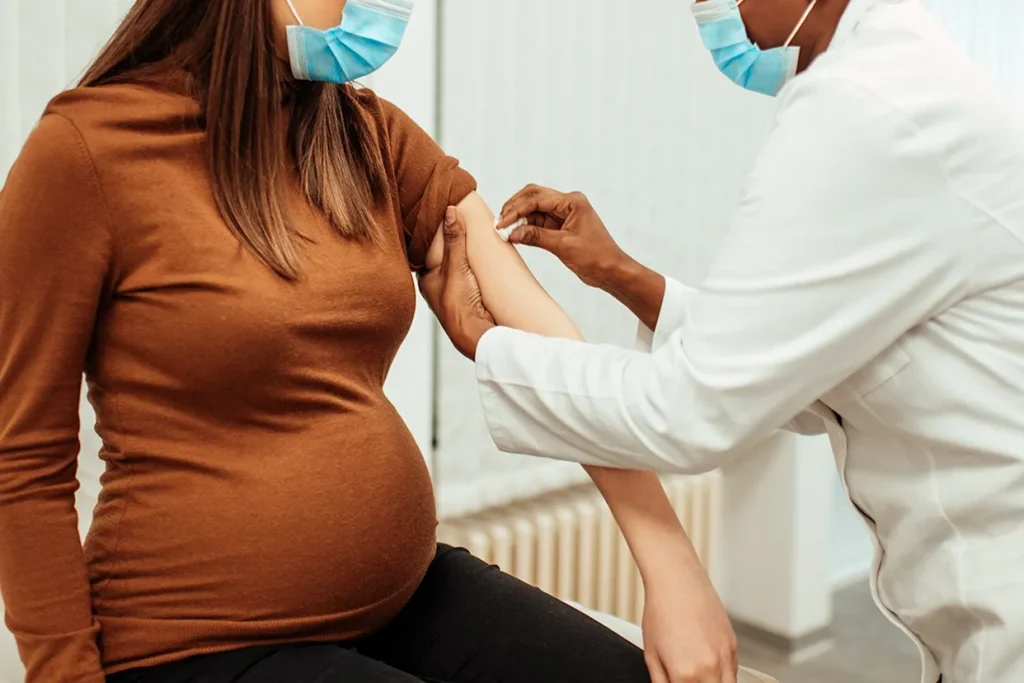
What are your options for protection against RSV?
- Adults ages 60 and older: Adults 60-69 years old can also get vaccinated against RSV to minimise the risk of severe illnesses, particularly during the RSV season, and good hygiene and avoiding contact with sick persons.
- Pregnant women who want to protect newborn babies: Pregnant women can receive the RSV vaccine during pregnancy and transmit protective antibodies to infants, preventing the occurrence of severe RSV infection in the first few months of life.
- Infants: RSV infection can be prevented in infants by maternal vaccines, monoclonal antibody injections such as nirsevimab, and reduction of contact with sick people, proper hygiene, and safe conditions.
Conclusion
The RSV vaccine in pregnancy protects both the mother and the child by enhancing maternal immunity and passing antibodies to newborns. This preventive measure lowers the complications associated with RSV, hospitalisations, and fatalities and leads to safer pregnancy and a healthier start for infants in their most vulnerable months.