Discover what samosas are, their health aspects, and tips to enjoy them. Learn how baked, vegetable, and whole wheat samosas can be a healthier snack choice.
A samosa is a pastry filled with a savoury filling that is either fried or baked (typically triangular or cone-shaped). The outer is prepared with refined flour (maida) or whole wheat flour, and the fillings may be spiced potatoes, peas, lentils, or paneer, or minced meat, which may be chicken, lamb, or beef.
What is a Samosa?
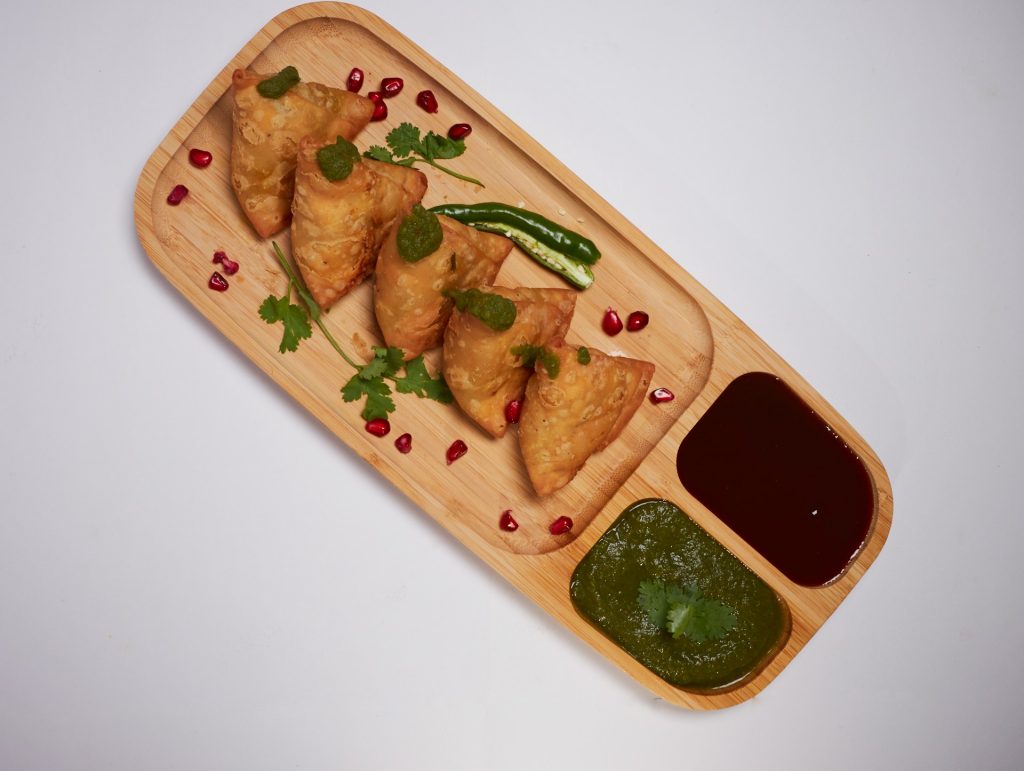
A samosa is a pastry that is made in a triangular or cone-like shape and stuffed with assorted food items, deep-fried or baked. Conventionally, the outer layer is prepared using all-purpose flour, and the interior may consist of vegetables, lentils, or meat.
The most widespread one is the vegetable samosa that usually includes potatoes, peas, onions, and spices. The samosas made out of meat can contain chicken, lamb, or beef, stirred in herbs and spices.
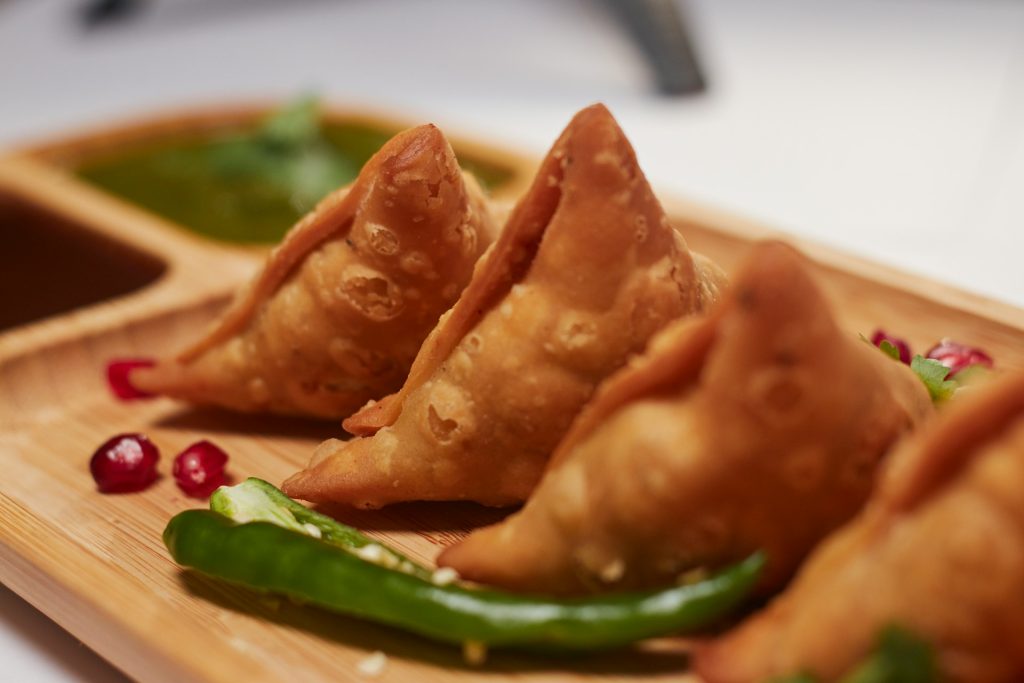
The pastry is commonly golden-brown and crispy, hence being a favourite snack at festivals, tea time, or simply at a gathering. They are commonly accompanied by chutneys like mint, tamarind, or yoghurt-based sauces, to add taste.
Types of samosas and fillings
Fillings can be of many forms, the most common ones:
Chicken Samosas
These samosas are spiced with minced chicken, onions, garlic, ginger, and the spices used in India, and therefore are savoury and protein-rich snacks that can be very tasty and fill the stomach.
Lamb Samosas
These samosas are full of tender minced lamb cooked in aromatic spices such as cumin, coriander, and chilli, and filled with crispy and golden pastry, giving a good, satisfying treat.
Vegetable Samosas
Vegetable samosas are packed with potatoes, peas, carrots, and may contain lentils, are lightly spiced, vegan, and give one the fibre, vitamins, as well as a satisfying and delicious bite at any time.
Veal Samosas
Veal samosas are made of finely minced veal combined with aromatic spices and herbs, which makes the filling tender and savoury and well-matched with the crisp and flaky pastry shell.
Chocolate Samosas
We have the chocolate samosas, a sweet version of samosas, which are stuffed with melted chocolate or chocolate ganache. In some cases, they have been filled with nuts or fruits, which makes them a decadent snack or dessert among lovers of chocolate.
Sweet Banana Samosas
Before being filled with sweet, ripe mashed bananas, sugar, cinnamon, and occasionally chocolate or nuts, these sweet samosas are a softer, fruitier, and more decadent substitute than the savoury ones.
The Origins of Samosas
The sambusak of the Middle East is considered to be the predecessor of samosas. They reached the Indian subcontinent through traders and travellers and developed into what we know today as the samosa. Samosas became a part of the South Asian cuisine, being celebrated throughout India, Pakistan, Bangladesh, Nepal, and Sri Lanka for centuries.
Are Samosas Healthy?
Samosas are a snack, and their healthiness varies depending on how they are prepared and the ingredients used. Fried variations have a lot of calories and fats, whereas baked or stuffed with vegetables samosas provide a healthier alternative and can be indulged in occasionally without significant nutritional implications.
These are some of the most important factors to look at when considering their nutritional effects.
1. Calorie Content
Fried samosas are soaked with a lot of oil and are very high in calories. Fried samosa is a medium-sized food that has about 150200 calories, chiefly carbohydrates and fat. The baked ones are less fatty and contain fewer calories.
2. Nutritional Benefits
The vegetable fillings, such as potatoes and peas, are sources of fibre, vitamin C, and antioxidants. The fillings are made of meat or paneer, which provides muscle-building protein, and of spices like turmeric, cumin, and chilli, which can aid in digestion and inflammation.
3. Health Risks
Samosas are fried, which contains a lot of saturated/trans fats, which could raise cholesterol. The pastry spikes blood sugar using refined flour, and commercially manufactured samosas can also include additional salt and preservatives.
4. Moderation and Healthy Alternatives
Samosas should be enjoyed occasionally to reduce the risks to health. To make better choices, one should bake rather than fry, consume whole wheat pastry as it contains more fibre, fillings with more vegetables, and cook with as little oil as possible so as to be able to consume less fat.
Ways to Enjoy Samosas
1. Samosa Chaat
Shredded samosas that are filled with tangy tamarind chutney, yoghurt, chopped onions, tomatoes, and sev to make a delicious, crispy, and spicy street-food style food that is popular in India.
2. Samosa Wrap
Take any whole or broken samosa, stuff it into a soft flat or a tortilla, fresh veggies, chutney, and sauces, making it a ready-to-go meal.
3. Samosa Pav
Put a samosa on a piece of bread roll with butter, then chutneys and spices, and you have a Mumbai-type street food that is spicy, crunchy, and satisfying with each bite.
Samosas in Modern Cuisine
Along with conventional ones, samosas have been transformed all over the world. Fusion samosas are filled with cheese and jalapeño, chicken tikka, chocolate, and even pizza-style ingredients. They are consumed in parties, restaurants, and fast-food restaurants across the world, and hence are an internationally accepted snack.
Tips for Enjoying Samosas Healthily
1. Limit Frequency – Consume the samosas in deep fried state very infrequently. Eat them as a luxury, not as a snack, in order to have a balanced and healthy diet.
2. Pair with Healthy Sides – Samosas should be served with yoghurt, fresh chutneys, or a salad. The addition of nutrient-rich sides would make the calories more balanced and add vitamins and fibre.
3. Choose Smaller Portions – Use mini or bite-sized samosas to quell cravings. Reduced amounts assist in regulating the caloric consumption and, at the same time, savouring the snack.
4. Homemade Cooking – Bake samosas at home to manage the use of oil, salt, and ingredients. The homemade ones are healthier, and they can also be baked or lightly fried and filled with fresh stuff.
5. Mindful Eating – Chew, eat slowly, and enjoy the flavours. Mindful eating allows for avoiding overeating and enhancing satisfaction with less food.
FAQs
1. Are baked samosas healthy?
Yes, baked samosas are healthier than the deep-fried ones. They are less oily, less calorie-dense, and less fatty, and yet they preserve flavour and crunch, hence better.
2. How many calories are in a single samosa?
A medium-sized fried vegetable samosa has about 150 -200 calories. Baked or mini are less caloric, whereas meat-stuffed samosas could contain a little more calories.
3. Do samosas have protein?
Samosas do have some protein, mostly meat, paneer, or legumes. Nevertheless, they are not a high-protein food and cannot be substituted with high-protein meals.
Conclusion
Samosas are a worldwide-popular snack, very tasty and multi-purpose. Although the traditional deep-frying methods are rich in calories and fat, one can indulge in the samosas in moderation through baked, whole wheat, or vegetable-filled varieties that do not affect the nutrition or taste.