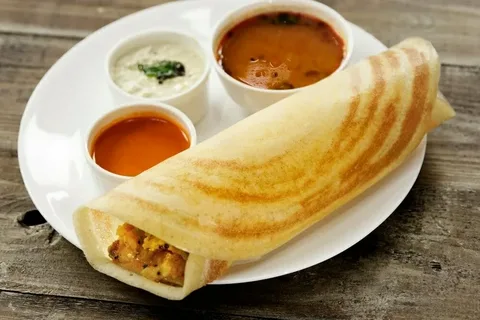
Discover what masala dosa is and its health benefits. Learn how to enjoy this crispy South Indian crepe with potatoes, chutney, and sambar healthily.
What Is Masala Dosa?
The types of food include masala dosa, a thin, crispy fermented dosa prepared using a batter of rice and urad dal (split black lentils). It is stuffed with spiced mashed potato filling and is normally served with coconut chutney as well as sambar (a vegetable stew made of lentils).
The served dish has its origin in the southern Indian state of Karnataka and is particularly related to the city of Udupi, which is known as the vegetarian state. Masala dosa is nowadays enjoyed in India and in Indian restaurants throughout the world.
Key Components of Masala Dosa
1. Dosa Batter
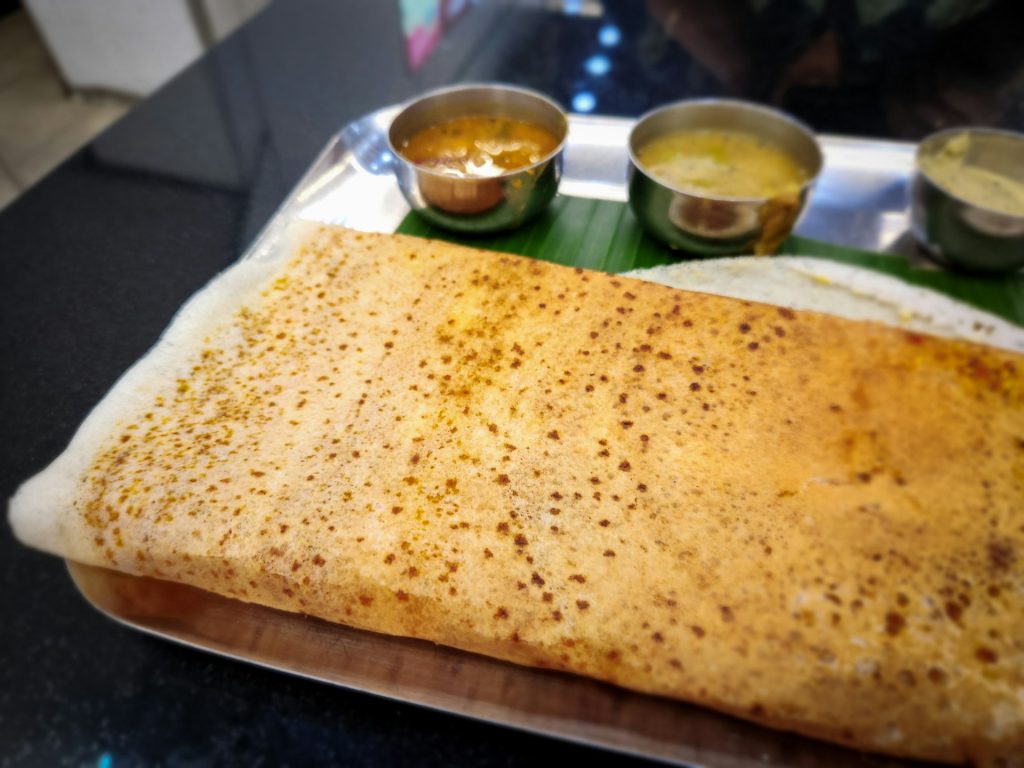
The batter preparation involves preparation of rice and urad dal separately by dipping them in water, grinding them to a smooth paste, and leaving the mixture to ferment overnight. The dosa owes its slightly tangy taste and light, airy texture to fermentation.
2. Potato Masala Filling
The stuffing is made of boiled potatoes, mashed with onions, mustard seeds, curry leaves, turmeric, and green chillies, and in some cases, ginger. This is a savoury filling that is folded into the dosa.
3. Accompaniments
Masala dosa is usually accompanied by:
- Coconut chutney
- Tomato chutney
- Sambar
These are side dishes that are tasty and nutritious.
Health Benefits of Masala Dosa
1. Provides Sustained Energy
Masala dosa is a meal with carbohydrates that are derived from both rice and potatoes and that are known to give instant energy and thus sustainability during a day, so it can be termed as a good breakfast meal for active people, which is also energising.
2. Good Source of Plant Protein
Plant-based protein in urad dal (batter) and lentils (sambar) is good because it assists in repairing muscles and tissues or in supporting overall bodily functions whenever taken as a part of a healthy diet.
3. Fermented Food Benefits
The fermented batter also enhances digestion through the promotion of the beneficial gut bacteria, increased absorption of nutrients, and the ease with which the body can digest the nutrients more than in non-fermented foods.
4. Gluten-Free Option
When they are prepared safely, masala dosa is gluten-free since it is a dish that is prepared with both rice and lentils, and thus it is an appropriate meal for those who have gluten intolerance or celiac disease.
Is Masala Dosa Healthy?
Yes, it is possible to make masala dosa healthy, provided that one eats in moderation and cooks it with little oil. It gives energy in the form of carbohydrates, a little protein source in lentils, and digestive properties due to fermentation.
Nevertheless, when used in abundance and huge amounts, it adds up to calories, and therefore, home-made versions are healthier compared to what restaurants serve.
How to Make Masala Dosa Healthier?
The following are tips that can be used to enhance its nutritional value:
1. Use Less Oil While Cooking
Fry the dosa on a non-stick or cast-iron pan with very little oil. Butter or ghee should never be overeaten since less added fats decrease the total calorie and saturated fats.
2. Add More Vegetables to the Filling
Potato masala can be improved by the addition of peas, carrots, beans, capsicum, or spinach. Additional vegetables contain more fibre and minerals and lower the calorie density of the meal.
3. Replace White Rice with Brown Rice or Millets
Bake the batter of brown rice or of millets such as ragi or foxtail millet. These options include more fibre, better digestion, and stabilised blood sugar levels.
4. Use Smaller Portions
Select medium-sized dosas rather than oversized dosas. Managing the size of portions is an effective way of managing calories and can also avoid overeating, particularly when served with chutney and sambar.
5. Prefer Homemade Dosa Over Restaurant Versions
Homemade dosas enable you to regulate ingredients and the quantity of oil used, as well as portion size. The restaurant versions are usually filled with additional oil or butter, which adds additional calories and lowers the general health benefits.
9 Reasons to Eat Dosa Every Day
1. Tasty, Nutritious, and Healthy
Dosa is a nice South Indian cuisine consisting of fermented rice and lentils, which is a balanced meal, gut-friendly, and provides wholesome energy that can be consumed daily as a healthy meal.
2. Easy to Digest
With the help of natural fermentation, dosa batter is light and full of probiotic properties, which are easy on the stomach, help with digestion, and are appropriate for people of all ages.
3. A Very Rich Source of Carbohydrates
Dosa is a good source of healthy carbohydrates, which is made of rice, and provides all the energy to sustain the body all day long; thus is best to have it as breakfast or as a source of energy that is required frequently in active lifestyles.
4. Rich in Proteins
Dosa, a plant protein made with urad dal, helps to repair, build strength, and develop the body in general; this is achieved when consumed once a week with other balanced meals.
5. A Low-Calorie Meal
Plain dosa is also low in calories in relation to Fried snacks; it is a fulfilling but not stupendous meal amongst the weight-conscious people.
6. Very Low in Fat
Dosa is naturally low in fat when made with little oil and therefore can be used to keep the heart healthy, and those with a desire to lower the number of fatty foods they consume.
7. Rich Source of Minerals
Lentils and rice are sources of minerals such as iron, magnesium,m and potassium, among others, which are essential in making Dosa strong bones, blood circulation, and better body functions.
8. Ample Source of Vitamins
Fermentation makes dosa batter more B vitamins, helps with metabolism, brain health, and energy production, as well as better B vitamin uptake in the body.
9. Above All, It Is Always a Freshly Served Food
Dosa is normally made on demand and served hot, making it a better option over processed or packaged food as far as taste, hygiene, and nutritional content are concerned.
Potential Health Concerns
On the one hand, masala dosa has numerous advantages; on the other hand, several aspects should be taken into account:
1. High Carbohydrate Content
The masala dosa contains plenty of carbohydrates in rice and potatoes that can elevate the levels of blood sugar. It should be taken with caution by persons with diabetes or low-carb diets.
2. Oil Usage
The conventional method typically involves the use of ample oil or butter to make it crispy, which adds to the overall calorie count and the amount of unhealthy fats, which may lead to weight gain if taken regularly.
3. Portion Size
Masala dosas in a restaurant are normally huge and high-calorie dishes. Consumption of large amounts of food on a frequent basis may result in a high number of calories as well as a lack of balance in the diet.
Variations of Masala Dosa
Over the years, there have been various tasty versions of the masala dosa, which have been adopted in various parts of India. Every one of them brings the flavour, texture, and cooking style to the original recipe.
1. Mysore Masala Dosa
This is the original variant originating in Mysuru and is a spicy chutney prepared of chillies and garlic applied to the inside of the dosa prior to placing the potato filling in it, making it spicy and fiery.
2. Rava Masala Dosa
This dosa is prepared using semolina (rava), rice flour, and spices as opposed to the conventional rice-lentil batter. It is crisp, lace-like, and does not need long to ferment.
3. Cheese Masala Dosa
It is a modern twist to the traditional one, but with grated cheese added to the potato filling. It has a creamy texture and is particularly appreciated by children and fans of fusion food.
4. Paper Masala Dosa
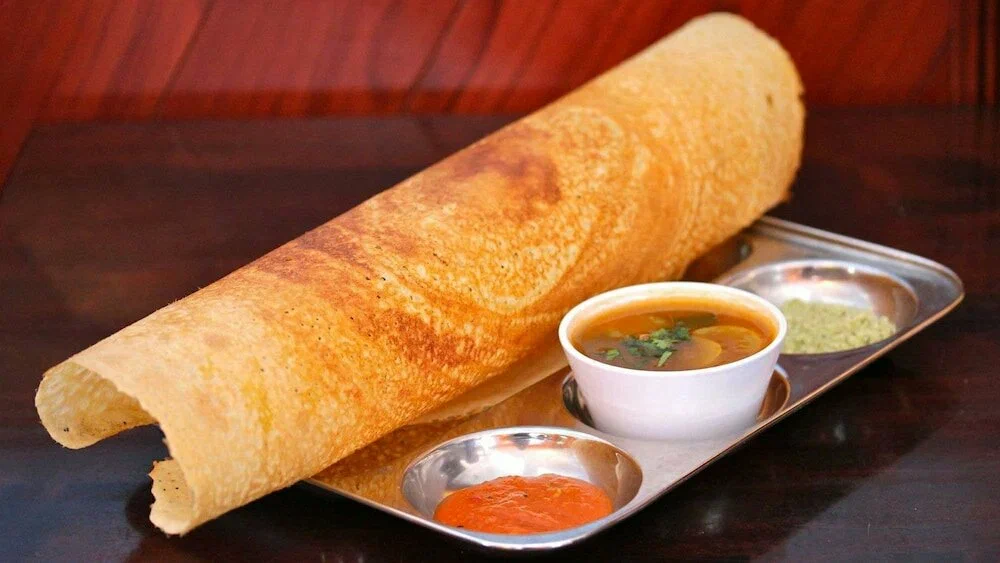
This dosa is characterised by its extra-thin and very crispy texture, being stretched widely on the pan, and a long cone shape is folded into it. It is crispy, fresh, and aesthetically pleasing.
FAQs
Is masala dosa gluten-free?
Yes, a classic dosa is always gluten-free as the dosa is gluten-free, as it is prepared using rice and lentils, and can be consumed by gluten-intolerant persons.
Can I eat masala dosa for dinner?
Absolutely. Masala dosa is eaten either in the morning or at dinner,r although the amount odosase consumed and accompaniments are to be taken into account towards a balanced diet.
Can people with diabetes eat masala dosa?
People with diabetes should eat masala dosa sparingly because of the large amount of carbohydrates in it, and this can be supplemented with sambar to equalise blood sugar.
Conclusion
Masala dosa is a tasty South Indian meal that is energy-giving, rich in proteins, and digestive. Being cooked with little oil, added vegetables, and regulated amounts, it will become a healthy, filling, and nutritious food that can be consumed for breakfast, lunch, or dinner.