
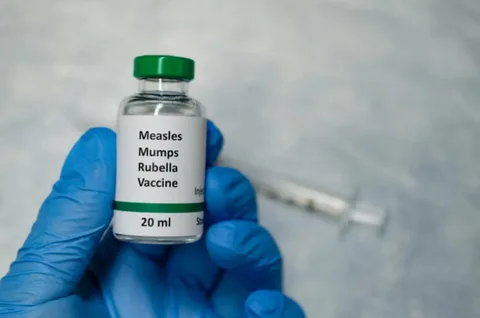
Learn about the MMR vaccine, its benefits, recommended schedule, who should avoid it, and common and rare side effects for children and adults.
What Is the MMR Vaccine?
The MMR vaccine is a live attenuated vaccine, which implies that it is a weakened version of measles, mumps, and rubella viruses. These attenuated viruses activate the immune mechanism to synthesize antibodies without causing the full manifestation of diseases. The conventional regimen typically consists of two injections:
- First dose: at 12–15 months of age
- Second dose: at 4–6 years of age
Vaccine efficacy in the prevention of the three diseases is high, and the immunity rates are above 90-95 percent in two doses.
How Does the MMR Vaccine Work?
Upon its injection, the attenuated viruses activate the production of antibodies by the immune system. Although these antibodies identify and neutralize the actual viruses in case a person is exposed at a later age, it lasts over time and therefore give immunity to the person. Availability of immunity is achieved by most people at the end of the second MMR vaccine.
MMR Vaccine Schedule
| Age Group | Dose | Notes |
| 12–15 months | 1st dose | Recommended initial dose for children |
| 4–6 years | 2nd dose | Ensures full immunity |
| Adults | 2 doses if not previously vaccinated | At least 28 days apart |
Who Should Avoid the MMR Vaccine?
- Those who have a severe reaction of allergy to previous doses or formula in the vaccines (e.g., neomycin)
- Individuals who have a weakened immune system as a result of illness or other drugs.
- Pregnant women- vaccination must be done before pregnancy.
Benefits of the MMR Vaccine
- Offers long-term immunity against mumps, measles, and rubella.
- Avoids such severe illnesses as pneumonia, encephalitis, infertility (mumps), or congenital rubella syndrome.
- Fights outbreaks and helps to create herd immunity within communities.
MMR Vaccine Side Effects
1. Soreness, bruising, redness, and swelling at the injection site
Through MMR vaccination, mild soreness, redness, swelling, or bruising around the injection site is likely to be experienced. These reactions are normally cleared in a few days on their own.
2. Mild rash
A light red, blotchy rash can be developed by some people, some days after vaccination. This is normally transient and painless, and in most cases, it is eliminated in just a few days, with no medical interventions needed.
3. Fever
One of the reactions of the body to the vaccine is a low-grade fever that may develop 712 days after the vaccine is administered. The fever is not severe and does not need any treatment, and usually passes in a day or two.
4. Joint stiffness
In some cases, the temporary joint pain or stiffness after MMR vaccination may be observed in older children or adults. The side effect is generally mild, temporary, and does not lead to long-term health difficulties.
5. Swollen lymph nodes (glands)
The MMR vaccination may occasionally lead to a slight swelling of the lymph nodes, particularly in the neck or under the arms. This means that the immune system is in action, and it will tend to heal without medication.
6. Diarrhea
Not many individuals can have some mild changes in their digestive system, such as diarrhea, following vaccination. These symptoms are usually transient, self-limiting, and can be treated at home through hydration and rest.
7. Fatigue
It is normal to feel unusually fatigued or lethargic during the day or two following the MMR vaccination. This is a weak response that expresses the immune response of the body, and it normally subsides easily.
Rare but Serious Side Effects
8. Severe allergic reaction (anaphylaxis)
Although very uncommon, a severe allergic reaction could develop, and the symptoms could include swelling, difficulty breathing, rapid heartbeat, or hives, and emergency medical help is necessary.
9. Seizures (usually due to high fever)
A few children can have post-vaccine fever febrile seizures. Such seizures are usually short-lived, and they do not lead to permanent neurological loss.
10. Unusual bleeding or bruising (caused by low platelet count)
Very rarely, the vaccine may momentarily lower the levels of platelets, causing abnormal bleeding or bruising. The condition normally heals itself and has no long-term consequences.
Why Do Adults Need the MMR Vaccine?
Adults should be immunized through MMR to avoid measles, mumps, and rubella because they might not have been vaccinated as children, and/or they do not have immunity to protect themselves and society.
1. Measles
Measles is a very infectious viral illness whose side effects include fever, rash, and respiratory symptoms. Lack of immunity among adults puts them at serious risk of severe complications, and therefore, vaccination is essential.
2. Mumps
Mumps may cause swollen lymph nodes, fever, and, in adults, such complications as orchitis or meningitis. These severe consequences can be avoided with the help of the MMR vaccination.
3. Rubella
Infection with Rubella, particularly in pregnant women, may result in birth defects. Vaccination guarantees protection and immunity of the individual and subsequent pregnancies.
Who should not get the MMR vaccine?
- Currently Sick with a Fever or Infection – It is advised that people with an illness more serious than a mild cold should put off vaccination, e.g., high fever or active infection.
- Severe Allergic Reaction to a Previous Dose – Everybody who has had a serious allergic reaction, such as a problem with breathing, swelling, or hives after receiving a previous MMR should not receive another dose.
- Pregnant Women – Pregnant women are not supposed to take the MMR vaccine, and those intending to get pregnant should wait at least a month after being immunized before they conceive a child.
- Allergic to Neomycin – Since neomycin is an ingredient of the MMR vaccine and a known allergen in an individual, that person should not receive the vaccine to avoid serious allergic reactions.
Myths and Misconceptions
- MMR vaccine is not a cause of autism: Various studies have disproved this argument.
- The presence of mild side effects is a normal reaction of your immune system.
- The dosage required is two; a single dosage might not be adequate in offering total protection.

FAQs
Is MMR a live vaccine?
Yes, the MMR vaccine is a live attenuated vaccine, which is composed of weakened measles, mumps, and rubella viruses, which precipitate immunity but do not result in the complete disease.
Is the MMR vaccine safe?
Yes, the MMR vaccine is safe in the majority of individuals. It is widely researched, and it prevents measles, mumps, and rubella successfully, with side effects that are severe and extremely infrequent.
Conclusion
MMR vaccine is a safe beneficent injection protecting against measles, mumps, and rubella. Mild side effects are problematic, but serious reactions are uncommon. Adhering to the suggested immunization schedule will provide long-term immunity for children and adults, protect the health of an individual and the community.