
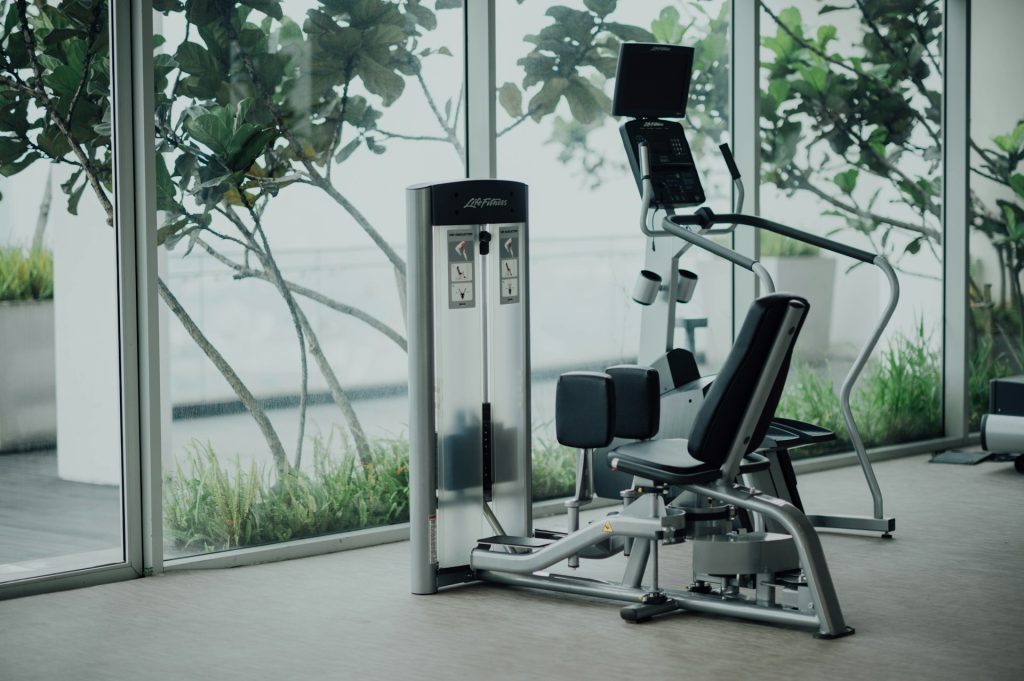
Explore gym equipment technology: smart machines, AI, wearables, and VR enhance workouts, safety, and personalization for home and commercial fitness enthusiasts.
Gym equipment technology is a term that is used to refer to the combination of both digital and mechanical technologies in the machines used in the gym. Conventional tools, such as treadmills, ellipticals, and stationary bikes, are increasingly offering such functionalities as touch screens, AI trainers, sensors, and connection to apps or wearables. These technologies help to be more motivated, monitor progress, and offer custom workout plans.
History of Gym Equipment Innovation
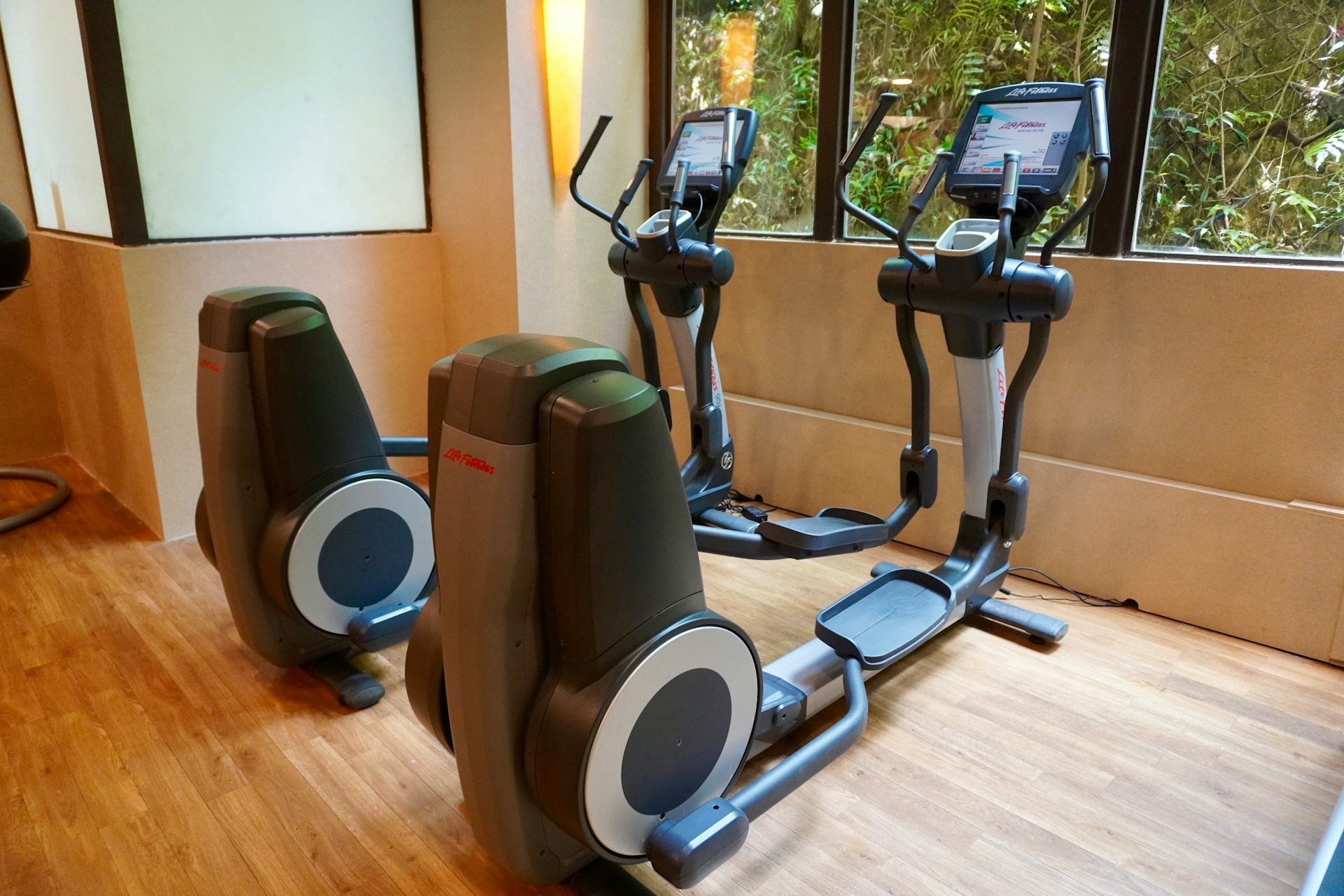
The evolution of fitness equipment has reached a long way. Training equipment, such as free weights and stationary bikes, was traditional and was utilized in a simple form of training. By the end of the 20 th century, machines that could have adjustable resistance and would display the resistance as a number were introduced.
Over the last few years, there have been technological innovations to include smart sensors, the ability to connect to apps, AI-driven guides, and VR experiences, making the workouts more immersive and effective.
Benefits of Integrating Technology in Gym Equipment
Personalized Workouts
Machines driven by AI develop personalized programs depending on personal objectives, athletic abilities, and past performance. Such personalization ensures maximum results and minimizes the chances of overtraining or plateaus.
Real-Time Performance Tracking
Smart machines monitor such parameters as heart rate, calories burned, speed, and repetitions and provide immediate feedback. Users are also able to track the progress and can dynamically make changes in the workouts to achieve better outcomes.
Enhanced Safety and Injury Prevention
Adaptive systems and sensors remind of proper posture and stop injuries. The machines of smart strength are capable of automatically adjusting the resistance levels, which makes the training process less straining and helps to avoid injuries.
Is Gym Equipment Technology?
Yes, gym equipment is classified as technology. Today’s fitness machines have been equipped with electronic devices that assist in monitoring fitness levels, setting appropriate levels of resistance, and even creating interactive training sessions. Such features include heart rate monitoring, smart screen technology, artificial intelligence-based training, and even connectivity with other apps.
Popular Examples of Technology in Gym Equipment
Smart Treadmills and Bikes
Interactive cardio machines with live classes, virtual routes, and gamified competitions have become popular with such brands as Peloton and NordicTrack.
Strength Machines with Digital Assistance
Technogym and Matrix Fitness are providing AI-based strength machines that monitor performance, perform automatic load adjustments, and provide users with the best movements.
Wearable Integration
Fitness trackers and smartwatches are paired with gym machines, and performance analysis, goal monitoring, and recommendations of personalized exercises are easily shared.
Challenges and Limitations
Although there are its benefits, the technology of gym equipment has challenges:
- An expensive initial investment in smart machines.
- Periodic maintenance and updates.
- Technical problems and compatibility of the devices.
- Training for beginners who are not used to digital systems.
These may be restrictive to adoption, particularly in small gyms or home facilities.
Gym Equipment Technology in Commercial Gyms
Most commercial gyms are now using technology to improve the experience of their members. They have automated performance tracking, custom programs, online classes, and fitness challenges. Gyms with smart technology can stand out and appeal to tech-driven customers and increase their retention.
8 Types Of Fitness Technology Redefining The Fitness Industry in 2026
01. Home Gym Equipment
The contemporary home gym machines incorporate intelligent capabilities, resistance adjustability, and compatibility with apps or other wearables, which enable the user to replicate the professional exercising experience in the convenience of owning the machine and tracking the performance and progress in real-time.
02. Wearable Fitness Technology
Smart devices such as smartwatches, heart rate monitors, and biometric rings allow users to consistently monitor their activity, sleep, heart rate, and calories burned and offer personalized feedback and encourage the user to maintain a consistent fitness routine.
03. Fitness Trackers
Fitness bracelets measure the number of steps, distance covered, and heartbeat, and are usually connected to smartphones or applications. They also present practical information, customized notifications, and progress to motivate people to do regular exercise.
04. Virtual Reality
VR fitness transforms the user into an interactive space by making the exercise a game, which increases engagement. The exercises of cardio, strength, and flexibility are more entertaining and encourage the user to constantly exercise as the performance is tracked.
05. Wellness Apps
Wellness applications include meditation, sleep trackers, nutrition tips, and stress management. Merging health and fitness, they offer comprehensive directions and allow users to lead a balanced lifestyle and healthy wellness practices.
06. Fitness Apps
Fitness apps provide customized exercises and training videos, as well as artificial intelligence-powered pieces of advice. They monitor the progress, offer goal-setting instruments, and present challenges to the community that inspire users and enhance long-term outcomes.
07. Smart Exercise Equipment
The new exercise machines will automatically adjust resistance, monitor user performance, and integrate with applications or wearables. They can give immediate feedback, improve safety, and maximize the strength, endurance, and fitness workouts.
08. Online Fitness Classes & Consulting
Online fitness advisory and virtual classes help do this because the user can get professional advice anywhere. Live, on-demand, and coaching sessions create fitness that is more affordable and convenient for all lifestyles.
The 3 Fastest Growing Technology Trends
Online Class Reservation
Gym members can conveniently make online class reservations and book group classes as well as manage their fitness routine online through online class reservation systems, which enhances convenience, efficiency, and overall experience of the gym to the users.
Online Training Services
Online training services offer virtual training sessions, training videos, and tailor-made exercise regimes, which allow clients to have professional advice wherever they are, anytime, and allow fitness to be more convenient, customized, and reachable worldwide.
Mobile Applications
Mobile apps combine a fitness tracker, a schedule of classes, exercise routines, and performance analytics into a single platform, which enables users to not only track their goals and stay motivated but also work out on their smartphones or tablets.
How to Use Technology to Manage Your Gym Successfully
Step 1: Implement a Gym Management Software
Manage memberships, class schedules, billing, and attendance with software. Automation saves time spent on work by the administration and enhances member experience.
Step 2: Integrate Smart Fitness Equipment
Install related machines in your gym, such as smart treadmills, ellipticals, and strength machines. These monitor the progress of the users, give real-time feedback, and improve engagement.
Step 3: Use Wearables and Mobile Apps
Promote the use of fitness trackers or a mobile app by your gym to track workouts, track goals, and get personal training plans. The insights based on data improve the outcomes and retention.
Step 4: Analyze Data for Business Decisions
Gather and process information about equipment, software, and applications to know when it is busiest, what classes are the most popular, and how members behave. This enables staffing, promotions, and allocation of resources to be done optimally.
Step 5: Leverage Digital Marketing & Community Engagement
Market classes, challenges, and events through social media, email promotions, and in-app messages. Online technology can be used to hold on to the members and create an integrated community in fitness.
Future Trends in Gym Equipment Technology
Emerging trends include:
- Training machines based on robotics.
- Individual coaching biofeedback sensors.
- Immersive workouts over VR and AR.
- Environmentally friendly designs of equipment.
- Intelligent health diagnosis and intelligent injuries.
Such inventions are the future of smarter, safer, and interactive technology in the gym.
Conclusion
The fitness industry is being transformed with the use of AI, wearables, and smart machines on gym equipment. It increases performance and safety, and personalization, in addition to inspiring users.
Its implementation in fitness centers and residential buildings is expensive. It has a learning curve, but its presence in both the home and gym is indicative of a future in which workouts are more efficient, social, and data-driven.