
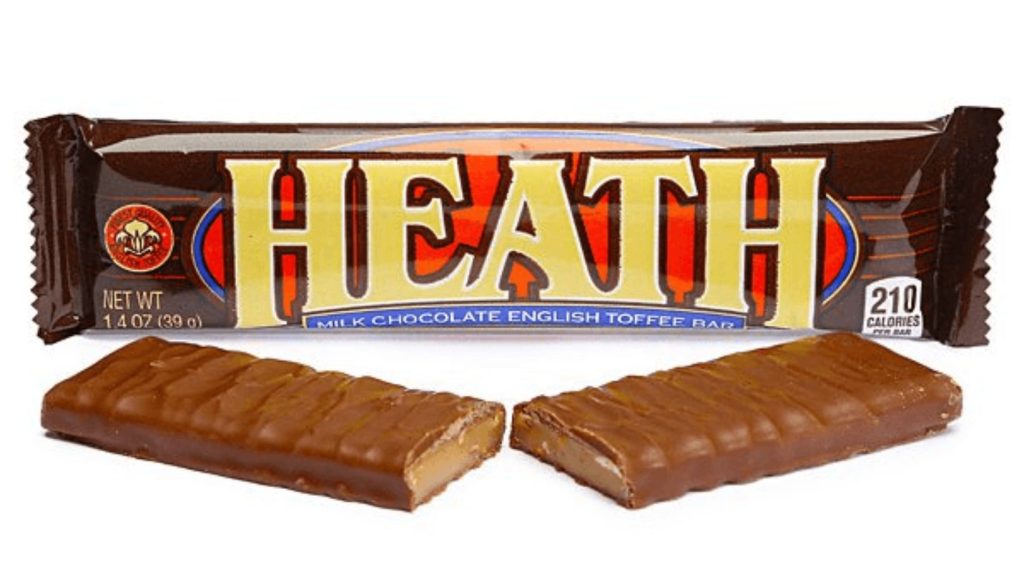
Discover if Heath Bars are gluten-free, their ingredients, risks of cross-contamination, and safe alternatives for celiac or gluten-sensitive individuals.
Introduction to Heath Bars
Heath Bars function as a traditional candy that combines English toffee to create a crunchy texture with creamy milk chocolate and almond pieces. People worldwide enjoy these snacks because their buttery taste and crisp texture make them suitable for eating and making baked goods and desserts.
Key Ingredients
- Sugar
- Almonds
- Milk Chocolate (sugar, cocoa butter, chocolate, milk, soy lecithin, vanilla)
- Butter
- Salt
The basic ingredients appear simple, but their actual source, which needs to be tracked because it brings gluten through facilities that process wheat products, creates problems for ingredient verification.

The History of Heath Bars
The L.S. Heath & Sons company introduced Heath Bars to the United States market in 1928. The company produced its first bars at its Chicago plant, where workers created the product through handcrafting. The product achieved success because of its original taste combination, which combined crunchy toffee with creamy milk chocolate.
Popularity and Global Reach
Heath Bars became an essential candy product that people purchased from store candy sections throughout the United States and various countries.
The product features a unique crunching sound, which people use to create desserts, nice cream, and baked goods, and therefore, their gluten content needs to be monitored by fans throughout the world.
What Is Gluten?
Gluten exists as a set of proteins that exists in wheat, barley, and rye, together with all products that derive from those grains. Gluten enables dough to keep its flexible structure while providing a chewy consistency to baked products.
Gluten appears harmless to most people except for individuals who have celiac disease and gluten sensitivity, who experience severe health problems from gluten consumption.
Why Gluten-Free Diets Matter
People with celiac disease experience digestive issues and nutrient absorption problems, together with various other health issues, from ingesting even minimal gluten amounts. People who suffer from non-celiac gluten sensitivity experience bloating, fatigue, and headaches after they eat gluten products.
Common Sources of Gluten in Foods
- Bread, pastries, and baked goods
- Pasta and noodles
- Cereals and granola bars
- Specific candies together with chocolate barthatch use malt and wheat components.
Ingredients of Heath Bars
Main Components
Heath Bars contain sugar, cocoa, and milk together with toffee, which combines butter and sugar. The components typically do not contain gluten because they exist in their natural state. The powdered form of malted milk exists as an ingredient in some recipes because it comes from barley.
Role of Malted Milk and Other Additives
Candies use malted milk powder to create their unique taste and mouthfeel. The product contains gluten because it originates from barley. The additional components of the product might include emulsifiers and flavoring substances, which in uncommon situations might contain concealed gluten content.
Are Heath Bars Gluten Free?
Yes, Heath Bars are gluten-free since they do not contain any of the gluten-containing ingredients such as wheat, barley, or rye in their composition. However, they are processed in a plant where gluten is used, which means there is a possibility of gluten contamination.
Those who have celiac disease should take caution, but those suffering from a slight gluten sensitivity can indulge in these. Here’s the reality:
Why Some Sources Say Yes
- The product contains no wheat, barley, or rye components
- Some lists of gluten-free candy include Heath Bars
- Hershey’s (manufacturer) ingredients may be gluten-free
Why Some Sources Say No
- Some claim Heath Bars contain malted barley or wheat derivatives
- No official gluten-free certification on packaging.
- The manufacturing process may involve shared equipment and cross-contact
Risks for Gluten-Sensitive Individuals
Cross-Contamination Concerns
Manufacturing of a product may also involve shared equipment and cross-contact. The main ingredients of the Heath Bar are gluten-free. The Heath Bar is manufactured in a facility that also handles gluten. This may cause cross-contact for sensitive individuals.
Potential Reactions in Celiac Patients
Celiac patients may experience symptoms if they take gluten in any form. Gluten consumption may cause intestinal damage and may also lead to diseases such as diarrhea, fatigue, and rashes.
Gluten-Free Alternatives to Heath Bars
Homemade Recipes
You may also make your own gluten-free toffee chocolate bar by purchasing sugar, butter, and chocolate, and also gluten-free malt alternatives such as rice malt and malt-free milk powder.
Store-Bought Gluten-Free Options
Several brands now offer gluten-free chocolate bars with toffee or caramel. Look for certified gluten-free labels from companies specializing in allergen-free candy.

Health Considerations Beyond Gluten
Sugar and Calorie Content
Heath Bars are high in sugar and calories. While consuming Heath Bars is not a problem for most people, those who are sensitive to sugar consumption should be careful.
Nut and Dairy Allergies
The Heath Bar also contains milk and may also contain nuts. Therefore, those who are allergic to dairy and nuts should not take Heath Bars.
Alternatives to Heath Bars
If you are a strict gluten-free dieter and are sensitive to cross-contact, you may prefer to choose gluten-free products over Heath Bars. Gluten-free products include:
- Specialty gluten-free toffee or chocolate bars
- Candy bars are produced in dedicated gluten-free facilities
- Recipes for making gluten-free toffee at home
Brands like Enjoy Life and other similar ones are dedicated to gluten-free candy, which makes them a safer option for people with celiac disease.
Conclusion
Heath Bars are gluten-free as they do not contain wheat, barley, or rye in their ingredients. However, they are processed in a place where gluten is used, and therefore, there is a possibility of gluten getting mixed in these. People who have celiac disease should be careful about these, while people suffering from gluten intolerance can enjoy these in moderation.