What Is a Pilates Ball?
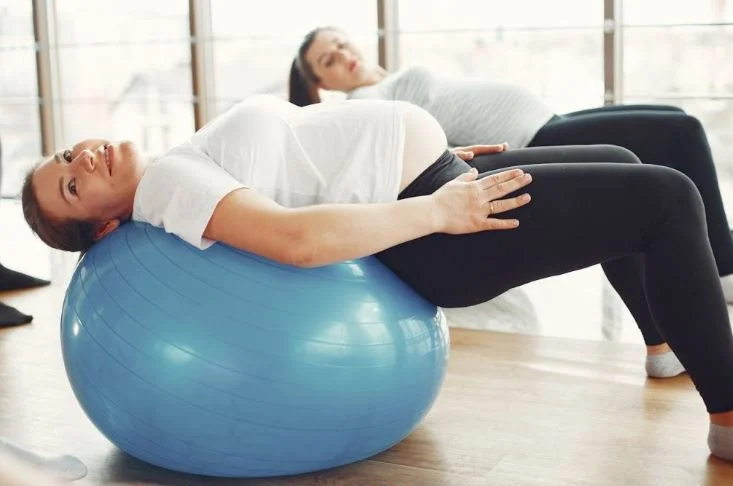
A Pilates ball (also known as a birthing ball) is an inflated exercise ball used during pregnancy to support the hip joints, back, and pelvic regions. It facilitates low-impact movements that improve blood circulation, reduce stiffness, and assist with prenatal stretching, strength building, and labor preparation.
Pilates Ball During Pregnancy
The Pilates ball pregnancy exercises use stability balls, which are also known as birthing balls, to create low-impact movements that help pregnant women build strength and flexibility and maintain proper posture. The exercises target core muscles and pelvic floor muscles, and lower back muscles, while protecting joints from excessive stress.
There are 3 primary benefits:
- Pelvic alignment improvement exercises (pelvic tilts and hip circles)
- Lower back pain relief exercises (seated bouncing and other stretching activities)
- Labor preparation exercises (hip-opening and postural improvement exercises)
What Is a Pilates Ball?
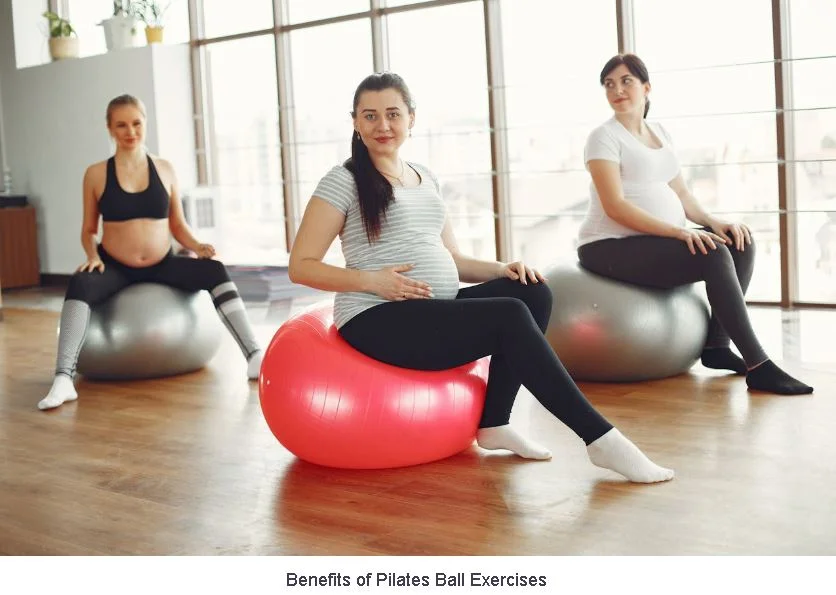
A Pilates ball is an inflated exercise ball used for stretching, balance, strength building, and relaxation. In pregnancy, it is referred to as a birthing ball due to its ability to help mothers stay comfortable and engaged in physical activities while preparing their bodies for delivery.
It offers support to the hip joints, back, and pelvic regions, thus allowing for easy movements which enhance blood circulation and reduce any stiffness. The ball is mostly employed in prenatal exercises, yoga, and physiotherapy.

Our top 10 Pilates ball pregnancy exercises
1. Seated Pelvic Tilts
Maintaining your straight back. The exercise can help to reduce lower back pain and enhance pelvic flexibility in pregnancy.
2. Wall Squats
The Pilates ball should be placed between the wall and your lower back. Gradually squat on the knees, then straighten up. Wall squats help tone the thighs, hips, and pelvic muscles with proper posture and balance.
3. Ball/Glute Bridges
Lie with your feet raised and with the slightest effort, raise your hips upwards. Movements should be slow and controlled. It enhances glutes, hips, and pelvic muscles, improves lower body stability, and decreases pregnancy-related discomfort.
4. Seated Marches
Keep one knee straight; then bring up the other knee, as though marching on the spot. This is a basic movement that improves balance, builds up the core, and supports pelvic stability without straining the joints.
5. Wall Push-Ups
Facing a wall, put your hands opposite each other, shoulder to shoulder. Gradually bend your elbows and lean against the wall, and then push away. Wall push-ups exercise the chest, shoulders, and arms and are safe during pregnancy.
6. Side-to-Side Hips
This is done by sitting on the Pilates ball with a straight back and bringing the hips in a side-to-side motion. This practice eases the tension in the pelvis, improves the flexibility of the hips, and helps eliminate the stiffness of the lower back and hips.
7. Ball Rollouts
Get yourself comfortably resting on a mat and place your hands on the Pilates ball. Roll the ball slowly forward, stretching your arms and back. This is a mild form of exercise that helps to relieve tension and enhance the flexing of the spine and shoulders.
8. Seated Figure Eights
Sit erectly on the ball and turn your hips in a figure of eight motion, commonly slowly and smoothly. This movement enhances pelvic movement, improves flexibility, and could be used to encourage the baby to be in a better position during labor and delivery preparation.
9. Hip Circles
Get the Pilates ball, sit in a comfortable position, and move in circles of slow movements with your hips. Repeat on both sides. Hip circles enhance flexibility, alleviate pelvic pain, and prepare the lower back to relax and prepare the body to give birth.
10. Side Stretch
Sit up on the Pilates ball and lift one arm overhead. Lean gently, to the opposite side, and remain a moment, then change sides. This stretch not only takes the strain off the ribs but also enhances flexibility and decreases the upper body rigidity during pregnancy.
Why is exercise for pregnant women important?
Exercise during pregnancy helps women achieve better strength and improved posture, and increased flexibility while decreasing their back pain, swelling, and fatigue levels.
The program helps people maintain their weight while they sleep better and experience improved emotional health. The body needs continuous movement because it helps prepare for labor and delivery while also providing faster recovery after childbirth.
Benefits of Pilates Ball Exercises During Pregnancy
Prepared You for Birth
The Pilates ball exercises enable pelvic opening and help the baby move into the correct position while allowing the body to move gently, which results in better preparation for labor, delivery, and the entire birthing process.
Improves Core Stability
The exercises target deep core muscles, which provide spinal and abdominal support, and this leads to reduced discomfort and improved balance and enhanced stability during the different stages of pregnancy.
Enhances Flexibility
Pilates ball activities and stretches help increase flexibility in the hips, back, and pelvis areas, thus decreasing stiffness and easing movement throughout the pregnancy period.
Promotes Better Posture
The ball enables people to sit and exercise, which leads to proper spinal alignment while decreasing slouching and alleviating back and shoulder discomfort that results from the body changes.
Supports Pelvic Floor Health
The pelvic floor muscles, which control bladder function and assist during labor and the postpartum recovery process after childbirth, become stronger and more relaxed through Pilates ball movements.
Reduces Stress and Enhances Relaxation
The ball enables gentle bouncing and stretching, which helps muscles relax and improves blood circulation while it decreases stress and produces a calming effect for both mother and baby.
How does Pilates Ball Support Pregnancy Fitness?
The Pilates ball allows the pregnant woman to gain strength in her core muscles gradually without straining the expanding abdomen and alleviating back pain. The Pilates ball also enhances stability and balance. Lastly, it facilitates engagement and relaxation of the pelvic floor muscles.
Safety Tips for Pilates Ball Pregnancy Exercises
Pregnant women must always consider safety issues when exercising with a Pilates ball. Consultation with a physician before the start of an exercise program is recommended for pregnant women, particularly those who have had complications in their pregnancies.
It is vital that the proper ball size be used to ensure that the knees are kept below the hip joints while sitting on the ball. Exercises must be performed slowly, and support from a nearby wall or chair must be available to maintain balance.
FAQ’s
1.Who Should Avoid Pilates Ball Pregnancy Exercises?
Pregnant women who have some risk factors for miscarriage should not do Pilates ball exercises during their pregnancy without prior approval from their physician. This group includes women with a risky pregnancy, pregnant women with placenta previa, women who experience significant pelvic pain, women with prior histories of preterm labor, women who bleed heavily, and women who suffer from hypertension.
2.Best Time to Start Pilates Ball Exercises During Pregnancy
The majority of pregnant ladies perform Pilates ball exercises after the first trimester due to fatigue, nausea, and weakness that accompany this period. In terms of timing, the second trimester is the best one to start with Pilates ball exercise routines because a woman’s body weight gains become visible at that stage, making her feel uncomfortable. Short daily sessions lasting 10-15 minutes will do much good.
3.Can Pilates Ball Exercises Help During Labor?
Yes, Pilates ball exercises can aid in childbirth due to their ability to reduce pain, promote proper fetal alignment, enhance pelvic mobility, and increase comfort during contractions in a natural way.
4.Is it safe to use a Pilates ball during pregnancy?
Yes, because when performed properly and with a doctor’s approval, they will help you feel comfortable, maintain your balance, and gain strength gently during pregnancy.
Final Thought
The Pilates ball pregnancy exercises provide expectant mothers with a secure and efficient method to enhance their strength, posture, flexibility, and pregnancy-related comfort. The exercises help maintain pelvic function while relieving back discomfort and getting the body ready for delivery. The correct instructions help them achieve better health results while preparing for childbirth safely and naturally.