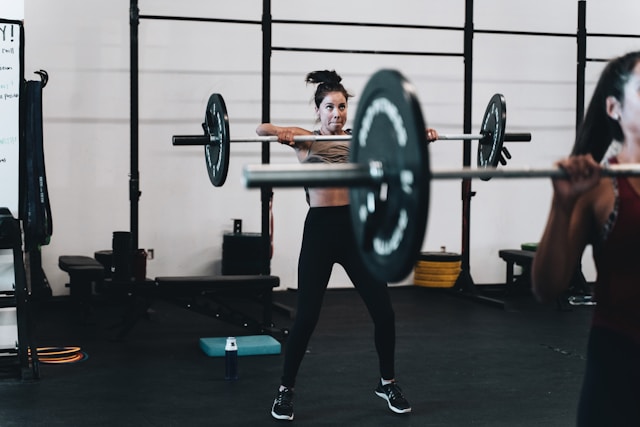

Does exercise boost immunity? Learn how physical activity strengthens immune cells, reduces stress, improves health, and helps protect the body from infections.
Introduction to Exercise and Immunity
Exercise and immunity maintain a strong relationship because regular physical activity helps maintain body defense mechanisms. The immune system functions as the body’s defense mechanism against dangerous viruses, bacteria, and infectious diseases.
Exercise leads to better blood flow, which enables immune cells to travel throughout the body with greater efficiency.
This process enables quicker detection of diseases while enhancing treatment efficiency. Moderate exercise creates two benefits, which include stress reduction and decreased inflammation that together help improve immune system performance and maintain long-term health.
What Is the Immune System?
The immune system functions as the body’s defense mechanism, which protects against harmful bacteria, viruses, and other pathogens. The system consists of white blood cells and various organs and tissues, which work together to detect and eliminate dangerous threats. The system protects the body from illness while it helps battle infections and sustains overall health through its protective and balancing functions.

Why Immunity Matters in Daily Life
A strong immune system protects the body from infections while providing faster recovery from illnesses, decreasing harmful inflammation, and protecting against chronic diseases. The system contributes to complete energy and body equilibrium and overall health throughout daily activities.
People who have weak immune systems develop more frequent colds and experience constant tiredness and take longer to recover from illnesses, while facing increased health dangers. People need to establish healthy habits through regular exercise, proper nutrition, and sufficient sleep to maintain their immune system strength.
Does Exercise Boost Immunity?
Certainly, physical exercises can help improve immunity, but only on the condition that they are performed regularly and moderately. They improve blood circulation, ensuring that immune cells can easily travel around the body for infection detection and fighting. Exercise relieves stress and inflammation while promoting quality sleep. All these benefits can contribute to a stronger immune system.
4 Ways Exercise Boosts the Immunity
More cells to the rescue
The body benefits from exercise because it enhances blood circulation, which enables faster movement of immune cells throughout the body. This mechanism allows white blood cells to identify infections at earlier stages, while they can swiftly counteract both bacterial and viral threats.
More “traps” to capture pathogens
The body develops improved natural defense systems through active participation in sports, which includes the creation of special immune mechanisms that capture dangerous microorganisms. Protective barriers stop infections before they have a chance to spread throughout the body.
Faster antibody responses after vaccination
The body uses exercise to enhance its vaccine response because it helps generate higher levels of antibodies. The immune system develops a better capacity to detect threats and creates more efficient methods to protect against subsequent infections.
Slower aging of the immune system
Physical activity helps people maintain their immune system abilities, which decrease as they grow older. The body benefits from regular exercise because it helps to develop healthier immune cells and reduces inflammation while increasing strength and resistance to aging.
Benefits of Exercise for Immune Health
The exercise benefits immune health because it increases blood flow, which helps immune cells operate at their best. The treatment decreases stress hormones while it decreases inflammation and improves sleep quality.
People who exercise regularly develop better infection resistance and faster recovery from sickness, and improved physical equilibrium. The combined effects of these factors build stronger immune systems while they promote natural health and well-being throughout life.
How Does Exercise Interact With Overall Immunity?
Exercise works with the immune system by facilitating better blood circulation to allow immune cells to travel effectively around the body. Exercise also decreases inflammation, balances stress hormones, and increases the function of white blood cells.
Moderate exercise contributes to building an effective immune system, reducing disease susceptibility, and promoting rapid recovery. Nevertheless, too much exercise is associated with temporary immune system suppression.
How Physical Activity Impacts Immune Cells
1. White Blood Cells (WBCs)
Through physical activities, the movement of white blood cells in the body will be enhanced, thus making it easier for these immune system cells to locate, neutralize, and destroy any infectious pathogens present in the body.
2. Natural Killer Cells
Natural Killer cells kill any virus-infected and abnormal cells. Exercise helps enhance their functions, thus enhancing the body’s immunity. The body is less likely to be infected by any pathogens.
3. T-Cells
The T-cell assists in controlling the function of the immune response and is capable of recognizing the threat posed by foreign substances. Physical exercises can be very helpful in making T-cells more efficient.
4. Antibodies
Exercise causes the creation of antibodies in the body. This means that the body becomes more prepared for fighting diseases by making faster identification of harmful microorganisms.
Exercise and Immunity in Different Age Groups
Children and Teens
Physical activities ensure good development of the immune system for children while lowering the risks of becoming obese or developing health problems from a sedentary lifestyle.
Adults
Exercise also aids in keeping the immune system balanced, reducing stress, and preventing future health problems that can compromise the immune system in adults.
Elderly Population
For seniors, exercise is beneficial as it strengthens the immune system, enhances mobility, and decreases the chances of contracting diseases such as the flu and pneumonia.

Lifestyle Habits That Support Exercise and Immunity
A healthy lifestyle through a nutritious diet, sufficient hydration, managing stress levels, and getting enough sleep plays an essential role in encouraging exercise and immunity. A nutritious diet supplies antioxidants and vitamins, hydration assists in cleansing the body, de-stressing controls stress levels, and 7-9 hours of sleep assists in the recovery process.
Common Myths About Exercise and Immunity
Myth 1: Exercise prevents all illnesses
The immune system receives support through exercise, which enhances blood circulation and cellular operations, but exercise does not guarantee complete protection against all infections and viruses and all other diseases.
Myth 2: More exercise means better immunity
The body experiences stress from excessive exercise, which results in higher cortisol production and reduced immune system function. The body requires both balance and recovery periods to sustain its effective immune system response.
Myth 3: Only intense workouts help immunity
People do not need to perform high-intensity workouts to maintain their immune system health. Walking, cycling, and yoga represent moderate activities that produce the best results for immunity improvement while minimizing physical stress and exhaustion.
Who Should Be Careful with Exercise?
People recovering from illness and those with chronic diseases, together with individuals who experience severe work pressure, should start their high-intensity workouts with caution.
The groups should not push themselves to their limits because physical activity provides health advantages. The body remains protected through light to moderate exercise, which delivers health benefits without creating extra demands on the body and immune system.
Conclusion
Exercise strengthens immunity through its benefits to circulation and stress reduction, and its ability to boost immune cell function. The body achieves better protection through regular moderate physical activity, which works best when paired with healthy lifestyle habits. The body achieves faster recovery and better long-term health through these two components.