What is event technology service, and how does it improve modern events with digital tools, engagement features, and hybrid event solutions today?
Introduction to Event Technology
Event technology refers to the use of digital tools, software, and hardware to plan, manage, and enhance events. The technology includes registration systems, ticketing platforms, virtual event tools, mobile apps, and audience engagement solutions.
The software enables organizers to manage their operations, enhance the experience for their attendees, monitor their activities, and create smooth-running in-person, virtual, and hybrid events, which lead to improved engagement and overall success.
What Is Event Technology?
Event technology refers to digital tools, software, platforms, and hardware that help organizers plan, deliver, manage, and measure events. Common examples include:
- Event registration software
- Online ticketing platforms
- Event management systems
- Mobile event apps
- QR code check-in
- Digital badges
- Live-streaming platforms
- Audience polling tools
- Event networking platforms
- Audio-visual equipment
- Event analytics software
- Digital marketing tools
Organizers can use these technologies before, during, and after an event. The right combination depends on the event type, audience, budget, location, and goals.
Event Technology Service
Event technology service refers to the use of digital tools, software, and technical systems to plan, manage, and enhance events. The solution includes event applications together with web-based registration, live streaming, and audio-visual support systems.
The technologies assist organizers by enabling them to work more efficiently while building better relationships with their audience through interactive virtual and in-person events.
Why Event Technology Services Matter
Events today can no longer be run with paper tickets and manual registration processes. Modern audiences look for efficiency, speed, and interactivity. Here are just some of the problems that event technology services help to overcome:
- Lightening the manual burden on organizers
- Improve the guest experience
- Facilitate communication and interaction
- Offer analytics and live data
- Enable hybrid and virtual events
For instance, event registration websites such as Eventbrite can assist businesses in registering for events, organizing events, and communicating with attendees in one place.
Key Components of Event Technology Services
1. Event Management Software
Event management software assists in planning, scheduling, and coordinating events effectively. It handles registration, speakers, schedules, and vendors while performing automated functions to reduce mistakes and increase efficiency in organizing events.
2. Virtual and Hybrid Event Platforms
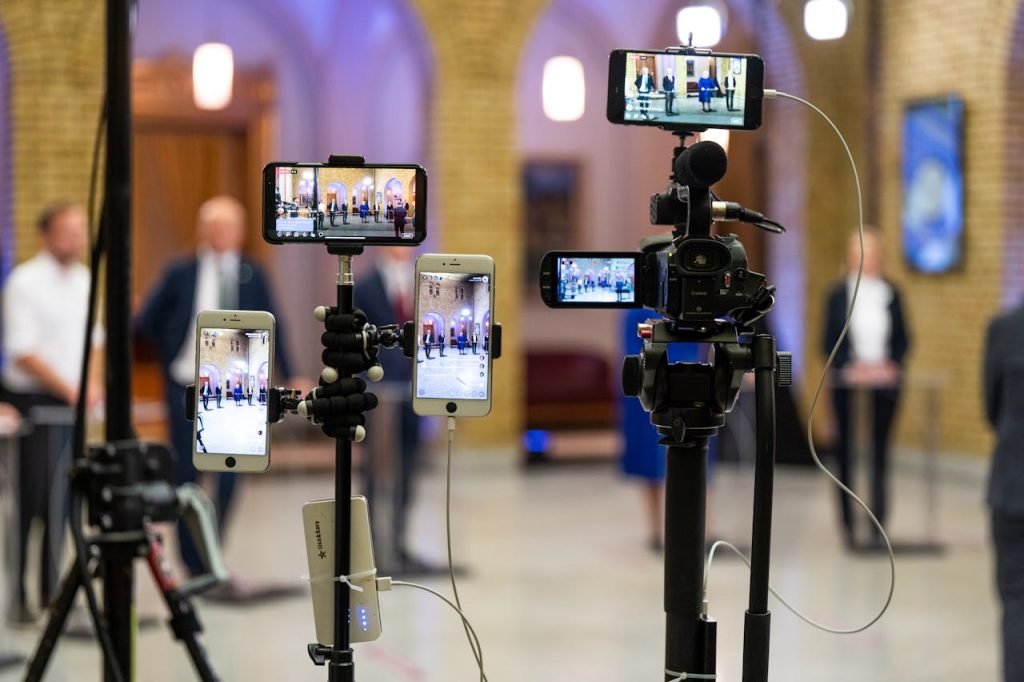
The platforms enable both online and hybrid events, which allow attendees to join either remotely or in person. The system provides live streaming, virtual networking, and interactive sessions, which enable people from around the world to access events with flexible, scalable, and inclusive options.
3. Audience Engagement Tools
The audience engagement tools allow users to participate by using live polls, Q&A sessions, chat features, and gamification elements. The tools help to maintain attendee interest while they interact, and the system creates an event experience that stays with them long after the event ends.
4. Event Analytics and Reporting
The event analytics tool gathers and analyzes information on event attendance, interaction level, and performance. This tool helps organizers to draw meaningful conclusions, learn from experience, and make decisions based on collected data.
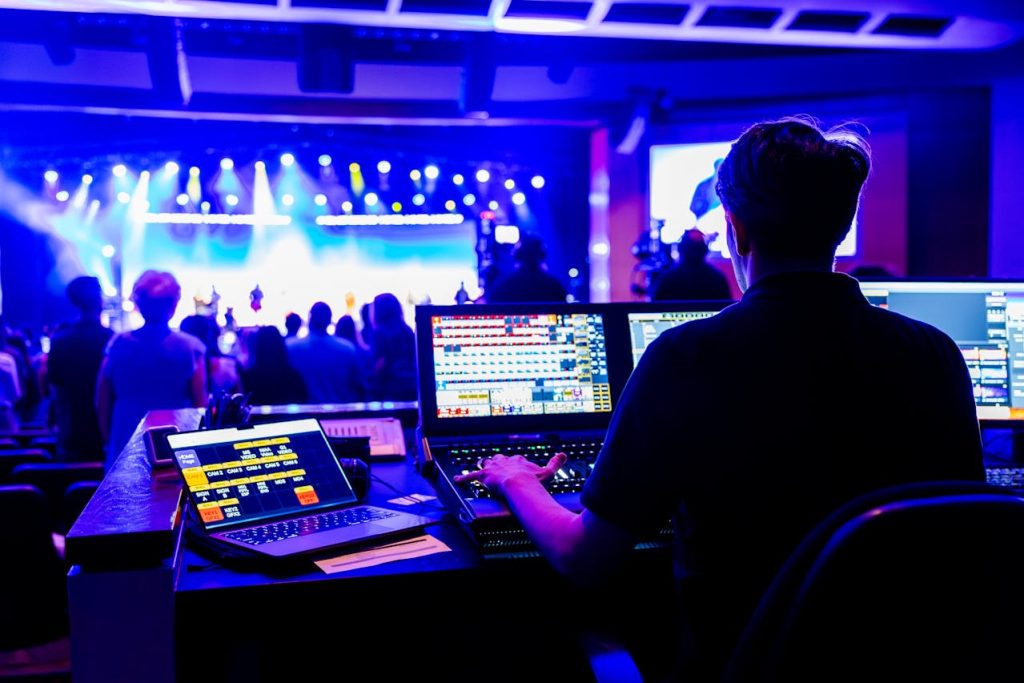
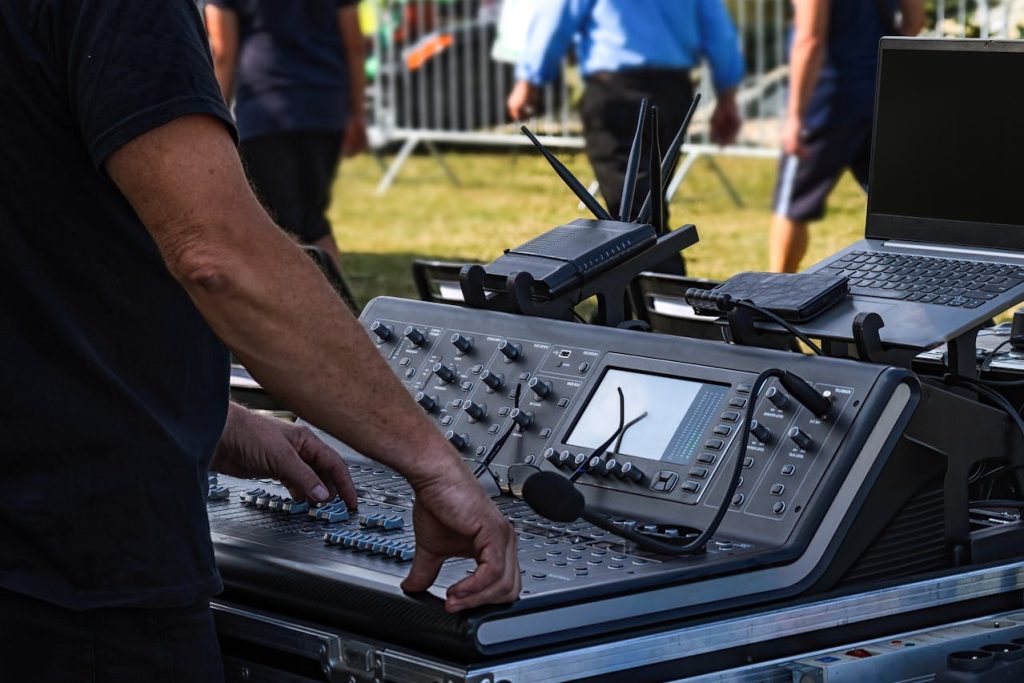
5. Audio-Visual (AV) Equipment and Services
The AV equipment is responsible for ensuring the audio and visual content of an event is delivered with high clarity, allowing attendees to fully perceive the message that speakers have to communicate.
6. Event Marketing Tools
The event marketing tool will assist in promoting the event via email marketing, social media promotions, and digital ads, helping reach out to the target audience and increase its attendance at the event.
7. Access Control and Badge Printing
The access control system and badge printing system take care of the admission and identification of visitors. The benefits of such systems include improved security, faster registration times, and efficient participant tracking for organizers.
How Does Event Technology Work?
Event technology usually connects several tools into one event workflow.
Before the Event
Organizers create the event, set up registration, promote the event, manage speakers, and communicate with attendees.
During the Event
Attendees check in, access schedules, join sessions, participate in interactive activities, network, and receive event updates.
After the Event
Organizers review attendance data, collect feedback, analyze engagement, share recordings or resources, and evaluate event performance. A typical workflow may look like this:
Plan → Promote → Register → Check In → Engage → Analyze → Follow Up
This approach helps event teams manage the complete attendee journey.
Types of Events That Use Event Technology
Corporate conferences and meetings
Event technology helps in organizing the schedule, presentation, and communication processes involved in the conference and meeting, thereby streamlining the processes for the organizer and participant.
Trade shows and exhibitions
This technology will ensure that registration, digital display, lead generation, and visitor interaction during an event are well managed, ensuring coordination among exhibitors and visitors.
Music concerts and festivals
This technology will assist in ticketing, sound system, lighting management, and live streaming of the event, which is essential for creating engaging entertainment experiences for the crowds attending.
Weddings and private celebrations
This technology can help coordinate digital invitations, guest list management, music arrangement, and photography during weddings and other private events to enhance their organization and memorability.
Online webinars and training sessions
Event technology allows for streaming, classroom training, interactive sessions, and recording, enabling the learner to participate in the training process remotely from their location.
Product launches and marketing events
The technology allows for live presentation, audience participation, display of branding, and global streaming of the presentation, which helps the organization in presenting its product effectively to its audiences.
How Does Event Technology Improve Different Event Types?
Event technology does not serve every event in the same way. The right tools depend on the event’s objective.
| Event goal | Useful event technology |
|---|---|
| Increase registrations | Registration and ticketing software |
| Improve check-in | QR codes and digital badges |
| Increase engagement | Polls, Q&A, quizzes |
| Improve networking | Matchmaking and meeting tools |
| Reach remote audiences | Live streaming and virtual platforms |
| Capture leads | QR scanning and lead retrieval |
| Improve communication | Mobile apps and notifications |
| Understand attendance | Analytics and tracking |
| Collect feedback | Digital surveys |
| Demonstrate ROI | Reporting dashboards |
The central principle remains simple: choose technology according to the event goal rather than adding technology simply because it is available. Cvent similarly recommends keeping event goals at the center of technology decisions.
Benefits of Event Technology Services
Better Event Efficiency
Automation reduces repetitive administrative tasks. Registration, check-in, communication, scheduling, and reporting can become easier to manage.
Improved Attendee Experience
Attendees can access information quickly through mobile apps, digital tickets, online schedules, and event notifications.
Higher Audience Engagement
Interactive tools such as polls, quizzes, Q&A sessions, and networking platforms encourage active participation.
Better Data Collection
Digital platforms can collect useful information about registration, attendance, engagement, and feedback.
Support for Hybrid Events
Virtual and hybrid technology allows people to participate without physically attending the venue.
Faster Communication
Organizers can send schedule changes, reminders, announcements, and emergency information through digital channels.
Easier Event Measurement
Analytics and reporting tools help organizers understand event performance and identify areas for improvement.
Event Technology and Accessibility
Technology can improve event accessibility when organizers select and configure tools carefully. Useful features may include:
- Live captions
- Captioned recordings
- Accessible digital documents
- Screen-reader-friendly platforms
- Clear digital navigation
- Assistive listening systems
- Remote participation options
Organizers should consider accessibility during event planning rather than adding it as an afterthought.
Event Technology Trends to Consider in 2026
Event technology continues to expand beyond basic registration and ticketing. Current industry discussions emphasize virtual and hybrid experiences, mobile event apps, digital venue planning, interactive technology, and increasingly sophisticated event technology roles.
Important areas to watch include:
- AI-assisted event planning
- Personalized attendee experiences
- Mobile event applications
- Hybrid event platforms
- Real-time analytics
- Digital networking
- Interactive audience technology
- Virtual venue experiences
- Automated communications
- Integrated event management platforms
The exact technology stack should still depend on the event rather than the trend itself.
Future of Event Technology Services
Event technology is advancing through AI personalization, VR/AR experiences, smart analytics, hybrid environments, and AI chatbots. The new technologies will create events that provide participants with interactive experiences throughout their entire process, using worldwide data while delivering high levels of engagement to all attendees.
Challenges in Event Technology
Event technology experiences problems, which include technical glitches, expensive setup requirements, user learning challenges, and the need for internet connectivity. However, event execution can proceed without interruptions when proper planning, training, and professional support services are implemented.
Best Practices for Using Event Technology
Follow these practices to get better results from event technology:
- Start with the event goal.
- Choose technology that solves a real problem.
- Keep the attendee journey simple.
- Test all systems before the event.
- Train staff and speakers.
- Provide technical support during the event.
- Protect attendee information.
- Include accessibility features.
- Prepare backup systems.
- Analyze results after the event.
These steps can reduce technical risks while improving the overall event experience.
Conclusion
Event technology services are revolutionizing current events through increased efficiency, interactivity, and data-driven decisions. These technologies offer a smooth experience for both organizers and participants in all stages of an event. With increasing innovation, event technology solutions will keep transforming future events into smarter and more interactive events.