

Is sauna good for health? Discover benefits, risks, types, skin & heart effects, weight loss truth, and safe usage tips for better wellness.
What Is a Sauna?
A sauna operates as a hot room which maintains temperatures between 70°C and 100°C (158°F and 212°F). The heat can exist in two forms, which include dry heat of a traditional Finnish sauna and wet heat of a steam sauna or steam room.
Your body starts to sweat excessively when you enter the room because your body temperature increases. The process of sweating helps the body remove toxins, according to popular belief, while scientific research shows that the practice mainly improves blood flow and induces relaxation.

Types of Saunas
Traditional Finnish Sauna
The traditional sauna of Finland operates according to its design, which uses heated stones to generate dry heat throughout its wooden structure.
The high temperatures of the sauna create conditions that make the body sweat while people experience relaxation, and their blood circulation improves, and they achieve complete body detoxification.
Infrared Sauna
The infrared sauna system uses infrared light to heat the human body through direct contact. The system functions at lower temperatures, which allows users to experience deep tissue sweating while their muscles relax and their bodies recover in a comfortable way.
Steam Room (Steam Sauna)
The steam room creates warmth through its moist heat, which comes from its high humidity. The continuous steam and warmth of the environment enable the body to open its pores, which helps with breathing and skin hydration while creating a calming effect.
Smoke Sauna
The smoke sauna represents an ancient Finnish sauna style that uses wood combustion without a chimney system. The space becomes clean after the smoke removal process because it maintains a soft aroma that delivers gentle warmth and creates a calming space.
Hybrid Sauna
The hybrid sauna system combines different heating methods, which include infrared and traditional heating systems.
Users can adjust their settings to define their preferred temperature and humidity levels, which will provide them with various health advantages that include relaxation and detoxification, and recovery assistance.
Sauna Therapy Center
The wellness center provides controlled heat therapy sessions, which people can experience in its specially designed sauna rooms. The centers provide traditional dry saunas and infrared saunas, and they sometimes include steam therapy rooms.
The facilities exist to help people achieve relaxation and detoxify their bodies through sweating and recover their muscles, and improve their overall health. Sauna therapy has become a common health service that many gyms, spas, and wellness clinics now offer to their customers.
Sauna Benefits for Women
Sauna sessions can provide women with relaxation benefits that help them achieve hormonal balance. The heat treatment helps to decrease stress levels while uplifting mood and enhancing sleep quality.
The process improves skin health through increased blood circulation, which produces a natural skin glow. Many women also find saunas helpful for relieving menstrual discomfort and reducing water retention in the body.
How Sauna Works on the Body
Heat Exposure and Circulation
When exposed to heat, blood vessels expand, which results in increased blood flow. The enhanced circulation system delivers oxygen to all body parts more effectively.
Sweating and Detoxification
Saunas cause people to sweat profusely, which enables them to remove tiny amounts of toxins and surplus salt from their bodies, while their main detoxification organs, the liver and kidneys, remain responsible for detoxing.
Is Sauna Good for Health?
Yes, saunas can contribute to general well-being if used properly. Sauna bathing can increase blood flow, relieve stress, help muscles recover from exercise, and induce relaxation. Saunas can provide health benefits for the heart and skin. However, proper hydration is key to preventing dehydration and overheating.
Health Benefits of Sauna
1. Improves Heart Health
Sauna sessions increase heart rate in a way similar to light exercise. The process helps to enhance blood flow, while it may also benefit heart health through prolonged use.
2. Reduces Stress and Anxiety
Sauna heat brings about muscle relaxation while it helps the body to produce endorphins, which function as natural “feel-good” substances in the brain. The process functions to decrease both stress and mental tension.
3. Helps Muscle Recovery
Athletes commonly visit saunas after their workouts because the heat assists them in achieving muscle relaxation while it decreases their muscle tightness and speeds up their post-exercise recovery process.
4. Promotes Better Skin Health
Sauna bathing causes the body to sweat, which opens skin pores and enables the body to eliminate dirt and oil, resulting in cleaner and healthier skin.
5. Improves Blood Circulation
The body experiences heat exposure, which causes blood vessels to widen, leading to better blood flow and oxygen distribution across all body parts.
6. Supports Detoxification
The body primarily uses its liver and kidneys for detoxification, but sauna sweating enables the body to excrete small amounts of toxins through skin elimination.
Sauna vs Steam Room
| Feature | Sauna | Steam Room |
| Heat Type | Dry heat | Wet humidity |
| Temperature | 70–100°C | 40–50°C |
| Humidity | Low | Very high |
| Effect | Deep sweating | Clears airways |
| Best For | Muscle relaxation | Respiratory relief |
It is better to use saunas for deep heating therapy purposes, while steam rooms work best for treating respiratory problems and enhancing skin hydration.
Is Sauna Good for Weight Loss
The use of a sauna can aid in achieving weight loss, but it cannot burn fat. The weight loss associated with a sauna experience is mostly attributed to dehydration caused by excessive sweating. Although it can help boost the heart rate and cause more calories to be burned, it cannot directly contribute to losing body fat.
Is Sauna Good for Skin
Saunas are great for skin care since they help open pores while promoting blood flow within the skin. The process helps eliminate oils, dirt, and toxins from the skin, thus leaving it clean and healthier. Besides, using saunas regularly helps reduce acne while improving skin tone. However, overusing the treatment method might make the skin dry.
Why Sauna Is Bad for You
Though the use of the sauna is advantageous, it can also become dangerous when done improperly or too much. The excessive exposure to the high temperature of the sauna can cause dehydration, dizziness, or heat exhaustion. Those who have some health problems, particularly those involving their heart and blood pressure, need to be extra careful.
Benefits of Sauna After Workout
A sauna following exercises will enable the muscles to relax and recover faster. The rise in temperature causes better blood circulation, resulting in decreased pain and muscle stiffness. In addition, the process ensures that lactic acid in the muscles is flushed out, ensuring that the muscles are relaxed after exercise.
Disadvantages of Sauna
The sauna might result in dehydration, overheating, and dizziness if used for an extended period. In addition, it might worsen heart complications or low blood pressure, among other health issues, in individuals. The excessive use of a sauna can also result in fatigue and dry skin.
Is Sauna Good for Heart Palpitations
Sauna use helps certain people experience decreased heart palpitations, which occur due to stress. The treatment works for some people, but it needs to be avoided by people who have heart disease or experience irregular heart rhythms. The situation requires medical advice before people use saunas because heat stress has the potential to make their symptoms worse.
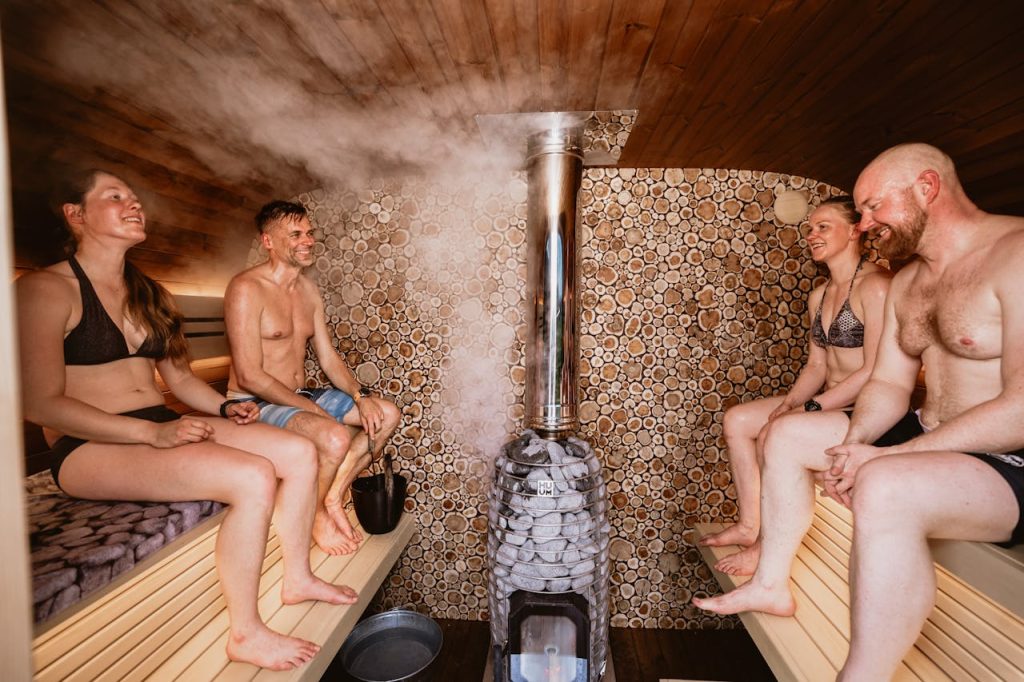
How to Use a Sauna Safely
The recommended method for sauna usage requires users to limit their sessions to a duration of 10 to 20 minutes. The session requires people to drink water both before and after to avoid dehydration problems.
People should avoid alcohol consumption, eating large meals, and experiencing excessive heat because these activities produce dangerous results during sauna sessions.
Who Should Avoid Saunas?
Saunas may not work as effective treatments for all people. People with heart conditions, low blood pressure, pregnancy, or serious medical issues should consult a doctor before using one. Individuals who feel weak, sick, or dehydrated should also avoid sauna sessions until they recover.
Risks and Side Effects of Sauna Use
Saunas provide health benefits, but their misuse creates health dangers. People who use saunas excessively face risks of dehydration, dizziness, and overheating.
People may also experience low blood pressure after long sessions. People need to drink sufficient water, and they should restrict their sauna use because these factors protect against negative body effects.
FAQs
Can sauna detox the body?
Sauna causes people to sweat, which results in body fluid and sodium loss. The body uses sweating as a secondary method of detoxification, but the liver and kidneys handle all primary detoxification functions.
Is a sauna safe for beginners?
Yes, beginners can safely use a sauna if sessions are short and hydration is maintained. The body needs to start with low heat exposure, which increases over time for safe heat adaptation.
What is the best time to use a sauna?
The best time to exercise exists between evening and post-workout periods. The sauna provides recovery benefits because it relaxes muscles while decreasing stress and enhancing sleep quality, according to their end-of-day relaxation procedures.
Conclusion
The sauna functions as an effective wellness method that creates positive health effects through its ability to generate improved relaxation, blood flow, and body recovery when used correctly. The practice supports mental peace and physical well-being, but requires users to limit their practice time.
The users need to track their hydration levels and practice timing because those factors help them achieve health advantages while protecting them from dehydration and overheating dangers.