
What Is Muscle Mass?
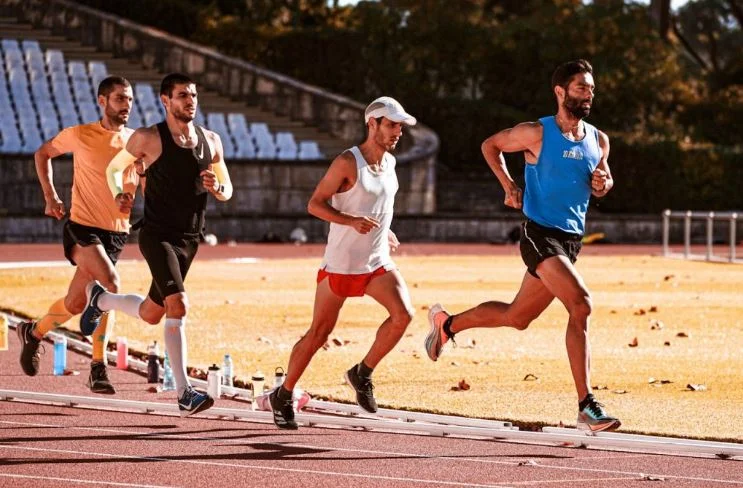
Muscle mass refers to the size and weight of your muscles. Muscles are developed as minute tears occur in the body’s muscles during exercise and are repaired. This is aided by good food, rest, and training. Muscles are developed by resistance and/or stress. Strong resistance, weight lifting. Running provides low-level resistance and engages muscles.
Understanding Muscle Growth in the Body
The growth of muscles occurs when muscle fibres are subjected to stresses that are strong enough to result in a small amount of damage. During sleep time, the body repairs this damage and strengthens and thickens the fibers.
The process is dependent on the following:
- Mechanical stress of muscles.
- Adequate protein intake
- Recovery and sleep
Weight training provides robust resistance and thus effectively stimulates muscle growth. Running is another kind of stress that primarily enhances endurance and efficiency, and not size.
How Running Engages Muscles
Running is a whole-body exercise, primarily a lower-body and core workout. Each step also requires the muscles to repeat the action while maintaining body weight.
Main muscles used are:
- Buttock muscles for pushing up.Quadriceps for forward motion.
- Balance leg pull with hamstrings.
- The gluteal muscles are used for power and stability.
- Push-off muscles (calf)
- Do core exercises for posture and control
These muscles are used every time the runner runs and particularly when they run up hill or at a faster pace. The constant activation leads to adaptations in muscle tissue that result in strength and endurance.
Muscle Adaptation from Running
The effects of running and weight lifting on muscles are different. Running mainly develops:
- Muscle endurance
- Slow-twitch fiber efficiency
- Fatigue resistance
- Functional strength
Endurance exercise relies on slow-twitch muscle fibres. These fibers do not increase in size rapidly, but rather become more efficient and less prone to fatigue.
This implies that running will help to enhance the performance and tone, but the growth of muscles will be limited in most scenarios.
Can Running Increase Muscle Mass?
Yes, but on condition that. High intensity running and sprinting can help to develop leg muscles, particularly for first timers. But long-distance running has a primary effect on endurance, not on size. Muscle gain relies on diet, resistance training, and recuperation, which is why strength training exercises are vital for noticeable and balanced muscle development and overall development.
Types of Running That Build Muscle
Sprint Running
Sprint running involves bursts of maximum speed. It stimulates the fast-twitch muscle fibres that are linked with power and strength. This form of running is less likely to cause a slow jog and more likely to build muscle than slow jogging.
Hill Running
When you are running on hills, there is more resistance as gravity is against you. This puts added stress on the legs and glutes, increasing the development of muscle strength and size.
Interval Running
Interval running incorporates periods of running with periods of recovery. Takes a toll on endurance and strength systems. The combination is great for muscle performance and building lean muscles.
Long-Distance Running
In long-distance running, the emphasis is on endurance. It increases muscle strength and primarily enhances endurance. The intensity is lower over long periods, and muscle growth remains low.
When Running Builds Muscle
Running primarily builds muscle with high-intensity exercises such as sprint training or HIIT exercises. These brief, intense interval exercises trigger the recruitment of fast-twitch muscle fibres, leading to greater strength and muscle tone, particularly in the legs and buttocks.
The additional resistance to gravity during hill training also helps to build muscle. This results in muscles being used to greater effect with each stride, leading to increased size, strength, and endurance in the lower body, as well as an increased overall athletic performance and power output.
Why Running Does Not Build Big Muscles
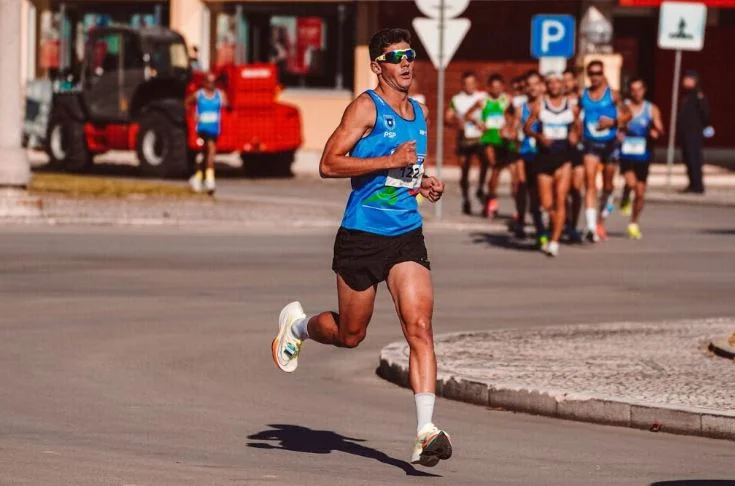
Running itself does not lead to big muscles due to the lack of heavy resistance. It entails high reps, low loads, therefore training for endurance, not size. Energy is used to fuel STAMINA, not bulk. Running doesn’t create enough stress to grow muscles, but weight training tears the muscle and then causes it to grow.
Factors That Affect Muscle Growth From Running
Diet and Protein Intake
Proper nutrition plays an important role in muscle building. After exercising, protein repairs the muscle fibres. Muscle growth will also be reduced if exercise is performed without adequate protein and calories.
Recovery and Sleep
The muscles do not grow when exercising, but when they are at rest. During sleep, the body can repair damaged tissues and build up stronger fibers. Poor sleep decreases muscle development.
Training Intensity
The more strenuous the running, the more stress on the muscles. Sprinting and hill workouts will result in better muscle adaptation than slow jogging.
Best Tips to Build Muscle While Running
Add Strength Training
Incorporate running into strength training, such as squats, lunges, and deadlifts. This helps to build muscle at the same time as it builds strength and endurance.
Eat Enough Calories
In order to build muscle, your body should have sufficient energy. Protein, carbohydrates, and healthy fats are all essential to a balanced diet that helps repair and build muscle.
Focus on Recovery
It is important to have a rest day. They recover and strengthen the muscles. The absence of recovery will result in a decrease in muscle building.
Common Mistakes Runners Make
Many people make common errors, such as excessive amounts of cardio, as the body may metabolise muscle to fuel the activity, resulting in less muscle building. Not eating enough calories limits muscle repair and growth. Fatigue and delayed recovery can be caused by skipping a day.
Benefits of Running Beyond Muscle Growth
There are many benefits to running besides muscle building. It helps to build up the heart muscle and maintain good blood flow, reducing the risk of heart disease.
It also helps to burn calories and decrease body fat, which will make lean muscle more visible. Running also benefits mental health, as it helps to lower stress, boost mood, and increase focus and emotional balance.
Final Thought
Running improves strength, endurance, and fitness levels but does not develop substantial muscle mass. Sprinting and hill running help maintain muscle tone, but actual muscle development requires strength training, proper nutrition, and recovery time.