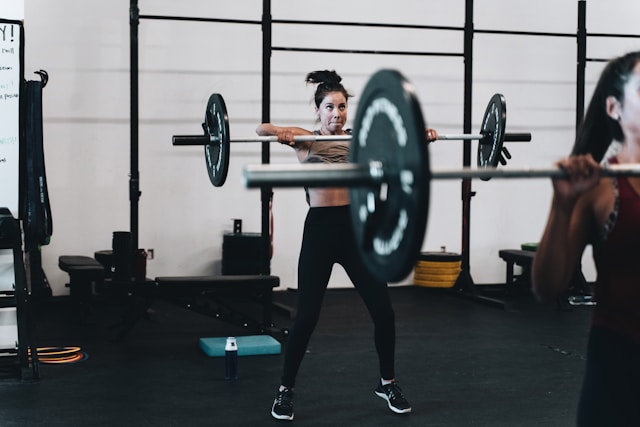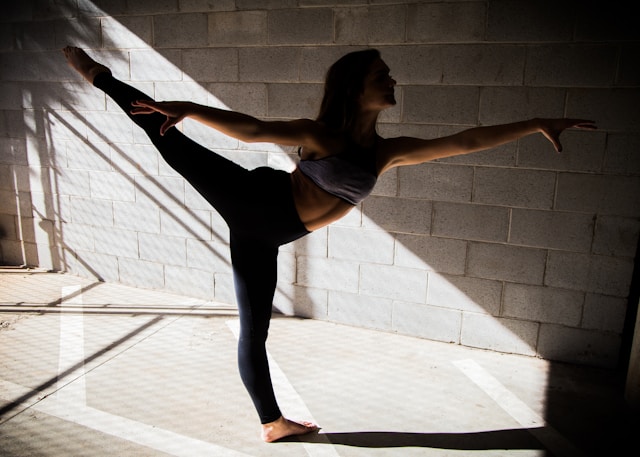
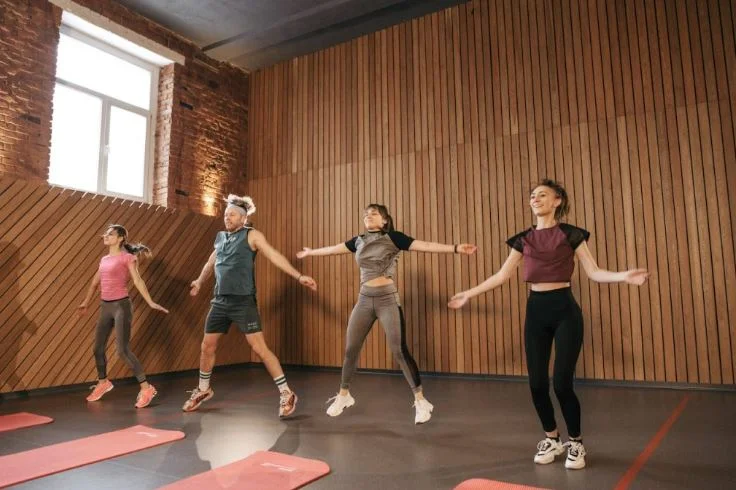
Learn about Zumba exercise, its history, benefits, types, calorie burn, safety tips, and how it improves fitness, weight loss, and overall health.
Zumba Exercise
Zumba exercise is a fitness exercise that combines the elements of dance and aerobic exercise. It facilitates body movement in a fun way through music and simple steps. The goal of many who take Zumba is to be active and exercise without getting bored.
Who Created Zumba?
Zumba was invented by Alberto Perez in the 1990s in Colombia. His profession was a fitness instructor. One day, he forgot his usual aerobics music, and he used some tapes of Latin music that were in his bag.
He created a workout to the salsa and merengue rhythms. It was at this time that Zumba began.
Later, he journeyed to the U.S., where he helped develop the concept for entrepreneurs and turn it into a worldwide fitness programme. Later, the program was extended by Zumba Fitness.
How Zumba Became Popular
The popularity of Zumba quickly gained momentum because it is supposed to be fun to exercise. The Zumba craze began in fitness studios.
It was a course that was taught in gyms, schools, and community centers by trainers. It has grown rapidly through social media and word of mouth. Individuals of all ages participated since no dance training was required.
How Zumba Exercise Works
Music and Dance Movements
The basis of Zumba is music. The teacher chooses songs that have good beats. A pair of dance moves is associated with each song. These are moves from various styles of music such as Salsa, Reggaeton, Hip-Hop, Cumbia, and Merengue.
Participants follow the instructor’s body movements. This is repeated, and the body learns the steps over time. The emphasis is on rhythm rather than perfection.
Cardio and Full-Body Workout
Zumba is a exercise. It promotes heart rate with sustained action. Arms, legs, hips, and core remain engaged. Many of the routines contain elements of jumping, twisting, squatting, and stretching.
The body is burning calories during the workout. This workout increases stamina, exercises muscles, and remains fun.
What Happens in a Zumba Class
Warm-up movements are used to kick off a class. The instructor then plays music and introduces step-by-step routines. Class is grouped, following the instructor. Changes are made to the routine for each song. Class ends with relaxation of muscles through stretching.
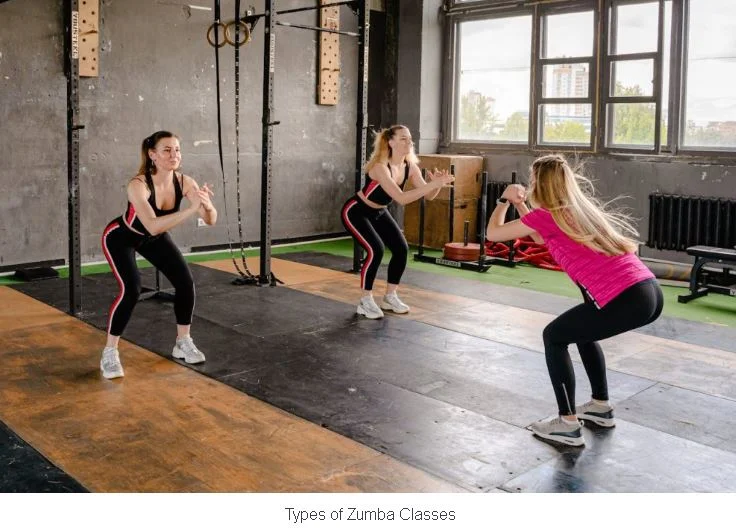
Types of Zumba Classes
Aqua Zumba
Aqua Zumba is water and pool exercises with dance moves. Water minimizes the impact on the body, provides joint support, and enhances resistance training for a safe and refreshing whole-body workout.
Zumba Gold
Zumba Gold is for older adults and beginners. It incorporates slow, simple dance movements with low-impact movements. This class will enhance mobility, balance, and heart health and ensure that exercise is safe and comfortable.
Zumba Kids
Zumba Kids is created to be enjoyed by kids. There are fun dances, games, and music. This class teaches kids how to coordinate, build confidence, develop fitness habits, and have fun playing physically.
Zumba Kids Jr
Kids Jr emphasizes kids ages 4-6. It incorporates very simple steps, short routines, and fun songs. This class develops early fitness, rhythm, and motor skills.
Zumba Step
Zumba Step is the fusion of classic Zumba dance and step aerobics. It builds strong legs, glutes, and core. This exercise boosts calories burned and enhances balance, coordination, and lower-body strength.
Zumbini
Zumbini is for parents, infants, and toddlers. It is a mixture of music, movement, and bonding activities. This program fosters early learning, emotional growth, and parent-child connection through a play-based approach to small group interaction.
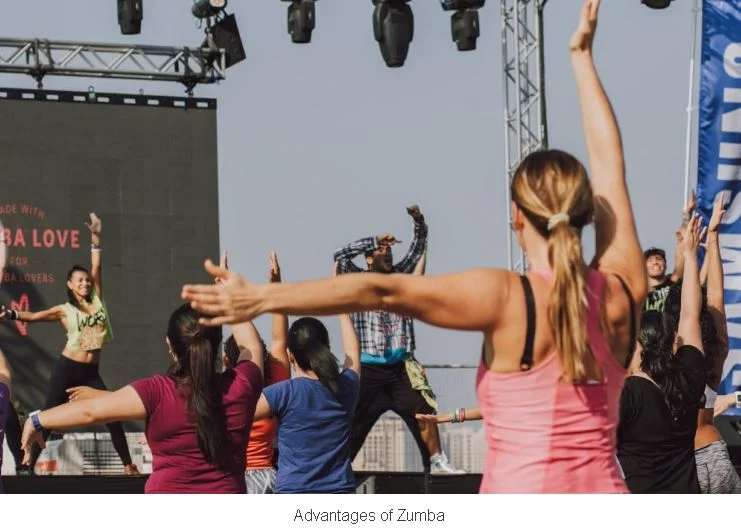
The Top Five Advantages of Zumba
Zumba Is Highly Accessible
Zumba is suitable for all fitness levels and all ages. No experience in dancing is required. Easy to get started and have fun with simple steps, clear music rhythm, and group guidance.
Zumba Improves Cardiovascular Fitness
With this, the continuous movement and dance routines help to elevate an individual’s heart rate. This helps improve circulation, boost heart strength, and enhance lung capacity, leading to better heart and overall fitness.
Zumba Can Boost Your Energy
Zumba is a music, movement, and group energy experience to increase levels of positivity and fatigue reduction. Regular sessions increase the body’s activity, alertness, and freshness throughout the day with better stamina.
Zumba Promotes Consistency
This is not a hard exercise; it is fun. Music and social interaction are enjoyed, and this promotes good attendance. This fun helps to develop a positive habit of exercise and an exercise routine.
Zumba Can Lead to Weight Loss
Zumba is a calorie-burning exercise that uses fast and full-body exercises. It is combined with healthy eating to aid fat burning and body shaping. To maintain a healthy weight over time, regular practice is required.
Disadvantages of Zumba Workout
There is potential for injury if people do not use correct form or overexert themselves with Zumba. This can be difficult for those who are less fit. Stresses are placed on joints during high-impact movements. Space and good shoes are required. Fast-paced music and group pace may be difficult for some to follow, causing discomfort during early sessions.
Zumba Target Zones
Core
This Zumba engages core muscles with the help of twisting, bending, and rhythm movements. These movements activate the abdominal muscles, enhance posture, assist stability and stability during exercise or activity, and help, for all intents and purposes, build the entire body balance.
Arms
The arm postures in Zumba are waves, lifts, and rhythm movements. These movements are done on the shoulders, biceps, and triceps to tone them up and develop coordination, strength, and stamina in the upper body without stopping the movement, which is a dance activity.
Legs
The legs are vigorously used in Zumba through steps, jumps, and squats. Constant movement builds lower body endurance, balance, agility, stamina, and strength in the thighs, calves, and hamstrings.
Glutes
Glutes activate during hip movements, squats, and dance moves. Zumba builds, tones, and strengthens glute muscles. It also boosts lower-body power, posture, and overall body stability while exercising.
Back
Posture control, twists, and arm coordination activities involve active back muscles. Zumba works to tone the back muscles, build strength in the upper and lower back, improve support of the spine, lessen stiffness, and improve the body’s alignment.
What to Wear for Zumba
Clothing should be light, loose, and comfortable. Use breathable fabric to cool down. Wear well-cushioned, well-gripping shoes. Don’t wear clothes that are too tight or heavy.
Zumba at Home vs Gym Classes
Home Zumba is private and allows you to work out at your own time. It is ideal for individuals who like working independently. Gym time is a bit of energy and support in a group. Group classes are a great motivator for many.
How Many Calories Does Zumba Burn?
The typical Zumba class will burn 300-600 calories. The number varies according to body weight, exertion, and length of class. The higher the intensity of participation, the more calories will be burned.
Is Zumba Good for Weight Loss?
Yes, Zumba will help you lose weight. Boosts metabolism and burns calories each day. Better results over time with regular sessions and healthy eating.
Safety Tips Before Starting
Warming up before every class is important. Keeping your body well-hydrated is necessary. Do not push yourself beyond your limits. Take a rest when you feel exhausted. Learn the basics first before entering advanced classes.
Who Should Avoid Zumba?
Individuals who have a severe case of heart disease, joint problems, or those with poor coordination should seek the approval of their physicians before attending such classes.
Best Time to Do Zumba
Taking part in morning classes helps in starting the day with more vigor. Taking evening classes helps in winding down after work hours. It all depends on one’s preferences.
Healthy Eating with Zumba
Have light meals before exercise. Make sure your food intake is balanced with enough protein, fruits, and vegetables. Do not eat heavy meals prior to your class. Adequate nutrition will give you more energy during your workouts.
Conclusion
Zumba is a fun fitness workout that combines dance and music. The exercise improves health while burning calories and developing stamina. People of all ages enjoy it easily. Zumba provides an exercise option that effectively helps with weight loss and heart health while improving mood through regular practice.