Learn what cupping therapy is, how it works, its benefits, types, risks, treatment process, aftercare, and evidence for pain, muscle tension, and recovery.
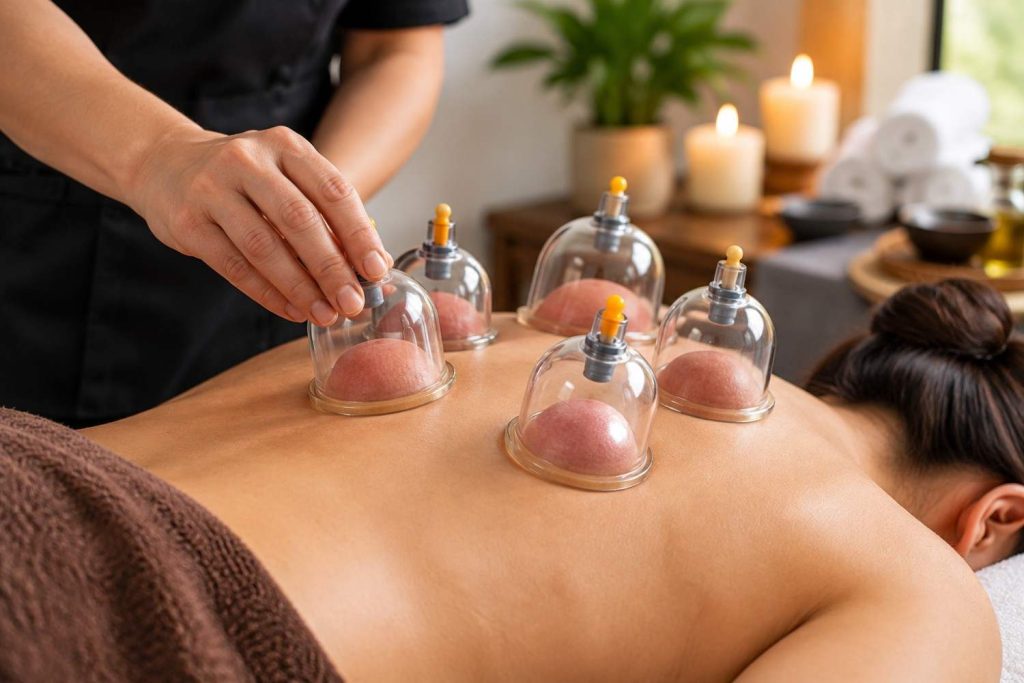
Cupping is a type of suction therapy wherein the practitioner applies suction cups to your skin, which are kept at a negative pressure. The negative pressure in the suction cups causes your skin and underlying tissues to move upwards, which causes increased blood flow in that area. Cupping therapy is used to relieve pain, relax muscles, relax, and promote general wellness.
If you meet an athlete having round marks on the back and shoulders that appear to be purplish in color, you are actually looking at cupping marks. In this article, you will be introduced to cupping therapy in detail, which will include an explanation of what cupping is, how cupping therapy works, types of cupping, the science behind cupping, and your expectations of undergoing a cupping therapy session.
What Is Cupping Therapy?
Cupping therapy is an ancient form of treatment that uses glass, silicone, bamboo, or plastic cups on certain body parts to create suction on the skin and muscles. Practitioners apply the cups to areas such as the back, shoulders, neck, and legs. They create suction with heat, a pump, or by squeezing the cup.
This creates suction around the area to increase local circulation, which in turn may help relax the muscles, relieve muscle pain, and support the body’s natural healing process. Cupping therapy falls under complementary therapy and alternative medicine, and people generally combine it with conventional medicine.
Cupping therapy traces its origins back to Chinese medicine, Egyptian medicine, and Islamic medicine, which is known as hijama therapy. Currently, there are cupping therapists such as acupuncturists, physiotherapists, massage therapists, and licensed hijama treatment therapists who offer their services worldwide.
Types of Cupping Therapy
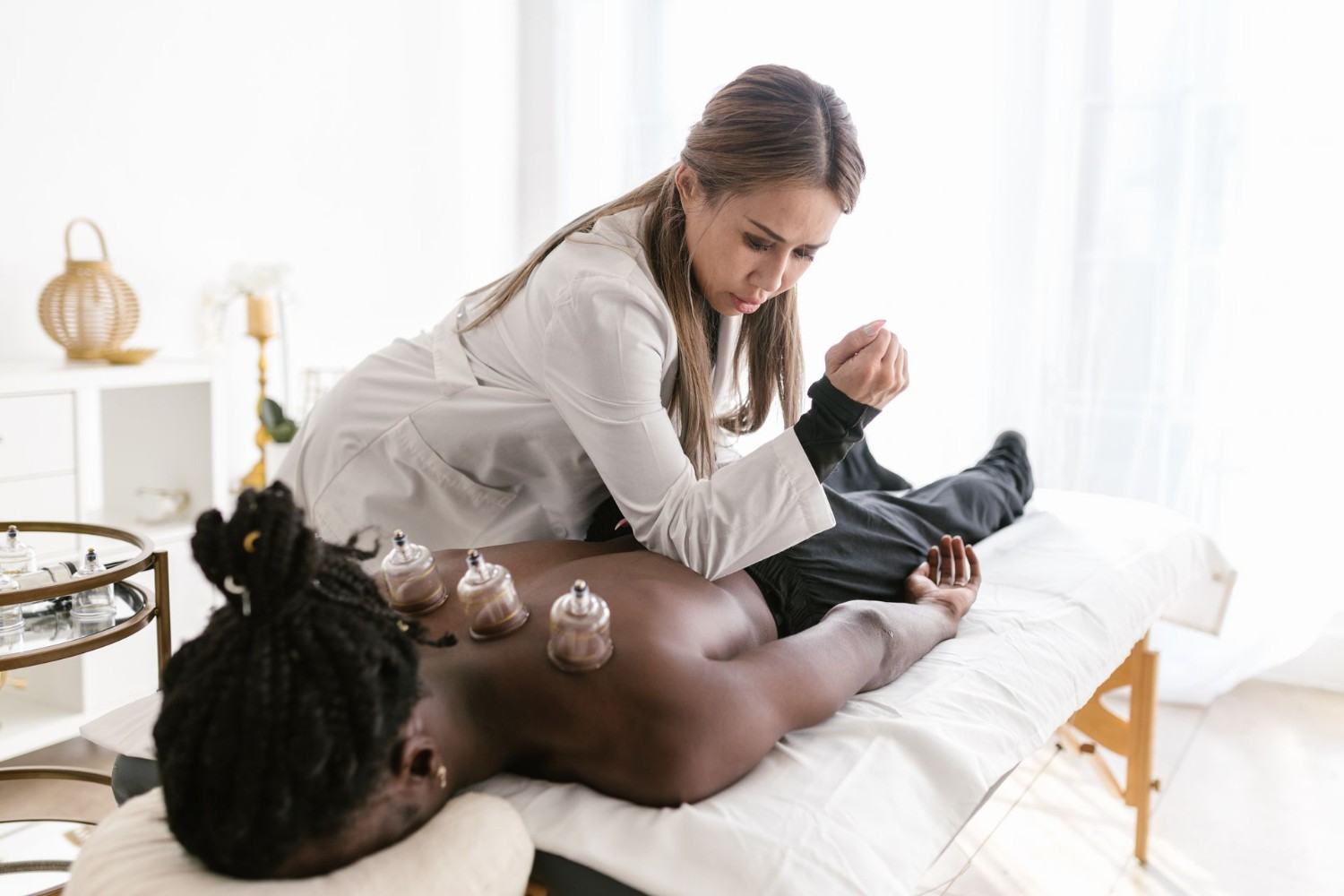
There are two types of cupping practices, namely dry cupping and wet cupping. While both these therapies involve suction, the latter is performed using small incisions into the skin.
Dry Cupping
In dry cupping, the cups are placed on the skin without making any incisions or punctures on the skin surface. This type of treatment will be useful in the relief of muscle tension, muscle pain, and stiffness.
Wet Cupping
Wet cupping refers to the application of suction and puncturing the skin. In the process, the therapy helps draw a little blood into the cups; therefore, requiring sterile instruments and hygiene.
Benefits of Cupping Therapy
Improved Circulation
The therapy creates negative pressure that causes increased blood flow in the affected area. Blood flow is increased, which improves the nourishment of the tissues and alleviates muscle tension and pain.
Decreased Muscle Tightness
The cupping therapy will aid in the relief of muscle tightness and increased mobility by lifting the skin and other tissues. It will reduce muscle tightness and stiffness and improve the patient’s comfort.
Pain and Stiffness Relief
Cupping therapy can be a means of obtaining relief from some pain and stiffness. It is often used for muscle pain, neck pain, shoulder pain, and pain in the muscles.
Better Mobility and Recovery
Mobility improvement occurs through muscle tightness relief in patients. Cupping therapy aids athletes in the post-exercise regimen, including exercise, physical activity, and physiotherapy, among others.
Relaxation and Nervous System Reset
The use of cupping therapy is able to offer a relaxing treatment approach through gentle suction and massage. Some people feel more relaxed after the therapy, even though no study shows the effects on the nervous system reset.
Cupping Therapy for Back Pain
Cupping therapy for back pain may bring about temporary relief of symptoms in some individuals. There is scientific evidence of benefits associated with cupping therapy; however, evidence is still insufficient.
How Does Cupping Therapy Work?
The mechanism of cupping therapy is based on generating a negative pressure in a cup applied to the skin surface. This will lift the skin and soft tissues up into the cup. The steps involved in the process are:
- Preparing the area for treatment.
- Choosing appropriate therapy cups.
- Applying the cups on the skin.
- Generating suction.
- Maintaining the cups in place or moving them.
- Removing the cups.
- Observing the skin condition.
- Giving aftercare to the skin.
The suction may lead to increased circulation temporarily near the treatment site. The process can cause stretching of the skin and the superficial tissue. Some individuals have reported that the process causes a decrease in muscle tension and provides relief from pain temporarily.
The actual biological mechanism is still not clear. Changes in local blood flow, neural sensation, connective tissue reactions, and pain perception have been suggested, but more research is needed on them.
Cupping cannot be considered a scientifically proven way of getting rid of toxins from the body. Body detoxing is usually overstated in terms of its medical evidence. The body has natural ways to get rid of toxins, namely the work of the liver and kidneys.
What Happens During a Cupping Session?
The process of cupping therapy is very systematic.
1. Patient Consultation
Prior to treatment, there is a patient consultation by the practitioner to assess your health status, symptoms, and treatment objectives. This will allow any contraindications, such as certain skin diseases, blood disorders, and pregnancy, which can be detrimental to the treatment procedure, to be identified.
2. Skin Preparation
The therapist cleans the treatment area and applies some oil to ensure that the cup slides or seals correctly. Skin preparation ensures that there is no chance of irritation.
3. Cup Placement and Suction
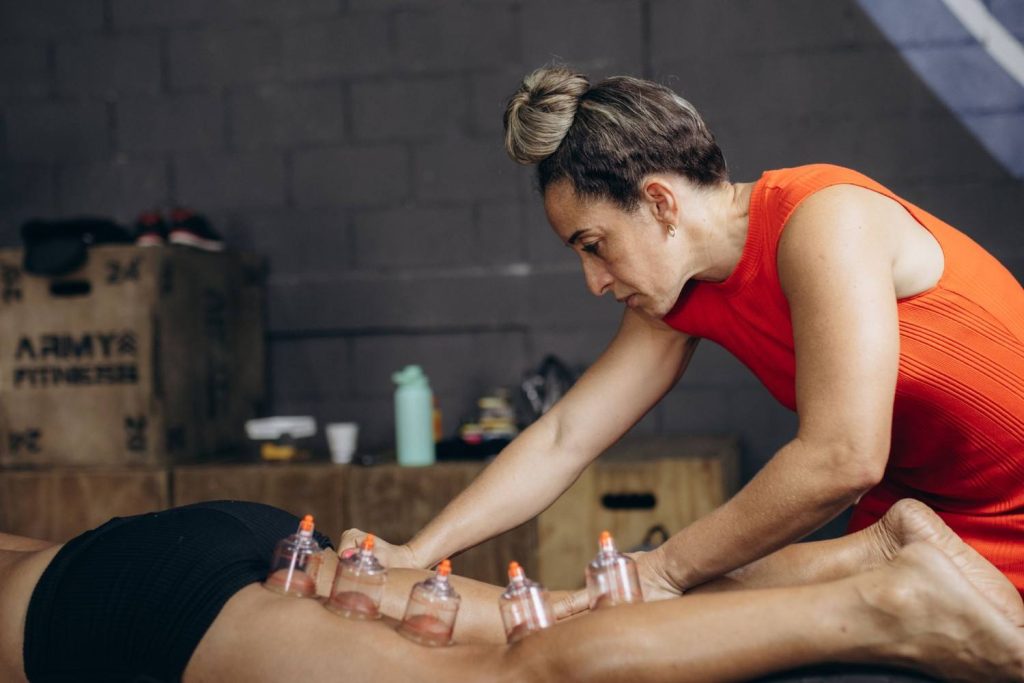
The practitioner determines where to place the cups according to your specific symptoms, such as treating back pain with cups on the lower back or shoulder pain with cups over the shoulders.
The number of cups and the suction intensity may differ depending on the purpose of the procedure and your tolerance of the procedure. Cups are usually left on the body for 5 to 15 minutes.
4. Removing the Cups
Once the prescribed period elapses, the practitioner removes the suction, and the cups come off. The skin beneath will have circular marks or even discolored skin, a common effect of the increase in blood flow to the surface.
5. Aftercare
Good aftercare will promote healing and prevent adverse reactions. Here are the general guidelines that practitioners give to patients:
- Remaining hydrated (drinking water post-treatment cleanses the tissue)
- Allowing rest to the affected area (post-cupping rest prevents strain on tired muscles)
- Avoiding sunlight from hitting the area of cupping marks
- Not having hot baths or engaging in vigorous exercises
- Cleaning the skin and being vigilant about signs of abnormal reddening or pain
Who Should Avoid Cupping Therapy
Some individuals should not use or postpone cupping, which include:
- Pregnant women (should not apply cupping on the belly and lower back)
- People with bleeding disorders and on blood thinners
- Individuals with skin infections, sunburns, or open wounds in the area to be treated
- People with a pacemaker or other implanted devices in the treatment area
- Severely anemic patients
Always share your medical background information with an expert before attending your first session to determine any contraindications.
How Long Do Cupping Marks Last?
The appearance of the mark will depend on your skin sensitivity and the amount of suction used. For instance, the lighter marks that appear after undergoing gentle dry cupping treatment will usually disappear in a few days, whereas darker marks will take two weeks to fade.
How Often Can You Get Cupping Therapy?
The frequency of treatment will be based on your objectives. If you want general relaxation or relief from minor muscle tension, treatments are usually done once every two or four weeks. However, when you need treatment for active pain or recovery after physical activity, some practitioners may suggest weekly treatments for a short while. Treatment frequency should depend on your specific needs.
Cupping Therapy Cost
The price of cupping therapy depends on the location, the practitioner’s experience, and whether the practitioner offers cupping therapy alone or combines it with another technique, such as acupuncture or therapeutic massage.
An independent cupping therapy session can be priced between $40 and $100, whereas a session in combination with other therapies can be costlier. If you are looking for cupping therapy near me, then look for the introductory prices for the same.
Risks Associated With Cupping Therapy
Side effects of cupping therapy include temporary skin changes. However, the risks differ based on the type of cupping, suction level, treatment method utilized, and hygiene habits of the therapist. Awareness of the risks involved in the therapy will help you make an informed decision about the procedure.
Potential Health Risks
| Potential Risk | Possible Effect |
| Skin irritation | Strong suction may cause redness, tenderness, or temporary irritation around the treatment area. |
| Bruising and discoloration | Suction can cause circular marks, bruising, or temporary changes in skin color. |
| Burns | Fire cupping can cause burns when excessive heat reaches the skin, or the practitioner uses poor technique. |
| Infection | Wet cupping can increase infection risk when practitioners use contaminated equipment or poor hygiene practices. |
| Scarring | Strong suction, skin injury, or improper wet cupping techniques can sometimes cause lasting scars. |
| Bleeding | Wet cupping involves small skin punctures and may cause bleeding, especially in people with bleeding problems. |
| Skin conditions may worsen. | Cupping may irritate existing eczema, psoriasis, wounds, or other sensitive skin conditions. |
| Dizziness or weakness | Some people may feel lightheaded or weak during or after treatment, particularly after wet cupping. |
How to Reduce Cupping Risks
Use a qualified therapist who practices hygiene and infection prevention techniques. Proper preparation of the skin, application of clean instruments, and disposal of blades when needed are some of the requirements involved in the practice of wet cupping therapy.
Before undertaking the therapy, ensure that you have told the practitioner about your medical history, medications, allergies, skin problems, and problems with blood clotting.
See a physician if any of the following symptoms arise: severe pain, redness, swelling, pus formation, fever, bleeding, signs of infection, or burns following cupping therapy.
FAQs
Does cupping therapy help with pain?
Most people experience pain reduction after undertaking cupping therapy, particularly for chronic or acute pain in the back, neck, and shoulders. Scientific proof is emerging regarding this method of therapy, but the suction created on the skin increases blood circulation in the tight and painful muscles.
Does cupping help back pain?
Certainly, back pain cupping is one of the most requested therapies. Cupping provides treatment for lower back pain as well as upper back pain due to the relaxation of tight muscles along the spine.
Does cupping help muscle soreness?
Cupping is widely applied in cases of muscle pain that occurs after exercise or physical activity. Increased blood flow can promote faster recovery after exercise.
Is cupping therapy safe?
Yes, it is indeed considered to be safe to practice cupping therapy under the supervision of a skilled therapist and with sterilized equipment. All side effects that are incurred through this type of treatment are usually minor and include things like slight irritation.
What are the side effects of cupping therapy?
The most frequent side effects of cupping are the bruises from the cups, skin irritation, and pain. Serious complications such as infection and burns are extremely rare.
What is the difference between wet and dry cupping?
Dry cupping is applied through suction without breaking the skin. Wet cupping involves small incisions in the skin followed by suction and drawing of some blood.
Conclusion
Cupping therapy is a method that uses suction to provide temporary relief from muscle tension, muscle soreness, stiffness, and pain. While dry and wet cupping methods employ different approaches, they all require proper safety procedures. There are studies that prove certain benefits of this treatment method, but there is not enough evidence for many conditions. Select a professional therapist, discuss your medical history, and observe proper aftercare.