
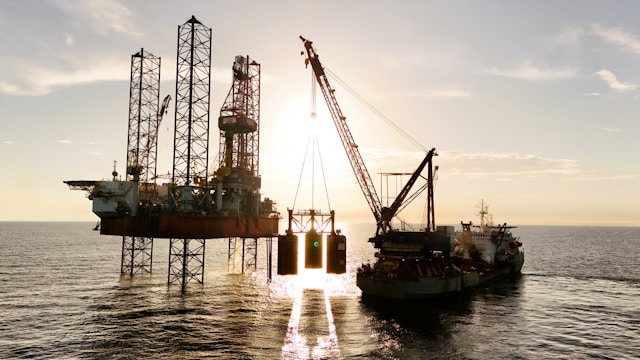
What is deep offshore technology, and how does it work to extract energy from deep oceans safely while supporting global energy needs and innovation?
Introduction to Deep Offshore Technology
Deep offshore technology involves all systems and equipment, together with engineering methods that enable oil and gas exploration through deep ocean water drilling and production, and transportation operations. The operations occur in water depths that start from 500 meters and reach maximum depths of 3,000 meters.
Energy companies turn to deep offshore resources because they need new sources of energy to replace diminishing onshore oil reserves. Deep offshore technology has become a crucial field in contemporary energy engineering.
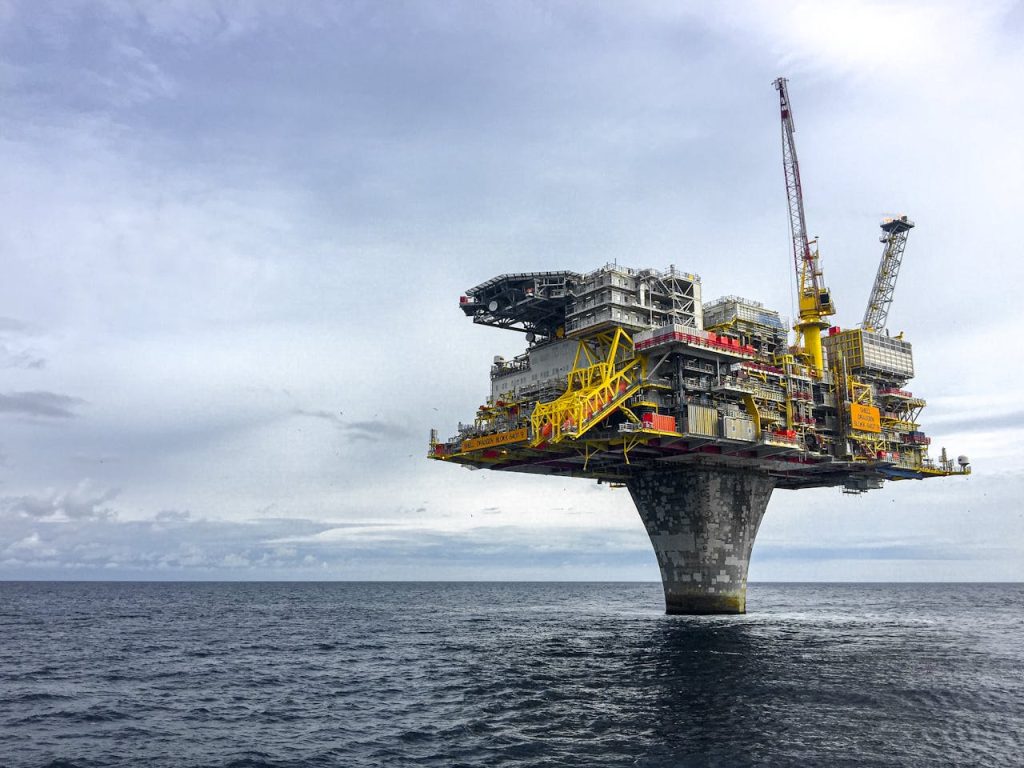
What Is Deep Offshore Technology?
The field of deep offshore technology includes all equipment and methods that practitioners use to extract hydrocarbons from extreme underwater locations with maximum safety and efficiency. The system integrates multiple fields, which include ocean engineering, robotics, materials science, and petroleum engineering.
Key elements include:
- Deepwater drilling rigs
- Subsea production systems
- Riser systems and pipelines
- Remotely operated vehicles (ROVs)
- Floating production storage and offloading units (FPSOs)
The systems need to function in conditions that combine extreme pressure with low temperatures and corrosive saltwater environments.
Evolution of Offshore and Subsea Engineering
Offshore and subsea engineering has experienced extensive development throughout its history. Companies initially restricted their operations to shallow waters because they found deep ocean projects too challenging and hazardous.
Engineers developed advanced solutions to meet rising energy demands, which required them to develop intelligent systems. The industry used fixed offshore platforms, which operators built on the seabed between 1950 and 1980. The structures had strong foundations, but underwater construction faced depth restrictions.
The 1990s saw the introduction of advanced technology, which companies used to operate floating platforms and subsea wells. Drilling operations expanded to include deeper ocean areas while operators gained access to new oil and gas resources.
Offshore engineering entered its latest stage of development between 2020 and 2025.
Companies now use underwater robotics, artificial intelligence, and smart systems that they developed for ultra-deep water exploration.
The new technologies improve operational safety while they enhance speed and operational efficiency. The historical development of offshore technology demonstrates how quickly the industry has progressed, while innovations create fresh opportunities for deep-sea engineering research.
How Deep Offshore Drilling Works?
1. Exploration
Geologists conduct their research for seabed structure identification, underground rock formation detection, and oil and gas reservoir discovery through their advanced seismic surveys and imaging technology.
2. Drilling
The special offshore drilling rigs use their powerful drill bits and equipment to reach deep ocean water and rock layers until they access underground reservoirs, while their safety and pressure control systems remain operational.
3. Well Completion
The installation of steel casing and cement inside the well after drilling procedures establishes structural strength while preventing leakage and enabling safe flow of oil and gas from the reservoir.
4. Production
The process of oil and gas extraction begins with reservoir development and ends with their shipment through underwater pipelines or riser systems to floating production platforms or onshore facilities, which handle processing, storage, and distribution activities.
Applications of Deep Offshore Technology
The Oil and Gas Industry
Deep offshore technology enables the complete process of oil and gas extraction, which starts with exploration and drilling and ends with production from deep seabeds.
Renewable Energy Projects
The technology serves as an essential component for both offshore wind farms and tidal energy systems. The system enables the installation, maintenance, and operational activities of renewable energy structures located in deep ocean areas.
Marine Research
Deep offshore technology is useful for researchers who want to explore and learn about marine ecosystems, geology, and climate trends. The technology allows for collecting data, exploring beneath the surface of water, and observing deep-sea biological diversity.
Why Is Deep Offshore Technology Important?
1. Meeting Energy Demands
The energy consumption worldwide keeps increasing. With deep offshore technology, it is easier to explore large deposits of oil and gas located beneath the oceans. Such deposits are able to provide energy to various industries and transportation, as well as for power generation, where the supply from onshore resources runs out.
2. Economic Growth
Offshore developments help attract investments, create jobs, and construct necessary infrastructure. They provide a good source of income and employment opportunities for engineers, technicians, and other professionals, as well as small businesses.
3. Accessing Rare Resources
Large deposits of various minerals and other natural resources are often located beneath the surface of the deep sea and cannot be exploited using onshore technologies. Only offshore technology allows exploration and exploitation of the resources found in deep offshore areas.
4. Advancing Renewable Energy
Deep offshore technology also supports clean energy projects such as offshore wind farms. It enables installation and maintenance in deep waters, helping countries shift toward sustainable energy sources.
Benefits of Deep Offshore Technology
1. Resource Abundance
Deep offshore regions hold vast quantities of untapped petroleum and natural gas reserves, which guarantee future energy supply and reduce pressure on terrestrial energy resources.
2. Technological Innovation
Exploration of the oceanic depths stimulates advancements in robotics, automation, and the creation of materials, which positively impact various industrial sectors outside of energy.
3. Economic Opportunities
Offshore activities create employment and economic opportunities. They promote collaboration between businesses and foster supply chains, thereby boosting the economy.
4. Energy Security
Nations can minimize their reliance on foreign energy supplies by exploiting their offshore energy resources. This promotes stability in the energy sector while safeguarding against international market fluctuations.
Why Deep Offshore Technology Matters
Deep offshore technology enables access to ocean floor resources, which creates energy solutions that satisfy rising global energy requirements. The system generates economic progress through its capacity to create new employment opportunities and attract financial backing.
The system decreases import dependency, thereby enhancing energy security. The system creates engineering design breakthroughs while enabling renewable energy initiatives to be developed in offshore environments.
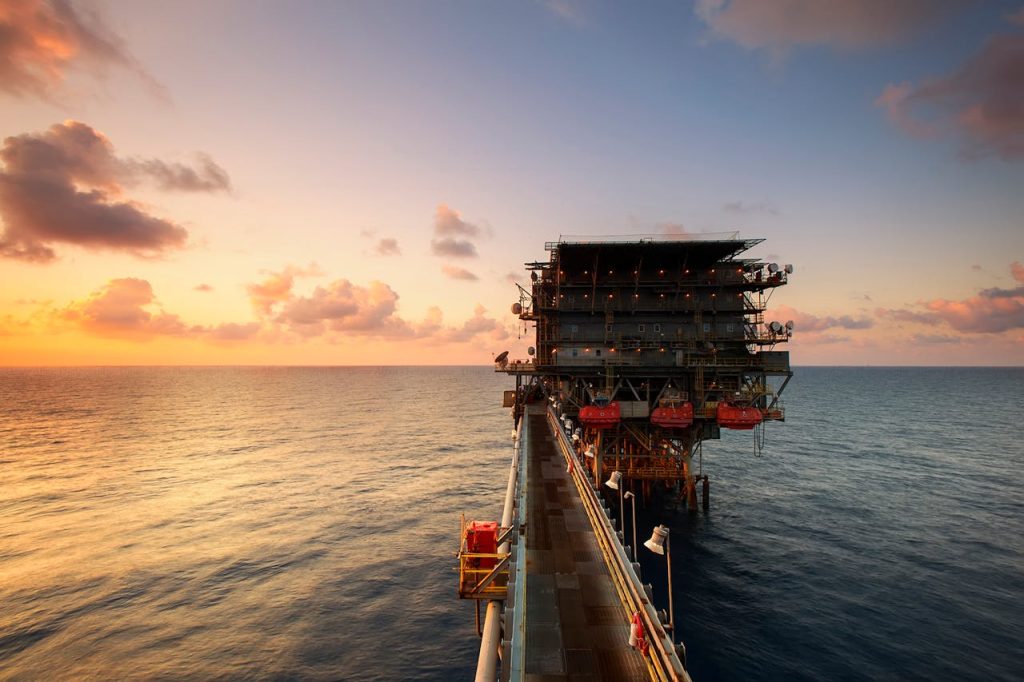
Innovations Driving Deep Offshore Technology
AI and Machine Learning
The fields of AI and machine learning provide better decision-making tools for complex deep offshore work, which leads to improved data analysis, equipment failure predictions, and drilling operation efficiency and safety advancements.
Advanced Materials
Advanced materials provide better durability because they resist pressure, corrosion, and extreme temperature conditions. The materials enhance equipment performance and longevity when used in deep-sea environments.
Automation and Robotics
The use of robotics and automation in underwater operations minimizes risks for human workers who must perform complicated tasks. Robots and ROVs conduct inspection and maintenance tasks while they execute repairs with precise accuracy during deep offshore operations.
Digital Twins
Digital twins establish virtual models that simulate offshore systems. The system enables performance monitoring, condition simulation, and issue forecasting, with planning and efficiency, and maintenance improvements for deep offshore infrastructure.
Major Companies in Deep Offshore Technology
Several global companies lead innovation in this field:
- Schlumberger
- Halliburton
- Shell
- BP
These businesses make substantial investments in offshore drilling technology, underwater robots, and smart oil fields.
Risks and Challenges of Deep Offshore Technology
There are some risks associated with deep offshore technology that need to be considered. One of them is a negative impact on the environment caused by oil leaks or spills that may endanger aquatic life and diversity. Deep-sea operations also involve high costs and complicated operational procedures that require special training and coordination of efforts and technological resources.
The high cost is another factor that restricts expansion since the amount required for purchasing equipment, maintaining it, and keeping everything safe is huge. All these issues necessitate planning, proper legislation, and constant innovation to conduct operations safely and sustainably.
Future of Deep Offshore Technology
Deep offshore technology will have three major areas of advancement in the future. First, companies will employ automation and artificial intelligence to enhance operational efficiency and ensure safety.
There will be an increase in the usage of cleaner sources of energy, including offshore wind power generation and carbon capture. Innovation will help reconcile energy extraction and environmental preservation in deep offshore waters.
Conclusion
Deep offshore technology has been seen as indispensable to meet the demands for energy around the world by extracting materials that are found below the deep ocean floor. This type of technology integrates engineering skills, robotics, and innovations to enhance effectiveness and safety. Despite its disadvantages, such as expense and environmental risks, deep offshore technology keeps advancing.


Pingback: Automotive Technology Guide: Types, Benefits, Careers - Mtech content
Pingback: What Is CelcomDigi? Complete Guide - Mtech content