
Learn five pelvic floor exercises for women and men to boost core strength, bladder control, sexual health, posture, hip stability, and overall mobility.
Introduction
Pelvic floor exercises are now popular among both women and men as more people become aware of their importance in overall health, mobility, and quality of life. These exercises strengthen the pelvic floor muscles and support the muscles of other parts of the body, including the hips, lower back, and core.
What Are Pelvic Floor Exercises?
Kegel exercises or pelvic floor exercises are a series of exercises aimed at strengthening and tightening the muscles of the pelvic floor. They are the repeated contraction and relaxation of these muscles to gain more control and support.
Although Kegel exercises are the most familiar, other forms of exercise indirectly involve the pelvic floor, such as some hip and core exercises. Pelvic floor exercises can be done by both men and women, and at almost any age. They are particularly prescribed when pregnant, postpartum, postoperative, or when urinary incontinence occurs.
The Benefits of Pelvic Floor Exercises
Enhances Sexual Health
Makes the muscles of the pelvic floor stronger, resulting in higher sexual pleasure, better sensation, and also less discomfort or pain during sexual intercourse, making the sexual experience healthier and more enjoyable.
Supports Childbirth Recovery
Pelvic floor exercises enhance muscle tone, making labour and birth less cumbersome, reducing tearing, and decreasing the risk of urinary or faecal incontinence following a birth.
Improves Urination and Bowel Control
Exercising regularly helps control bladder and bowel function, making urination and bowel movements easier, decreasing the frequency of leaks, and enhancing overall pelvic organ performance.
Prevents Pelvic Organ Prolapse
Strong abdominal muscles also support the uterus, bladder, and intestines, reduce the risk of prolapse, and keep the pelvic organs in the right position over the long run.
Treats Urinary Incontinence
Exercises for the pelvic floor are the best way to manage and treat urinary incontinence by improving control of the bladder muscles and reducing urinary accidents.
5 pelvic floor exercises for women
1. Kegels
Kegels work out the pelvic floor muscles by contracting and relaxing them. Stop, squeeze to prevent urine flow, then release for 5 to 10 seconds. Repeat 10-15 times each day to improve bladder control.
2. Squats
Squats engage the pelvic floor, glutes, and core. Keep the feet shoulder-width apart, keep the hips in a sitting position, ensure the pelvic floor is intact, and then slowly stand up. Strength: Repeat 10-15 times.
3. Bridge
The bridge exercise helps to strengthen the pelvic floor, glutes, and lower back. Lying on your back with knees bent upwards, raise your hips, engage your pelvic floor, hold, and lower gradually. Repeat for optimal results.
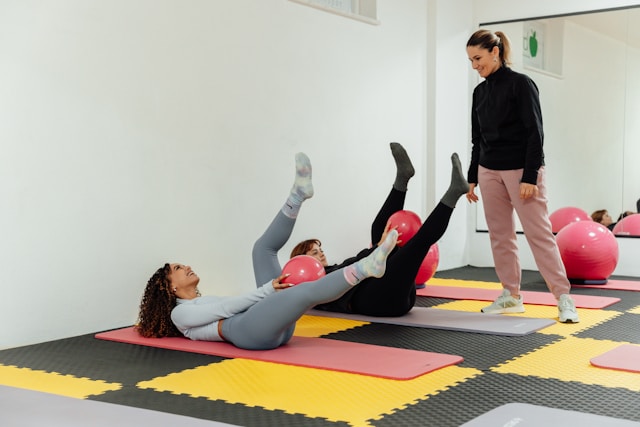
4. Split Tabletop
Split tabletop enhances the stability of the pelvis and core coordination. Lying on your back, bring your legs to the level of a table, then one leg at a time to the level of the table. Use the pelvic floor; slow it down again—alternate sides.
5. Bird Dog
Bird Dog strengthens the core and engages the pelvic floor. Beginning on hands and knees, move opposite arm and leg, keep pelvic floor tensed, hold briefly, and then repeat the other side.
4 Easy Steps to Exercise Your Pelvic Floor Muscles
STEP 1: HOW TO EXERCISE YOUR PELVIC FLOOR MUSCLES
To work the pelvic floor muscles, squeeze and pull them inwards, hold them tight for a few seconds, then release them slowly. The secret of efficient strengthening is concentration, not speed.
STEP 2: FINDING YOUR PELVIC FLOOR MUSCLES
Find your pelvic floor muscles by using either the start and stop of urination or the tightening of muscles that prevent gas from escaping. The most important thing before exercising is awareness to ensure proper engagement and no strain or improper form.
STEP 3: PELVIC FLOOR MUSCLES ROUTINE
Do a systematic exercise: contract the muscles for 5-10 seconds, relax for 5-10 seconds, and repeat it 10-15 times. Add quick contractions and holds to enhance endurance, strength, and general pelvic stability.
STEP 4: HOW OFTEN TO EXERCISE YOUR PELVIC FLOOR MUSCLES
Do pelvic floor exercises every day or three times a day. Strength and support gained through consistency are important, and it is important to focus on duration and intensity to achieve the best outcomes and long-term improvement.
What are Hip Exercises?
Hip exercises aim to strengthen, stretch, and stabilise the muscles surrounding the hips, such as the glutes, hip flexors, and adductors. They enhance movement, support posture, reduce pain, improve athletic performance, and help prevent injuries during everyday activities and exercises.
Benefits of Hip Exercises
Hip exercises enhance mobility, prevent stiffness, and increase flexibility. They help maintain good posture, alleviate lower back pain, improve sports performance, and improve balance. Moreover, robust, stable hips support pelvic alignment and complement pelvic floor exercises, thereby enhancing overall body stability and functional movement.
Examples of Hip Exercises
Hip Bridges:
Get on your back, bend your knees, lift your hips with the glutes and pelvic muscles, and reinforce your hips, lower back, and core stability.
Clamshells:
Lying on your side, bend your knees and open your legs like a clamshell to strengthen the outer hips and glutes, so the pelvis sits better.
Leg Lifts:
Lying on your side, raise the top leg slowly, using the hip abductors to enhance mobility, strength, and overall hip stability.
Lunges:
Lunge forward and backward, and use hip flexors, glutes, and thighs to enhance strength, balance, and lower body mobility.
Who Can Benefit From Pelvic Floor Exercises?
Pelvic floor exercises apply to a great variety of individuals:
1. Women During Pregnancy
The advantages of pelvic floor exercises in pregnant women include strengthening muscles during labour, improved bladder control, relief of pregnancy-related discomforts, faster postpartum recovery, and preparation of the body for birth.
2. Postpartum Women
Pelvic floor exercises assist in restoring muscle tone, preventing urinary incontinence, improving pelvic stability and posture, and reducing the likelihood of long-term pelvic floor problems in overall recovery following childbirth.
3. Men with Prostate Issues
Pelvic floor exercises help men regain control over their urine, decrease urine leakage, build pelvic muscles, and maintain overall core stability and health of the bladder, as well as men who have undergone prostate surgery or are having problems with their prostate.
4. Anyone with Back Pain
Individuals with back pain can also strengthen their pelvic floor muscles to increase core stability, reduce spinal load, promote upright posture, enhance stability, improve balance, and relieve pain caused by weak or displaced muscles.
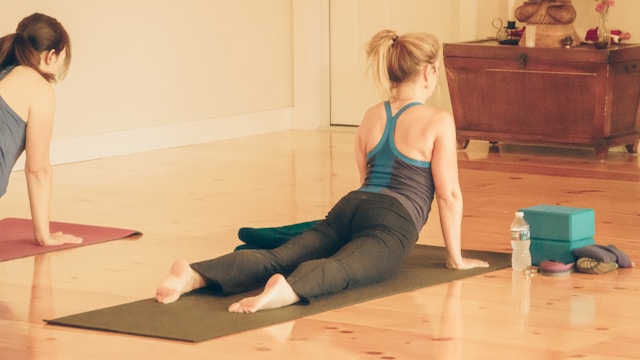
How to Do Pelvic Floor Exercises Correctly
Step-by-Step Guide for Beginners
- Sit or lie down comfortably
- Contract the muscles for 3- 5 seconds.
- Relax for the same duration.
- Repeat 10–15 times
These exercises should be done daily.
Conclusion
Pelvic floor exercises strengthen core and pelvic muscles, enhancing bladder control, sexual health, postpartum recovery, and overall stability. Posture, lower back support, and mobility are also improved through hip exercises, benefiting both men and women regardless of age.