
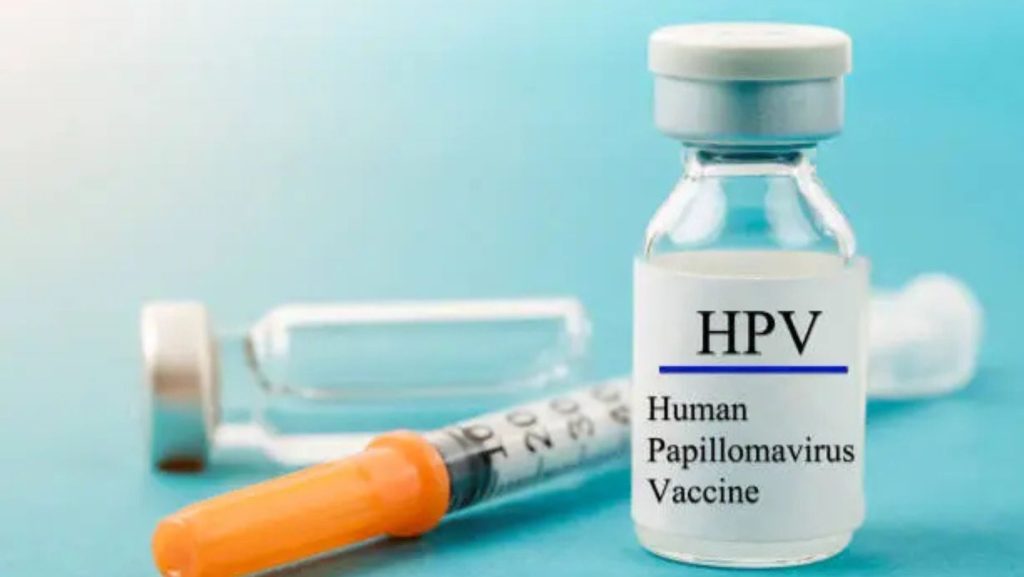
Learn about HPV vaccine side effects, benefits, and types. Protect against HPV-related cancers and warts safely, with only mild, short-term reactions for most recipients.
Introduction
Human Papillomavirus (HPV) is a widely spread sexually transmitted infection in the world. HPV is linked to some strains that cause cervical cancer, genital warts, and other cancers, and hence prevention is essential. The vaccine against HPV is aimed at defending against these types of harm-producing HPV types, lowering the risk of infection and HPV-induced cancer.
Vaccination is best used in people before they become sexually active, usually at 1112 years old, but it may be used up to 45 years in some situations.

What is the HPV Vaccine?
The HPV vaccine is a preventive vaccine that protects against some types of HPV that have the highest chances of leading to cancer or genital warts. It is typically administered in a course of 2 or 3 vaccines based on the age of commencement of vaccination.
Types of HPV Vaccines
1. Bivalent Vaccine
The bivalent HPV vaccine covers two high-risk types, 16 and 18, that cause most cervical and other HPV-associated cancers.
2. Quadrivalent Vaccine
The quadrivalent HPV vaccine targets four HPV types: 6, 11, 16, and 18, which cause genital warts and high-risk cancer types.
3. Nonavalent Vaccine
The nonavalent HPV vaccination is greater in the sense that it covers nine HPV types and includes a greater coverage of multiple cancer-causing types and protection than bivalent or quadrivalent vaccines.
5 Benefits of the HPV Vaccine
1. Reduces Risk of HPV-Related Cancers and Genital Warts
The HPV vaccine is also very effective in reducing the chances of developing HPV caused cancers and in preventing genital warts. Surveys indicate that there are more than 80 percent fewer infections and cases that occur.
2. Prevents Cervical Cancer in People AFAB (Assigned Female at Birth)
The prevalence of cervical cancer has been lowered with the widespread vaccination, especially among people AFAB. The cases of cervical cancer have continued to decrease since 2006 as a result of the HPV immunization program.
3. Protects Against Anal and Penile Cancers in People AMAB (Assigned Male at Birth)
People AMAB can develop anal and penile cancers, which are prevented by HPV vaccines. The low rates were similar to the late approval by the FDA in 2011, which led to throat cancers caused by HPV in this population.
4. Provides Early Protection Before Sexual Activity
Vaccination before having sex is the surest way of protection against HPV infections. Vaccination is the most effective way of protection against sexually transmitted viral infections.
5. Protects You and Your Sexual Partners
HPV vaccination protects your health as well as helps to lessen the risk of transmission to your sexual partners—infection prevention. Becoming vaccinated prevents infecting others and reduces their exposure to cancers caused by HPV.
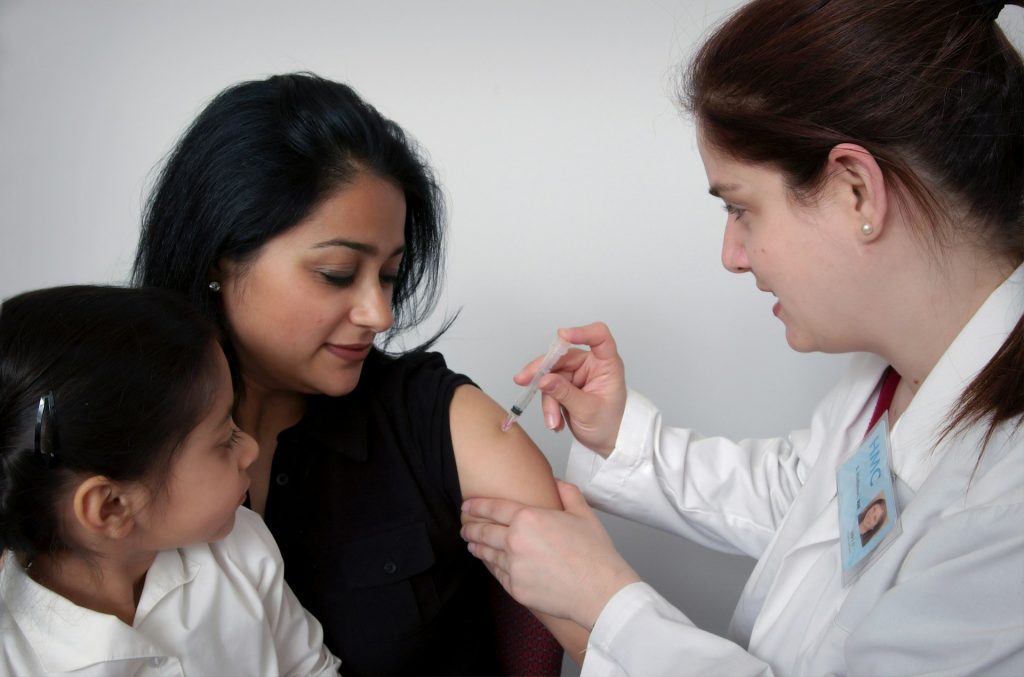
Who should get the HPV vaccine?
Children between the ages of 11 & 12
It is also advised that preteens of 11 to 12 years should be vaccinated against HPV to achieve maximum protection against HPV cell degeneration and cancers before they become sexually active, when their immunity is at its peak.
Adults up to and including age 26
Even young adults in their 26th year without prior HPV vaccination can gain much, and they will reduce their chances of developing HPV infection, genital warts, and any number of cancers caused by HPV.
Some adults up to and including age 45
Adults between 27 and 45 years can think about having the HPV vaccine with the advice of a healthcare professional, especially when they are exposed to the danger of new infections of HPV, which will protect them against the cancer related to HPV.
Who shouldn’t get the HPV vaccine?
Are pregnant
Pregnant women ought not to have the HPV vaccination because its safety in pregnancy is not completely proven. Mothers are normally not vaccinated until after delivery in order to protect both the mother and baby.
Had a reaction to a previous dose
Persons with a severe allergic reaction or a significant adverse reaction to a prior dose of HPV vaccine should not be given any further doses, as this may result in additional adverse reactions.
Have moderate to severe illness
Individuals who have moderate or severe illness should postpone HPV vaccination until they are cured because illness can impact the immune response and predispose people to vaccine complications.
What are the side effects of getting the HPV vaccine?
Side effects of getting the HPV vaccine
1. Soreness, swelling, or redness at the injection site
Having the HPV vaccine, a large number of individuals might develop mild soreness, swelling, or redness at the point of injection, and this condition improves in a couple of days without medical treatment.
2. Headache or feeling tired
A few people can experience tiredness or a slight headache following the HPV vaccine. Still, these symptoms will normally resolve in a short period and can be treated by taking rest or using pain relief medication, which is available over the counter.
3. Muscle or joint pain
Infrequently, recipients can develop transient muscle or joint pains after HPV vaccination, which are mild in nature and can be overcome in a few days without medical intervention.
4. Dizziness
The effect of the HPV vaccine can be lightheadedness or a sense of being dizzy, and this is mostly temporary and can be avoided through sitting down or lying down for a few minutes.
5. Fever
HPV vaccination can cause a low-grade fever, which is a part of the immune response and can be treated in the short term; it is usually not very long and can be treated using fluids and rest.
6. Nausea
HPV vaccine may cause mild nausea or an upset stomach, which is often cured quickly and rarely needs any medical intervention, and is usually associated with anxiety or the body’s response to the vaccine.
7. Severe allergic reactions (rare)
The risks of severe allergic reaction to the HPV vaccine are very low; the healthcare administrators are prepared to address such outcomes instantly, which makes the vaccine safe in almost all cases.
HPV vaccine side effects at a glance
Injection site reactions
Following the HPV vaccine, there is a possibility of pain, redness, or swelling at the site of injection. These reactions are not normally severe and fade in a few days.
Headache
One of the side effects of HPV vaccination is a mild headache. It can usually attack on its own and come out without medication in a day or two.
Nausea
Others might experience nausea following the administration of the HPV vaccination. This symptom tends to be self-limiting and does not need medication, and it tends to be relieved by light food and drinking of fluids.
Dizziness
Dizziness or lightheadedness may be experienced soon after the vaccination. It is advisable to sit or lie until the sensation is over. These are symptoms that are normally temporary.
Fatigue
Mild fatigue or tiredness can be used as a follow-up to the HPV vaccine. The symptom normally goes away in 24 hours with the aid of rest and hydration.
Diarrhea
The mild side effects may include temporary diarrhea in some people. It tends to heal itself, and it does not signify a severe issue.
Fever
The effect of vaccination can also be a low-grade fever, indicating the effectiveness of the immune system. It normally clears in a day and can be treated using fluids and rest.
4 Reasons Boys and Young Men Need the HPV Vaccine, Too
1. Men get cancers caused by HPV in large numbers, too
HPV doesn’t only affect women. Men have the possibility of developing serious cancers, such as penile, anal, and throat cancer, due to HPV, which is why it is equally important to make them be vaccinated to protect their long-term health.
2. There is no test for HPV cancers in males
In contrast to cervical cancer, which could be screened at an early age using Pap smears, males lack regular screening for HPV-related tumors. Thus, the vaccine is the ultimate preventive measure against these fatal ailments.
3. The odds of getting HPV-related cancer increase with age
HPV infections are cumulative, and the chances of getting the related cancers, like throat or anal cancer, increase with age. As a result of early vaccination of boys, the body can protect against HPV throughout their lives.
4. The vaccine is just as safe for boys as it is for girls
Clinical trials have proved that the HPV vaccine is very safe and effective in boys and young men, and these have elicited the same immune response and few side effects as had been seen in girls.
Conclusion
The HPV vaccine is safe and effective in the prevention of several cancer-causing HPV types. Vaccination will protect people and their partners, lower the chances of cancer caused by HPV, and guarantee long-term health, which is the reason it is an important instrument in the prevention of HPV in the population.