Discover the best foods for brain health, including fatty fish, berries, nuts, and leafy greens, to support memory, focus, and cognitive health daily.
Foods for brain health are nutrient-rich foods that support memory, focus, and brain function. They include fatty fish, leafy greens, berries, nuts, eggs, olive oil, whole grains, and legumes. These foods supply omega-3 fats, antioxidants, B vitamins, and choline, which help your brain build cell membranes, send signals, and fight inflammation. Eating them regularly, as part of a balanced pattern like the MIND diet, protects your brain as you age.
What Are the Best Foods for Brain Health?
The best foods for brain health are nutrient-dense options that provide healthy fats, antioxidants, vitamins, minerals, and fiber. Fatty fish, berries, walnuts, eggs, leafy greens, whole grains, and beans are excellent choices for a balanced diet that supports normal brain function. Here are 12 foods to consider adding to your meals:
1. Fatty Fish
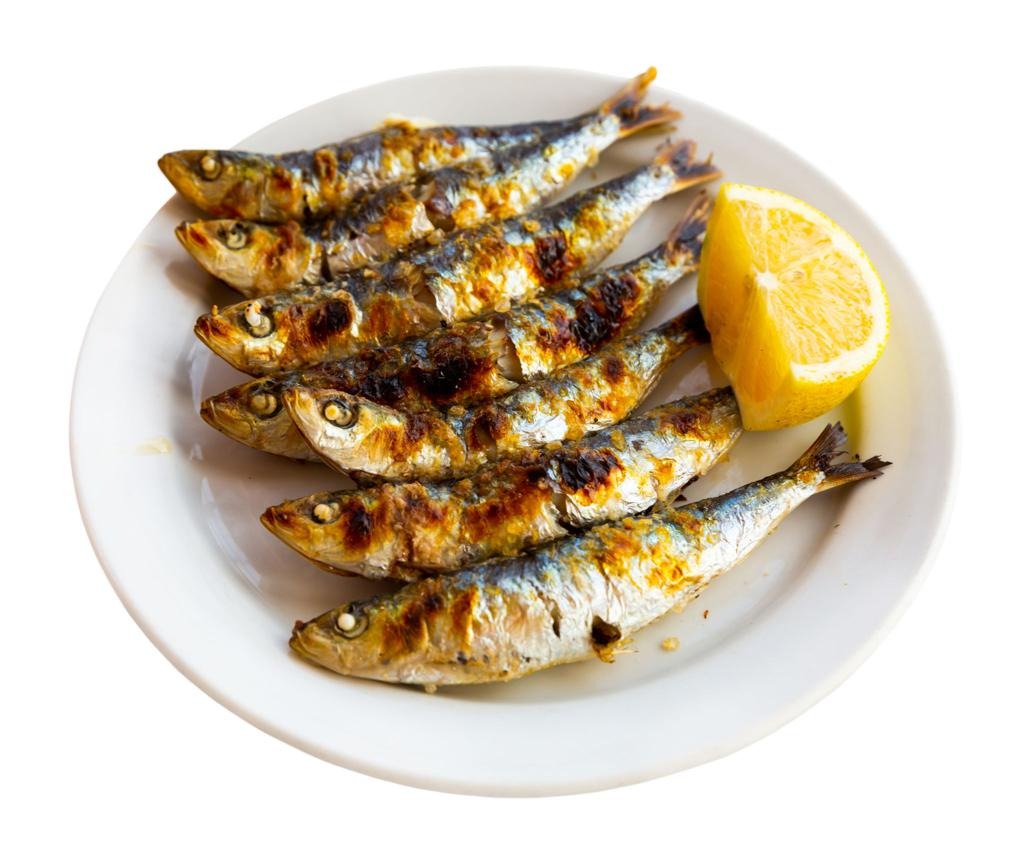
Fatty fish ranks among the best foods for brain health because it provides omega-3 fatty acids, particularly DHA and EPA. DHA plays an important structural role in brain cell membranes, while EPA supports several processes involved in normal body function.
Salmon, sardines, trout, and suitable varieties of mackerel are useful sources of these fats. Regularly including fish in a balanced diet can help you obtain nutrients associated with healthy brain function.
Key nutrients: Omega-3 fatty acids, vitamin B12, vitamin D, and protein.
How to eat it:
- Bake or grill salmon for lunch or dinner.
- Add sardines to whole-grain toast.
- Serve grilled fish with vegetables and brown rice.
- Choose fish varieties that are low in mercury.
If you do not eat fish, walnuts, chia seeds, and flaxseeds provide plant-based omega-3 ALA. Your body converts ALA into EPA and DHA only in limited amounts, so these sources are not nutritionally identical to fatty fish.
2. Blueberries and Other Berries
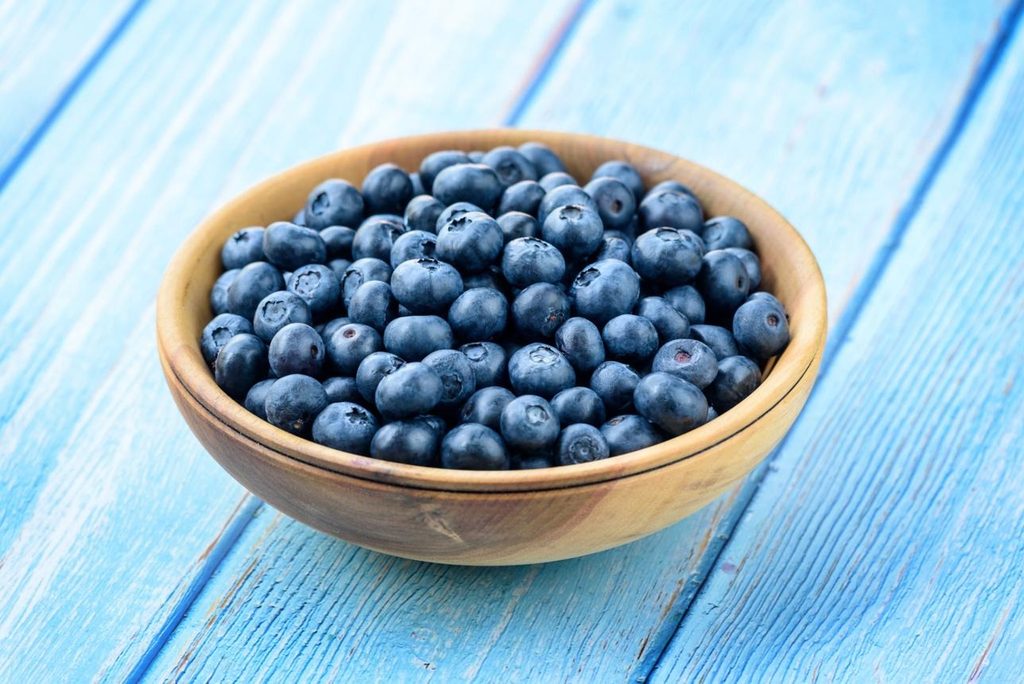
Blueberries, strawberries, raspberries, and blackberries provide antioxidants and plant compounds called flavonoids. Researchers study these compounds for their potential role in supporting memory and protecting cells against oxidative stress.
Berries fit easily into a brain-healthy eating pattern because they also provide fiber and several vitamins. Some studies associate berry consumption with better cognitive outcomes, although researchers have not established that eating berries alone prevents dementia or guarantees improved memory.
Key nutrients: Anthocyanins, flavonoids, vitamin C, and fiber.
How to eat them:
- Add blueberries to oatmeal.
- Mix strawberries into plain yogurt.
- Blend berries into a smoothie without adding much sugar.
- Keep frozen berries available when fresh fruit costs more.
You do not need expensive berry supplements to enjoy these benefits. Whole or frozen berries can be practical options for everyday meals.
3. Walnuts
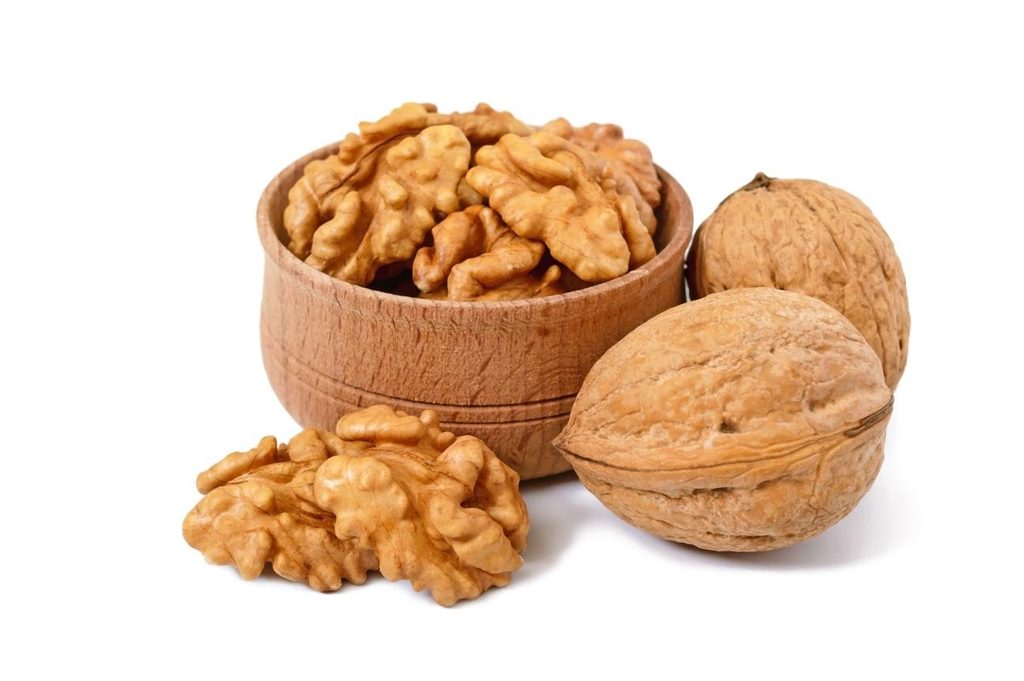
Walnuts provide healthy unsaturated fats, including alpha-linolenic acid (ALA), a plant-based omega-3 fatty acid. They also contain protein, fiber, and several minerals.
Their nutrient profile makes walnuts a convenient snack for people who want to support overall cardiovascular and brain health. Healthy blood vessels matter because the brain depends on a steady supply of oxygen and nutrients.
However, walnuts do not act as a quick memory booster, and evidence does not establish that a specific daily walnut serving prevents cognitive decline.
Key nutrients: ALA omega-3, vitamin E, polyphenols, and magnesium.
How to eat them:
- Add a small handful to breakfast oats.
- Sprinkle chopped walnuts over salads.
- Combine walnuts with fruit for a snack.
- Use crushed walnuts in homemade whole-grain dishes.
Choose plain or unsalted walnuts more often than heavily salted or sugar-coated varieties.
4. Leafy Green Vegetables
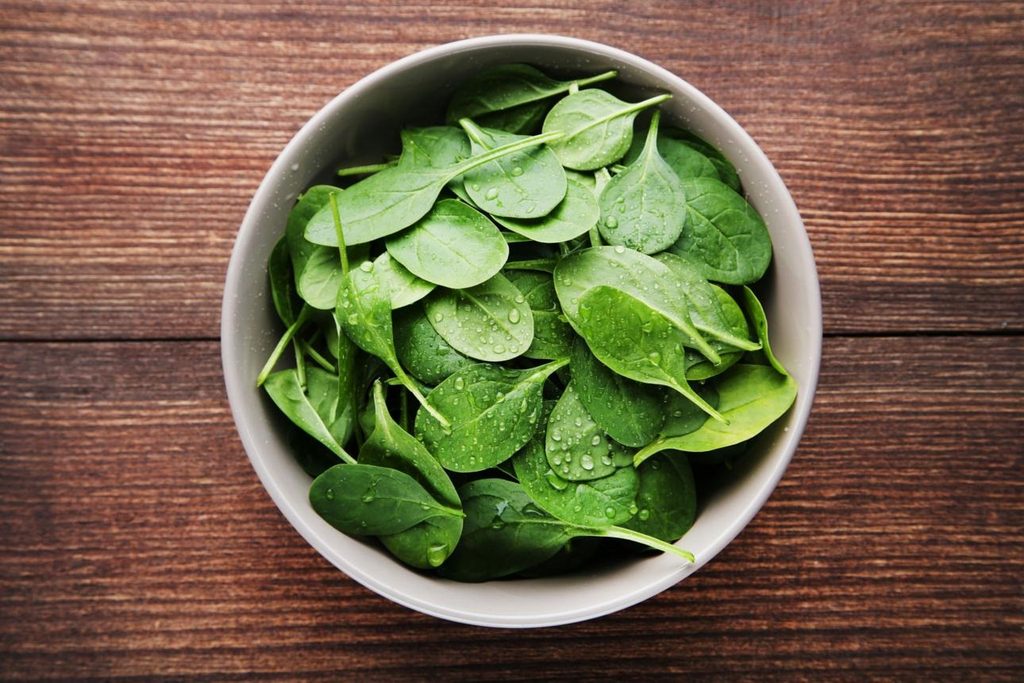
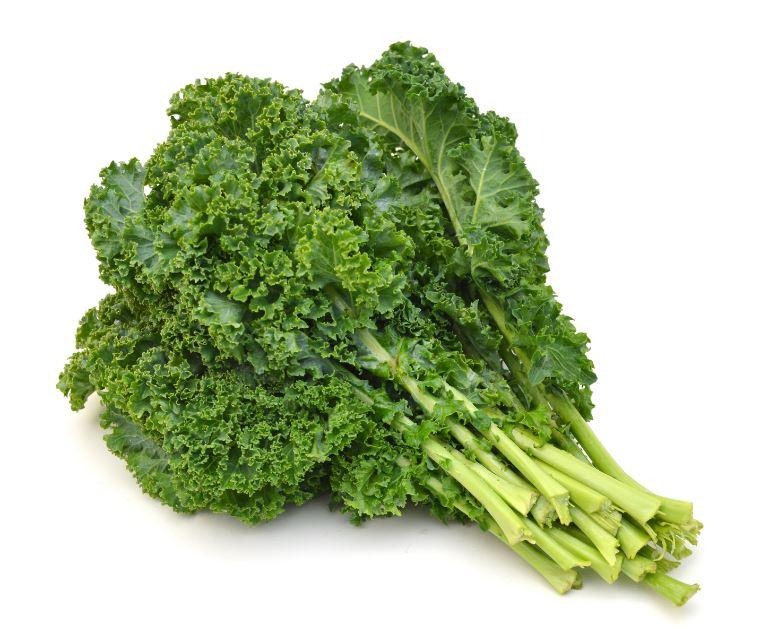
Spinach, kale, broccoli, and other leafy green vegetables provide nutrients that support normal brain and body function. These vegetables contain folate, vitamin K, carotenoids, and other beneficial plant compounds.
Research on dietary patterns such as the MIND diet has linked greater consumption of leafy greens with better cognitive outcomes in some populations. These findings support eating vegetables regularly, but they do not prove that any single vegetable prevents Alzheimer’s disease.
Key nutrients: Folate, vitamin K, lutein, beta-carotene, and fiber.
How to eat them:
- Add spinach to omelets or lentil dishes.
- Serve broccoli with fish or chicken.
- Mix leafy greens into salads.
- Add chopped vegetables to soups and stews.
Fresh, frozen, and appropriately prepared cooked vegetables can all contribute to a nutritious diet. Choose the form that suits your budget and routine.
5. Eggs

Eggs provide choline, a nutrient the body uses to produce acetylcholine, a chemical messenger involved in memory, learning, and muscle control. Eggs also contain vitamin B12, protein, and other nutrients.
Getting enough choline supports normal physiological function, but eating extra eggs does not automatically improve concentration or intelligence. Include eggs as one component of a varied diet rather than relying on them as a single solution for brain health.
Key nutrients: Choline, vitamin B12, protein, and selenium.
How to eat them:
- Prepare boiled eggs for breakfast.
- Make a vegetable omelet.
- Serve eggs with whole-grain toast.
- Combine eggs with spinach, tomatoes, or mushrooms.
If you have high cholesterol, diabetes, or specific dietary restrictions, consider your overall eating pattern and follow individualized advice from your healthcare professional.
6. Pumpkin Seeds, Chia Seeds, and Flaxseeds
Seeds offer a practical way to add healthy fats, minerals, fiber, and plant compounds to your meals. Pumpkin seeds provide magnesium and zinc, while chia and flaxseeds supply ALA omega-3 fatty acids.
These nutrients contribute to normal bodily functions, including those needed for healthy nerve signaling. However, research has not established that one seed or a particular serving size independently improves memory.
Key nutrients: ALA omega-3, magnesium, zinc, fiber, and protein.
How to eat them:
- Stir chia seeds into oatmeal or yogurt.
- Sprinkle pumpkin seeds over salads.
- Add ground flaxseed to porridge.
- Mix small amounts of seeds into homemade bread.
Choose unsalted seeds when possible, and drink enough fluids when increasing your fiber intake.
7. Whole Grains
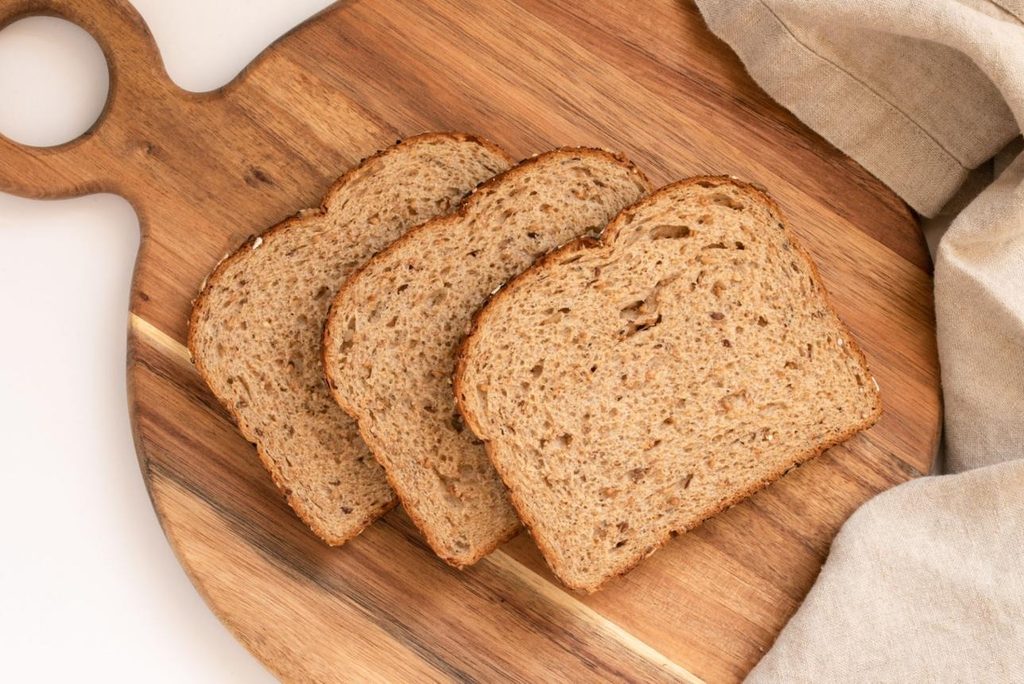
Your brain needs a steady supply of energy, and carbohydrates help provide it. Whole grains such as oats, brown rice, whole-wheat bread, and barley supply carbohydrates alongside fiber, B vitamins, and minerals.
Whole grains can also support healthy blood sugar management when they replace refined grains as part of a balanced diet. This matters because metabolic and cardiovascular health contribute to long-term brain health.
Key nutrients: Complex carbohydrates, fiber, thiamin, and other B vitamins.
How to eat them:
- Start the day with oatmeal.
- Replace some white rice with brown rice.
- Choose whole-wheat bread more often.
- Add barley or other whole grains to soups.
You do not need to eliminate carbohydrates to support brain function. Focus on food quality, portion sizes, and balanced meals.
8. Beans, Lentils, and Chickpeas
Beans, lentils, and chickpeas are affordable sources of plant protein, fiber, folate, iron, and other nutrients. They also make it easier to build balanced meals without relying heavily on processed meats.
Their fiber supports digestive health, while their nutrients contribute to normal blood cell production and general physiological function. Eating legumes regularly also fits well with Mediterranean-style and MIND-style dietary patterns associated with cognitive health.
Key nutrients: Folate, iron, plant protein, magnesium, and fiber.
How to eat them:
- Prepare lentil soup or dal.
- Add chickpeas to salads.
- Serve beans with brown rice.
- Make hummus for a snack or sandwich filling.
Dried beans and lentils are economical choices. Canned varieties also work well; rinse them if you want to reduce added sodium.
9. Avocados and Olive Oil
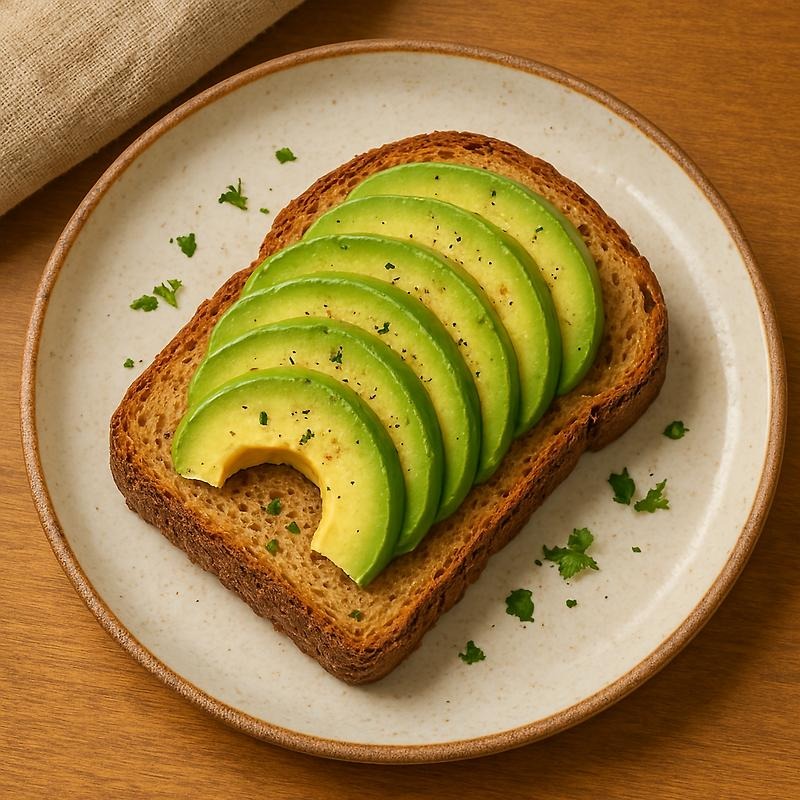

Avocados and olive oil provide predominantly unsaturated fats. These fats can support cardiovascular health when they replace significant amounts of saturated fat in the diet.
Olive oil is a common feature of Mediterranean-style eating, which emphasizes vegetables, fruit, whole grains, legumes, nuts, and fish. Researchers continue to investigate how this overall dietary pattern relates to cognitive health. Avocados also provide fiber and potassium, while extra-virgin olive oil contains polyphenols.
Key nutrients: Monounsaturated fats, fiber, potassium, and plant compounds.
How to eat them:
- Spread avocado on whole-grain toast.
- Add sliced avocado to salads.
- Use olive oil in vegetable dishes.
- Make a simple dressing with olive oil and lemon juice.
Both foods contain calories, so choose portions that fit your energy needs. Olive oil and avocado are useful additions, not treatments for memory problems.
10. Plain Yogurt and Other Dairy Foods
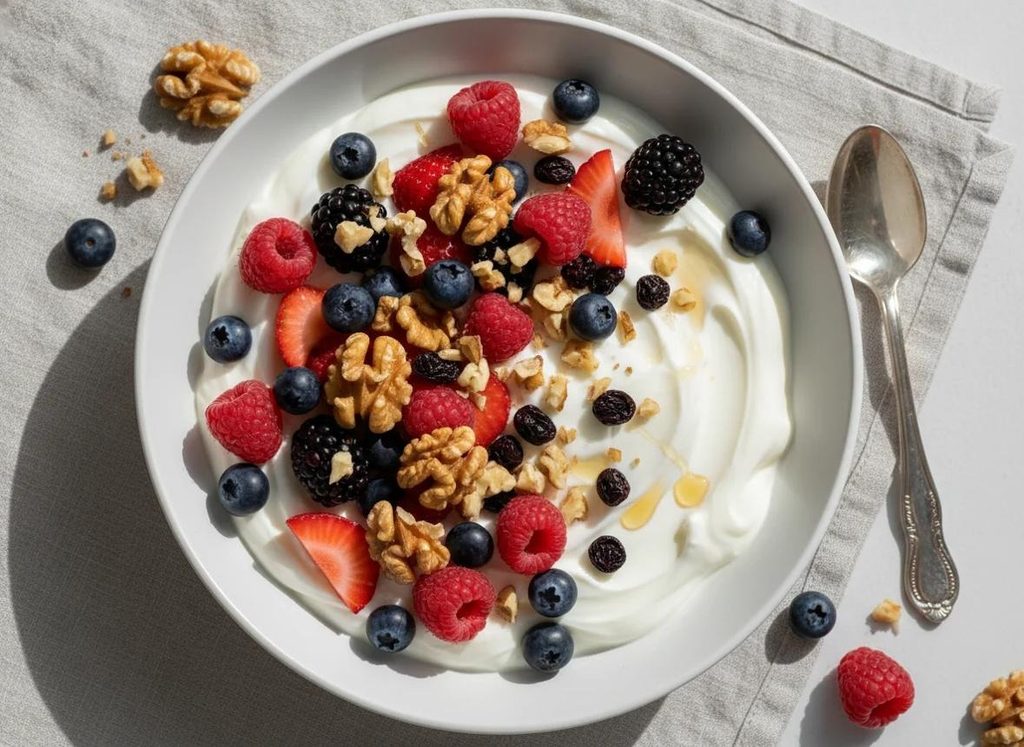
Plain yogurt supplies protein, vitamin B12, and calcium. Some varieties also contain live cultures that support gut health. The gut and brain communicate through several biological pathways, but scientists are still investigating how particular probiotic foods affect human cognition. Yogurt is best viewed as a convenient source of nutrients rather than a proven memory-enhancing food.
Key nutrients: Protein, vitamin B12, calcium, and, in some varieties, live cultures.
How to eat it:
- Choose plain yogurt with fresh berries.
- Add nuts or seeds for extra fiber and healthy fats.
- Use plain yogurt in savory sauces.
- Select fortified alternatives if you avoid dairy, checking their protein and vitamin B12 content.
Limit heavily sweetened varieties if you want to reduce added sugar.
11. Oranges and Other Vitamin C-Rich Fruits

Oranges, guavas, kiwis, and other vitamin C-rich fruits contribute antioxidants and essential nutrients to a balanced diet. Vitamin C helps protect cells from oxidative damage and supports normal collagen formation and immune function.
These fruits also provide water, and whole fruits supply fiber that juice often lacks. Although vitamin C is important for health, eating large amounts beyond your body’s needs does not guarantee sharper memory.
Key nutrients: Vitamin C, folate, fiber, and various plant compounds.
How to eat them:
- Eat a whole orange as a snack.
- Add sliced kiwi to breakfast.
- Include guava when it is in season.
- Pair fruit with nuts or plain yogurt.
Whole fruit is generally a better everyday choice than sugary fruit drinks.
12. Dark Chocolate and Unsweetened Cocoa

Dark chocolate and cocoa contain flavanols, plant compounds that researchers have studied for their potential effects on blood vessel function. Some studies suggest cocoa flavanols may influence aspects of blood flow, but evidence does not show that eating chocolate reliably improves long-term memory or prevents dementia.
Chocolate can also contain added sugar, saturated fat, and caffeine. Treat it as an optional food rather than a central part of your brain-health plan.
Key nutrients and compounds: Cocoa flavanols and small amounts of minerals, depending on the product.
How to enjoy it:
- Choose a small portion of dark chocolate.
- Add unsweetened cocoa to oatmeal.
- Mix cocoa into plain yogurt.
- Check labels for added sugar and serving size.
Cocoa products vary considerably in flavanol content, so a darker label alone does not guarantee a specific health benefit.
Which Nutrients Do the Most Work for Your Brain?
| Nutrient | What it does | Top food sources |
| Omega-3 fats (DHA, EPA) | Build brain cell membranes, reduce inflammation | Salmon, sardines, mackerel, walnuts, flaxseed |
| Choline | Supports memory and nerve signaling | Eggs, fish, chicken, soybeans |
| B vitamins (B6, B12, folate) | Support energy use and nerve health | Leafy greens, eggs, dairy, lentils |
| Flavonoids | Protect cells from oxidative stress | Berries, tea, cocoa, citrus |
| Vitamin E | Protects cell membranes from damage | Nuts, seeds, olive oil |
| Magnesium and zinc | Support nerve signaling and learning | Seeds, whole grains, legumes |
| Iron | Carries oxygen to the brain | Lentils, spinach, red meat, fortified cereals |
What Is the MIND Diet, and Does It Work?
The MIND diet (Mediterranean-DASH Intervention for Neurodegenerative Delay) combines the Mediterranean and DASH eating patterns. Researchers designed it to protect the brain as people age.
Eat more of these:
- Leafy greens (6 or more servings per week)
- Other vegetables (1 or more daily)
- Berries (2 or more servings per week)
- Nuts (5 or more servings per week)
- Beans (4 or more meals per week)
- Whole grains (3 or more servings daily)
- Fish (1 or more meals per week)
- Poultry (2 or more meals per week)
- Olive oil as your main cooking fat
Eat less of these: Red meat, butter and stick margarine, cheese, pastries and sweets, and fried or fast food. Observational research found that strict followers had a significantly lower risk of Alzheimer’s disease.
A later randomized trial published in 2023 found that the MIND diet did not outperform a milder calorie-reduced diet over three years, although both groups improved. The honest conclusion: healthy eating helps, and the exact diet matters less than sticking with it.
What Foods Help Improve Memory and Concentration?
Foods that support overall brain health may also contribute to normal memory and concentration. However, no individual food reliably produces an immediate or guaranteed improvement in cognitive performance. Consider these practical choices:
| Goal | Foods to consider | Why they help |
| Support normal memory function | Eggs, fatty fish, berries | Provide choline, omega-3s, and plant compounds |
| Support sustained energy | Oats, brown rice, whole grains | Provide carbohydrates and fiber |
| Support overall brain health | Spinach, broccoli, beans | Supply folate, vitamins, minerals, and fiber |
| Choose a nutritious snack | Walnuts, pumpkin seeds, fruit | Provide healthy fats, minerals, and other nutrients |
| Support cardiovascular health | Olive oil, nuts, fish | Provide unsaturated fats |
Sleep, hydration, physical activity, and regular meals also matter. If you frequently struggle with concentration, consider whether inadequate sleep, stress, medication effects, or an underlying health problem may contribute.
A Simple One-Day Meal Plan for Brain Health
You can incorporate brain-supporting foods without following a complicated diet or buying expensive ingredients.
Breakfast
Oatmeal with berries, walnuts, and plain yogurt. Whole grains, protein, healthy fats, and antioxidants.
Lunch
Lentil and chickpea salad with leafy greens, tomatoes, and olive oil dressing. Fiber, folate, plant protein, and unsaturated fats.
Dinner
Baked salmon with brown rice and steamed broccoli. Omega-3 fats, protein, whole grains, and vegetables.
Snack
Fresh fruit with a small portion of unsalted pumpkin seeds.Fiber, minerals, and healthy fats.
Adapt these meals to your preferences, appetite, budget, and nutritional requirements. For example, you can replace salmon with sardines, another suitable fish, or a plant-based protein. Lentils, beans, seasonal fruit, and locally available vegetables can also make a brain-healthy diet more affordable.
Foods for Brain Health by Goal
What are the best foods for memory?
Blueberries, fatty fish, walnuts, eggs, and leafy greens have the strongest links to memory. Omega-3 fats, choline, and flavonoids drive most of these effects.
What are the best foods for focus and concentration?
Oats, eggs, nuts, green tea, and berries help you stay alert. Whole grains and protein keep your blood sugar steady, which prevents energy crashes.
What are the best foods for brain health in older adults?
Older adults benefit most from the MIND or Mediterranean diet pattern: fish, leafy greens, beans, nuts, olive oil, and berries. Check vitamin B12 levels with your doctor, because absorption drops with age.
What are the best foods for children’s brain development?
Children need iron, iodine, omega-3 fats, choline, and zinc. Eggs, fish, yogurt, lentils, and fortified cereals cover these needs. Talk to a pediatrician about fish choices and portions for young children.
Habits That Support What You Eat
Food works best alongside other habits. Regular exercise increases blood flow to the brain. Seven to nine hours of sleep helps your brain consolidate memories. Staying socially active, managing stress, and controlling blood pressure and blood sugar also protect long-term brain health.
Conclusion
Knowing what the best foods for brain health are helps you make smarter daily dietary choices. Fatty fish, berries, walnuts, eggs, leafy greens, whole grains, and legumes provide essential nutrients that support normal brain function, memory, and concentration. Combine these foods with regular exercise, quality sleep, hydration, and stress management. Consistent healthy habits matter more than any single superfood, helping you support long-term cognitive health through a balanced, sustainable lifestyle.