
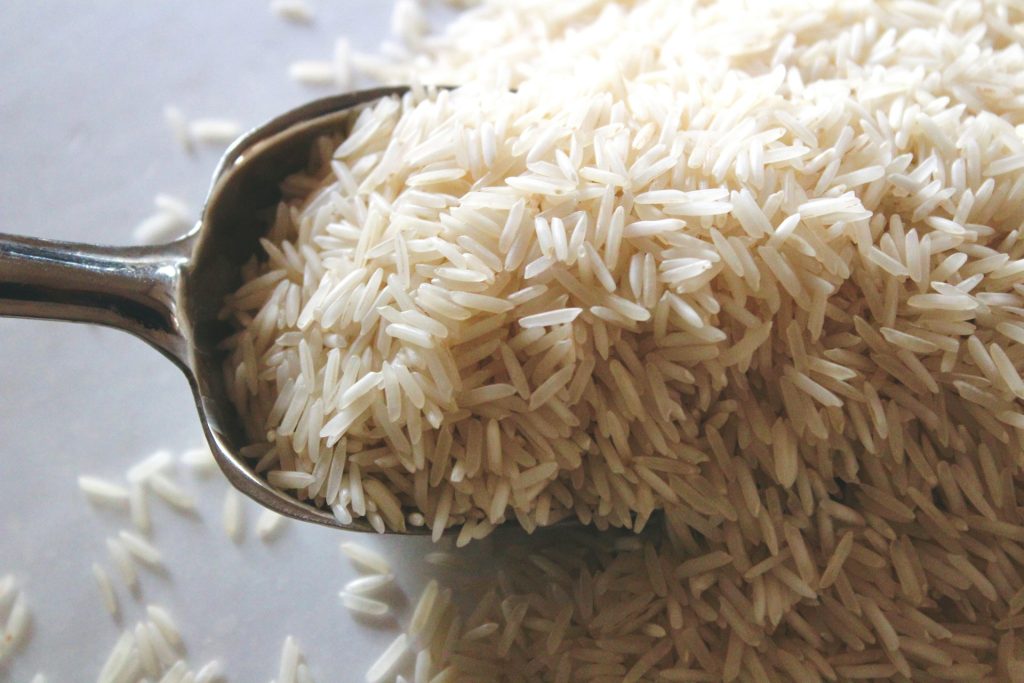
Discover the healthiest rice types—brown, black, red, and wild rice—and learn how they support digestion, heart health, blood sugar, and overall nutrition.
Rice is a common cereal grain that is extensively eaten in all parts of the world and, more importantly, in Asia. It is served in different varieties such as white, brown, black, red, and wild rice. Rice is high in carbohydrates, which help to supply the body with energy. In contrast, whole-grain rice types can help supply the body with fiber, vitamins, minerals, and antioxidants that aid in the digestive system, heart condition, and general health.
What Is the Healthiest Rice?
Whole-grain rice, such as brown, black, red, and wild rice, is the healthiest kind of rice. These leave the bran and germ, giving greater fiber, protein, vitamins, minerals, and antioxidants. They assist in the regulation of blood sugar, maintain a healthy heart, and assist in digestion and satiety, as opposed to refined white rice.
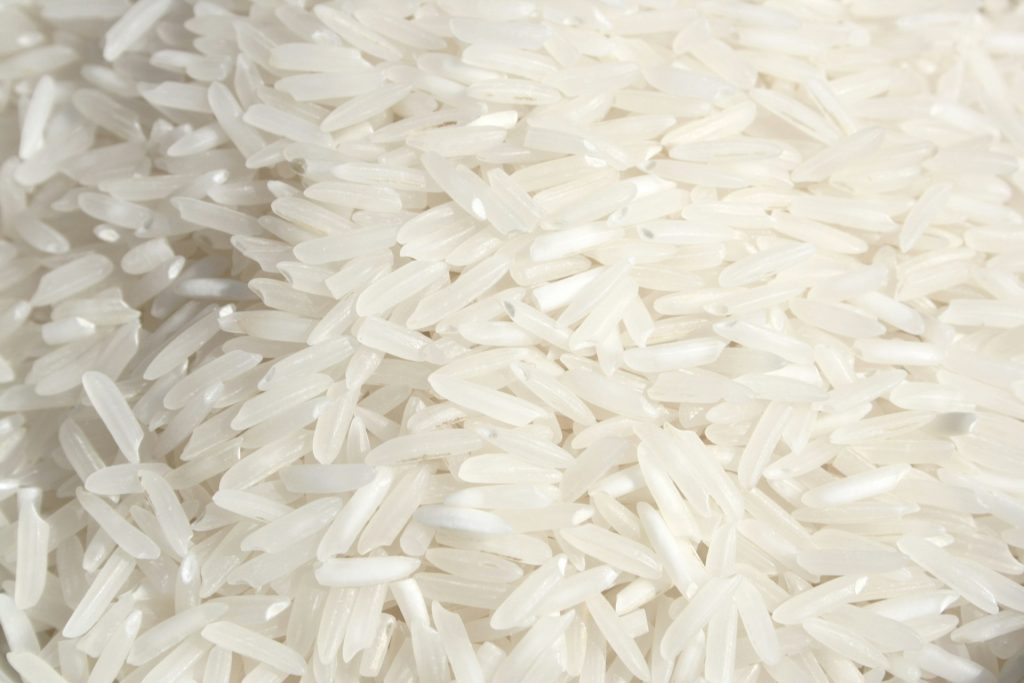
Health Benefits of the Healthiest Rice Types
1. Blood Sugar Management
All types of rice with whole grains have a lower glycemic index in comparison to white rice. This is because they do not release glucose into the bloodstream as quickly, lowering the chances of insulin spikes and leading to better diabetes management.
2. Heart Health
Fiber in brown, red, and black rice and antioxidants prevent cholesterol and enhance cardiovascular health. Anthocyanins in black and red rice make arteries and inflammation suffer less.
3. Weight Management
Rice with high fiber content (homely rice and brown rice) will help to keep the appetite under control, as well as maintain weight, as it is associated with the feeling of fullness.
4. Digestive Health
Rice with high fiber is beneficial to gut health as it supplies favourable gut bacteria and helps to maintain regular bowel movements.
5. Antioxidant Support
Antioxidants are especially abundant in black and red rice, as they combat oxidative stress and inflammation, and could help prevent chronic diseases, such as cancer.
What Is the Healthiest Type of Rice?
The Healthiest Types of Rice are the following:
1. Brown Rice
Brown rice is a whole-grain rice that contains bran and germ. It is also a good source of fiber, vitamins, and minerals, which maintain the level of blood sugar, enhance the digestive system, and sustain heart health and long-term energy.
2. Black (Forbidden) Rice
Black rice, also known as forbidden rice, is rich in antioxidants, especially anthocyanins. It is beneficial to the heart, decreases inflammation, enhances digestion, manages blood sugar, and supplies the body with all the necessary nutrients, including iron, protein, and fiber, which are important to overall health.
3. Red Rice
Red rice is a high-nutritional whole grain and has a nutty taste. It contains abundant antioxidants, fiber, and minerals, and helps in heart health, digestion, blood sugar, and anti-inflammatory effects on general health.
4. Wild Rice
Wild rice is a grass seed that is rich in protein, fiber, and minerals. It helps to make a person full, aids in digestion, manages weight, controls blood sugar level, and has an exclusive nutty taste that is high in nutrients.
5. White Rice
White rice is refined rice whose bran and germ have been removed. It is simple to digest and gives instant energy, although it lacks a lot of fiber, vitamins, and antioxidants compared to whole-grain rice varieties.
6. Purple Rice
The purple rice is a whole-grain rice with high anthocyanin antioxidants. It helps the heart, lessens inflammation, enhances digestion, normalises the level of blood sugar, and also contributes bright colour and vital nutrients to food.
The Healthiest Way to Eat Rice
1. Choose brown rice for extra fiber and micronutrients
The bran and the germ are retained in brown rice, making it a high-fiber source, with all the necessary vitamins and minerals. It is also a healthier option to white rice because its consumption aids in supporting the digestive system, cardiovascular wellness, blood sugar levels, and prolonged energy flow.
2. Choose enriched or parboiled white rice for more nutrition
White rice is enriched or parboiled and hence has more nutrients compared to ordinary white rice. It has added vitamins and minerals, it has a smoother release of energy, and it is beneficial to nutrition overall. It is simple to cook and digest.
3. Soak rice to lower arsenic — and make it healthier
Wetting ricebeforeo cooking lowers the amount of arsenic and purifies rice in addition to creating even cooking. This easy action improves the digestibility and absorption of nutrients and the healthiness of rice in general, increasing the likelihood of it being consumed by regular people.
4. Rinse responsibly
Washing rice also eliminates the extra starch and traces of surface, which causes stickiness and enhances texture. This is best done by making sure that it does not cook away any precious nutrients, but makes rice healthier and easier to digest.
5. Cool and reheat rice to reduce starch
Refrigeration of cooked rice and reheating it changes some starch into resistant starch. Resistant starch promotes gut health, reduces glycemic effects, and assists in maintaining steady blood sugar levels with healthier food.
6. Be cautious with rice leftovers
Poor storage of rice may result in bacterial growth. Put away leftovers in the refrigerator as soon as possible, and warm up and eat them within a day to avoid foodborne diseases and to ensure food safety.
7. Boost nutrients with different varieties, veggies, and seasonings
Combining rice with vegetables, legumes, or nutrient-containing varieties such as red or black rice improves the content of fibre, antioxidants, and vitamins. The use of seasonings and herbs is also an additional way of adding flavour without bringing in extra salt or fat and unhealthy fats.
8. Choose precooked rice with fewer additives
Ready-made rice or pre-cooked rice may be convenient; however, check labels. Choose the ones that contain few additives, preservatives, or any flavour enhancers to preserve the majority of nutrition and health benefits.
Which Rice Is Healthier to Eat Every Day?
1. Basmati Rice – Best Overall Choice
Compared to most white rice, basmati rice is lower in the glycemic index because it is not absorbed quickly. It is light, smells good, easy to digest, and can be served with daily meals, and maintains normal blood sugar levels.
2. Brown Rice – High Fibre but Not for Everyone
The brown rice is high in fibre, vitamins, and minerals that stimulate digestion and the health of the heart. The high fibre content of this product, however, can make some people bloat; therefore, caution is needed with sensitive digestive systems.
3. White Rice – Easy to Digest but Less Nutritious
White rice is tender, fast cooking, and easy on the stomach. Although convenient, it does not contain fibre, and most of the nutrients;s hence it is not as good as whole-grains to consume daily.
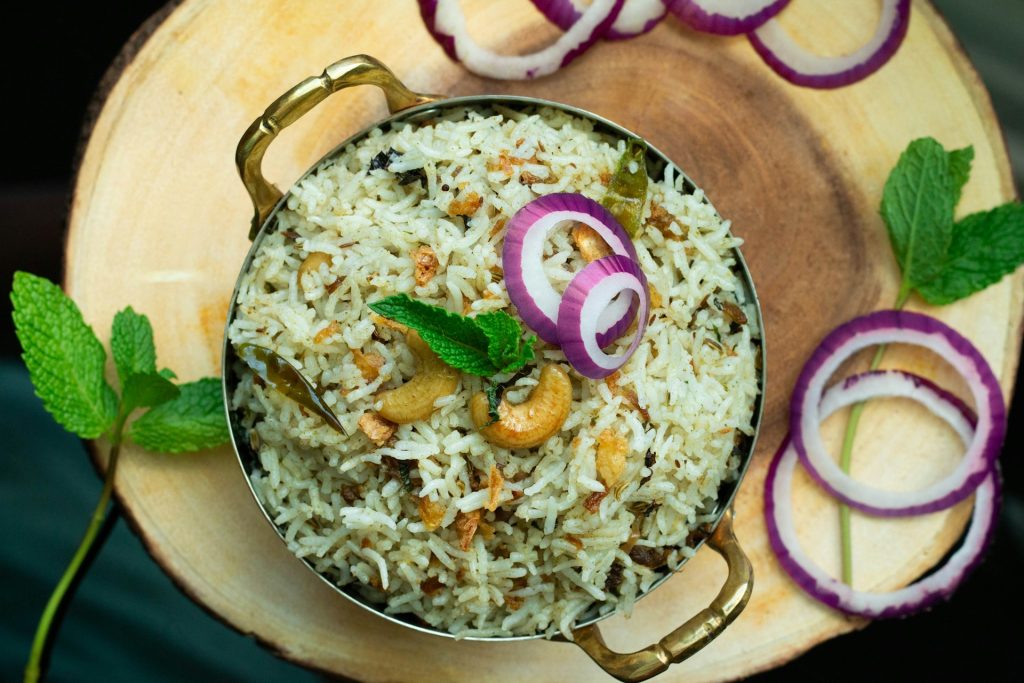
Nutritional Comparison
| Rice Type | Fiber (per 100g) | Protein | Antioxidants | Glycemic Index | Key Benefits |
| White Rice | 0.4g | 2.7g | Low | 70 | Easy to digest, quick energy |
| Brown Rice | 3.5g | 2.6g | Moderate | 50–55 | Heart health, blood sugar control |
| Black Rice | 3.5g | 3.0g | Very High | 42–45 | Anti-inflammatory, antioxidants |
| Red Rice | 2.5g | 3.0g | High | 55 | Supports cardiovascular health |
| Wild Rice | 6.0g | 4.0g | Moderate | 45–50 | High protein, weight management |
Tips to Make Rice Healthier
- Before cooking rice, rinsing and soaking the rice helps to eliminate extra starch.
- Prepare with the absorption technique in order to preserve nutrients.
- Combine with other grains such as quinoa or barley as a source of additional protein and fiber.
- Combine it with vegetables and legumes to form a complete meal.
FAQs
1. Which rice is best for diabetes?
Low-glycemic rice, such as brown, black, red, and wild rice, slowly releases glucose, which helps in blood sugar regulation, and it avoids spikes.
2. Can rice help with weight management?
The fiber types of rice, like brown or wild rice, are high-fibre rice that is known to promote satiety, appetite control, and effective weight management.
Conclusion
Whole-grain rice, such as brown, black, red, and wild rice, is the healthiest rice. They contain a lot of fibre, protein, vitamins, minerals, and antioxidants, which aid in digestion, heart health, blood sugar regulation, weight control, and general well-being, and hence they are better than refined white rice.